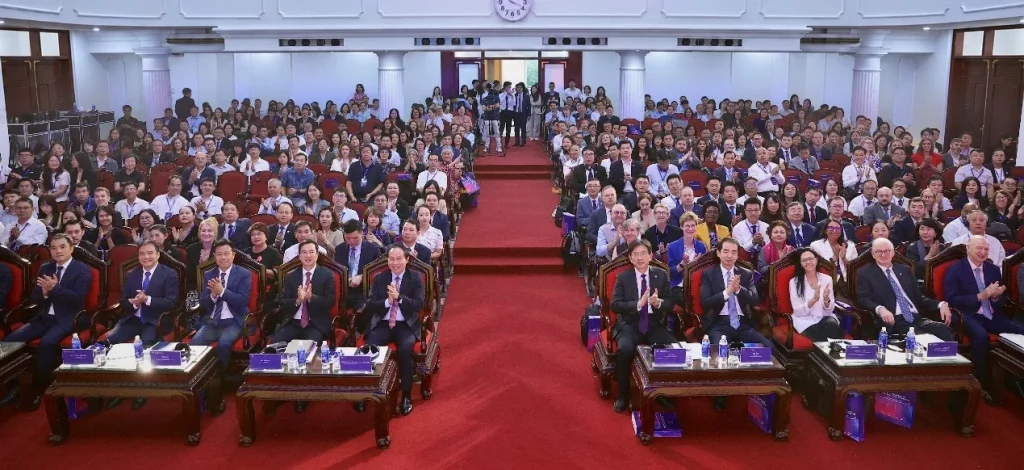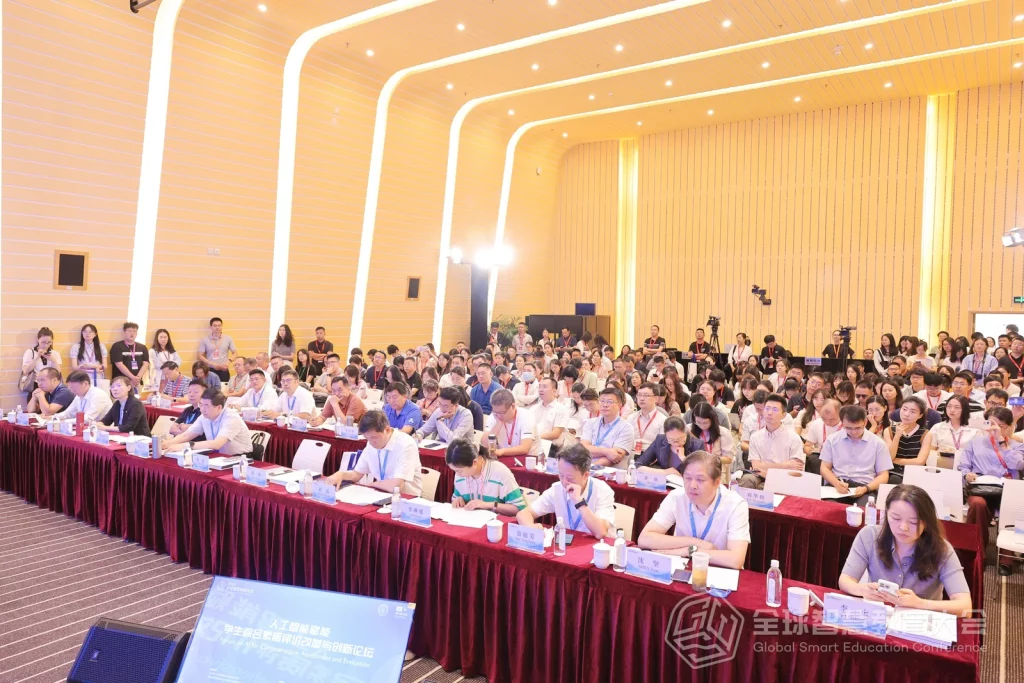
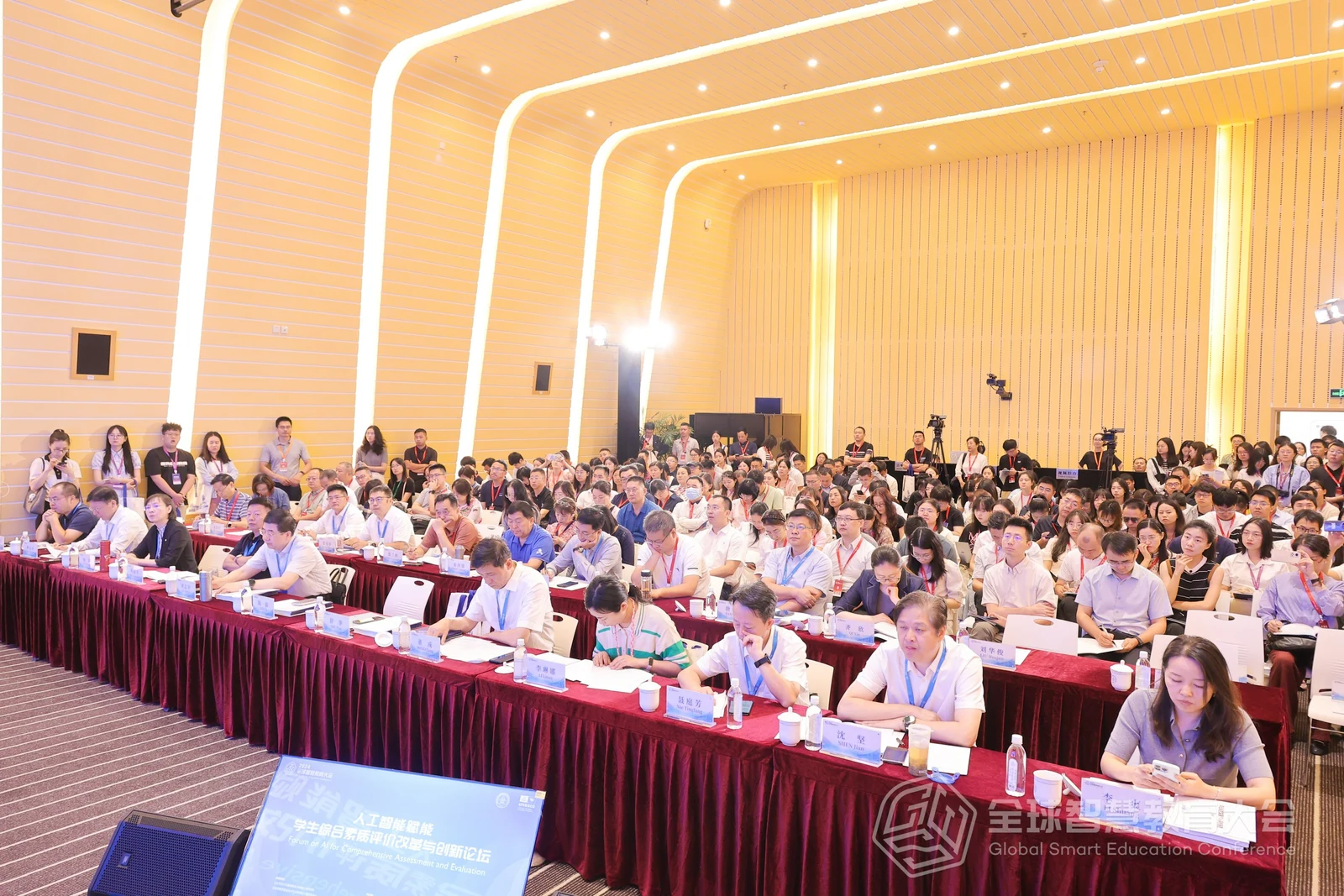
The Forum on AI for Comprehensive Assessment and Evaluation took place at Beijing Normal University on 19 August 2024 as part of the Global Smart Education Conference. It was jointly organised by the National Engineering Research Center of Cyberlearning and Intelligent Technology and BNU’s Research Institute of K-12 Educational Big Data Application. SLI reported more than 200 onsite attendees and nearly 50,000 online participations, with educational authorities, universities, research institutions and enterprises discussing AI-supported holistic student assessment.
Assessment reform and pilot results
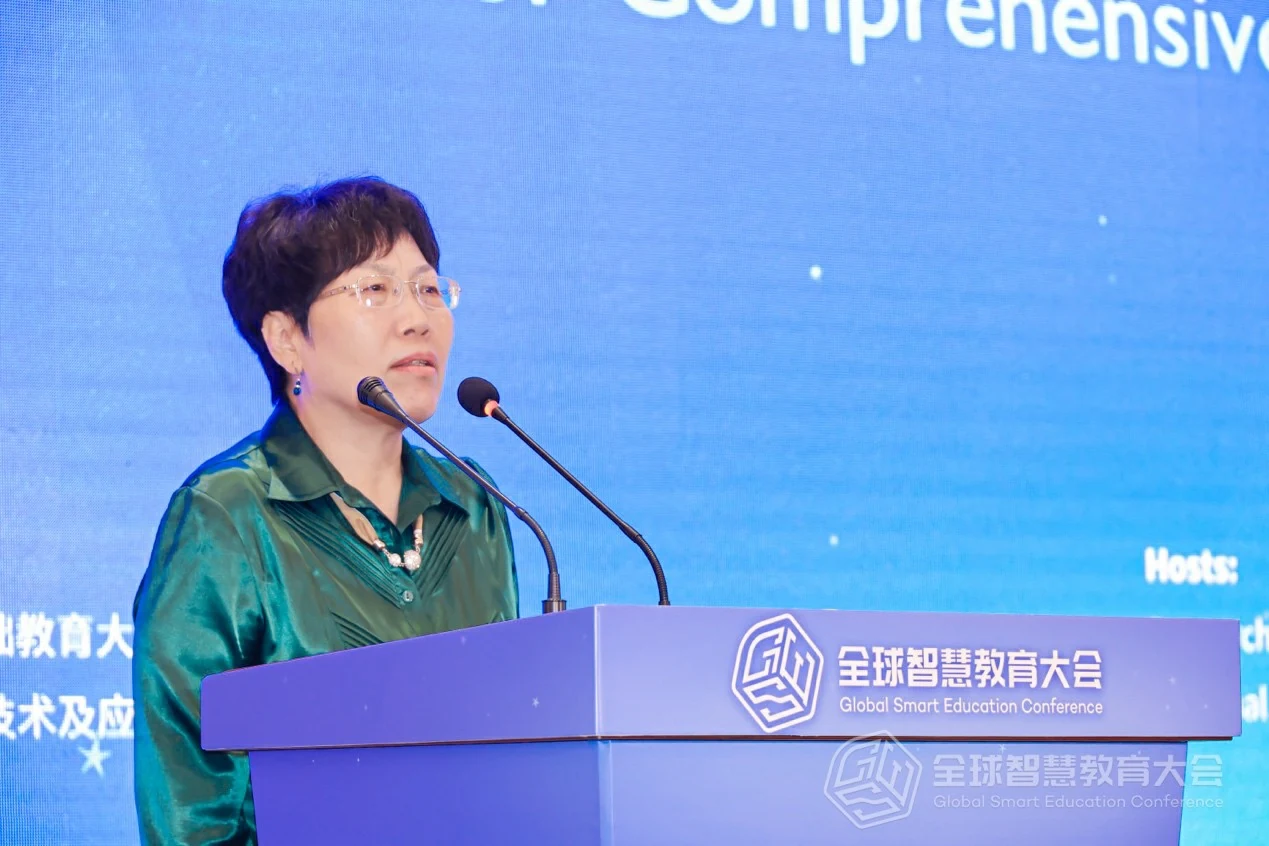
Shu Hua, Deputy Director-General of the Ministry of Education’s Department of Science, Technology and Informatization, said assessment reform matters to national development, talent cultivation and educational quality. She described AI and related technologies as supporting a more scientific, professional and objective assessment system.
Shu highlighted four achievements from two years of the Ministry’s pilot initiative on information-technology-supported comprehensive student assessment. She said they had gained user recognition and laid foundations for regional assessment capacity and wider educational reform:
- A theoretical model for comprehensive student assessment.
- A performance-based assessment technology system focused on diagnosing outcomes.
- Large-scale data on students’ growth and development.
- Assessment feedback reports at four levels.
She called for stronger educational values, improved assessment models, locally developed innovations and attention to data security and ethics, so that assessment reform would advance in the right direction and support a strong education system.
Pilot initiative and forum moderation
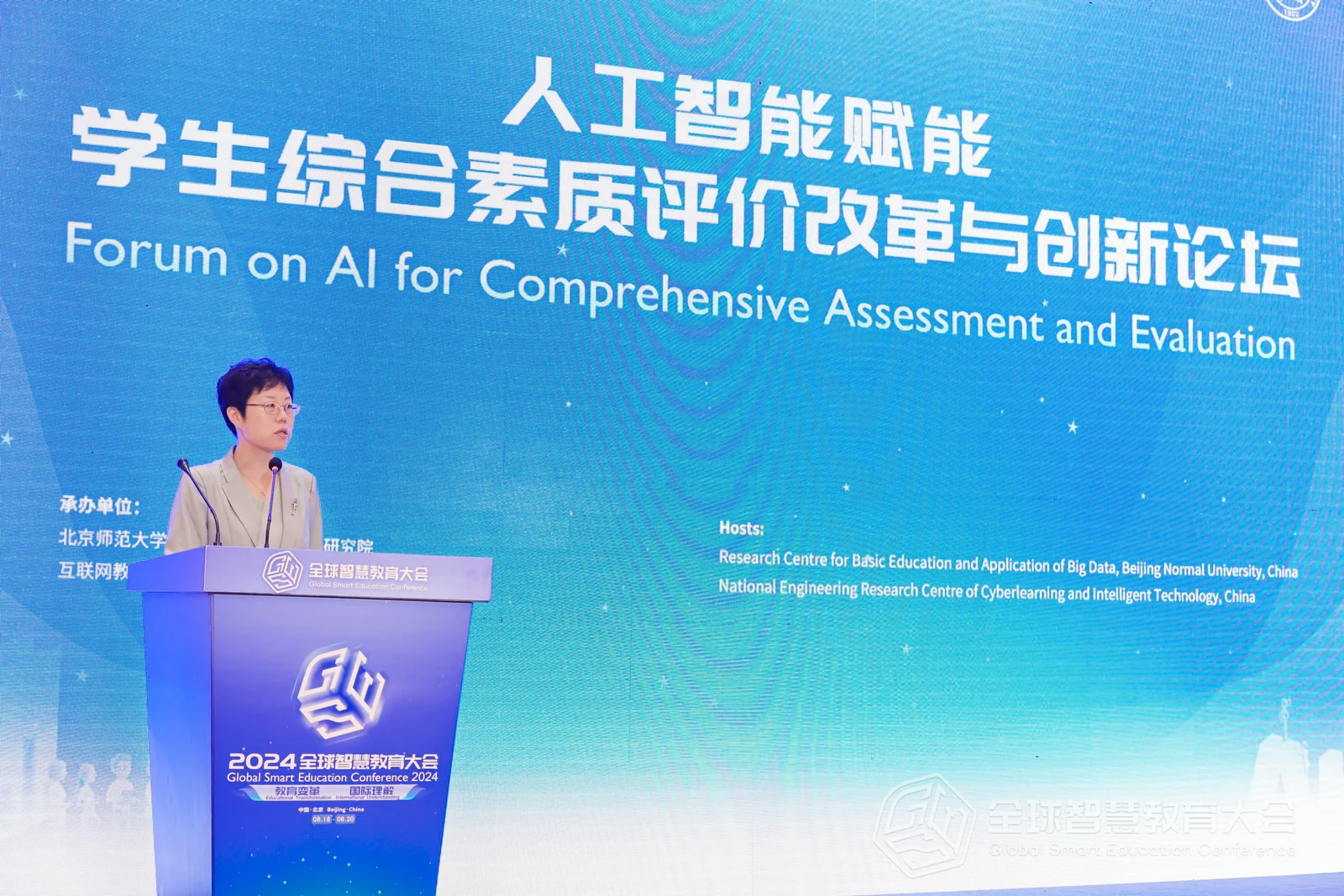
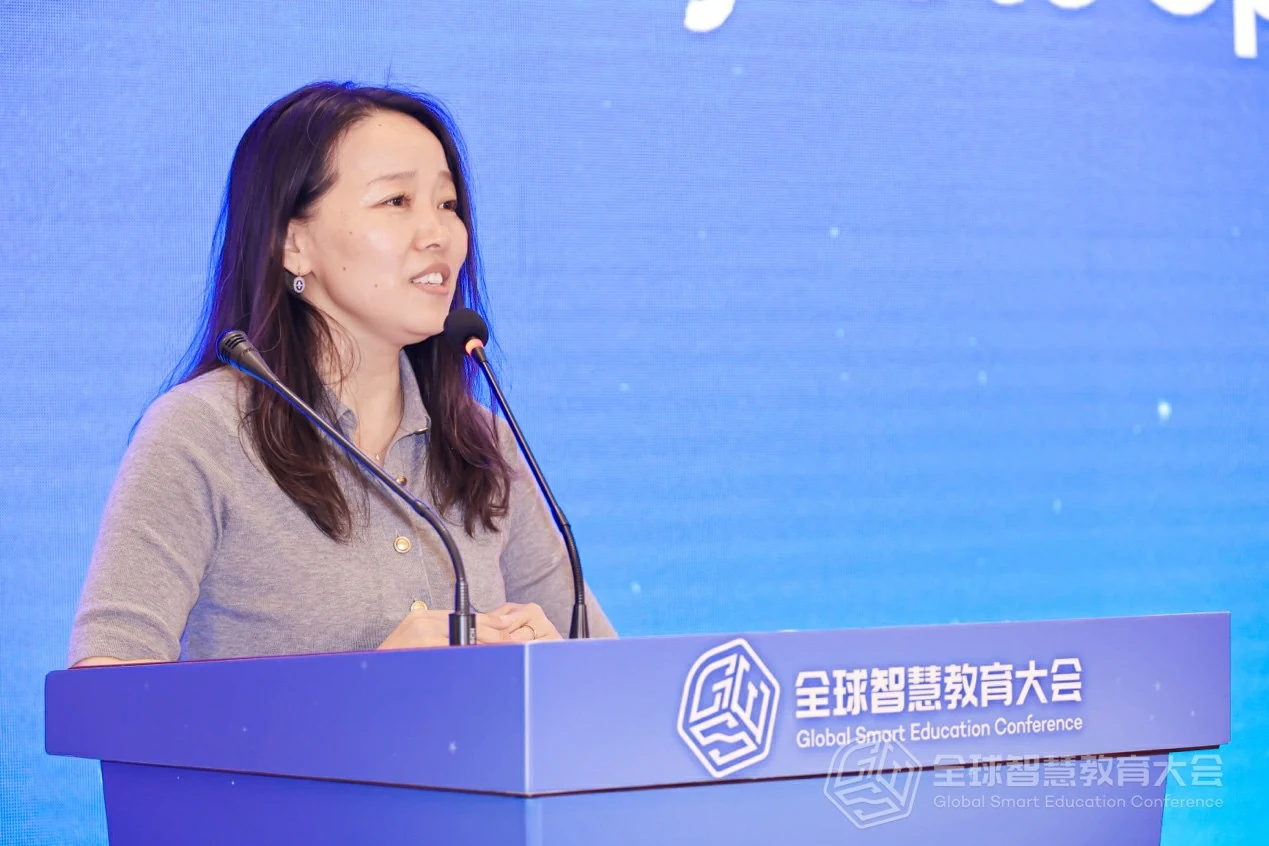
BNU Professor Chen Li, head of the pilot initiative’s expert group, chaired the forum. She explained the initiative’s significance, innovative approaches and interim results, and offered guidance on its future development.
Directions for holistic student assessment
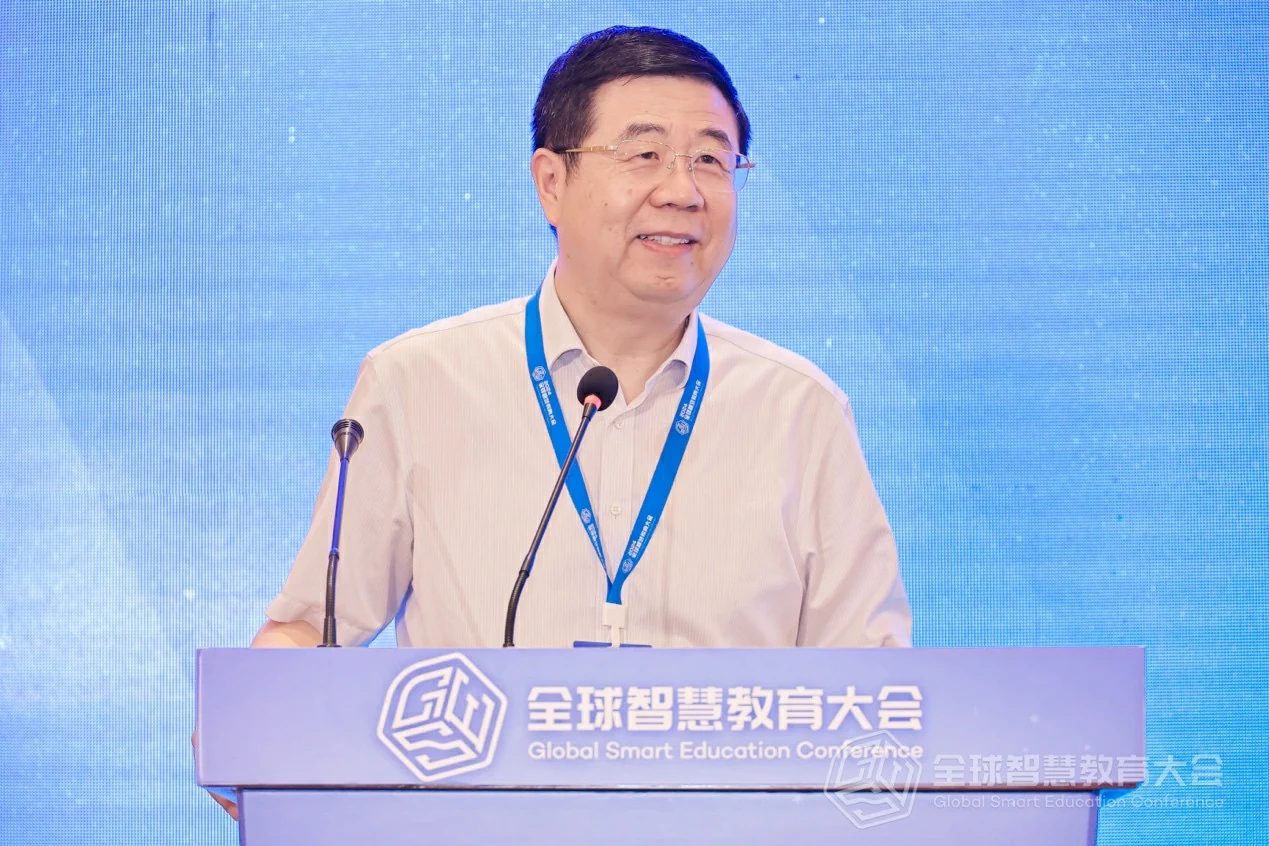
Liu Zhijun, Party Committee Secretary of Henan University of Technology and Professor at Henan University, delivered Student Comprehensive Quality Assessment: Development History and Future Directions. He examined its evolution, present challenges and future trends. He called for a clearer distinction between developmental and selection purposes, assessment content centred on core competencies, and practical use of digital and intelligent technologies.
Intelligent technology and diagnostic assessment
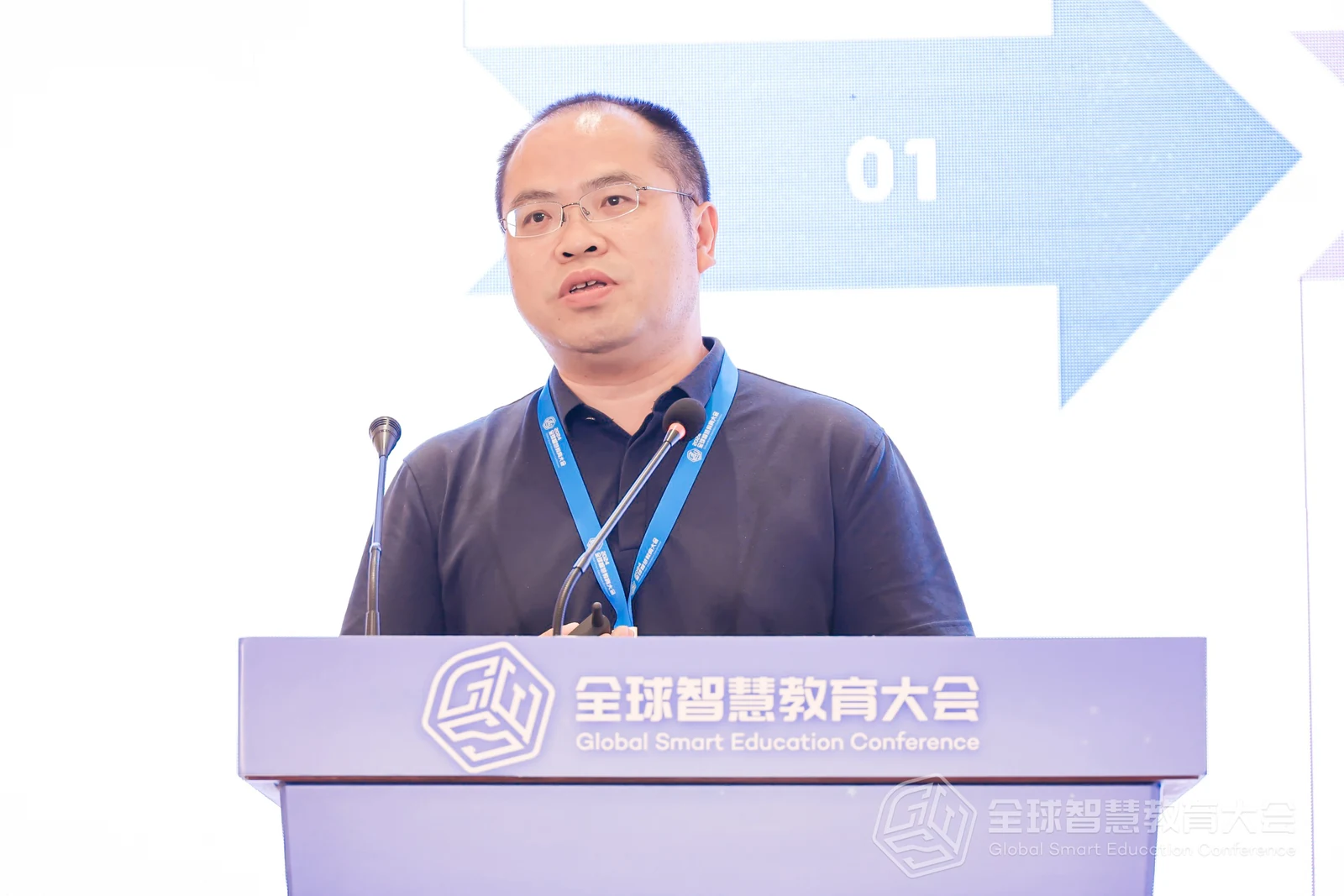
BNU Professor Zheng Qinhua presented Diagnosis-Oriented Comprehensive Quality Assessment Supported by Intelligent Technology. He argued that diagnostic assessment of students’ attainment levels is central to the selection and developmental functions of holistic assessment, and described progress in theoretical frameworks, assessment methods and feedback mechanisms.
Zheng proposed further regional collaboration on intelligent performance-based assessment, deeper integration of the SEED pilot system with regional assessment frameworks, and approaches to identifying and cultivating innovative talent. He linked these priorities to evidence-informed regional education and the digital transformation of comprehensive assessment.
Reform experience from ten regions
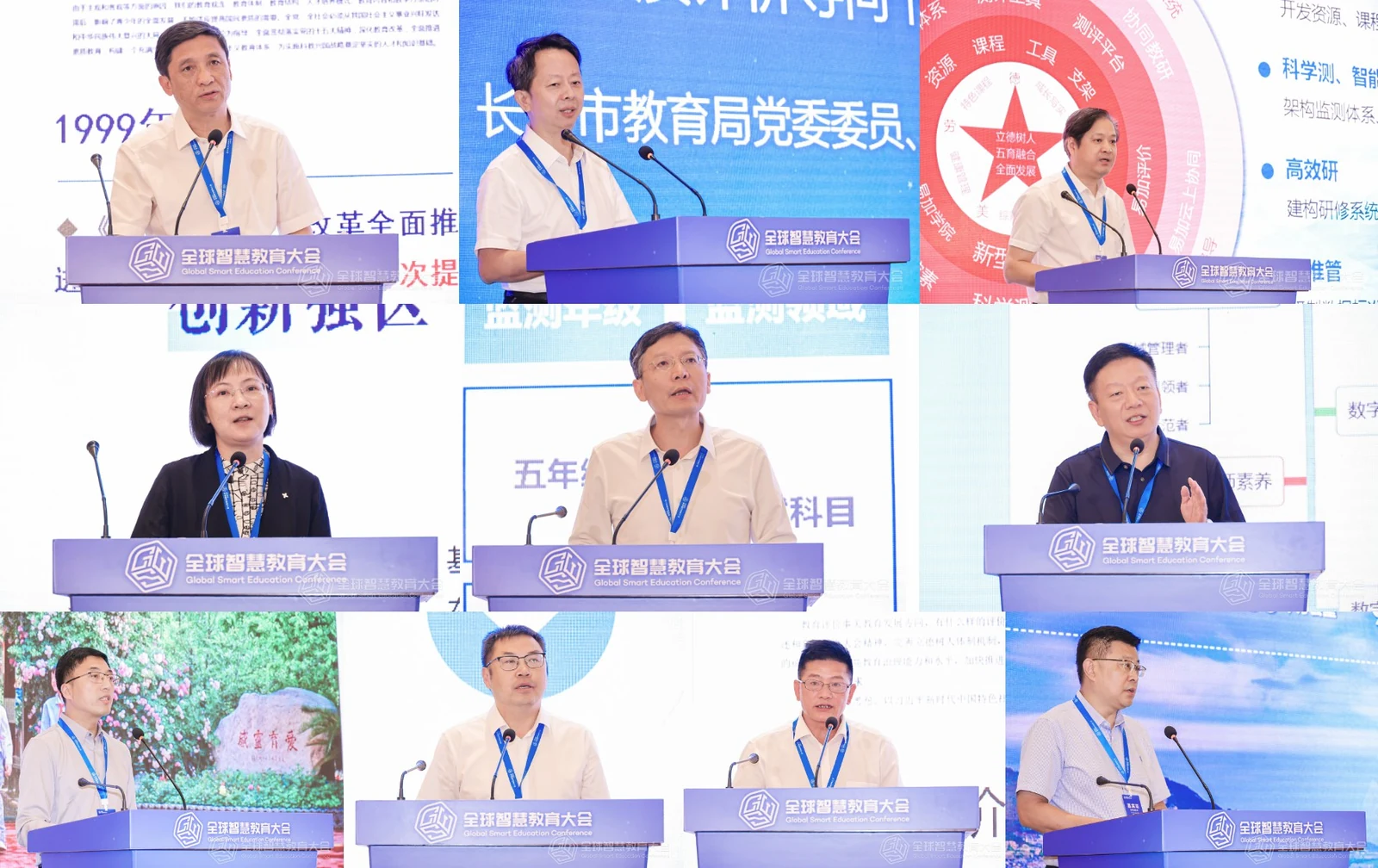
Representatives from ten regions shared their experience of technology-supported assessment reform:
- Dong Cheng — Deputy Director-General, Heilongjiang Provincial Department of Education, China.
- Nie Tingfang — Deputy Director, Changsha Education Bureau, Hunan, China.
- Shen Jian — Director, Suzhou Industrial Park Education Bureau, Jiangsu, China.
- Yang Jun — Director, Nanshan District Education Bureau, Shenzhen, Guangdong, China.
- Zhong Wenchuan — Director, Nanhai District Education Bureau, Foshan, Guangdong, China.
- Ming Jianping — Director, Heping District Education Bureau, Tianjin, China.
- Zhang Xuezheng — Deputy Director, Xigong District Education Bureau, Luoyang, Henan, China.
- Zhang Youcai — Dean, Jinniu District Institute of Educational Science Research, Chengdu, Sichuan, China.
- Chen Rongxian — Deputy Director of the Education Bureau of Ziyun Miao and Buyei Autonomous County, Anshun, Guizhou, China.
- Tang Chao — Director, Laoshan District Education and Sports Bureau, Qingdao, Shandong, China.
They discussed combining regional process-based assessment with diagnostic results from SEED, integrating existing regional education data systems with SEED data, and using SEED reports to target educational resources and improve teaching and learning.
Closing remarks
In her closing remarks, BNU Professor Li Shuang reiterated AI’s importance for assessment reform, encouraged further regional innovation in technology-supported comprehensive assessment and thanked the participants.
Sources and archive notes
Archive note: the event was held on 19 August 2024; SLI’s official listing dates the report to 23 August. AIED’s original English archive is dated 27 August, and its title, date and URL are retained. The seven images in SLI’s current original report are restored locally in their original order. See the archived forum announcement for advance arrangements. Institutions and roles reflect the 2024 report, not current appointments.
Original link: https://aiedchair.bnu.edu.cn/gse2024-forum-on-ai-for-comprehensive-assessment-and-evaluation-held-in-beijing/