
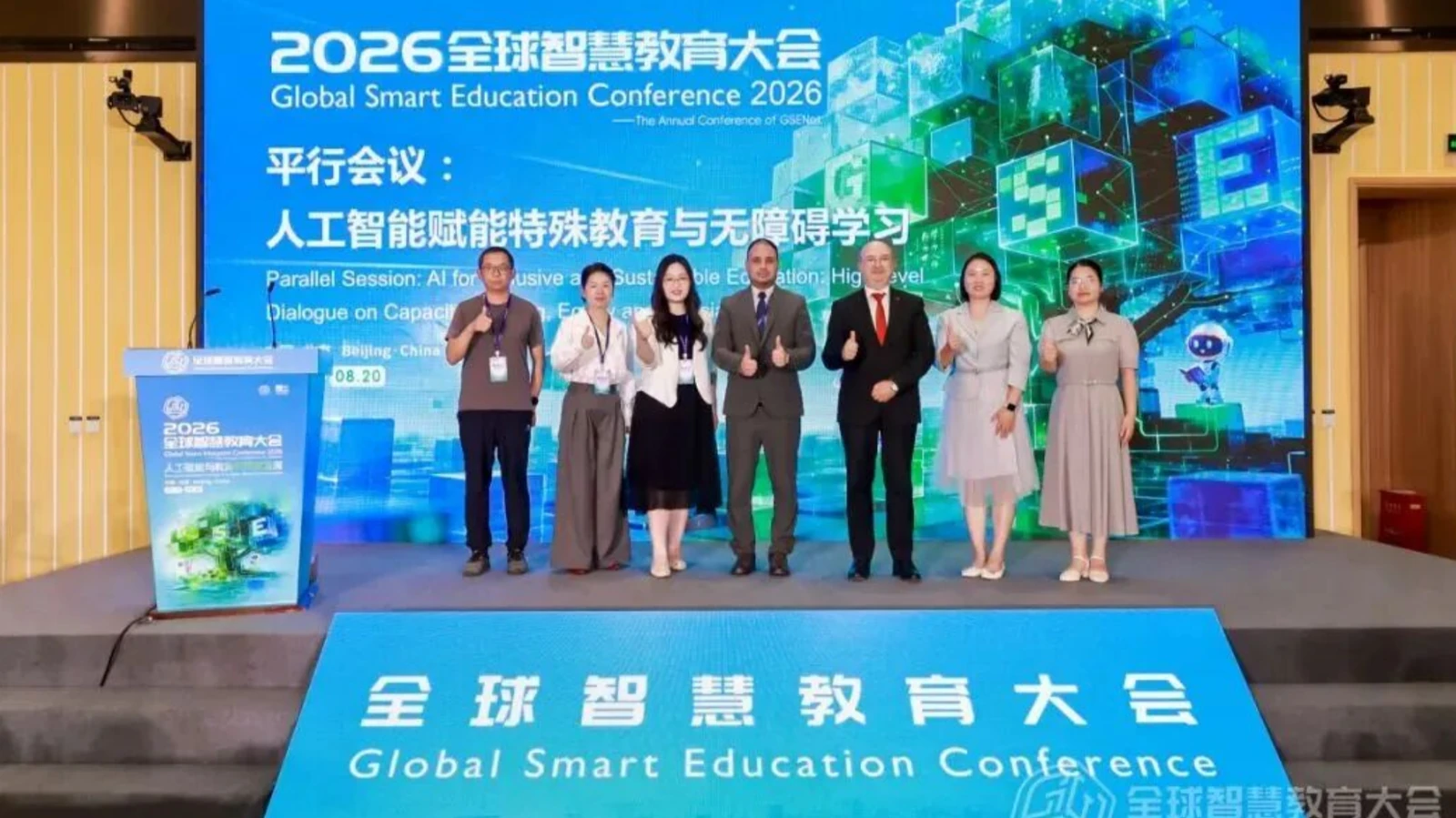
On 18 August 2026, the Global Smart Education Conference forum on AI for Special Education and Accessible Learning took place at Beijing Normal University (BNU). University, research, international-organisation and industry representatives discussed digital divides, inclusive AI learning environments, accessibility technologies and standards, two-way communication and sign-language recognition, data privacy and international cooperation.
The forum was co-organised by ALECSO, BNU’s AI and Special Education Laboratory (China–Arab Region), Smart Learning Institute and School of Special Education within the Faculty of Education, among other institutions. BNU Associate Professor Ahmed Tlili, Executive Editor-in-Chief of Smart Learning Environments, chaired the forum. Roles in this article refer to the time of the event.
Embedding inclusion in technology design
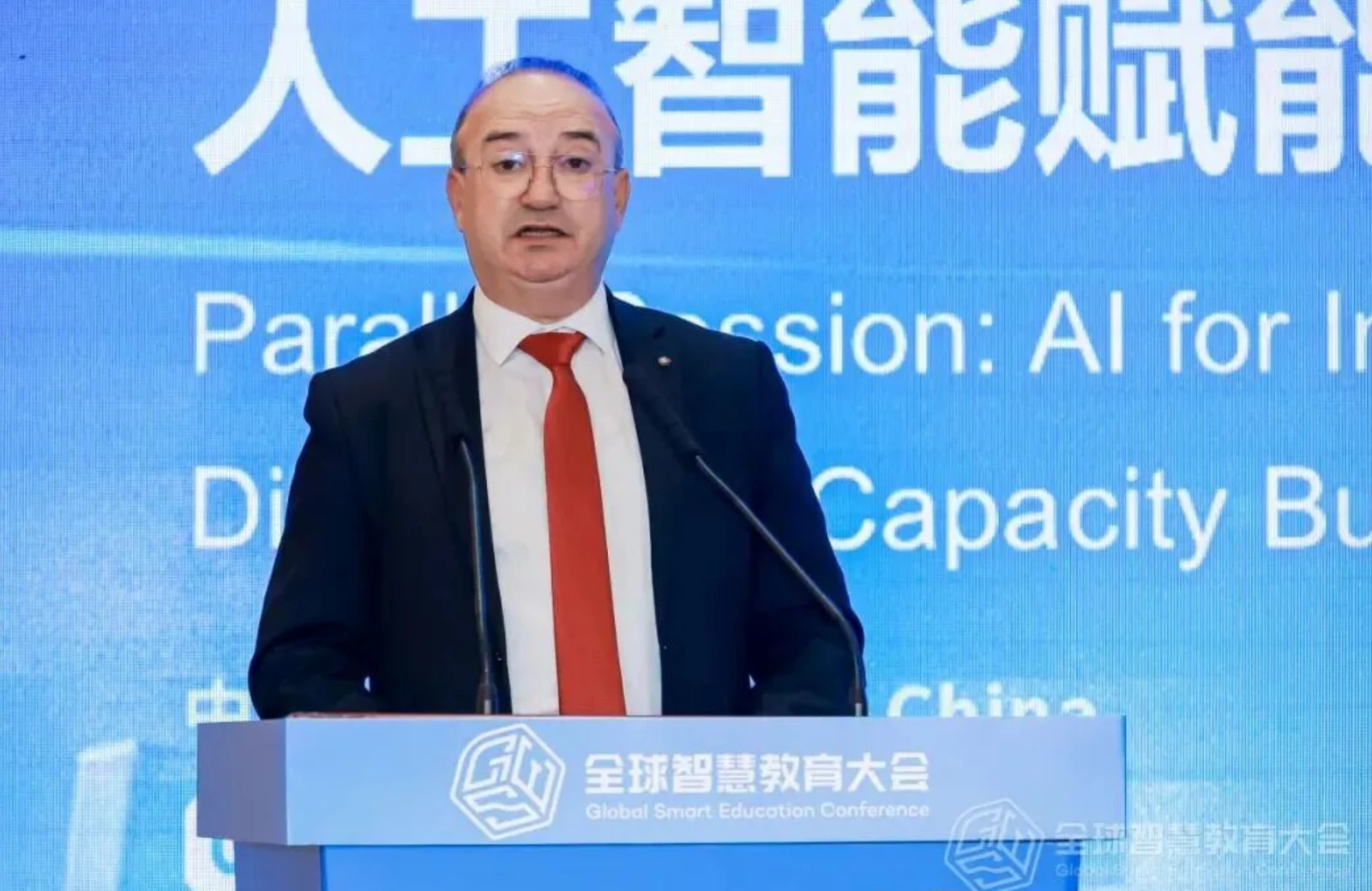
Mohamed Jemni, Director of ALECSO’s ICT Department, argued that progress should be measured by people empowered and barriers removed, with inclusion embedded in AI design. ALECSO is advancing accessibility guidelines for educational institutions and disability education, regional standards, W3C-aligned educational resources and Arabic localisation, enabling learners with disabilities to participate actively.
Intelligent assessment and adaptive support
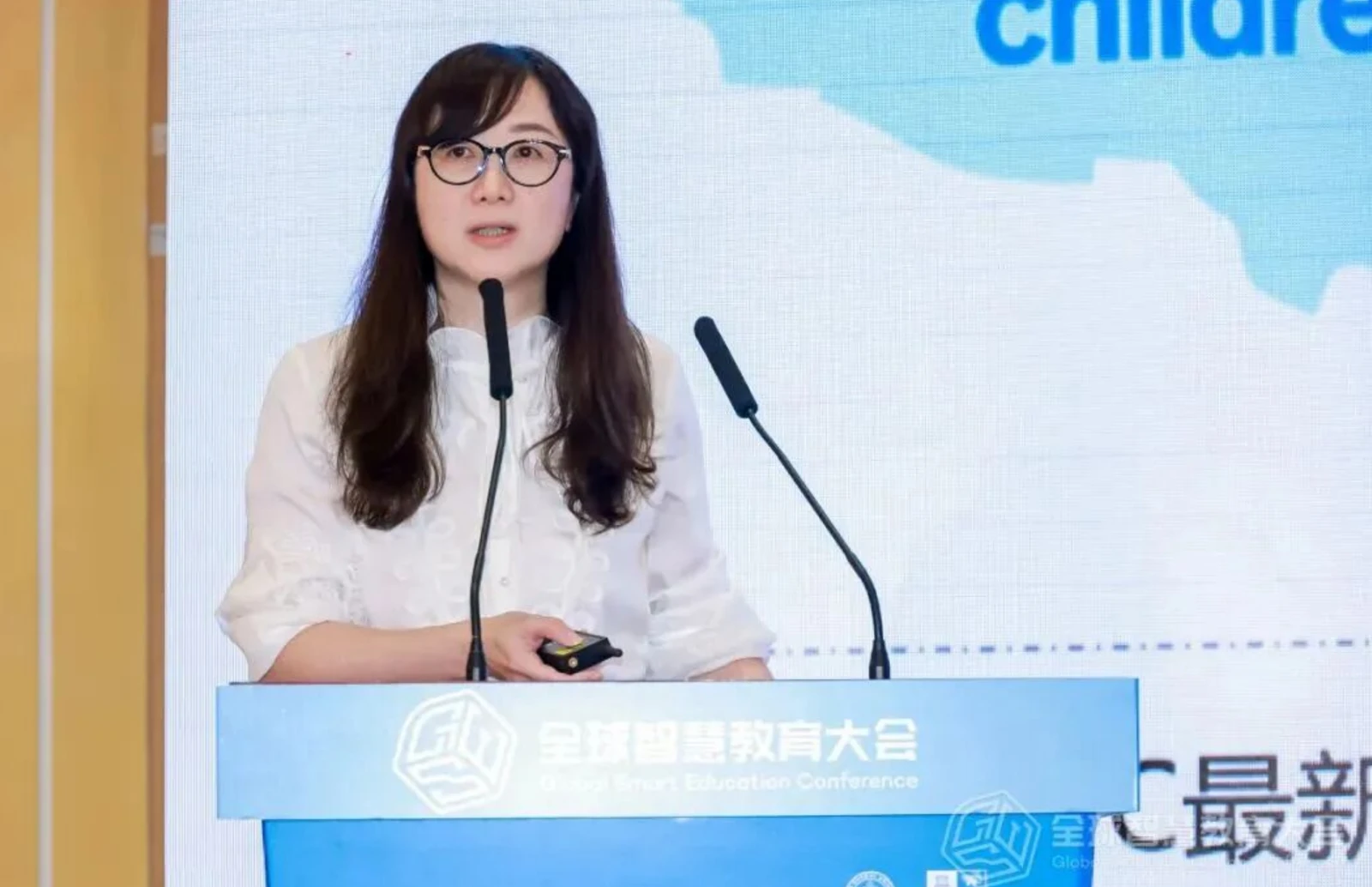
Central China Normal University Professor Chen Liangying introduced differentiated support needs among autistic learners. The “one in 31” figure she cited requires its statistical context: CDC’s 2025 release reports 2022 ADDM monitoring of eight-year-olds at US surveillance sites, not all children worldwide or in China.
Chen described an intelligent-assessment and adaptive-intervention system. Her presentation reported 99.88% accuracy for head-pose estimation and 93.5% for physiological-arousal recognition. Its four-dimensional learning-state model comprises:
- Joint attention.
- Enjoyment.
- Arousal.
- Cognition.
She described a loop of quantitative evaluation, pathway planning and activity recommendation, and reported medical-device registration for related work. The team undertook autism screening for nearly 1,100 children in Ningbo’s Zhenhai District, while its cloud platform reached Tibet, Xinjiang and other regions. These technical and deployment claims are attributed to the presentation, rather than independently validated clinical findings of this article.
Generative AI and learning support
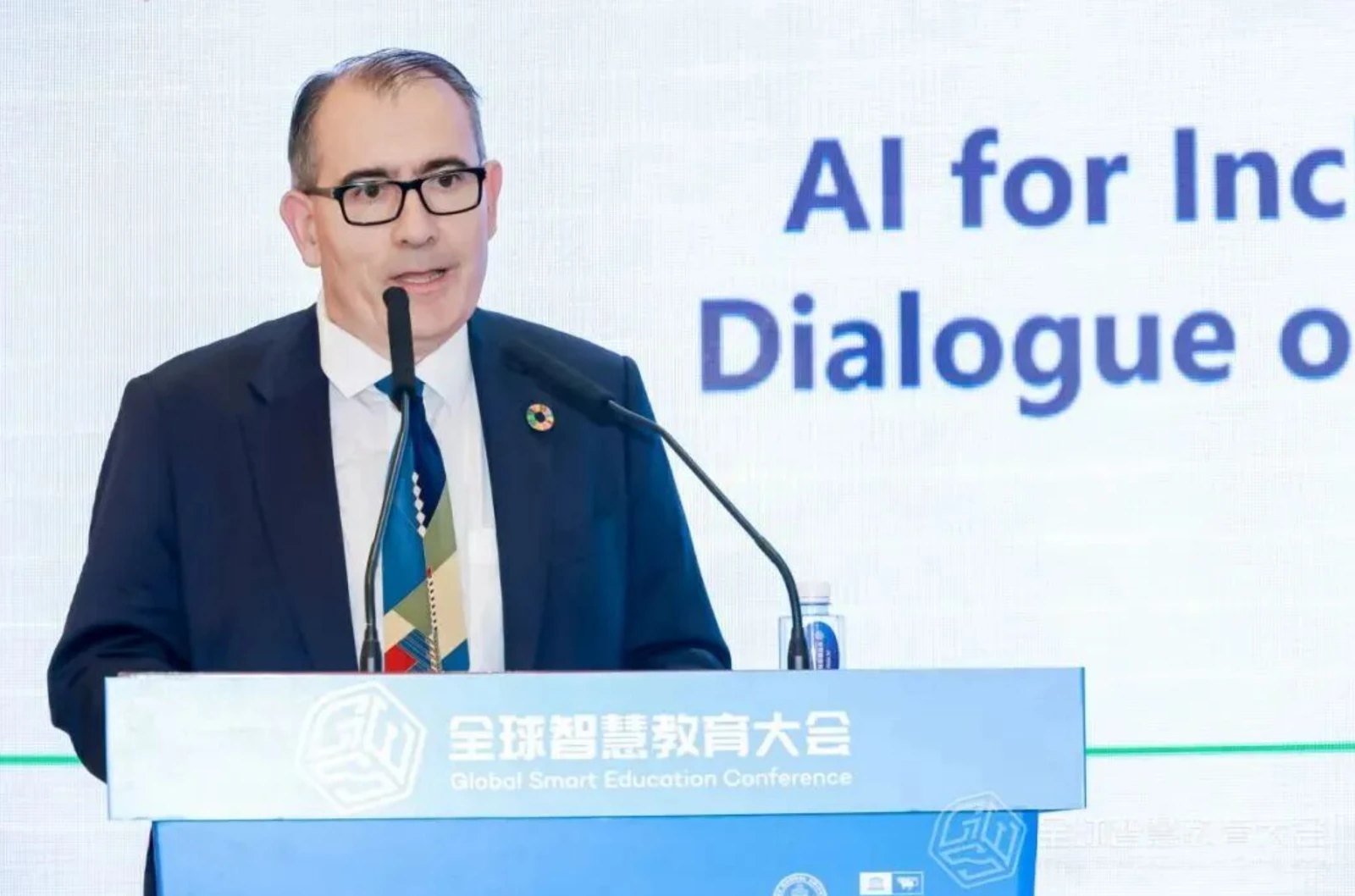
Mario Franco, Founder and Chairman of Millennium@EDU Sustainable Education, shared research involving students with disabilities and generative AI, reporting observations of reduced anxiety, faster feedback and support with language and knowledge barriers. AI should support learning rather than replace it. Voice control, eye-gaze interaction or adaptive switches can respond to different movement and input needs, alongside captions, reading support and personalised learning plans to address continuing accessibility gaps.
Systems, communication and digital accessibility
Zied Bouida, Assistant Professor at Kuwait College of Science and Technology, presented an inclusive AI architecture centred on learners, teachers and families, with Universal Design for Learning as a starting principle. It has three layers:
- Data and standards: accessible content, user preferences and Universal Design for Learning.
- AI services: language and speech processing, computer vision and large language models.
- Applications: captions, translation, editing support and content adaptation.
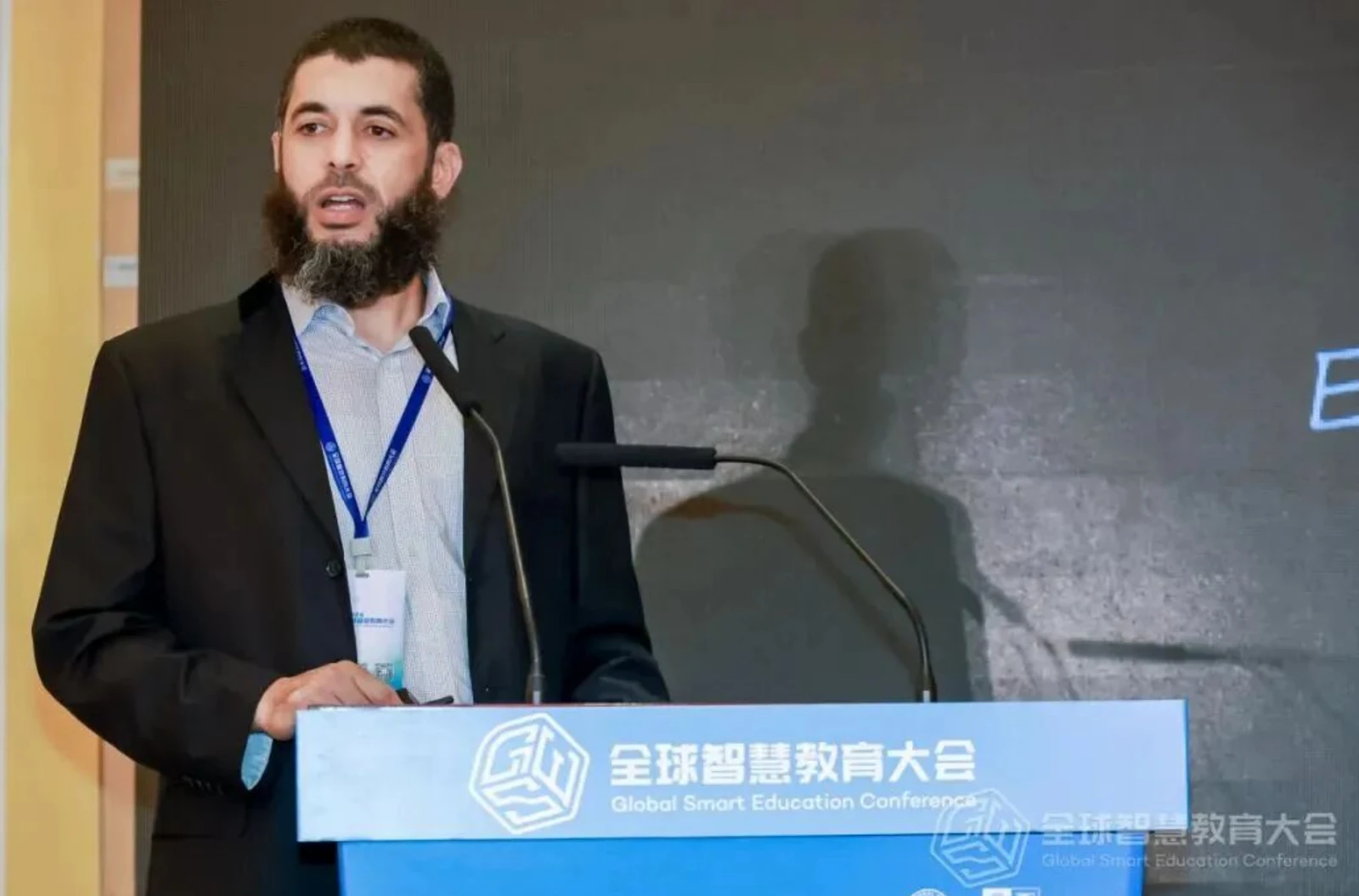
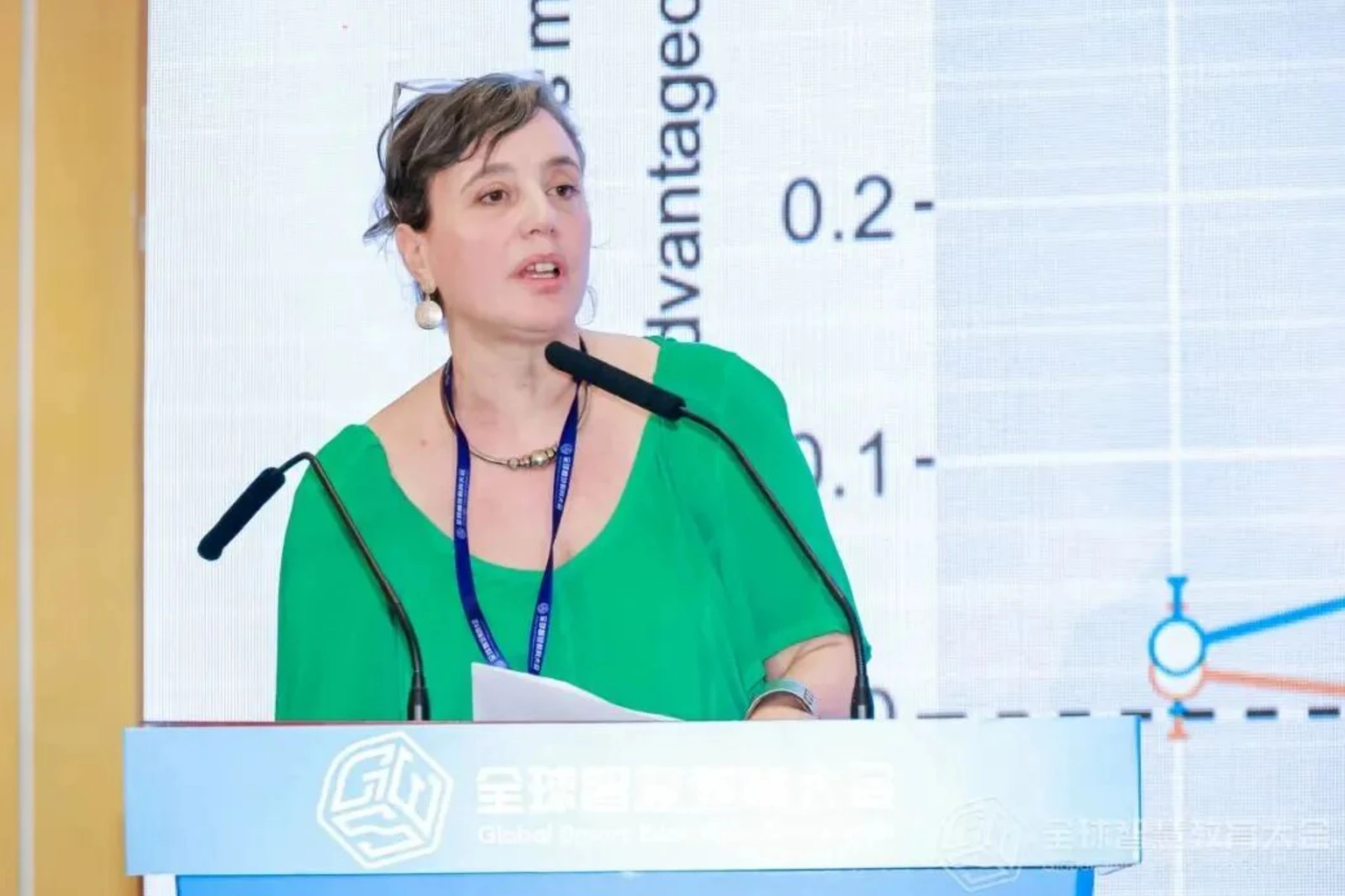
Alejandra Carboni, Professor at the University of the Republic, Uruguay, presented work on two-way communication: translating teachers’ speech into sign language and students’ signing into text or speech. The goal extends beyond recognition accuracy to natural, sustained real-time interaction between deaf and hearing people, addressing signing variation, camera occlusion and information-dense classrooms.
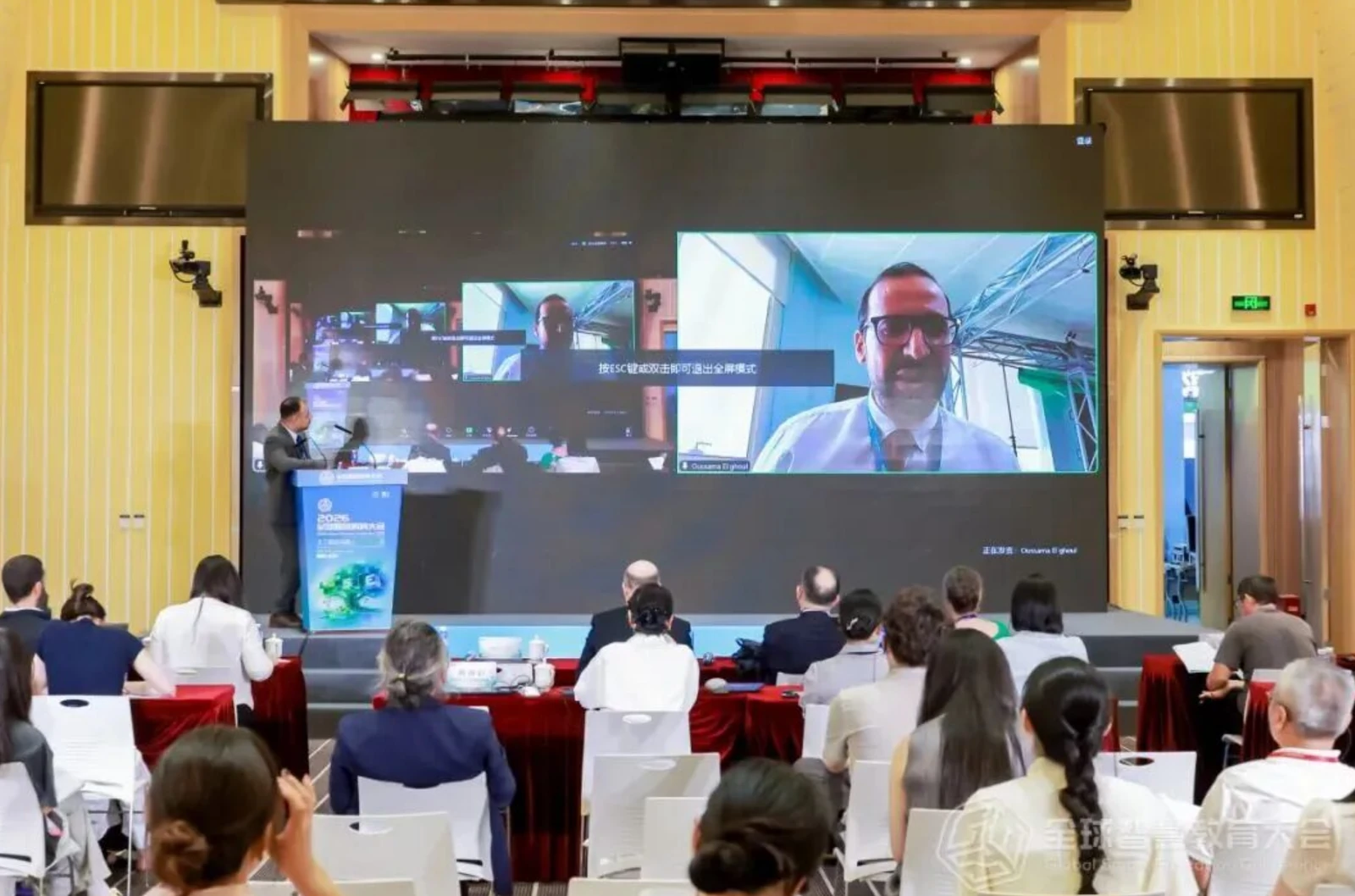
Oussama El Ghoul, an accessibility researcher at Qatar’s Mada Center, highlighted educational access gaps. For context, UNICEF estimated nearly 240 million children with disabilities worldwide in 2021. Compared with children without disabilities, they were 49% more likely never to have attended school: a relative difference, not an out-of-school rate for all children with disabilities.
He described Mada’s work on Arabic digital accessibility; Mada’s website records Qatar’s first place in the 2020 DARE Index. The original report’s reference to roughly 96% of home pages can be contextualised by WebAIM’s 2026 sample of one million home pages: 95.9% had detected WCAG conformance failures. This is a dated sample, and automated checks do not identify every accessibility barrier.
Moving education online does not automatically make it accessible, El Ghoul stressed, and AI cannot replace improvements to underlying design. Technology should adapt to learners. He proposed five implementation steps:
- Understand learners’ needs.
- Co-design with users.
- Improve through pilots.
- Scale with support.
- Monitor continuously.
Responsible AI and a cooperation platform
Ahmed Tlili emphasised safe, fair, transparent and human-centred AI, protection of sensitive learner data, vigilance against bias and participation by persons with disabilities throughout design. Privacy rules should protect people while supporting appropriate research data pooling and giving teachers clear guidance.
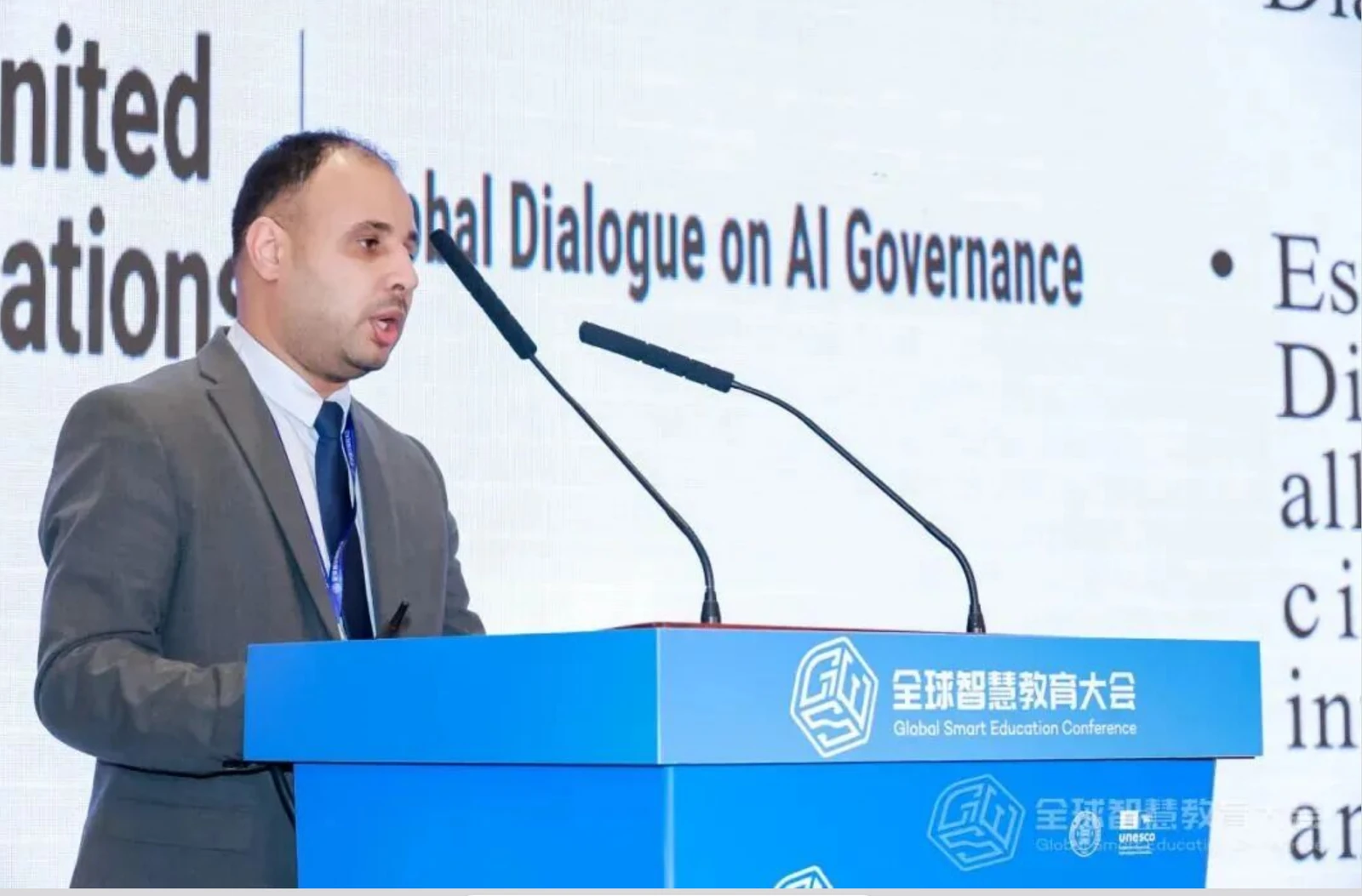
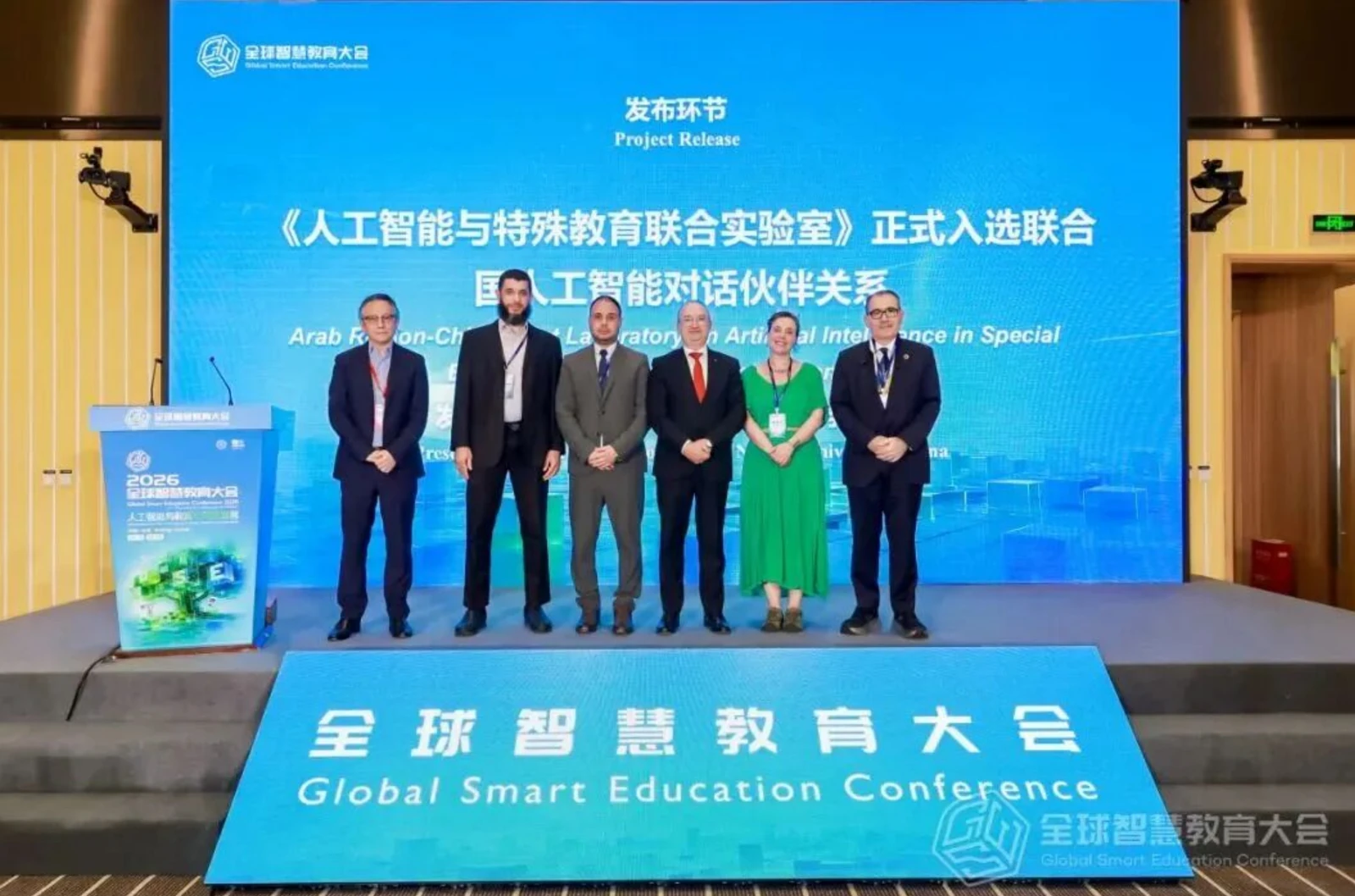
Tlili announced the joint laboratory’s inclusion in the UN AI Dialogue Partnerships platform. ALECSO’s public account identifies it as a collaborative initiative with BNU and other partners, listed on the UN AI Dialogue Partnerships Hub. The listing provides a channel for broader cross-regional exchange on inclusive education.
Practice in Chinese special-education schools
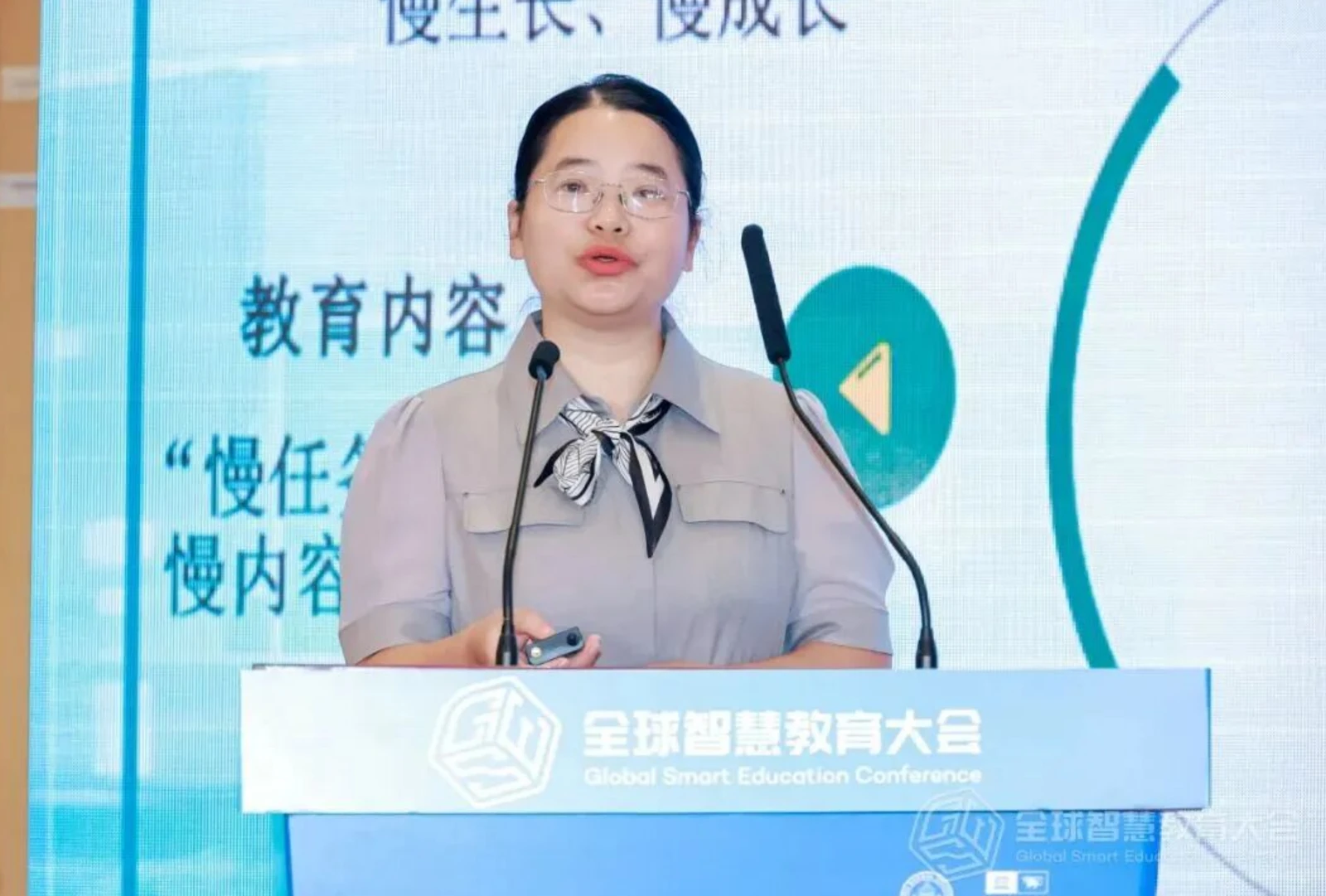
Zhang Jing, Principal of Shuangliu District Special Education School in Chengdu, described the district’s designation as a national special-education reform experimental area in 2015 and 2025. Its model combines data foundations, curriculum development and shared resources. She reported full student coverage for dynamic assessment and digital profiles, and about 45% greater overall efficiency in developing individualised education programmes (IEPs). Teachers created agents for practical healthcare-visit learning and Shu brocade cultural study, alongside LEGO maker activities and robotic-dog programming.
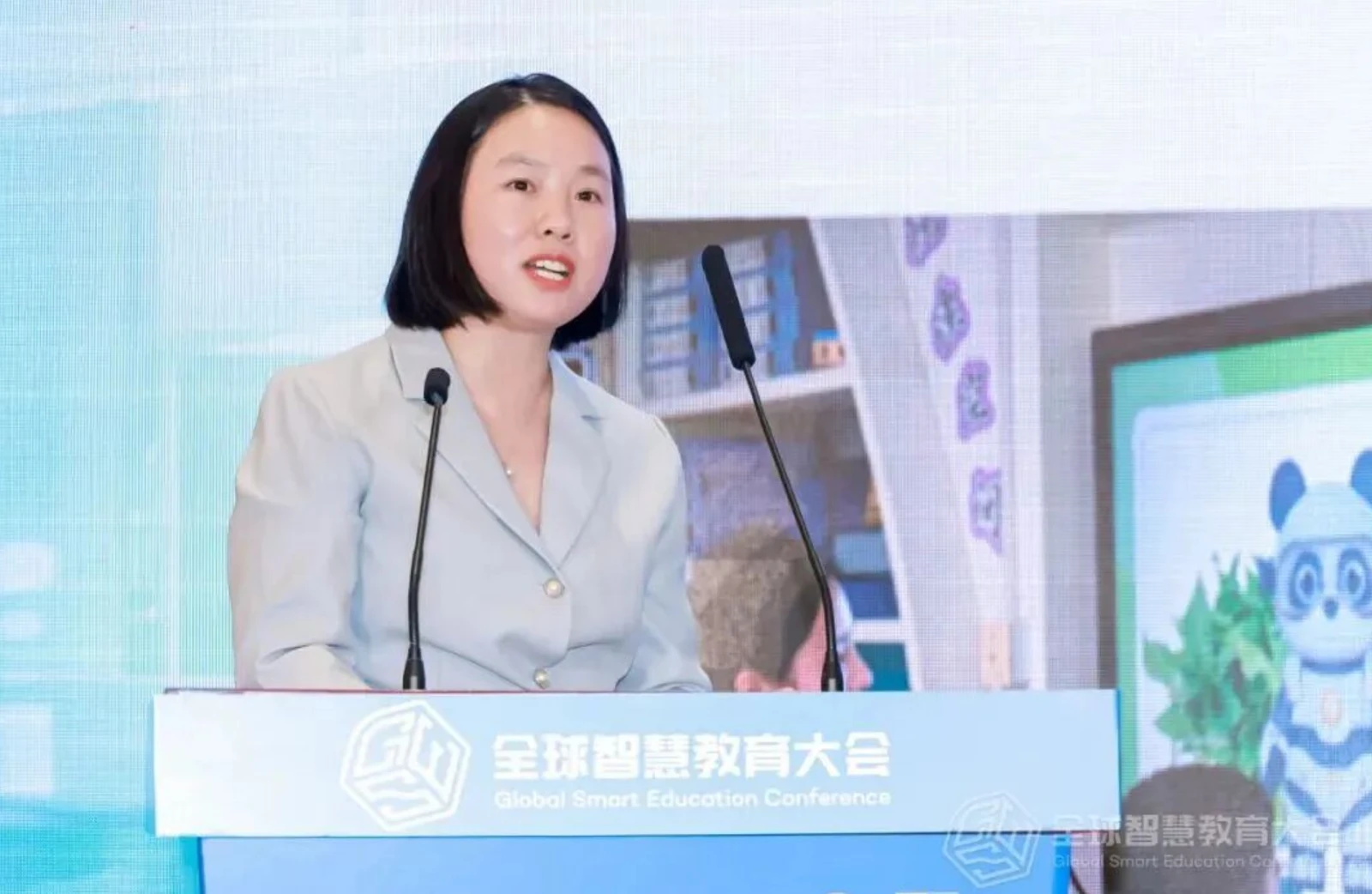
Dong Yansha, Vice-Principal of Changsha Special Education School, traced its origins to institutions founded in 1908 and 1916 and outlined education for learners with visual, hearing and intellectual disabilities. Its assessment framework has five dimensions, fifteen key elements and forty observable indicators, differentiated by learner needs. Dynamic, multi-party and multi-setting evaluation works with AI in a diagnosis, decision, evaluation and improvement cycle, using assessment to guide development.

Zhang Xianlan, Research Director at Hangzhou Yanglingzi School, described the “Yangling Brain” for generating individualised education plans and the “Ling Xiaozhi” AI companion in teacher–learner–agent collaboration. The school’s digital-bank project with Alipay uses progress records and redeemable digital tokens as educational incentives. A three-year secondary and two-year higher vocational pathway for autistic students combines data annotation and Chinese/Western pastry skills, building on learners’ strengths.
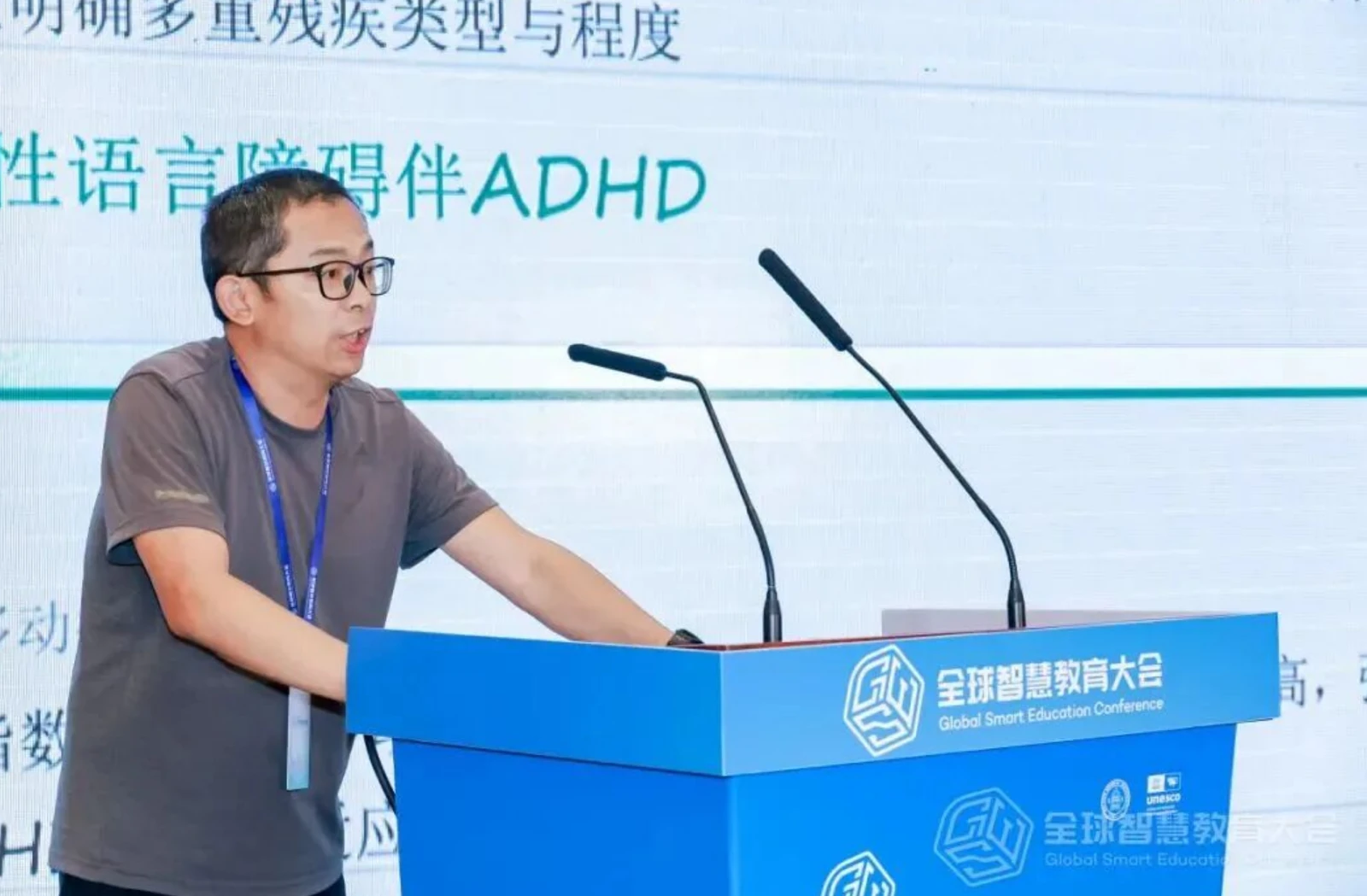
Wang Jianguo, a teacher at Baotou Special Education School, shared a case-support method combining clinical diagnosis with smart-platform assessment. Screening, assessment, IEP development, individual instruction and evaluation form a cycle linking environmental adjustments, targeted training, curriculum integration and home–school cooperation. He reported improved participation through sustained support. This article retains the educational method without republishing the student’s personal health details or individual assessment scores.
International cooperation and shared resources
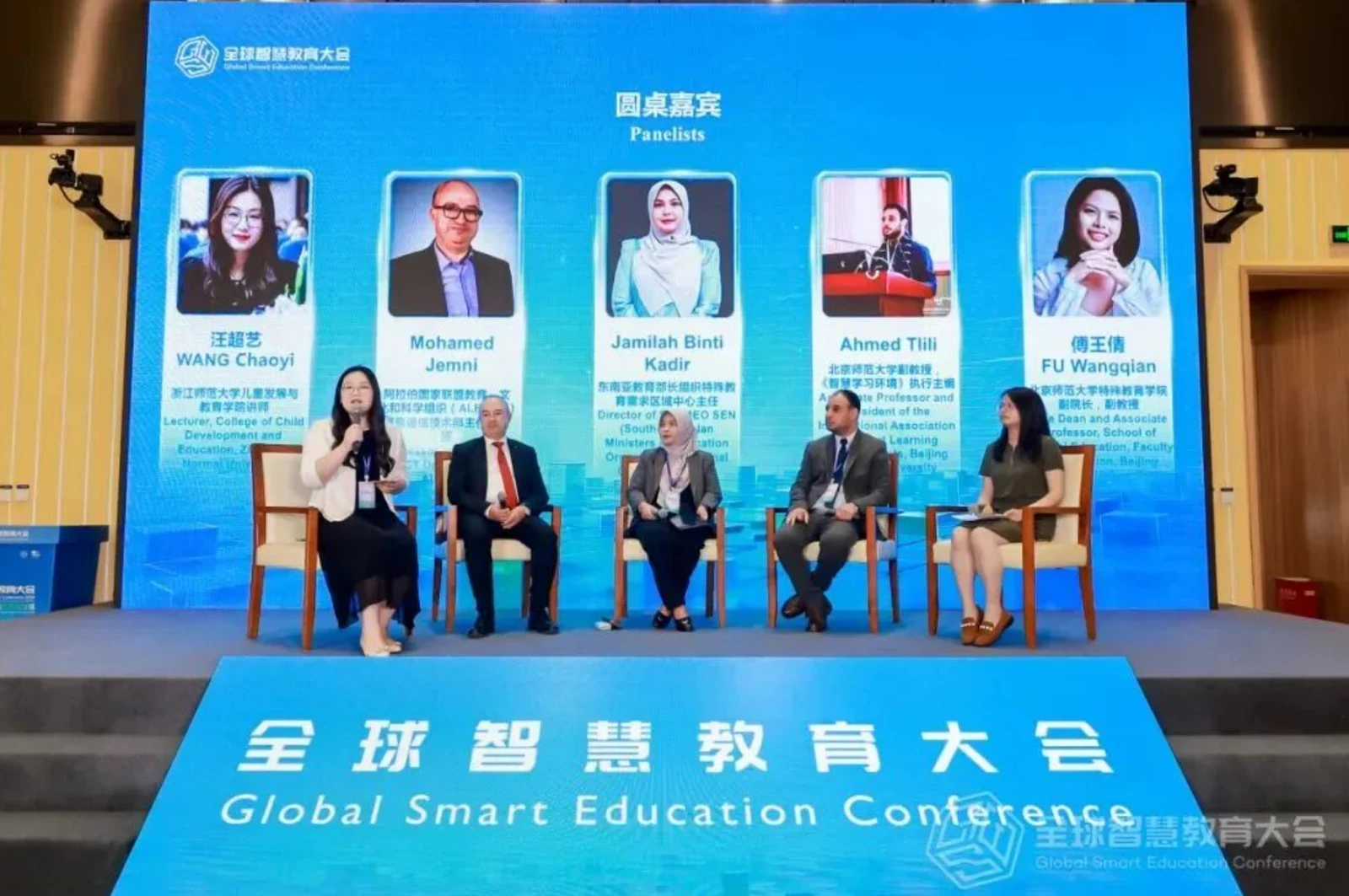
Wang Chaoyi of Zhejiang Normal University moderated a roundtable with Mohamed Jemni, Ahmed Tlili, SEAMEO SEN Director Jamilah Binti Kadir, BNU School of Special Education Deputy Dean Fu Wangqian and other participants, exploring what AI can and cannot do for special education.
Participants argued that AI can support learning and reduce teachers’ workload, while teachers’ judgement and learners’ development remain essential. International cooperation should underpin inclusive education through three priorities:
- Raise awareness of inclusion across society.
- Develop and share open datasets and open educational resources.
- Build international, interdisciplinary and cross-sector networks so technology and ethics advance together.
Laboratory visit and related reading
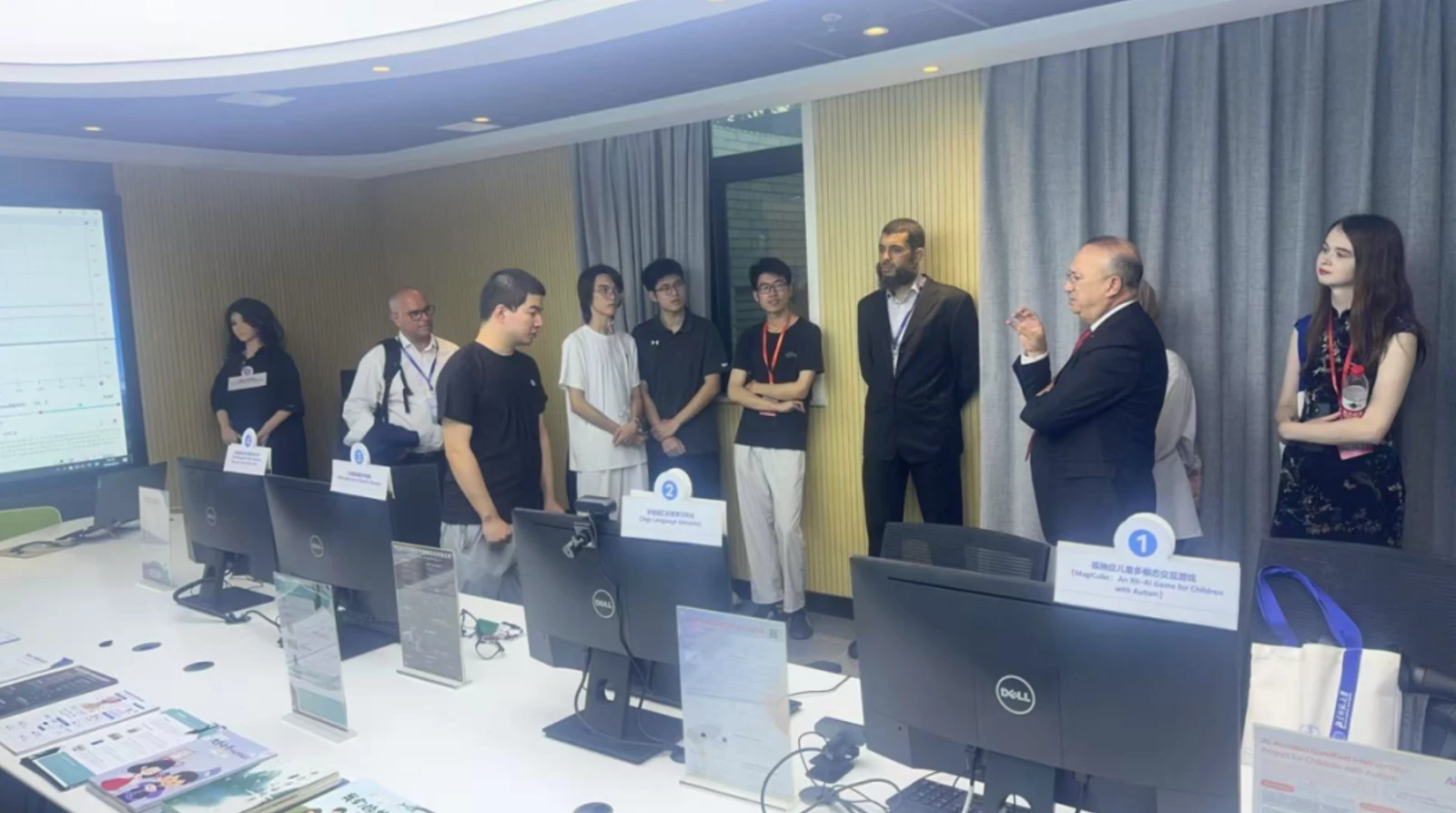
Afterwards, participants visited BNU’s joint laboratory to see research and demonstration applications. The forum connected school practice, technology design, ethical governance and regional cooperation, supporting exchange among Asia-Pacific, Arab-region and other partners.
Jemni emphasised that human values and dignity should guide AI’s educational future, with technological development judged against the commitment to leave no learner behind.
Editorial note: this article is based on SLI’s complete official report and retains all fifteen source images. Statistical years and populations are clarified, and institutional sources establish the laboratory’s partnership status. School and technical data remain attributed to their presenters; the student case retains educational methods only.
Related reading: the 2026 International Day of Sign Languages event and seminar on AI and special education.
Original link: https://aiedchair.bnu.edu.cn/news-ai-special-education-accessible-learning-gse2026-en/