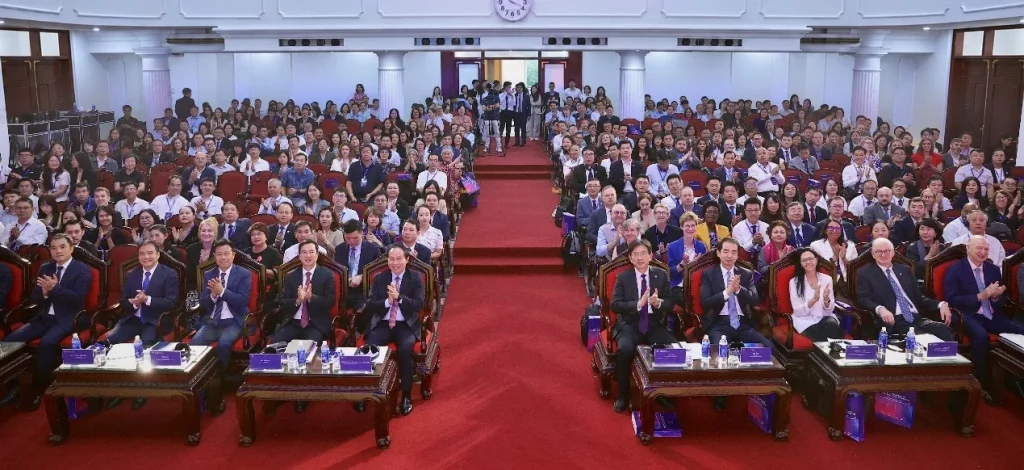
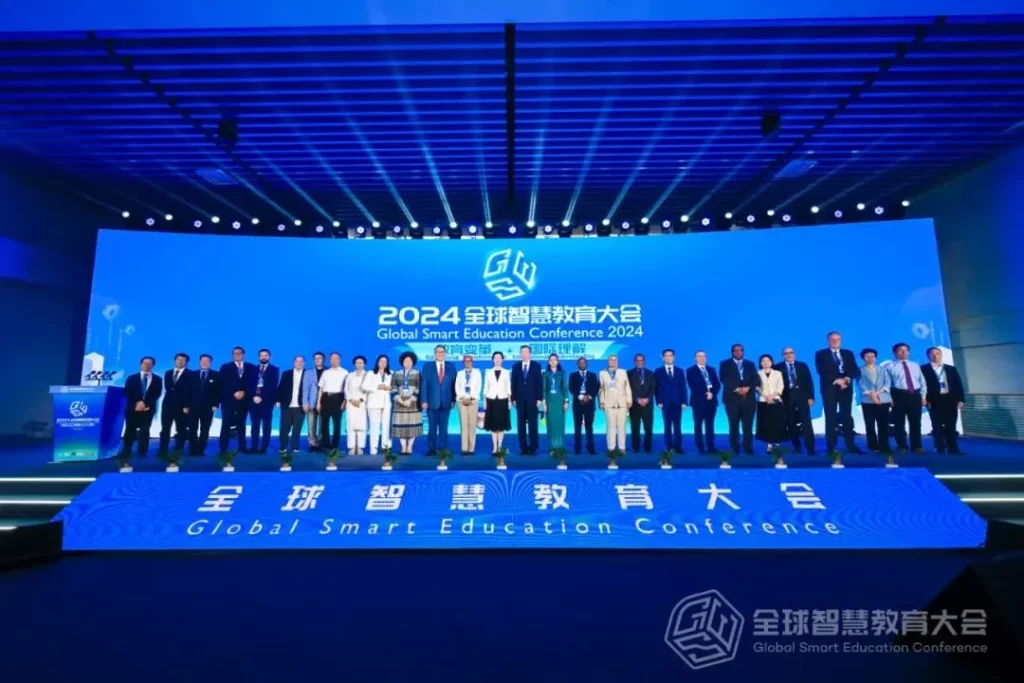
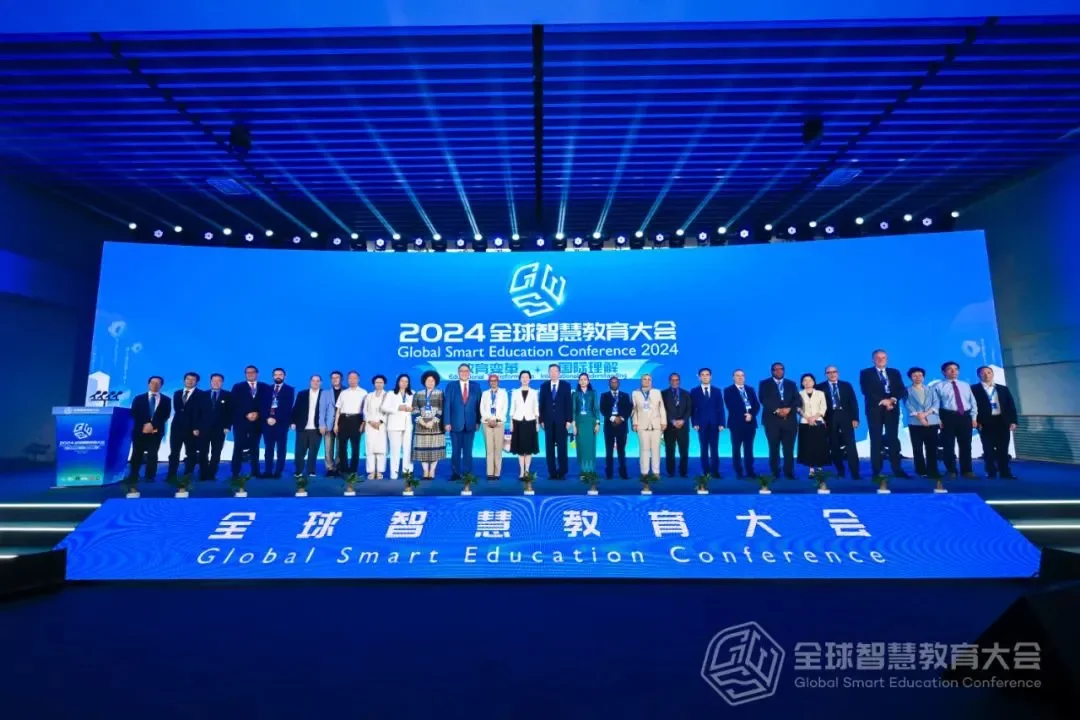
The Global Smart Education Conference 2024 opened in Beijing on 18 August under the theme “Educational Transformation & International Understanding”. Experts, scholars and practising teachers from education, technology and business discussed digital strategies, pathways and challenges, alongside new theories, technologies, perspectives and results. The opening report recorded more than 400 invited participants from China and abroad and over 1,500 on-site delegates; these overlapping categories should not be added together.
Policy and strategy for sustainable smart education
The UN Transforming Education Summit identified digital learning as one of five action tracks. The conference highlighted the need for governments, policymakers, schools and researchers to develop education systems together, with forward-looking strategies and planning that support sustainable smart education.
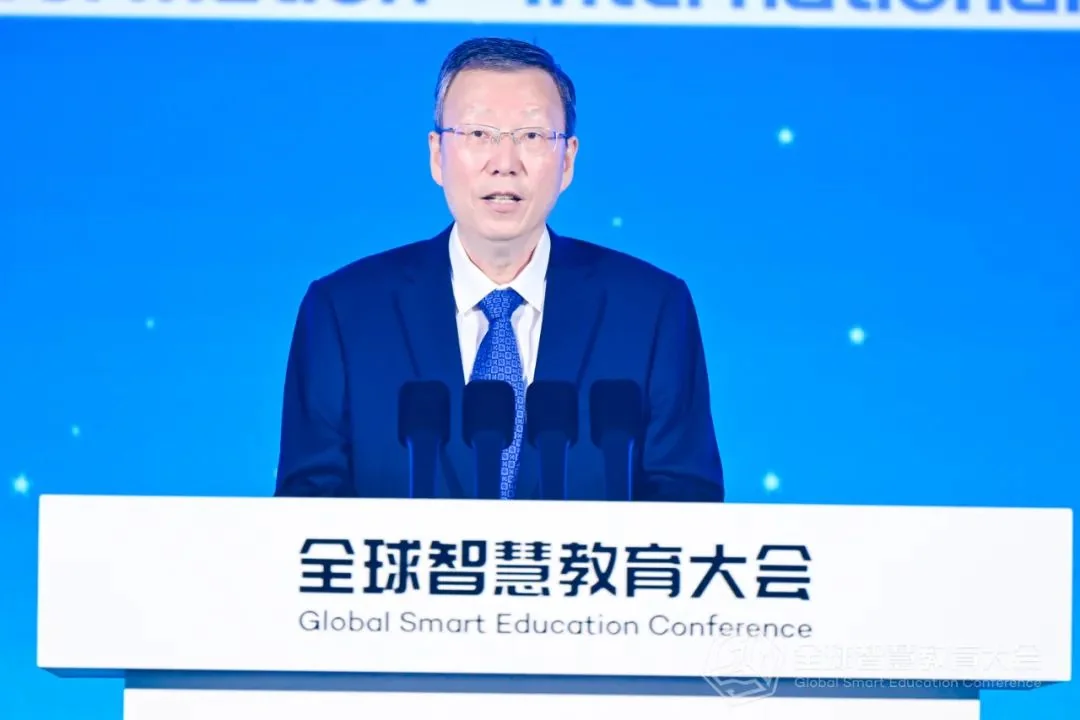
Wang Jiayi, China’s Vice Minister of Education, described three consecutive years of the national strategic action for educational digitalization. An application-first approach and the principles of integration, intelligence and internationalization guided development of the national smart education platform. Generative AI, he said, showed the potential to change production, daily life and education, bringing new opportunities for human–machine collaboration. He proposed:
- Strengthen policy dialogue through shared platforms covering ideas, experience, strategies, planning, standards, data governance, security and ethics, and explore practical pathways, scientific methods and effective policies.
- Share quality resources across borders so that educational digitalization benefits every learner.
- Build capacity while respecting teachers’ agency in human–AI collaboration, keeping student development central and enabling technology to serve teachers.
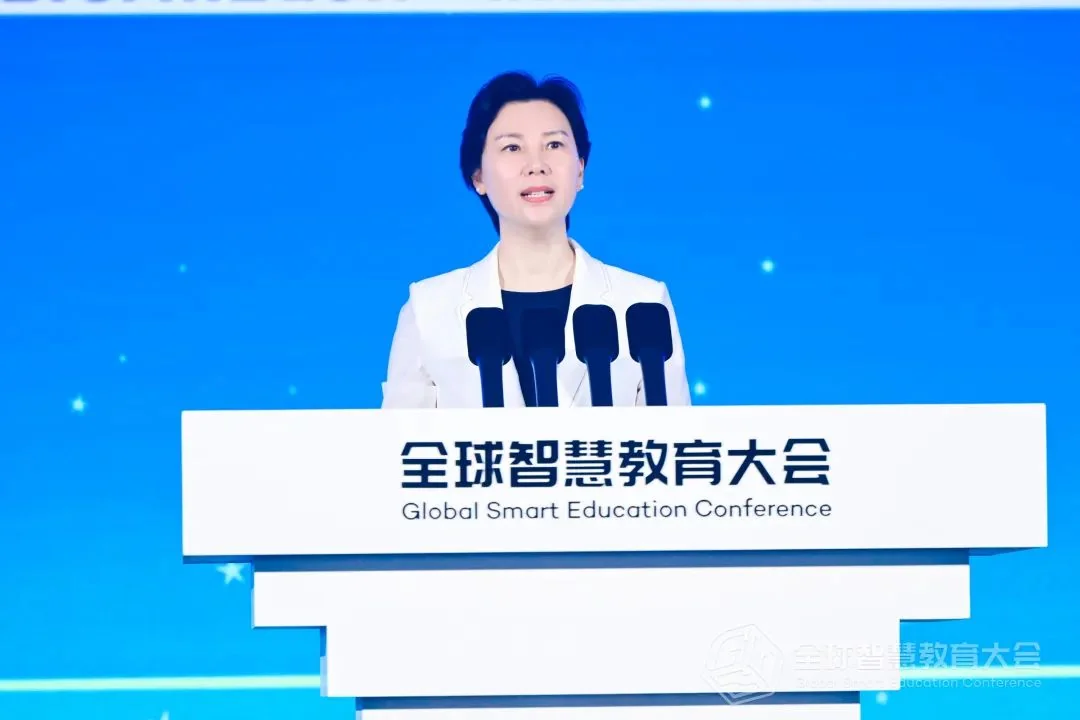
Yu Jihong, President of Beijing Normal University (BNU), described AI as a driver of scientific and industrial change. BNU had implemented a demonstration strategy for educational digitalization and an Internet Plus Education action plan, advanced its teacher-education mission and teacher development in less-developed central and western regions, and undertaken the secretariat work of the World Digital Education Alliance. It promoted resource sharing, connectivity and global partnerships. Calling for international dialogue and practical cooperation, she advocated:
- Put learners’ rounded and free development first and cultivate competencies for an intelligent era.
- Address practical problems, improve application models and develop new educational scenarios.
- Combine enduring educational principles with innovation and reconstruct teachers’ professional competencies.
International understanding and educational equity
UNESCO’s call for a new social contract for education frames digital technology as a means to advance education as a global common good. Participants discussed international cooperation towards Education 2030: inclusive and equitable quality education and lifelong learning for all, supported by exchange and mutual understanding.
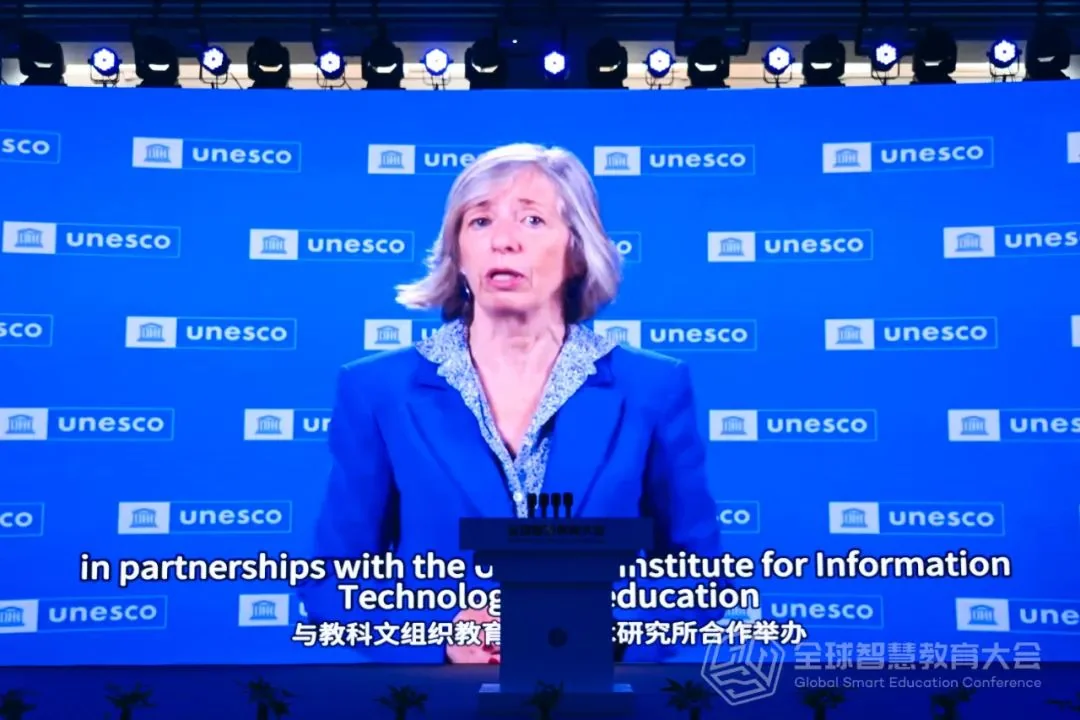
Stefania Giannini, UNESCO Assistant Director-General for Education, addressed the conference by video. She emphasized educational transformation and international understanding, outlined UNESCO’s work on digital education and its socioeconomic implications, and welcomed wider participation across the UNESCO community in cooperation and innovation for peace, equity and sustainability.
Maryam Mariya, Maldives Minister of Higher Education, Labour and Skills Development, said the integration of AI and education would affect teaching and society. Despite geographically dispersed islands, the Maldives was pursuing planning and expanded online learning platforms to improve inclusion and innovation, make every island a learning centre, and strengthen global educational cooperation and sharing.
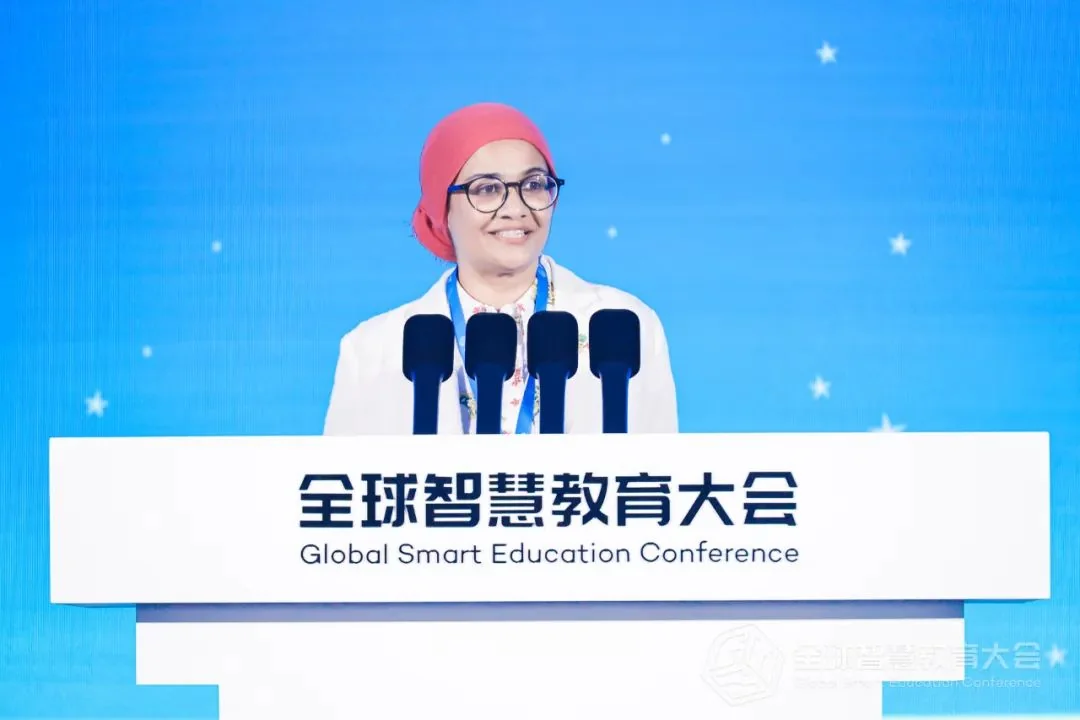
Justin Valentin, Seychelles Minister of Education, outlined progress and challenges in smart education. He emphasized technology in educational administration and classrooms, cross-departmental cooperation for distance and open learning, and wider access, while seeking further international cooperation and support.
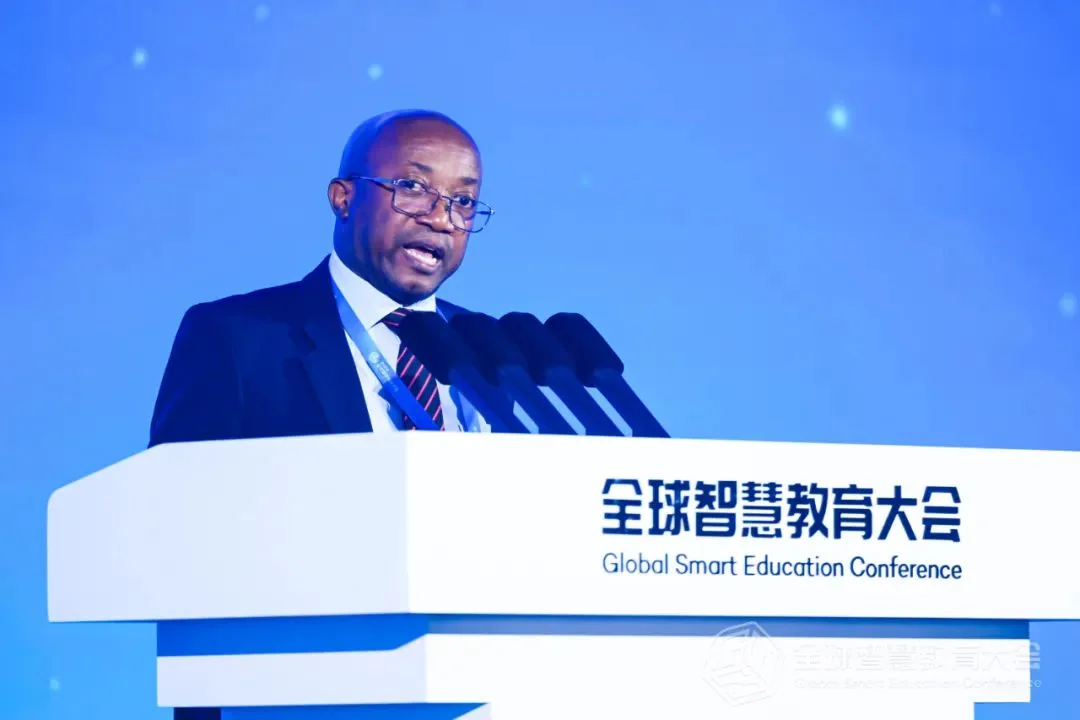
Lucas Dawa Dekena, Papua New Guinea’s Minister for Education, described smart education as a way to bridge technology gaps and advance equity and inclusion. Digital infrastructure, updated curricula, distance education and STEM education were among the approaches being pursued to improve quality.
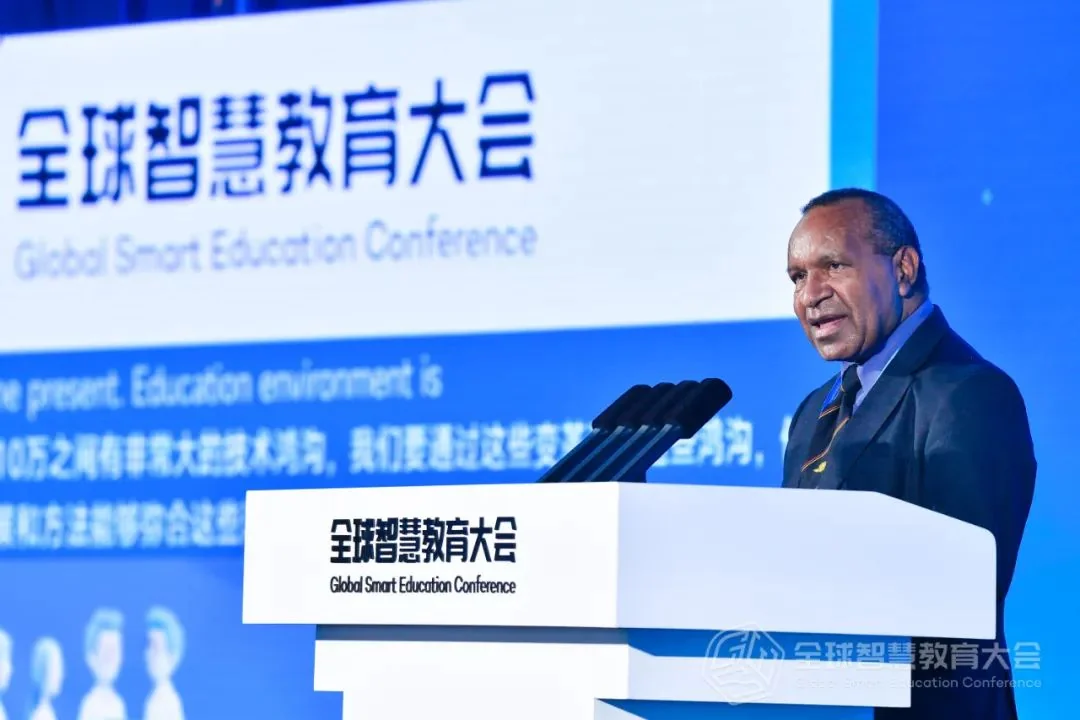
Kilo Vivian Asheri, Secretary of State at Cameroon’s Ministry of Basic Education, discussed achievements and challenges in digital reform. She outlined a range of strategies to prioritize digital competencies and help education respond to a digital society.
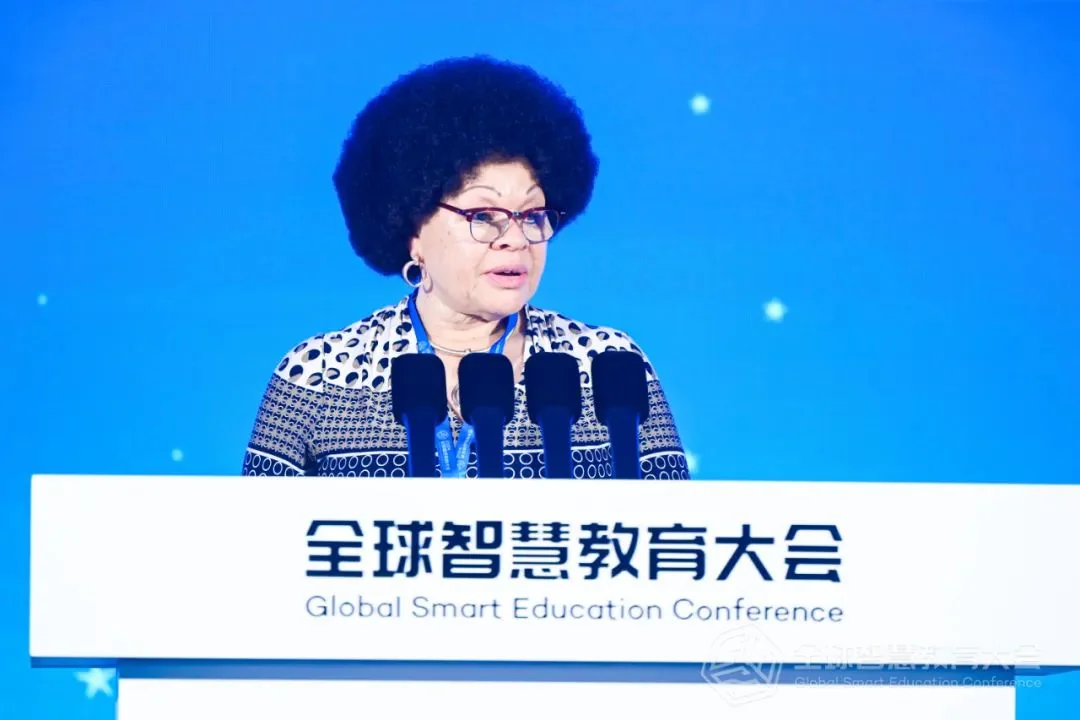
Bo Chankoulika, Cambodia’s Under Secretary of State for Education, Youth and Sport, stressed that rapid technological and social change required education systems to adapt. Learners needed adaptability, collaboration, critical thinking and digital skills. Cambodia sought global partnerships to advance smart education.
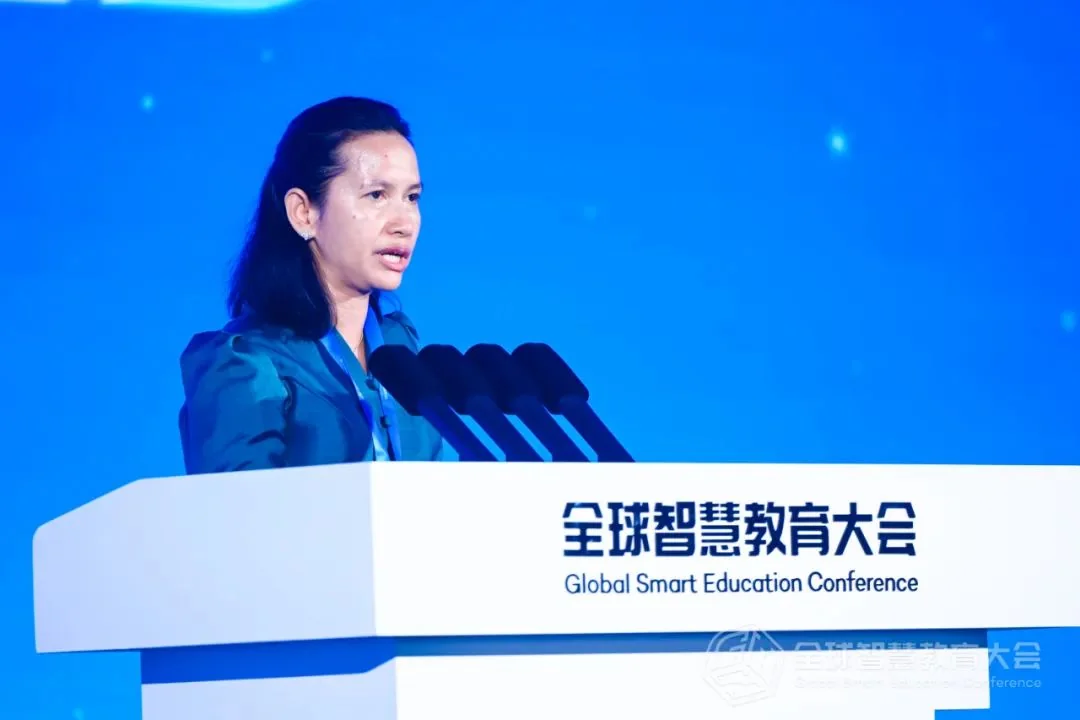
Adnan Husić, Assistant to the Minister of Civil Affairs of Bosnia and Herzegovina, discussed digital technology’s contribution to quality, equity and essential student skills. He called for sustained investment in infrastructure, partnerships and action on digital divides to build a resilient, future-oriented education system.
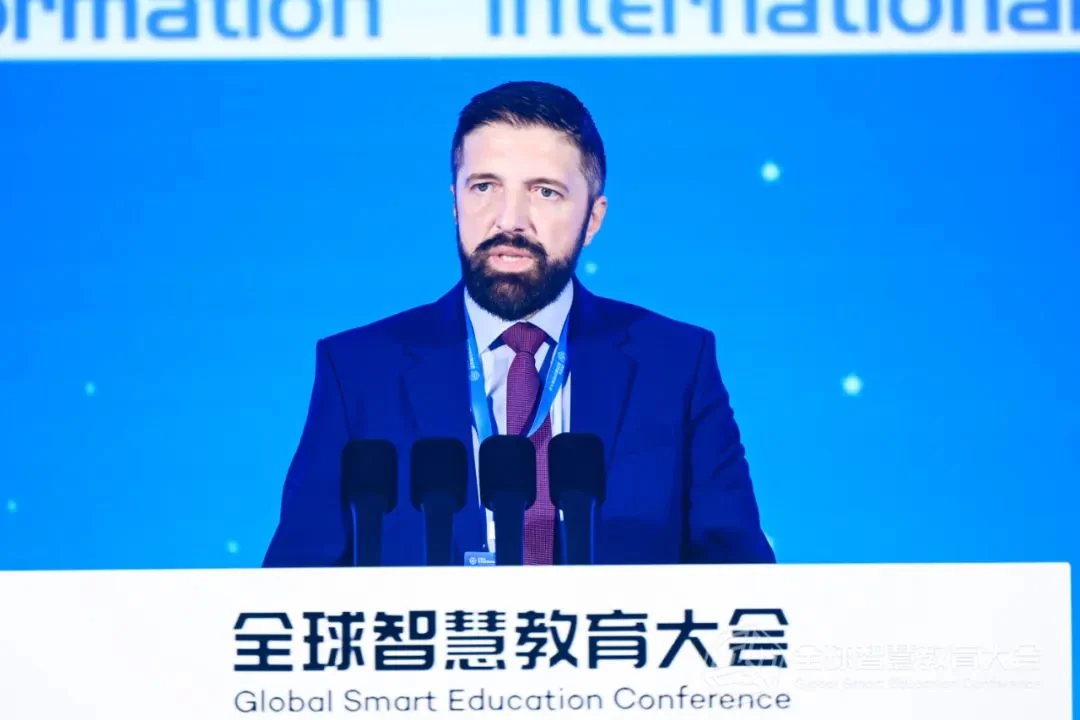
Mohamed Jemni, Director of the ICT Department at the Arab League Educational, Cultural and Scientific Organization (ALECSO), participated as the authorized representative of Director-General Mohamed Ould Amar. He discussed classroom digital tools, access to knowledge, innovative teaching and AI applications, as well as books co-published with BNU’s Smart Learning Institute, and proposed deeper Arab–Chinese research and cultural cooperation.
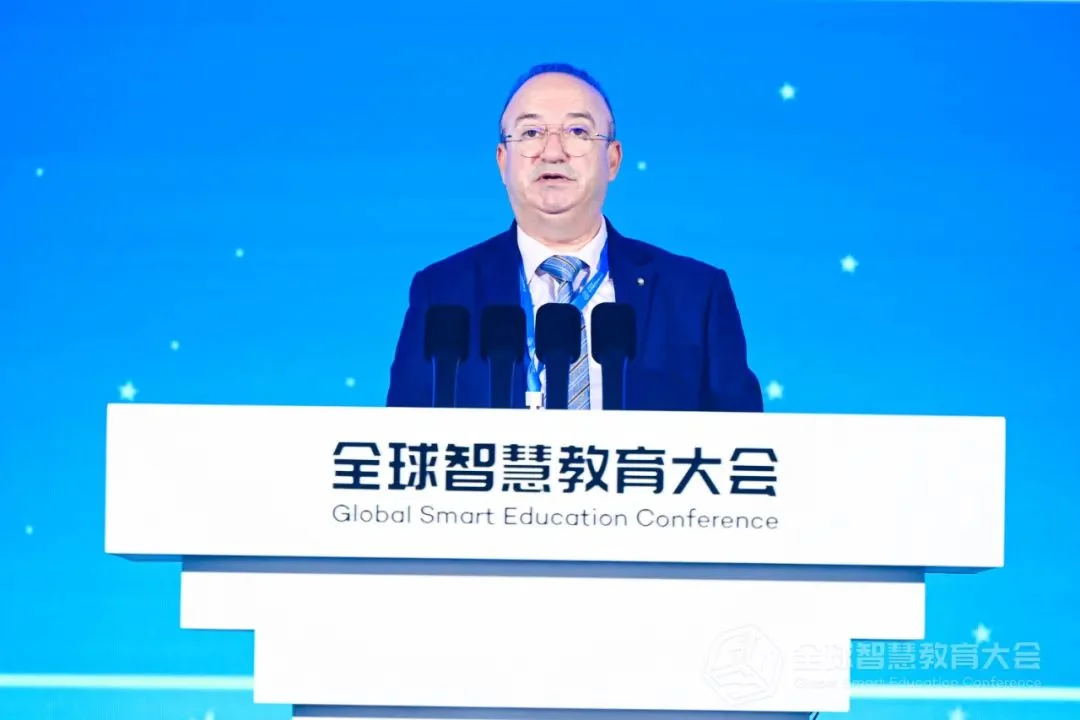
Intelligent technology, talent development and special educational needs
Discussions on the integration of education, science and technology considered how evolving intelligent ecosystems could support students’ adaptive development, teachers’ professional learning and innovative practice. Keynotes addressed virtual reality, trustworthy AI, higher education, young people’s development and regional platform use.
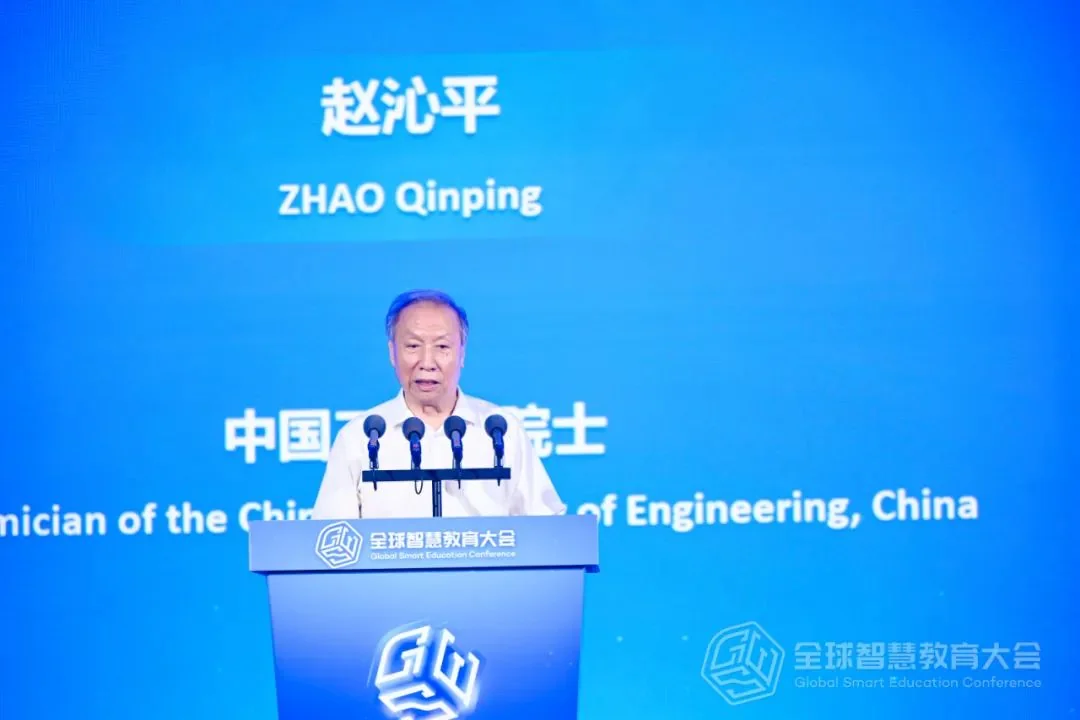
Zhao Qinping, Academician of the Chinese Academy of Engineering, spoke on VR 2.0, Internet 3.0 and educational digitalization. Education’s demand for integrated virtual and physical spaces, he argued, called for progress beyond VR 1.0 towards six characteristics: immersion, interaction, imagination, intelligence, interconnection and iteration. Advances in the Internet, augmented reality and extended reality (XR), together with sustained systems development, required cooperation between technical specialists and educators.
Amal El Fallah Seghrouchni, Executive President of the Moroccan International Center for Artificial Intelligence, discussed “Trustworthy Artificial Intelligence for Education: Benefits and Challenges”. Alongside educational potential, she considered reliability, governance, ethics and social acceptability, advocating a balance between innovation and regulation in support of sustainable education.
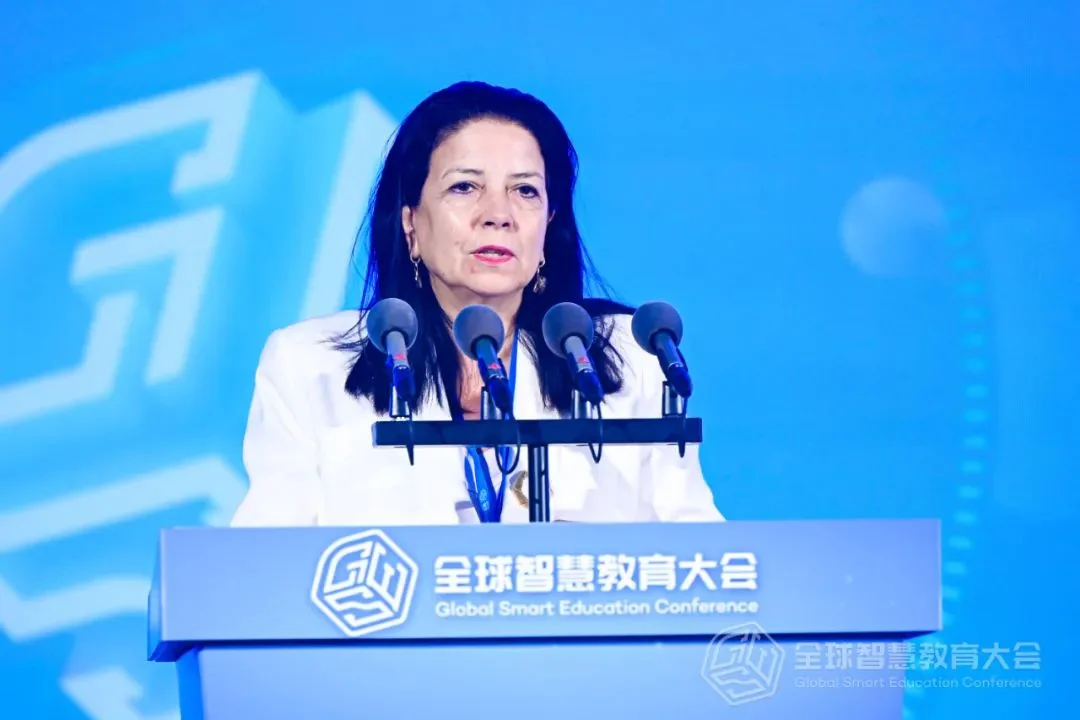
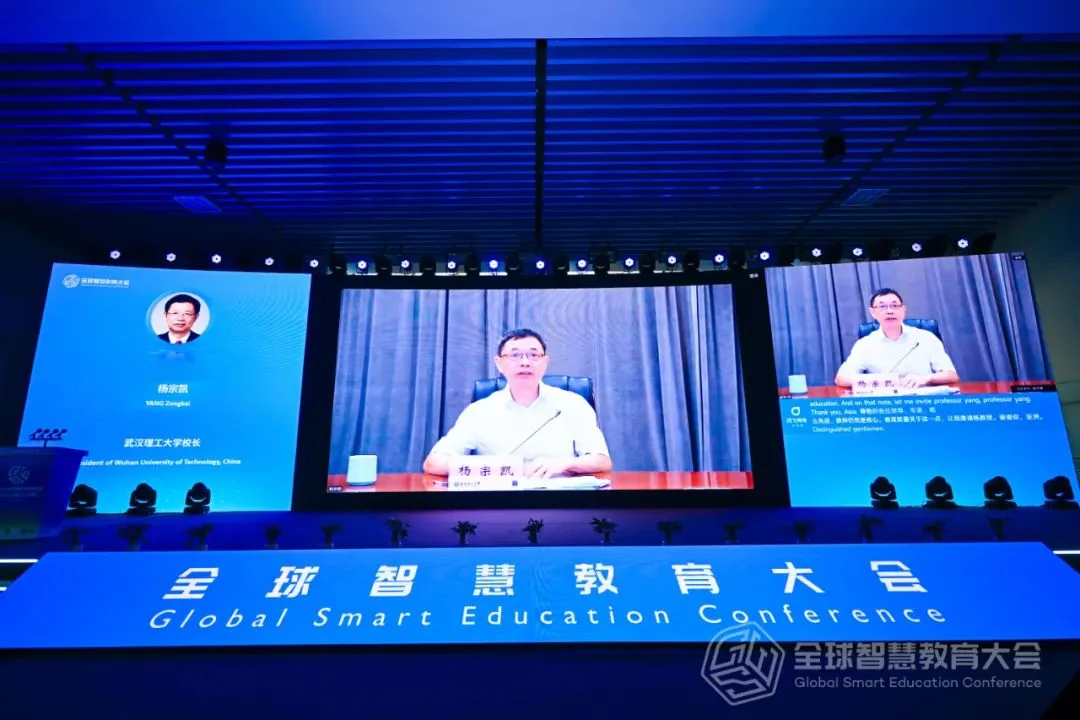
Yang Zongkai, President of Wuhan University of Technology, spoke online about new pathways for educational digitalization. He distinguished enduring educational purposes, including ethical development, from changing industrial-age models. Environments, teacher competencies, teaching methods, resource provision and assessment all required attention. He presented the university’s “5·30” talent-development plan: 30 actions covering new standards, drivers, models, systems and culture.
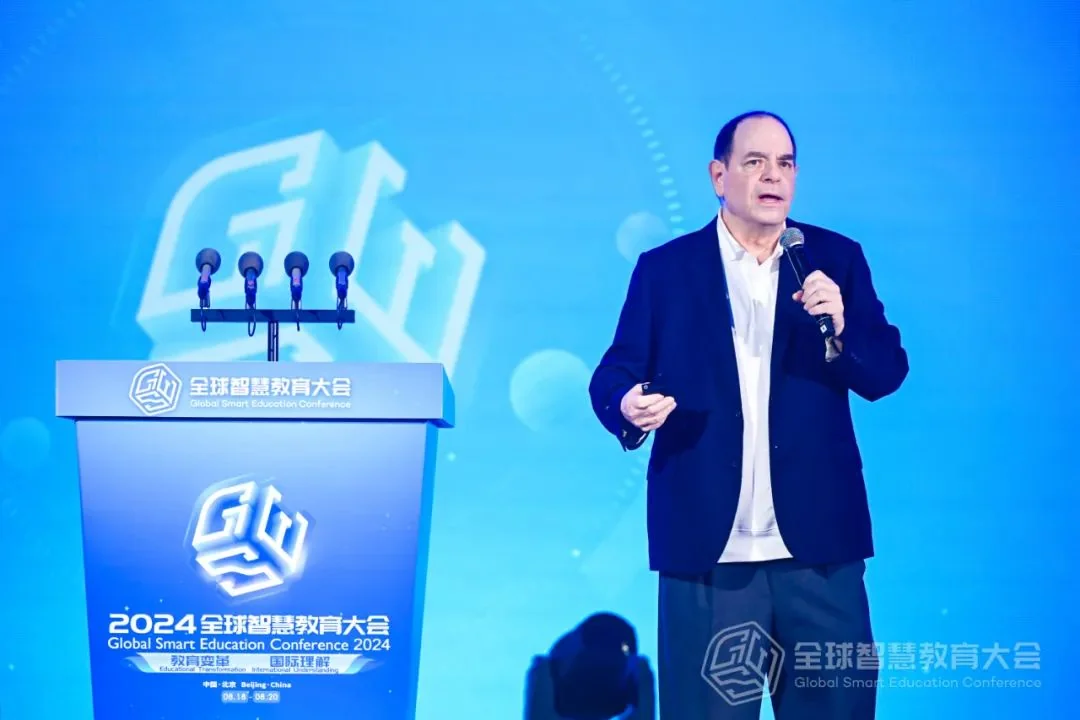
Speaker, author and consultant Marc Prensky presented “THIRD MILLENNIUM KIDS: A Hell Yes! Low Stress Guide for Everyone”. The ideas discussed in his presentation included:
- Achieve positive results in the real world.
- Seek the essence of things and the truth.
- Practise L.E.G.O.: love, empathy, gratitude and optimism; and T.R.I.C.K.: trust, respect, independence, collaboration and kindness.
- Adapt continually to change.
- Self-educate to develop individual strengths and uniqueness.
- Develop a sense of global citizenship.
- Explore becoming a “symbiotic human hybrid” in a relationship with technology.
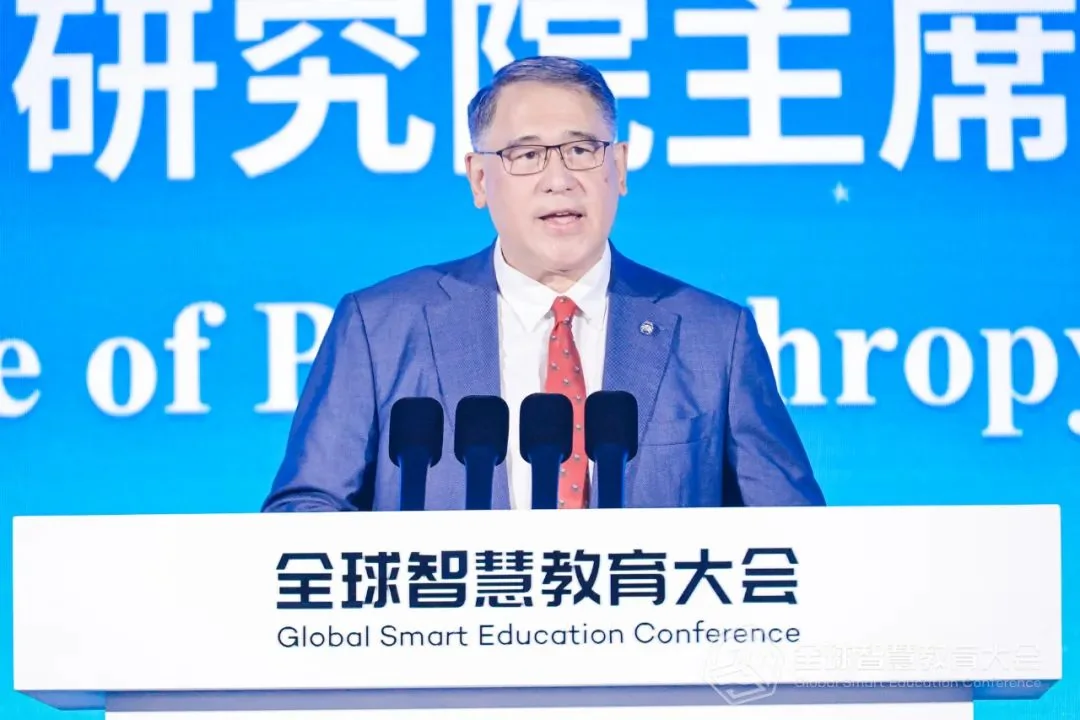
Lester G. Huang, Steward of the Hong Kong Jockey Club, Chairman of the Institute of Philanthropy and Council Chairman of City University of Hong Kong, described support for educational and technological transformation. Cooperation with Hong Kong educators and schools included quality resources and the AI for the Future programme. He highlighted special educational needs and technology-enabled support for students with learning disabilities, with quality education for every learner as the aim. He also advocated connecting Asian practice with global philanthropy through academic exchange, talent development and shared best practices.
Gan Changfu, Deputy Director-General of the Qinghai Provincial Department of Education, presented the province-wide pilot of the national smart education platform for primary and secondary schools. Digital and intelligent productive capacity, he said, was important to regional development. He described high-level coordination, quality implementation, strategic planning and effective support, and plans for a national educational digitalization experimental zone, wider platform use and stronger teacher competencies. These plans are reported as presented in 2024.
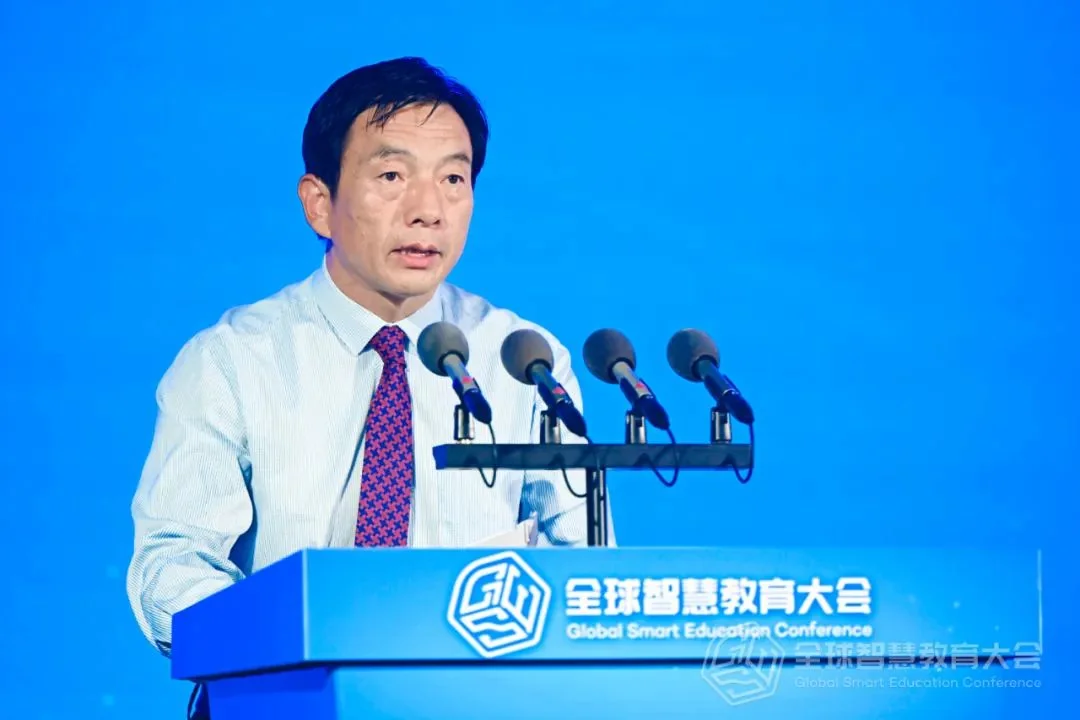
Research findings and shared understanding
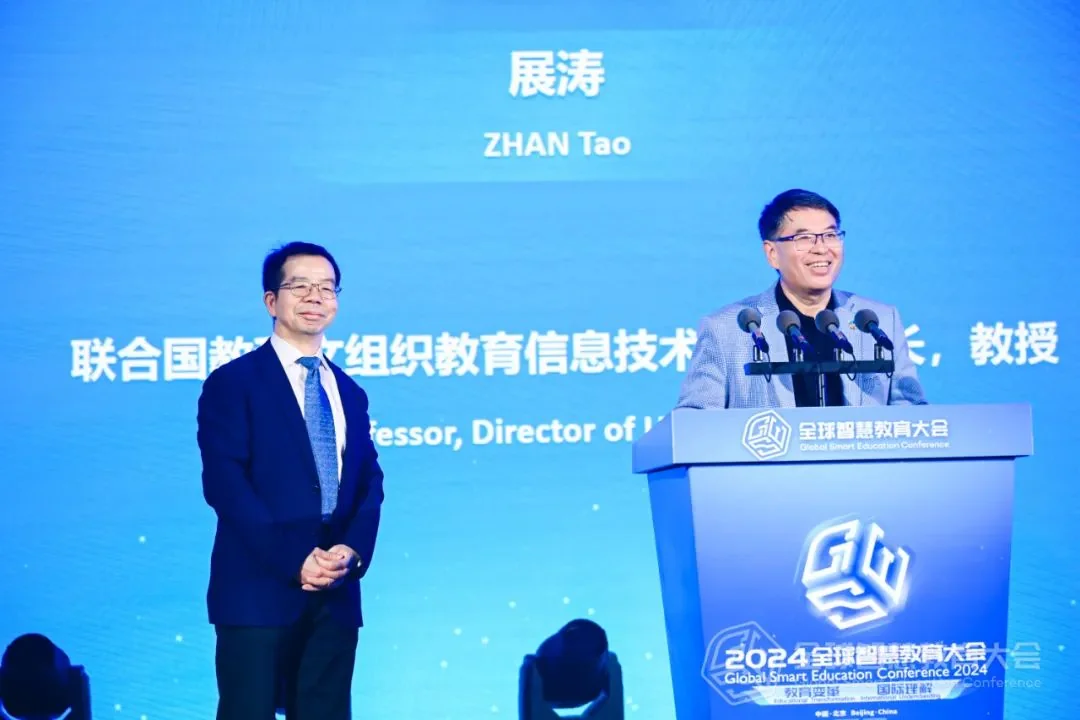
Huang Ronghuai, Co-Dean of BNU’s Smart Learning Institute, and Zhan Tao, Director of UNESCO Institute for Information Technologies in Education (UNESCO IITE), launched “Global Understanding of Smart Education in the Context of Digital Transformation” on behalf of the Global Smart Education Network (GSENet). The subsequent official conference synthesis records Zhan’s account of 15 members gathered during the network’s first two years, alongside its commitment to remaining open and pursuing sustainable development together.
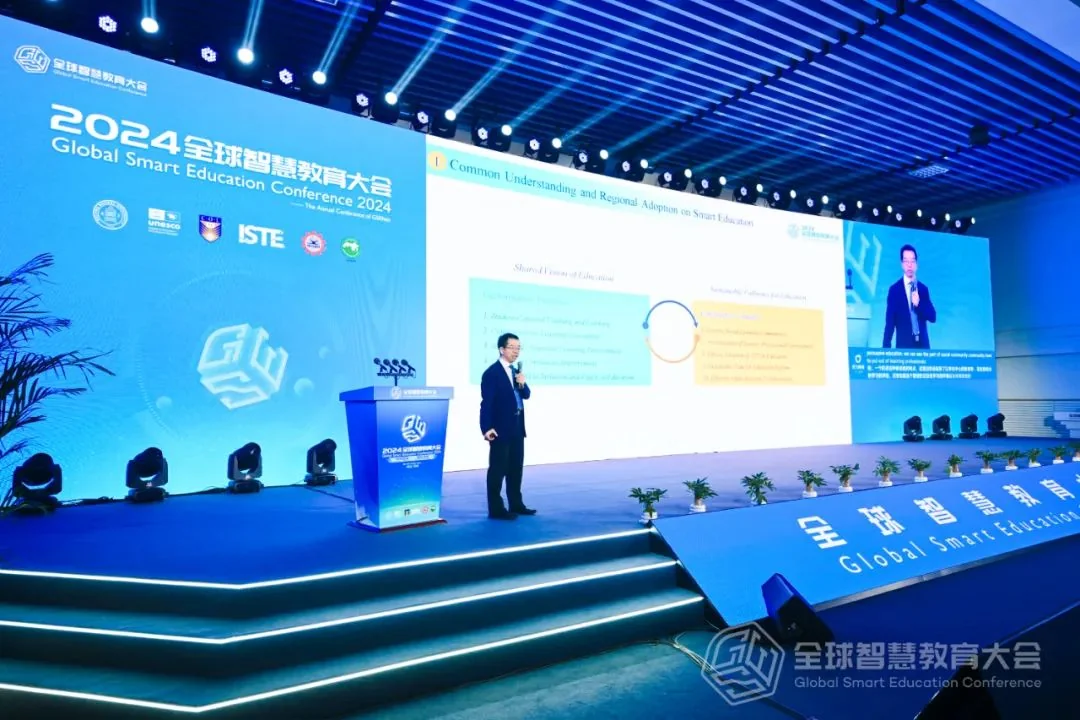
Huang described consultation with educators, policymakers and scholars worldwide, analysis of digital education policies in 48 countries and their relationship with educational quality, discussions on inclusion and equity involving more than ten countries, and continuing case studies. The report sought shared international understanding and presented five findings:
- Smart education is emerging as a shared strategic vision for responding to AI-era challenges and achieving quality education.
- Performative features encompass learning, assessment, infrastructure, sustainability and equity; constructive features encompass students, teachers, digital technologies, policies and partnerships. Together they outline a vision of quality education.
- Digital education policies should sustain infrastructure development and prioritize human capacity for a high-quality, inclusive and sustainable ecosystem.
- The global smart education dataset links sustained reform planning, cross-sector and cross-domain collaboration, ubiquitous learning environments and inclusion with educational quality; this formulation does not establish causation.
- Education 2030 calls for attention to digital access outside school, school digital-leadership training, adaptive learning resources and forward-looking reform.
The opening report also announced the following forthcoming outcomes. Translated titles are provided to help readers identify the works:
- Intelligent Transformation of Educational Resources: “Photosynthesis” Educational Resource Units
- Building a Multimodal, Tiered Intervention System for Adolescent Mental Health
- Large-Model Smart Classroom Monitoring Platform and Guide to Building an Integrated Three-Dimensional Teaching Environment
- Research Report on Smart Education Development in National-Level New Areas
Moderators and the subsequent programme
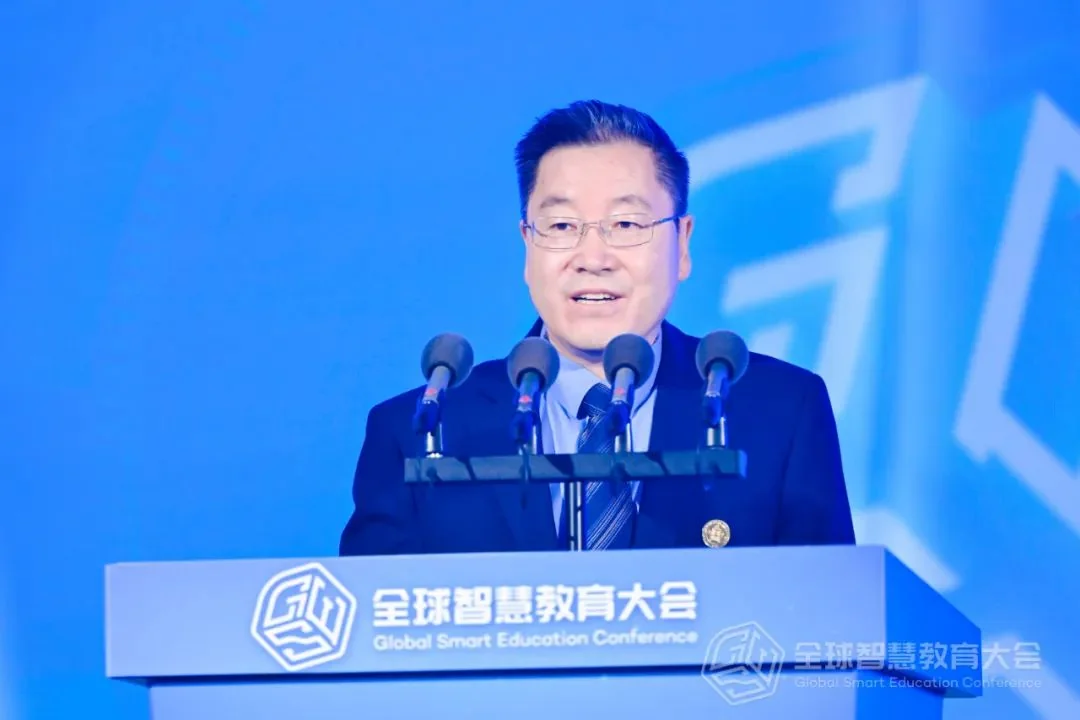
BNU Vice President Zhou Zuoyu moderated the opening ceremony and high-level dialogue. Asha S. Kanwar, Chair of UNESCO IITE’s Governing Board and Chair Professor at BNU’s Smart Learning Institute, moderated the plenary on educational futures and digital transformation. Roles are stated as recorded in the 2024 conference materials.
The programme announced at the opening on 18 August scheduled the conference through 20 August, with 16 forums and 11 thematic activities overall. The subsequent forums on 19–20 August included:
- Digital transformation of K–12 education and future schools
- Smart campuses, learning environments and digital infrastructure
- AI for comprehensive student assessment and evaluation
- Digitalization for regional educational development
- Development and use of digital textbooks
- Smart learning in early childhood care and education
- AI-driven innovation in higher education
- AI and the future of teaching
- Smart villages and education for rural transformation
- Integration of education, technology and industry
- Digital education and lifelong learning
- Innovation, research and best practices in smart education, followed by the closing ceremony
Concurrent thematic activities included the following. The Smart Education Exhibition was to showcase current products and services in the field:
- Closed round table on women’s leadership in the age of AI
- Closed round table on China–Africa–Small Island Developing States cooperation in smart education
- GSENet Partners’ Meeting
- UNESCO IITE Governing Board Meeting
- Regional leadership round table on educational technology industry development
- Work conference on intelligent learning environments in alliance schools and districts
- Student forum on youth intelligence and future education innovation
- Student forum on smart learning and future education design
- Final review of the seventh Global Competition on Design for Future Education, K–12 track
- Leadership workshop for Southeast Asian technical and vocational education institutions
- Smart Education Exhibition
Organizers, co-hosts and supporting partners
BNU and UNESCO IITE jointly organized the conference. Co-hosts were BNU’s Smart Learning Institute, Faculty of Education, Faculty of Psychology, China Institute of Education and Social Development, and National Engineering Research Center of Cyberlearning and Intelligent Technology.
Supporting partners included ALECSO, the Commonwealth of Learning (COL), the International Society for Technology in Education (ISTE) and the Southeast Asian Ministers of Education Organization (SEAMEO). Support also came from the Hong Kong Jockey Club Charities Trust, NetDragon Websoft, iFLYTEK, Jing Shi Rui Dao, China Reform Culture, UNISEDU, Onion Academy, Hailiang Technology, Tencent Education, kingsha.com, 17 Education & Technology Group, OUR SCHOOL and Pearson.
Sources and archive notes
This page brings together the site’s existing Chinese and English archive reports, checked against the Smart Learning Institute’s opening report and illustrated with photographs from BNU News. The official conference synthesis was used to check figures, concepts and historical roles. All photographs are from BNU News and follow the order of presentations and agenda items.
The original Chinese date of 18 August 2024 at 20:00 and English date of the same day at 18:00, together with both titles and URLs, are retained. Two repeated passages were removed. The original figure of 50 GSENet members was corrected to 15 using the later official synthesis; T.R.I.C.K. was corrected to trust, respect, independence, collaboration and kindness. The programme clarifies ALECSO’s authorized representative and Kanwar’s role. Attendance figures and future agenda items retain the opening report’s historical frame.
Original link: https://aiedchair.bnu.edu.cn/enhancing-international-understanding-in-smart-education-and-deepening-digital-transformation-in-global-education-the-global-smart-education-conference-2024-opened-in-beijing/