Historical collection, published on this site in August 2024. This page presents nine paper titles, authors and links to their original Chinese articles; it does not reproduce the full text of those nine papers.
Article contents
About the special issue
As data become increasingly important, AI has become a new starting point for computational thinking education. At this critical juncture, China Information Technology Education (中国信息技术教育) produced a special issue presenting outstanding work from the 8th APSCE International Conference on Computational Thinking and STEM Education (CTE-STEM 2024). It aimed to show how teachers at different educational stages understand, research and practise computational thinking, offering approaches readers can adapt and put into practice.
About the conference
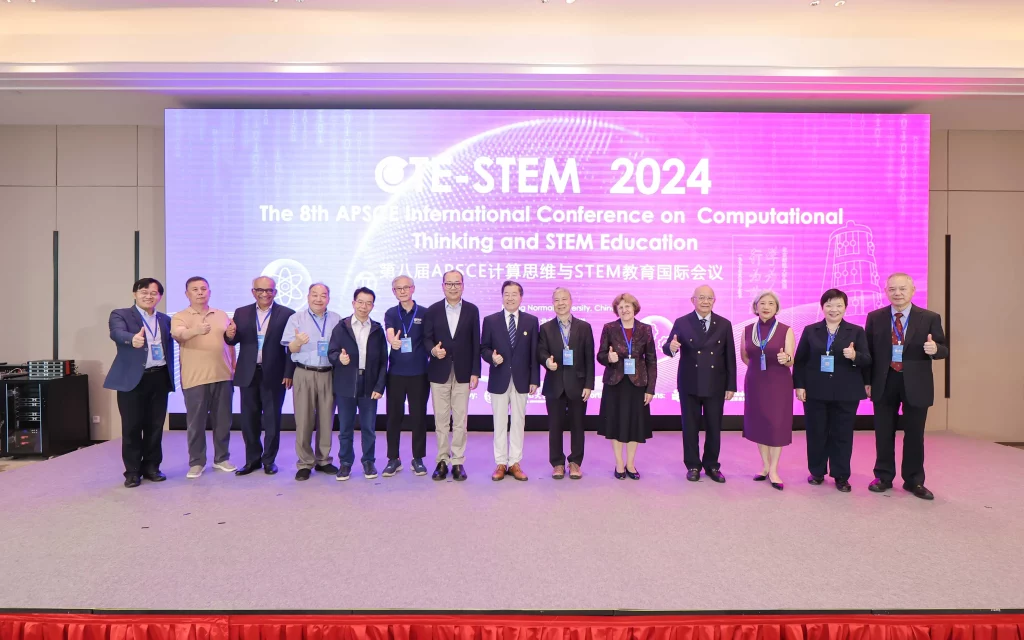
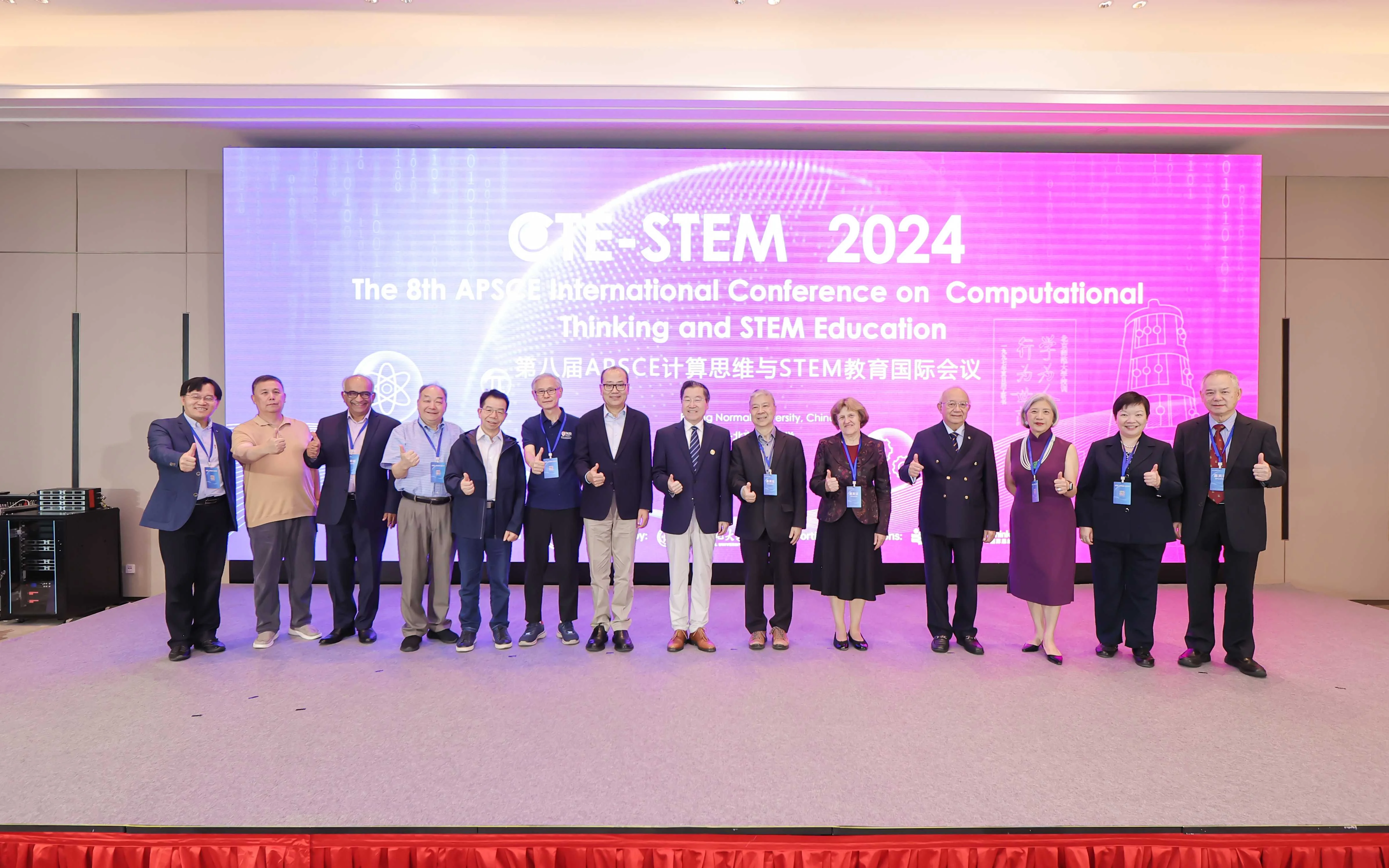
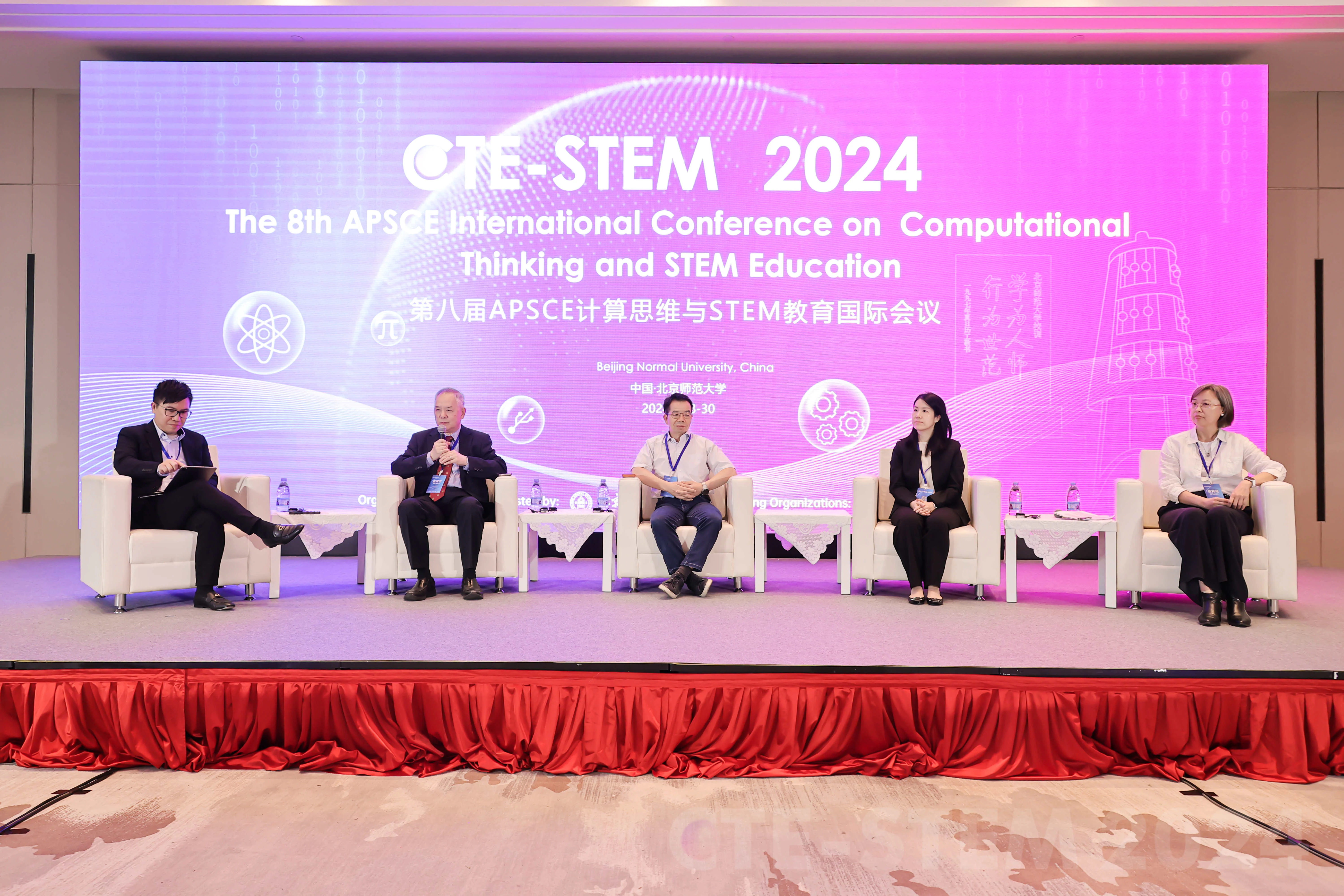
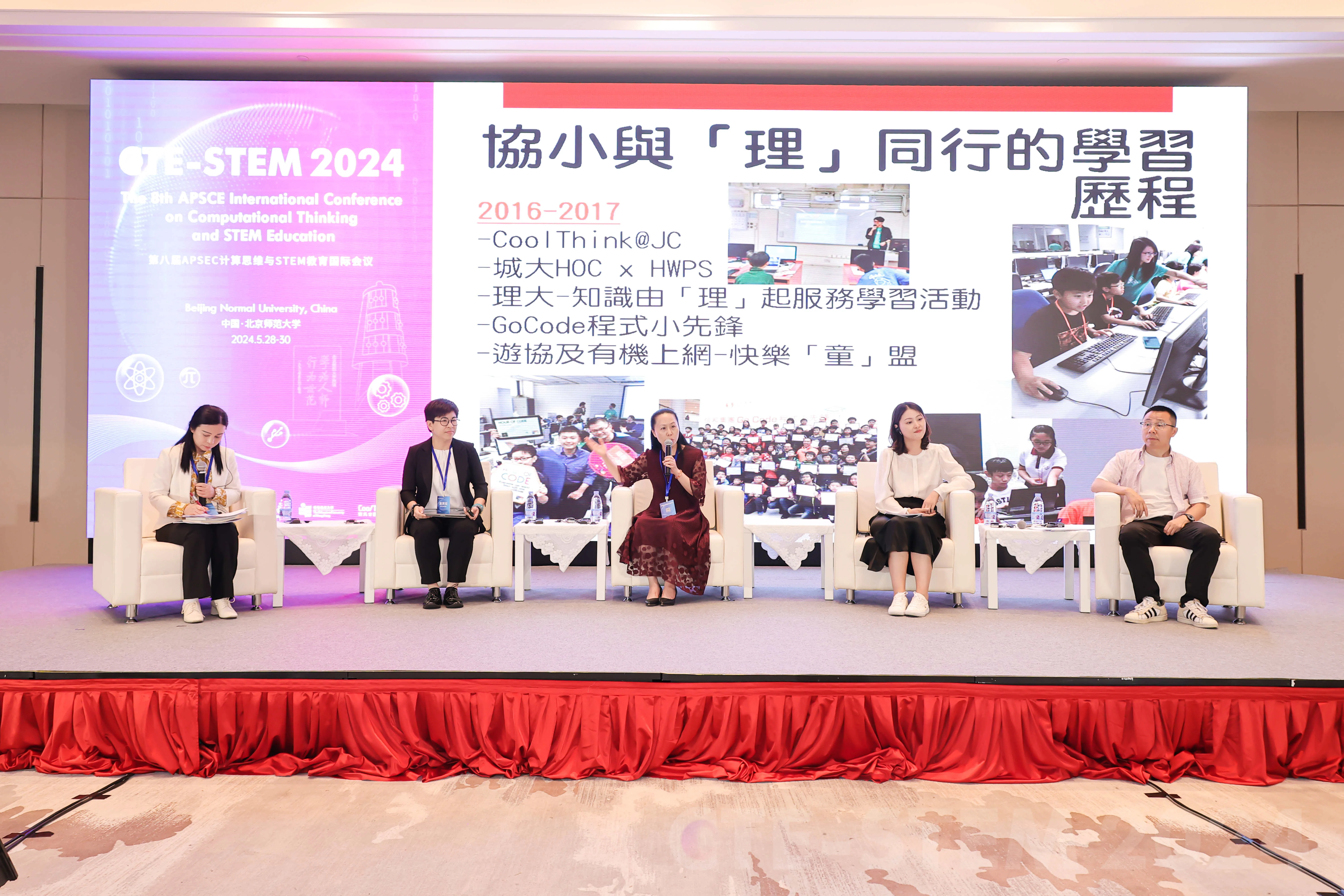
In May 2024, the 8th APSCE International Conference on Computational Thinking and STEM Education (CTE-STEM 2024) took place at Beijing Normal University. Organised by the Asia-Pacific Society for Computers in Education (APSCE), the conference focuses on computational thinking and STEM education. Seven editions had been held successfully since 2017, building a broad influence in China and internationally.
Under the theme “Computational Thinking and Computing-related STEM Education”, the 2024 conference presented innovative research on foundational concepts, development pathways, key questions, new directions, computational thinking development, STEM education and computer technology.
The conference observed that increasing numbers of people were exploring the integration of computational thinking education with STEM education, moving towards computational thinking 2.0.
Nine selected contributions
1. Integration and Innovation: Towards Computational Thinking 2.0 — A Review of the 8th International Conference on Computational Thinking and STEM Education
Authors: Zhang Jinbao (张进宝) · Yu Hangling (俞杭伶)
2. A Comparative Study of the Effects of Block-based and Text-based Programming on Learners’ Programming Behaviour and Computational Thinking
Authors: Qi Zhanyan (戚展研) · Fu Yutong (傅雨彤) · Qian Yicheng (钱毅澄) · Sun Dan (孙丹) — corresponding author · Chee-Kit Looi (吕赐杰)
3. The Multilevel Experiences Teachers Create in Computational Thinking Instruction: A Phenomenological Exploration
Authors: Yu Hangling (俞杭伶) · Zhang Jinbao (张进宝)
4. Effects of Learning Scaffold Types on Academic Achievement and Computational Thinking among Students with Different Metacognitive Levels
Authors: Zhu Yudie (朱玉蝶) · Li Wei (李伟) — corresponding author · Liu Chengye (刘城烨) · Huang Jiyi (黄佶艺) · Li Wen (李雯) · Rong Jiankang (荣健康)
5. A Curriculum Standards-based Study of Computational Thinking among Lower-secondary Students
Authors: Jia Yu (贾宇) · Liu Yidi (刘艺迪) · Han Shuang (韩爽) · Zhao Luyao (赵路瑶) · Xu Jihong (徐继红)
6. Factors Influencing Computational Thinking among Upper-primary Students and Pathways for Improvement
Authors: Chen Yuxi (陈禹希) · Zhao Yang (赵样) — corresponding author
7. Designing and Implementing Physical Education Games to Develop Computational Thinking: A Case Study of Grade 2 PE at Primary School W
Authors: Yao Bingqi (姚冰琪)
8. A Paradigm for Computational Thinking Curriculum Design: Empowering Design through Big Ideas and KUD Learning Objectives
Authors: Zhang Dongshuang (张冬霜) · Mao Yong (毛勇) · Chen Zhengrong (陈峥嵘) · Zhang Yuanyuan (张媛媛)
9. Student-centred, Project-based Differentiated Instruction: Information Technology Teaching at Beijing National Day School
Authors: Zhang Weiqi (张炜其) · Zheng Zijie (郑子杰) · Han Siyao (韩思瑶) · Wang Xingming (汪星明)
Sources and further reading
Original source credited by the Chair archive: Citedu全媒 Official WeChat Account.
Conference photographs: Smart Learning Institute of Beijing Normal University, conference report published on 30 May 2024.
The organiser’s name follows the official form APSCE. Author names retain their Chinese characters; verified English forms are used where available, and other names use Hanyu Pinyin.
Original link: https://aiedchair.bnu.edu.cn/news-9592-en/