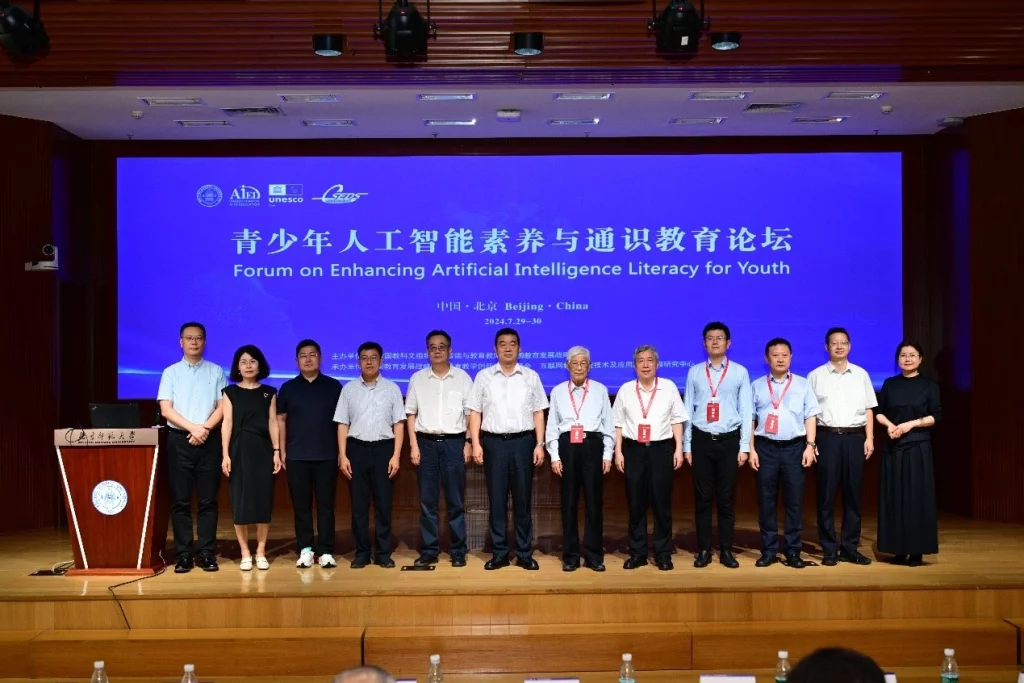
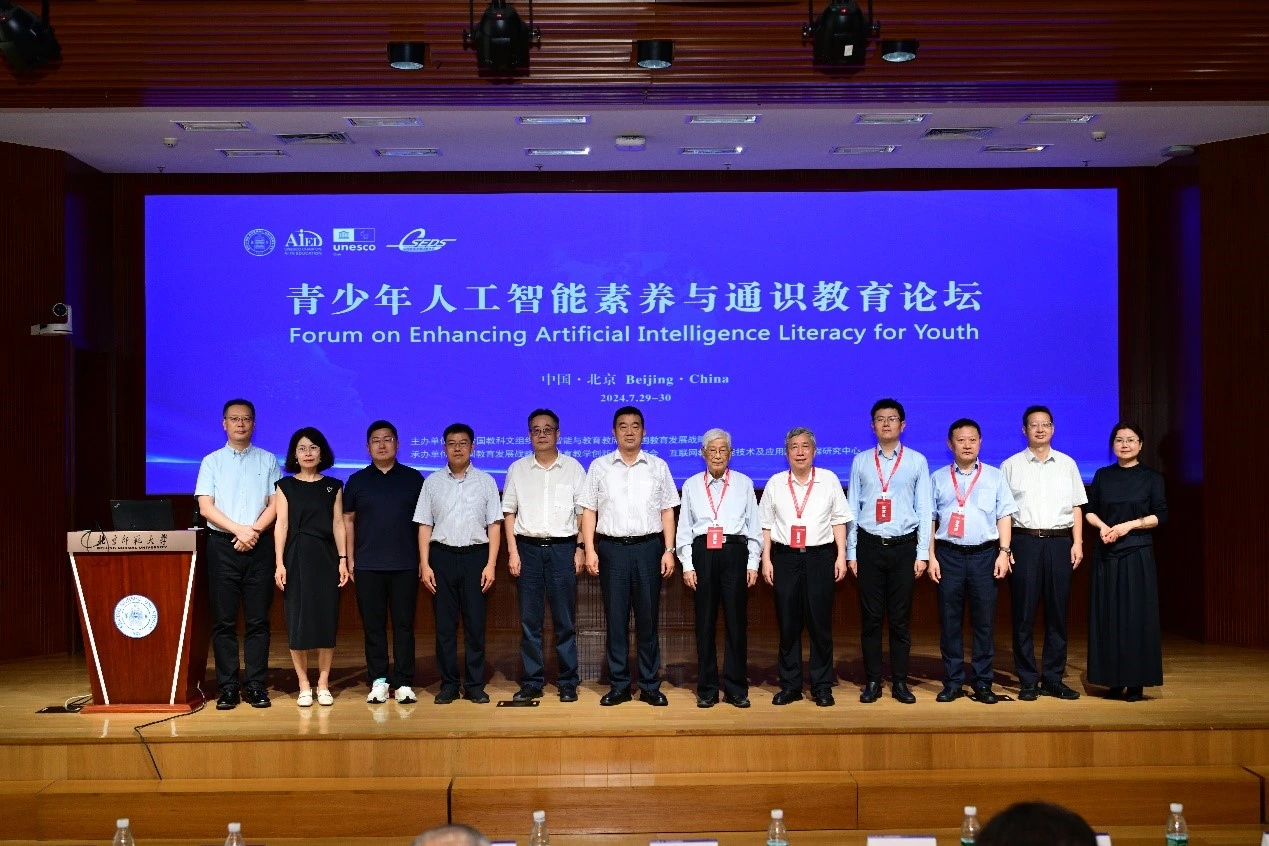
The Forum on AI Literacy and General Education for Young People took place at Jingshi Xuetang, Beijing Normal University, on 29–30 July 2024. Jointly organised by the UNESCO Chair on AI in Education and the Chinese Society of Educational Development Strategy, it explored effective approaches to general education in AI, ways to improve young people's AI literacy, and innovation in education.
Nearly 200 scholars, teachers, education administrators and other people interested in AI from China and abroad attended. Almost 40 experts, scholars, practising education administrators and business representatives discussed how to respond to the needs of the times, advance educational reform and innovation, and develop talent for the intelligent era. The forum was co-hosted by Professor Li Yanyan, Deputy Dean of the Smart Learning Institute of Beijing Normal University, and Dr Wang Huanhuan, focal point for the UNESCO Chair on AI in Education.
Opening remarks
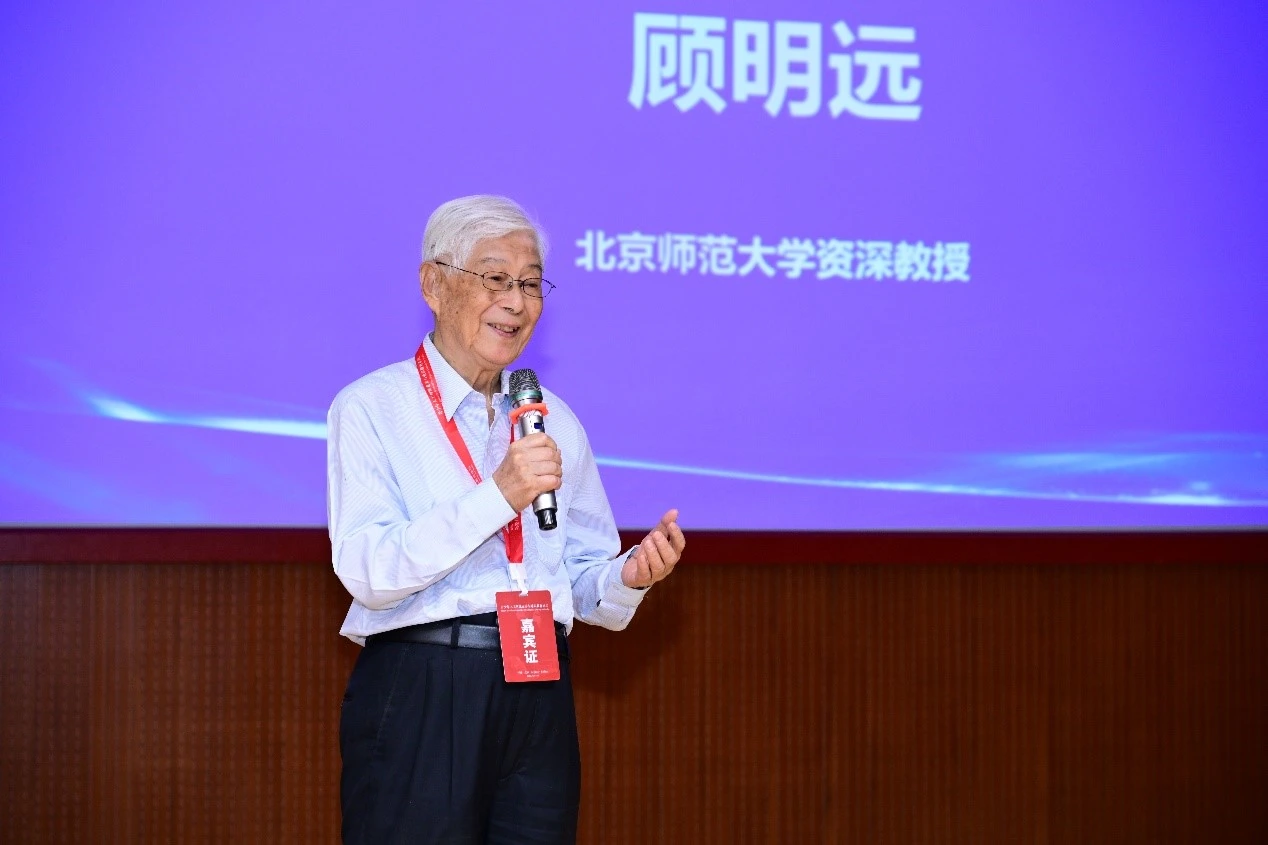
In his opening remarks, Gu Mingyuan, senior professor at Beijing Normal University, emphasised that education is fundamentally about developing people. Education systems should address the impact of AI and use it appropriately, helping students understand AI and develop AI thinking.
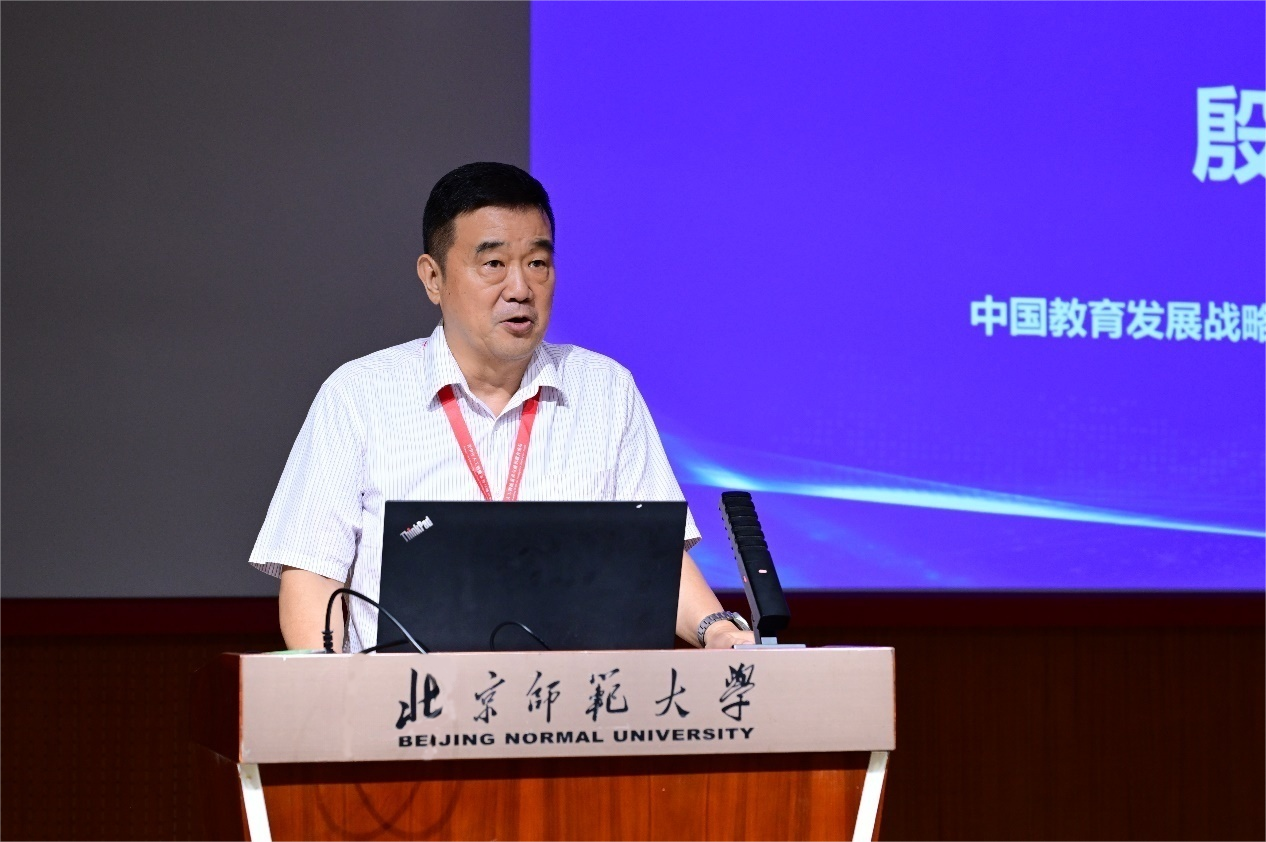
Yin Changchun, Executive Vice-President and Secretary-General of the Chinese Society of Educational Development Strategy, described AI as an internal driving force for new quality productive forces. Reviewing important government initiatives and practical achievements in AI education, he called for an ecosystem in China in which AI supports education and teaching.
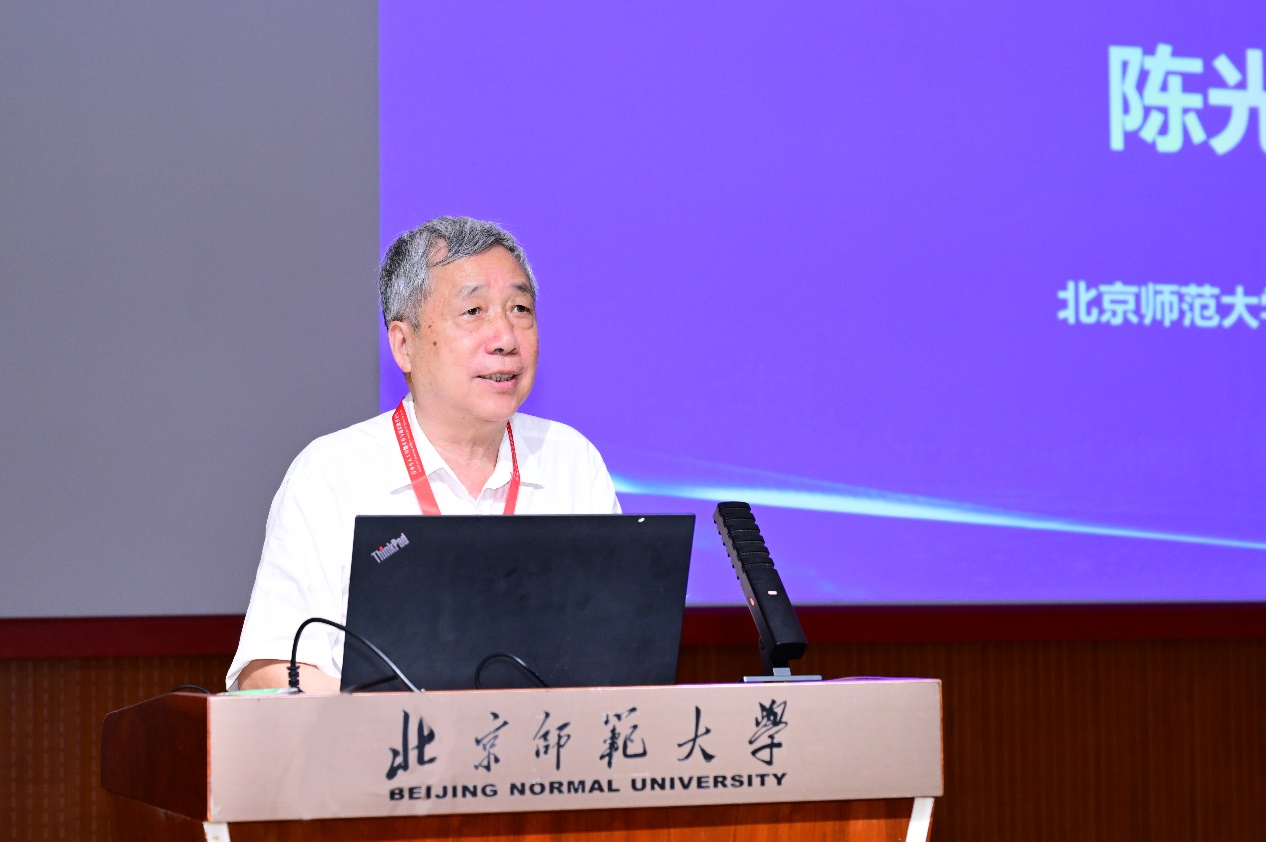
Chen Guangju, former Vice-President of Beijing Normal University, stressed that education's mission is to prepare people for the future. He highlighted educational equity and cooperation across sectors in advancing AI education.
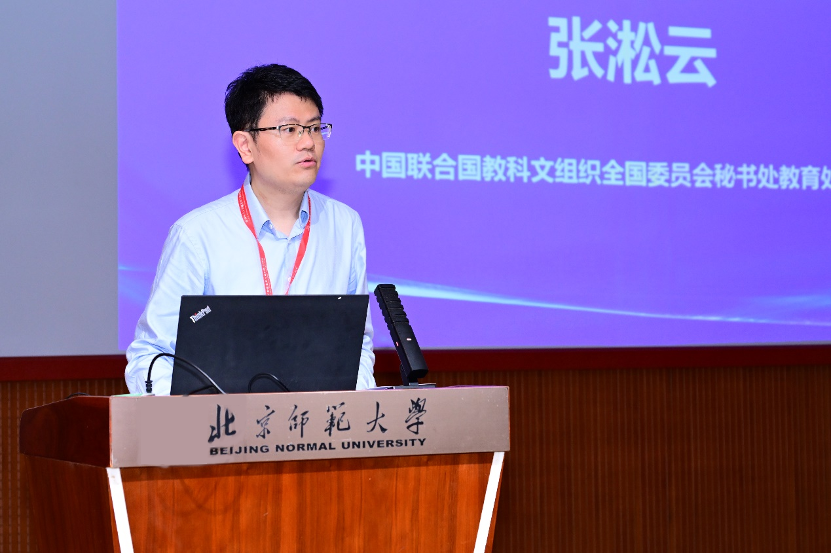
Zhang Songyun, Director of the Education Division of the Secretariat of the Chinese National Commission for UNESCO, said that AI development creates an urgent need to reshape the substance and forms of education. He emphasised young people's AI literacy and called for more exchanges and cooperation worldwide.
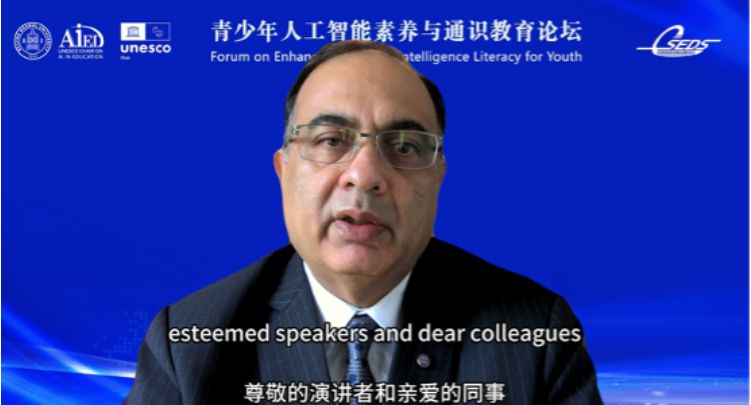
Shahbaz Khan, Director of the UNESCO Regional Office for East Asia, noted that AI would transform education. He emphasised ethics and humanistic approaches, and called for learning environments to be redesigned to advance the Sustainable Development Goal on education.
Keynote presentations
The keynote session featured Zhu Qiang, a distinguished research fellow under Zhejiang University's Qiushi programme; Zhao Jianhua, professor at Southern University of Science and Technology; and Wang Jianping, former Deputy Director of the Ningxia Department of Education. Their topics included the challenges and opportunities of AI-generated content (AIGC) in information technology teaching for young people, information technology education from an international comparative perspective, and innovation in AI education and teaching in school education.
Zhu Qiang illustrated educational applications of AIGC with examples from AI education in Zhejiang and Zhejiang University's research on building and supporting human–AI collaborative learning communities. He identified uneven teacher capabilities as a major difficulty and asked whether AIGC reduces labour or encourages passivity. Acknowledging its many practical challenges, he advocated a positive attitude towards its far-reaching future impact.
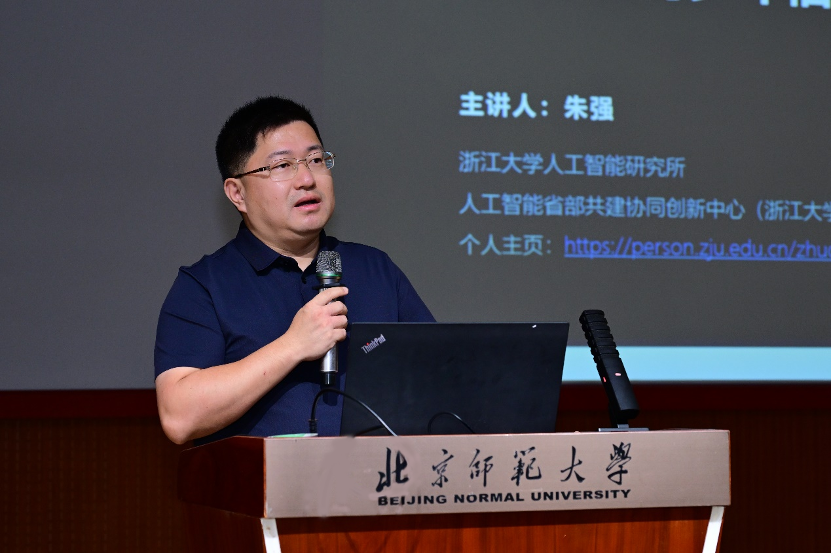
In his presentation, ‘Information Technology Education from an International Comparative Perspective: Experience and Insights’, Zhao Jianhua analysed the characteristics of the AI era and reviewed technological advances. He noted that countries worldwide attach considerable importance to AI education. Teachers should look beyond individual lessons to the curriculum as a whole. In support of national strategies, they should strengthen students' digital literacy and integrate professional competencies.
Curricula should include AI and science education and connect more closely with the real world. Implementation should emphasise active learning, innovation in subject teaching, laboratory development, and science and technology innovation competitions. He also called for systematic assessment that integrates multiple dimensions, develops new methods and tools, and strengthens performance assessment in authentic contexts.
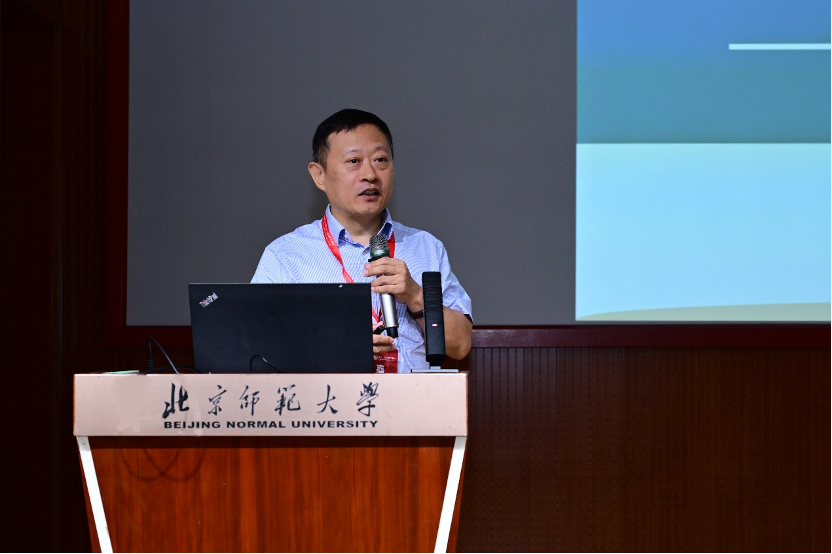
Wang Jianping spoke on vigorously advancing innovation in AI education and teaching in school education for the new era. He reviewed Ningxia's experience in four areas: expanding resources, making intelligent education widely available, deepening integrated applications, and improving intelligent literacy. He called for joint efforts to advance AI education and cultivate young people's intelligent literacy and innovative capabilities.
Invited presentations
Professor Fan Lei of Capital Normal University gave an invited presentation on AI and interdisciplinary learning. He analysed shortcomings in primary and secondary school AI courses, including limited teaching time, insufficient content and conditions, and restricted impact. He proposed combining AI with interdisciplinary learning as an approach to general education in AI. Such courses need clear positioning and objectives, diverse and inclusive content, varied assessment methods, comprehensive teacher training, and well-developed digital textbooks and platforms, enabling them to address opportunities and challenges and support students' all-round development.
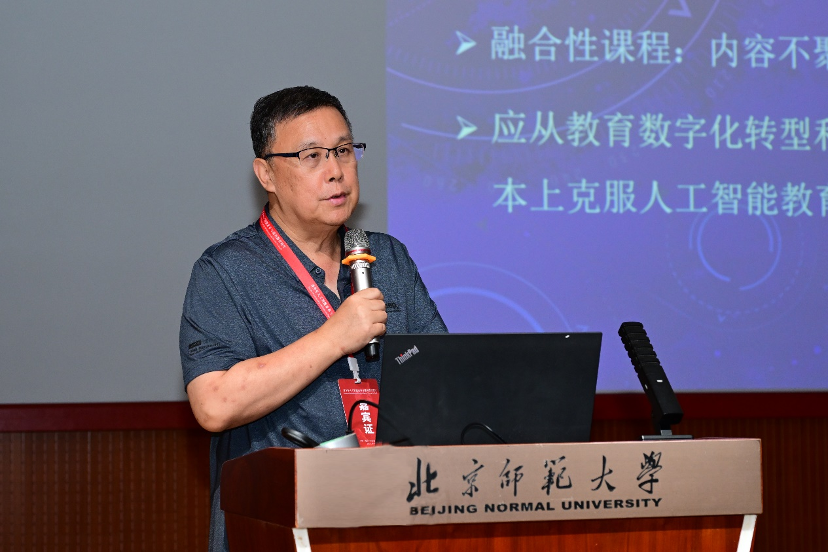
Colin de la Higuera, UNESCO Chair in Open Educational Resources and Artificial Intelligence and professor at Nantes University, France, described AI as a highly complex subject that is difficult to study in isolation. In education, AI is both a driver of technological development and an accelerator of educational innovation. Understanding technology alone is insufficient: people must retain critical thinking and examine the nature of problems and their solutions.
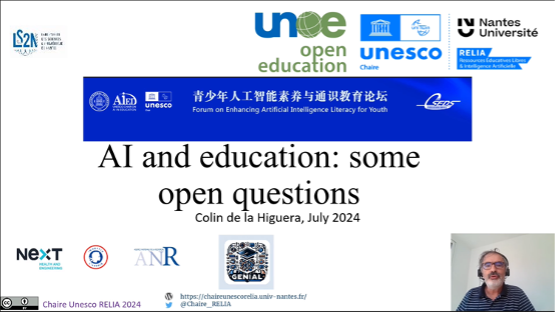
Da Ting, a postdoctoral researcher at Beijing Normal University, presented research on evaluating large models for human–AI collaborative teaching. She analysed key challenges facing generative AI and illustrated its educational applications. Discussing findings from large-model evaluation, she identified existing problems and considered how large models could be used more effectively to support collaborative teaching.
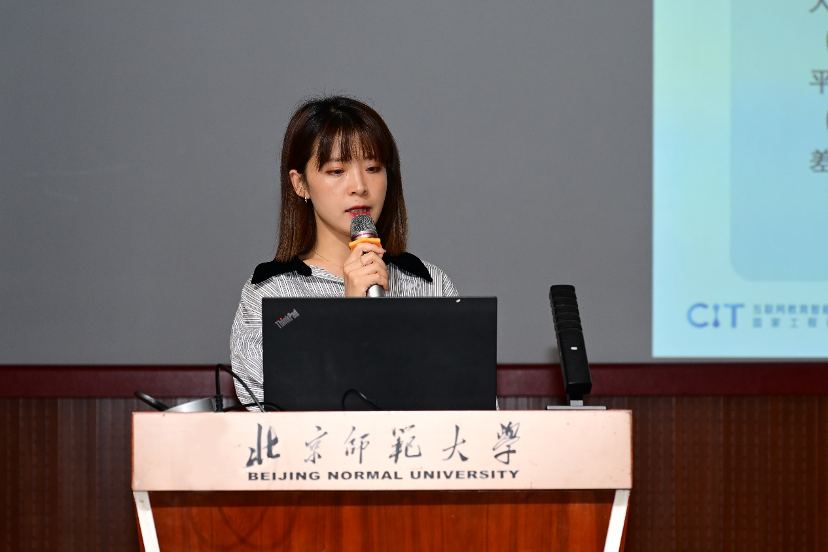
Moeketsi Letseka, UNESCO Chair on Open Distance Learning and professor at the University of South Africa, spoke on the current state of and experience with AI in African education. He outlined relevant UNESCO and African policies and initiatives, stressing the need for sustained, coordinated efforts by all parties to advance educational uses of AI.
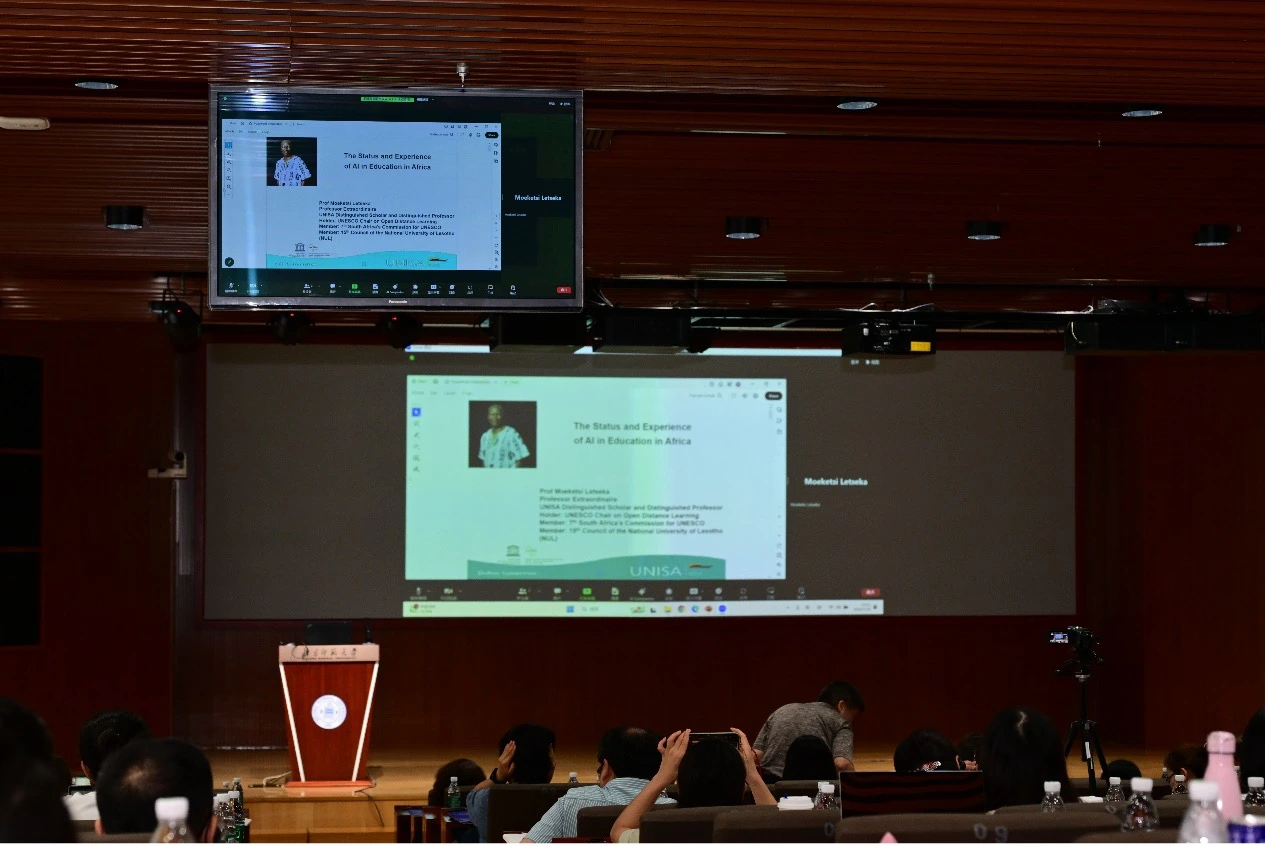
Professor Helen Meng of The Chinese University of Hong Kong presented ‘Creating Hong Kong's First Pre-tertiary AI Curriculum’ and discussed Hong Kong's achievements in AI. She introduced the CUHK–Jockey Club AI for the Future Project as Hong Kong's first project of its kind in partnership with secondary schools. Reviewing AI's role in future work, she noted that adopting technology may eliminate some jobs while creating others. The future, she argued, depends on how people manage the opportunities and risks brought by AI.
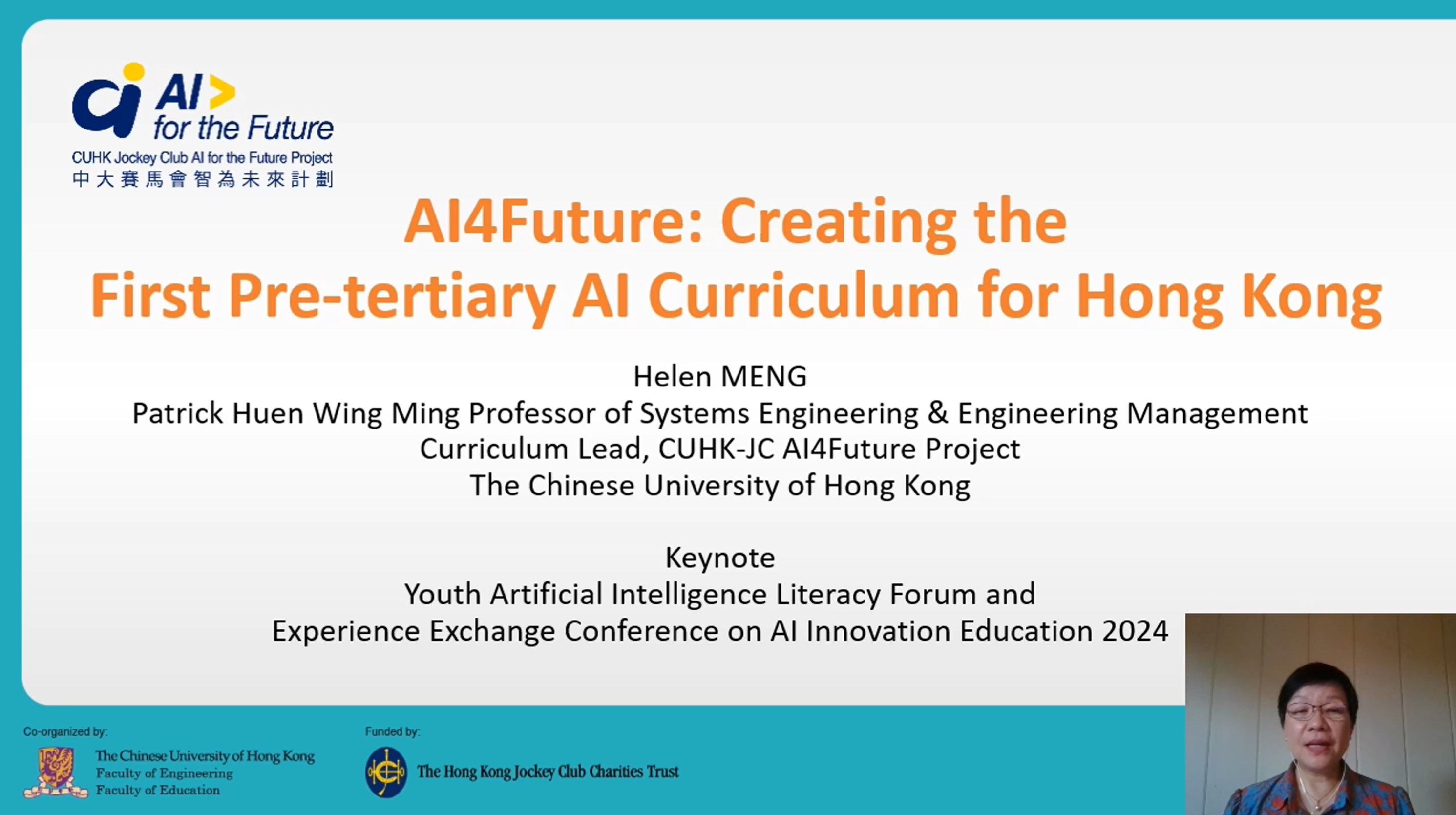
Professor Yova Kementchedjhieva, Chair of the International Olympiad in Artificial Intelligence Scientific Committee at the time of the forum, introduced the competition in her talk, ‘AI Is as Good as We Are’. The newly established global competition brings together talented young people and gives high school students a platform to demonstrate their AI skills and enthusiasm. She described AI as a double-edged sword whose development depends on its developers and users. Its development, distribution and use must meet ethical standards, with effective measures against malicious exploitation.
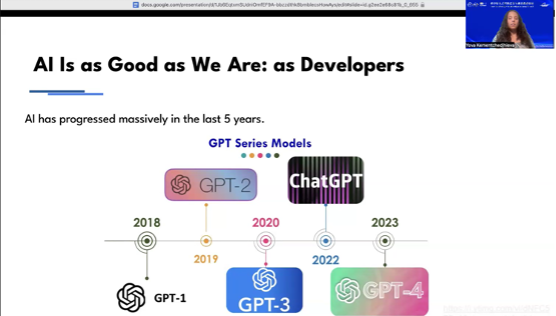
Slide description: Yova Kementchedjhieva’s slide, “AI Is as Good as We Are: as Developers”, states that AI had progressed substantially over the preceding five years. Its timeline labels GPT-1 in 2018, GPT-2 in 2019, GPT-3 in 2020, ChatGPT in 2022 and GPT-4 in 2023.
Thematic panels
AI literacy for school students
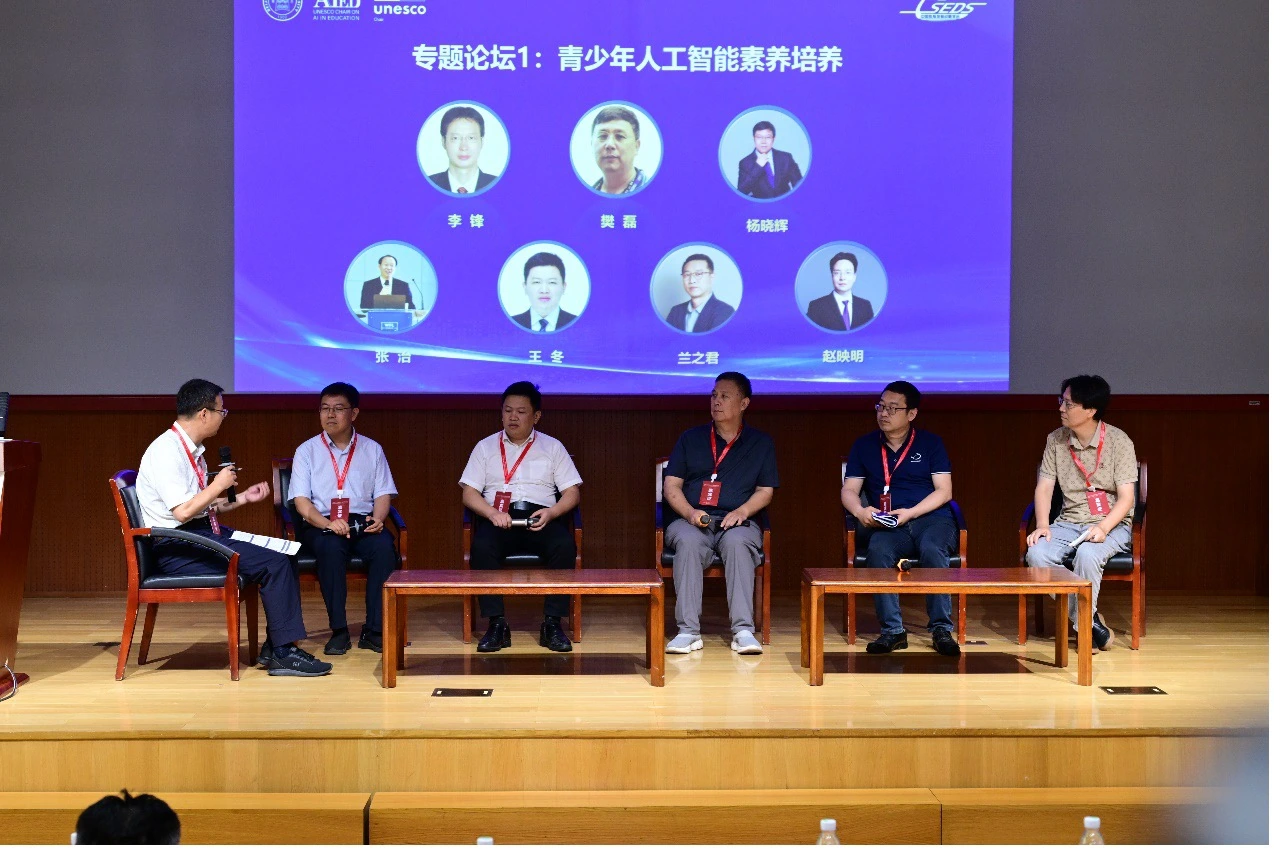
Three thematic panels focused on developing school students' AI literacy, building AI curricula in school education, and innovation in AI education and teaching. Professor Li Feng of East China Normal University moderated the first panel, which brought together six experts.
Zhang Zhi, Director of the Education Bureau of Shanghai's Baoshan District, emphasised sound values, interdisciplinary integration and practical application. He described young people's core competencies in the intelligent era as combining the common features of general education with the distinctive features of AI education, at three levels: forming basic concepts, developing relevant capabilities, and deepening understanding. He proposed suitable curricula, teaching platforms and resource repositories, alongside stronger teacher development and training.
Zhao Yingming, Dean of the Digital Education Research Institute of Jingshiwo Education, argued that AI should serve as a dedicated assistant integrated deeply into teaching and learning to stimulate young people's interest and innovation. Yang Xiaohui, Director of the Education Commission of Beijing's Fengtai District, highlighted AI literacy and learning new technologies. Wang Dong, Director of the Chongqing Smart Education Innovation Centre, outlined a policy approach: guidance at the macro level, local recognition of the impact, and appropriate implementation pathways. Fan Lei stressed implementing AI education within information technology curriculum standards, attending to its relevance to the times, distinctive features and subject integration. Technology company representative Lan Zhijun advocated an appropriate combination of formal and informal AI education.
Building AI curricula in school education
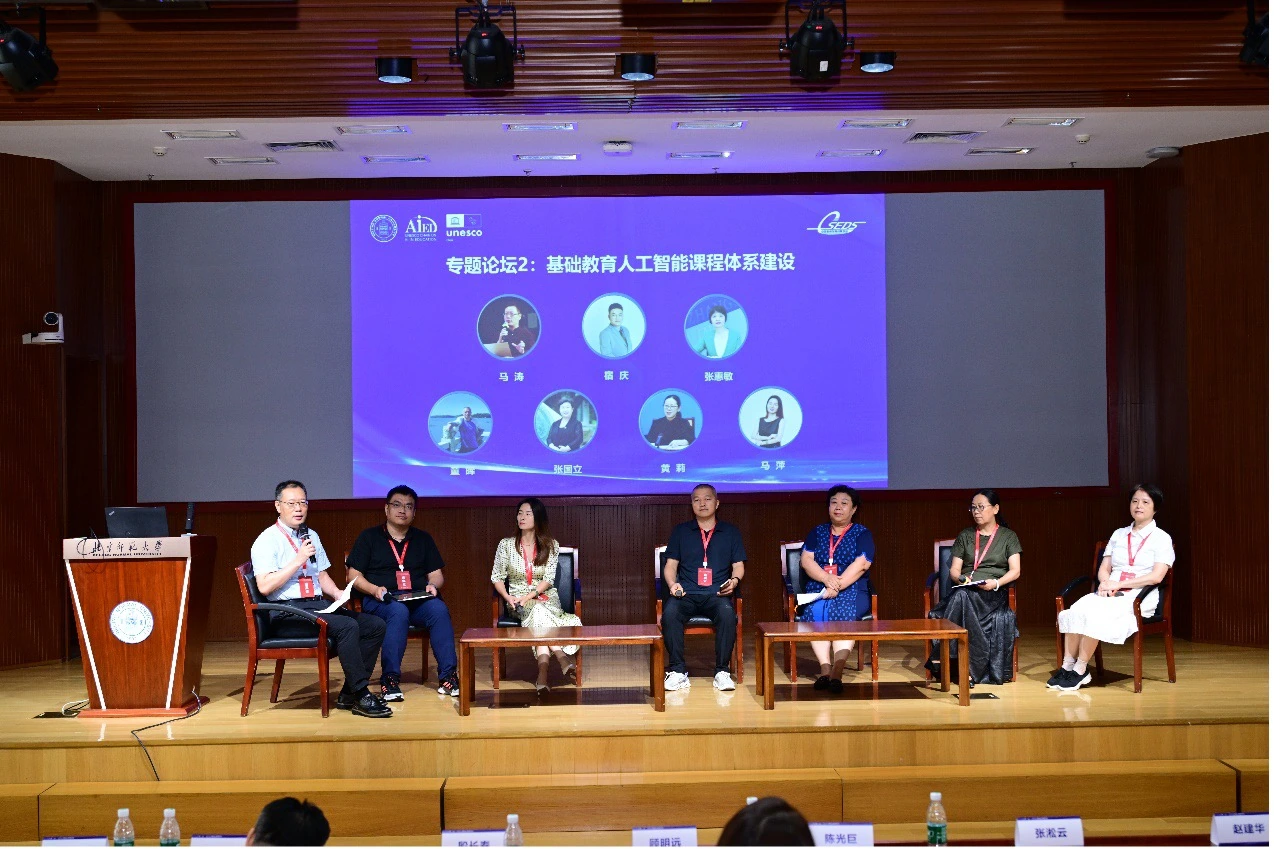
Ma Tao, Deputy Dean of the Fengtai Branch of Beijing Institute of Education, moderated the second panel. Six experts discussed building AI curricula in school education.
Su Qing, Deputy Dean of the School of Educational Technology at Northwest Normal University, identified shortcomings in current AI course design and called for sound educational awareness and ideas to guide curriculum development. Zhang Huimin, Director of the Shenzhen Education Information Technology Centre, shared Shenzhen's experience. Tong Hui, Director of the Jiujiang Education Technology and Equipment Development Centre, emphasised combining science and technology innovation with practical activities.
Zhang Guoli, Party Secretary and Principal of Cuiwei Primary School in Beijing's Haidian District, shared the school's curriculum achievements and experience. Huang Li, Party Secretary of Xingqing District Experimental No. 2 Primary School Education Group in Yinchuan, described initiatives and results, including developing spaces and courses, and stressed teachers and smart campus environments. Ma Ping, Vice-President of UBTECH Robotics, discussed using learning platforms and spaces to support student research projects and develop AI literacy.
Innovation in AI education and teaching
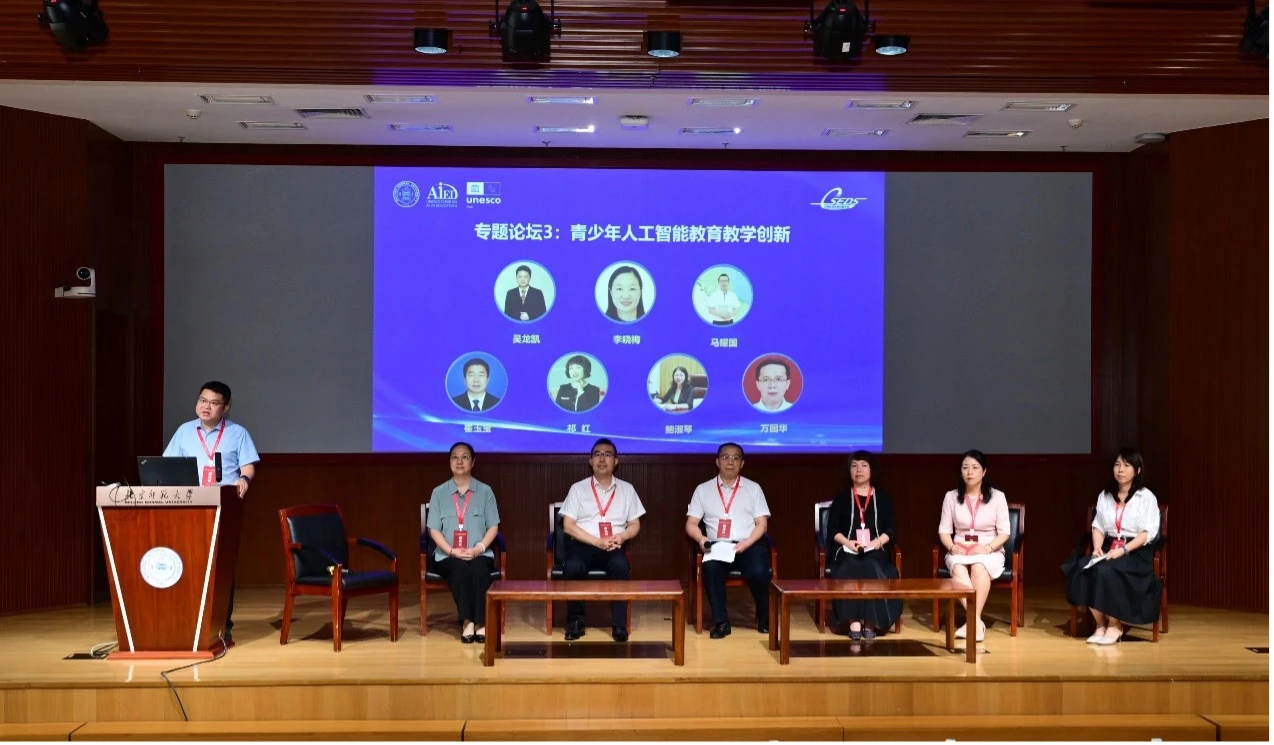
Professor Wu Longkai of Central China Normal University moderated the third panel on innovation in AI education and teaching in school education. Its six discussants were Li Xiaomei, Assistant Director of the Qingdao Education Equipment and Information Technology Centre; Ma Yaoguo, Assistant Principal of the Haidian District Teacher Training School and Executive Principal of Beijing Yuyuantan Middle School; Cui Yubao, Party Leadership Group Secretary and Director of the Hailin Education and Sports Bureau; Qi Hong, Principal of Beijing Fengtai No. 1 Primary School Education Group; Bao Shuqin, Party Secretary and Principal of Wuxiang Town Central Primary School in Ningbo's Yinzhou District; and Wan Yuanhua, General Manager for Smart Education Business Development at China Unicom Hebei.
Wu Longkai reviewed recent practice in China, focusing on putting AI literacy into action. Li Xiaomei discussed policy support and regional implementation, emphasising that policy, infrastructure and teachers must be developed together. Ma Yaoguo shared innovations in lower secondary programming and gamified learning to encourage student engagement. Cui Yubao described smart education scenarios and interest-led approaches, highlighted challenges in remote areas, and advocated innovation based on local resources. Qi Hong focused on teaching reform grounded in AI literacy and changing educational mindsets. Bao Shuqin described AI applications in teaching and learning, including intelligent homework systems, and stressed attention to students' mental health throughout the process.
Closing reflections
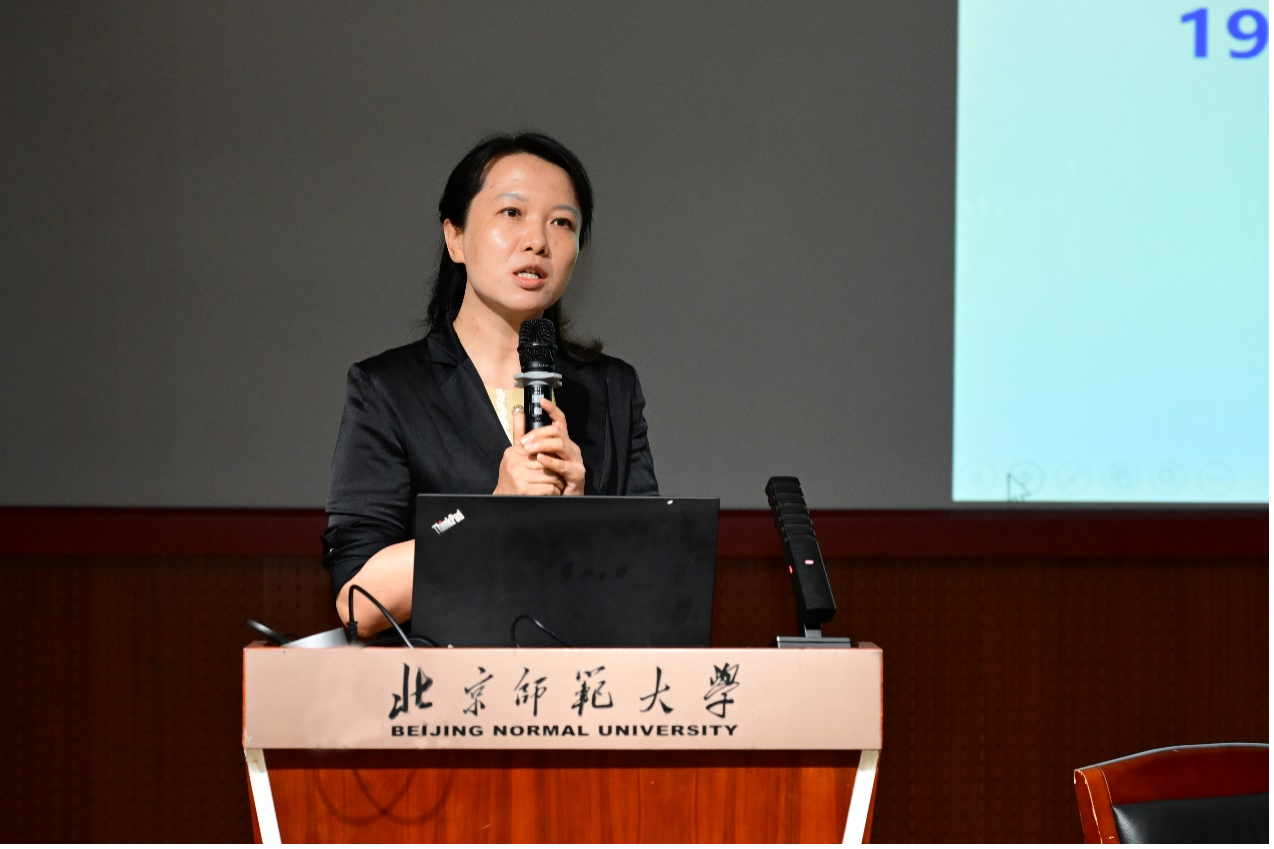
At the closing session, Tong Lili, professor at Beijing Normal University and Deputy Director of the National Engineering Research Centre for Cyberlearning and Intelligent Technology, reviewed the forum's perspectives and participants' experience. She described the exploration of approaches to general education in AI literacy as substantial. Alongside shared guidance, she encouraged educators to explore individualised guidance that stimulates students' creativity and strengthens initiative and active participation among teachers and students.
Original link: https://aiedchair.bnu.edu.cn/news-9474-en/