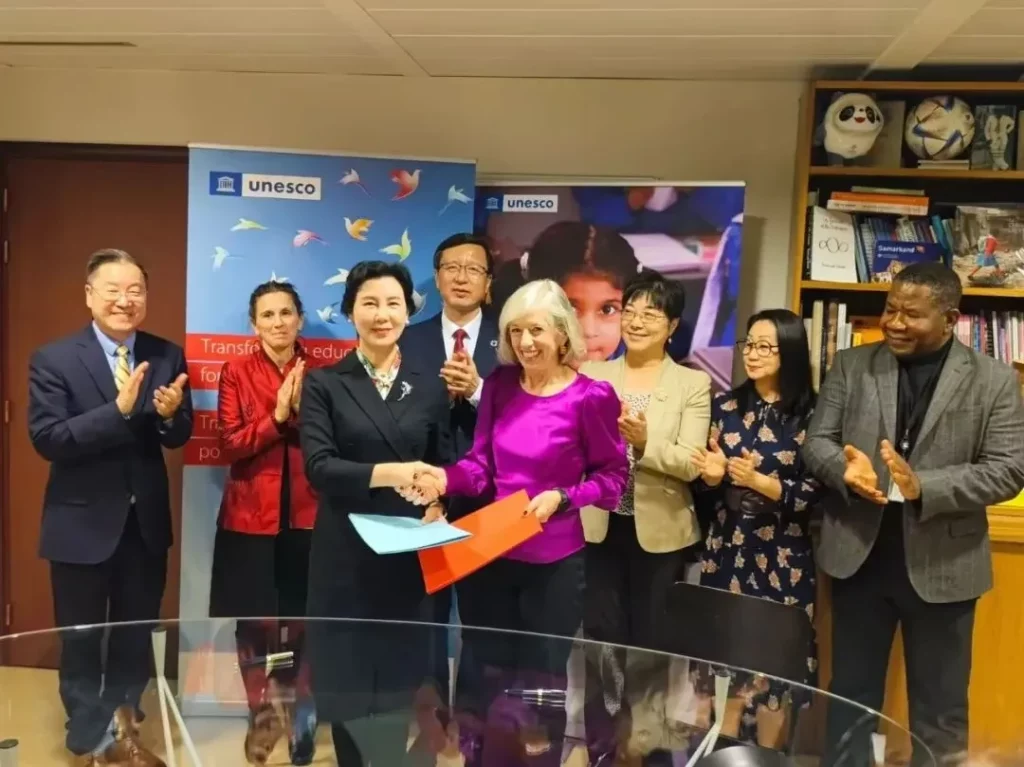
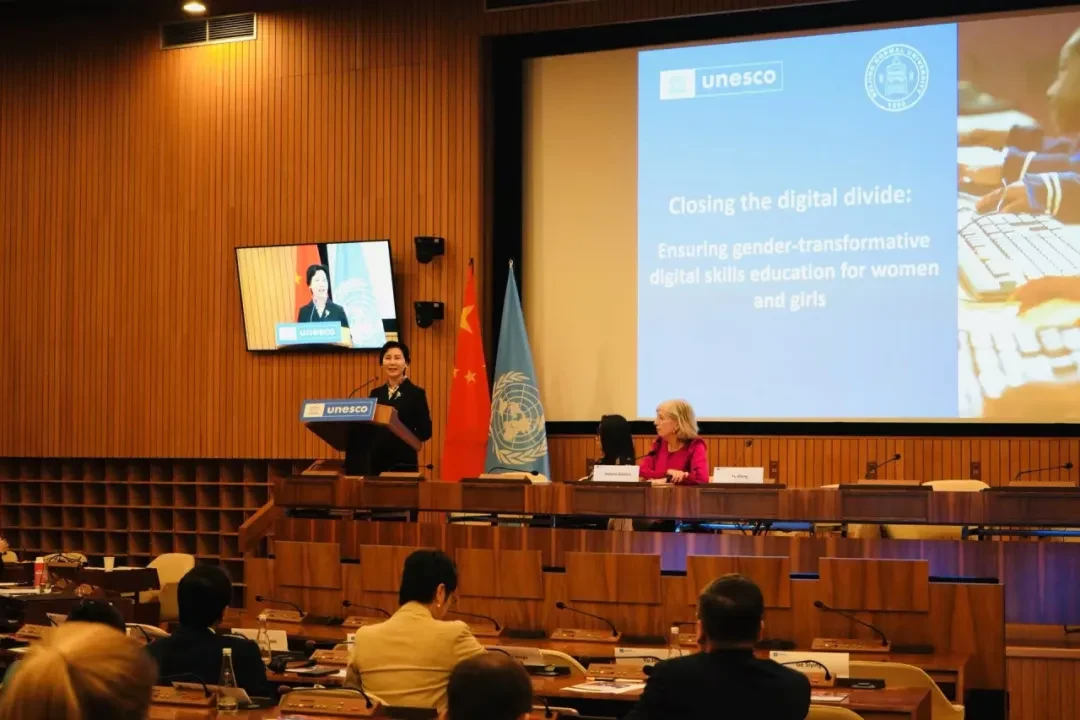
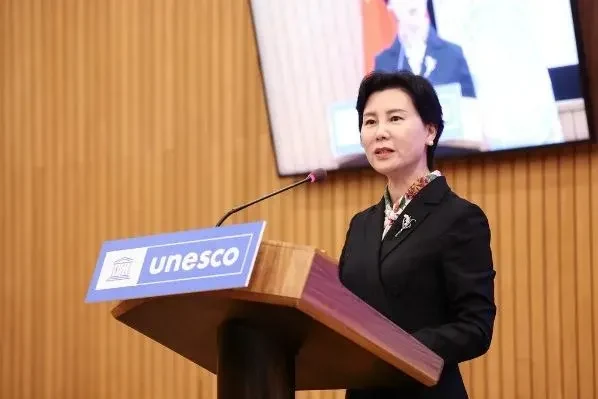
The UNESCO Prize for Girls’ and Women’s Education award ceremony took place in Paris on 16 October 2024. BNU President Yu Jihong attended and spoke in the session on strengthening African girls’ digital skills. Together with UNESCO Assistant Director-General for Education Stefania Giannini, she announced the BNU–UNESCO cooperation project on digital education for girls in Africa.
Project objectives and work directions
The project focuses on Ghana and Tanzania. UNESCO names it “Closing the digital divide: Ensuring gender-transformative digital skills education for women and girls”. The original report outlined these directions:
- Support teachers’ professional development.
- Organize digital-education activities for girls.
- Strengthen educational exchanges between China and Africa.
Yu Jihong discussed BNU’s commitment to cooperation. UNESCO’s account described combining BNU’s teacher-capacity experience with local knowledge and practice from teachers and students in the project countries to support girls’ digital skills.
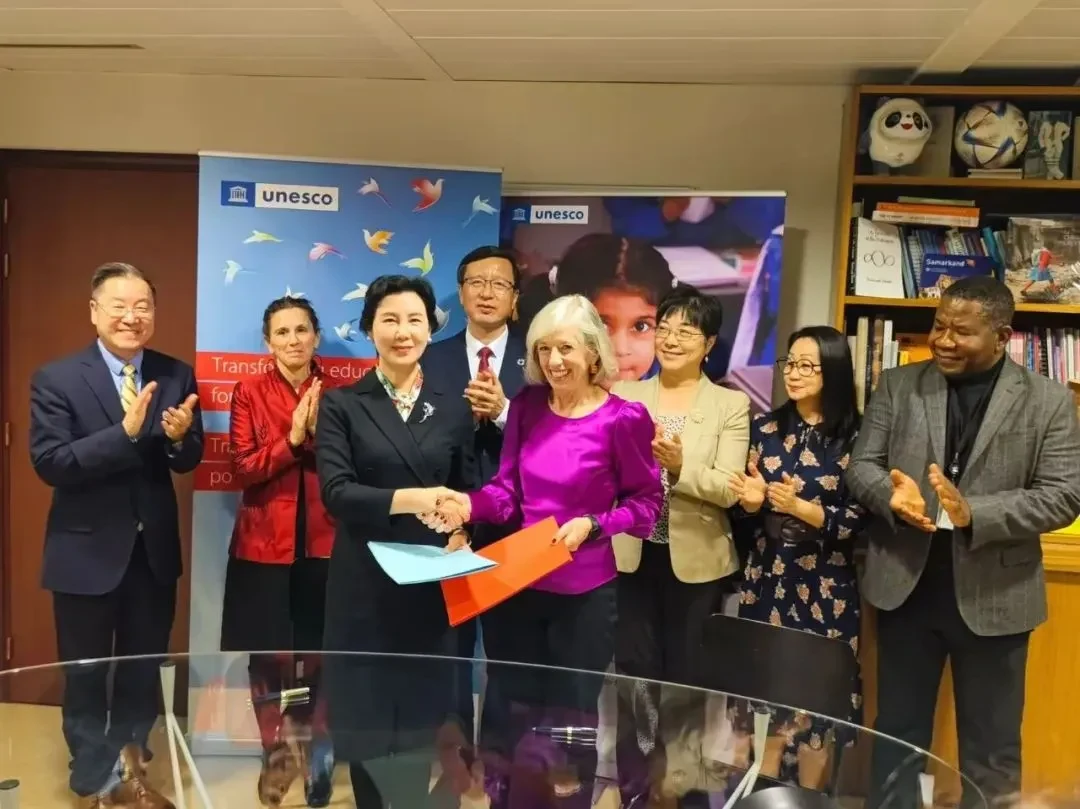
Signing the cooperation agreement
During the UNESCO visit, Yu Jihong and Giannini signed the project cooperation agreement.
Women’s participation in STEM
Zhou Zuoyu, Director of the International Research and Training Centre for Rural Education under the auspices of UNESCO, joined a roundtable and shared BNU initiatives to increase women’s participation in science, technology, engineering and mathematics (STEM).
Project working discussions
On 17 October, the INRULED team joined a project working meeting with UNESCO headquarters and country-office officials and education-ministry representatives from Ghana and Tanzania. They discussed implementation principles, work plans, sequencing and next priorities.
BNU–UNESCO cooperation
BNU’s long-standing UNESCO partnership supports INRULED and the Chair on AI in Education through research and knowledge production, policy dialogue and advocacy, international conferences and capacity development, including cooperation on digital education, girls’ education and teacher education.
Related reading and sources
Related reading: UNESCO’s project launch report, its International Day of the Girl account and BNU’s English newsletter provide further context. Printed page 10 of the newsletter is PDF page 6; the original report is in English.
The original Chinese article credited the UNESCO INRULED Official Account. This account is also checked against independently accessible UNESCO material and BNU’s newsletter. Roles and project arrangements follow the 2024 reports.
Original link: https://aiedchair.bnu.edu.cn/news-8916-en/