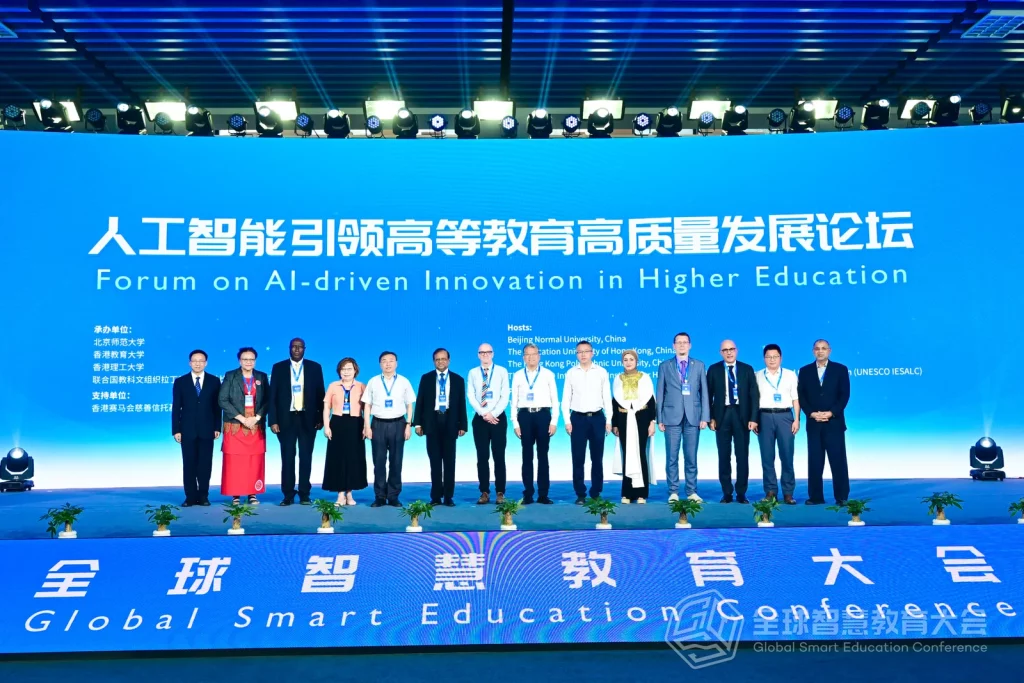
The GSE2024 Forum on AI-driven Innovation in Higher Education took place in Beijing on the morning of 20 August 2024. Co-hosted by Beijing Normal University, the Education University of Hong Kong, the Hong Kong Polytechnic University and UNESCO International Institute for Higher Education in Latin America and the Caribbean (IESALC), it addressed practical challenges and central concerns in higher education’s digital transformation.
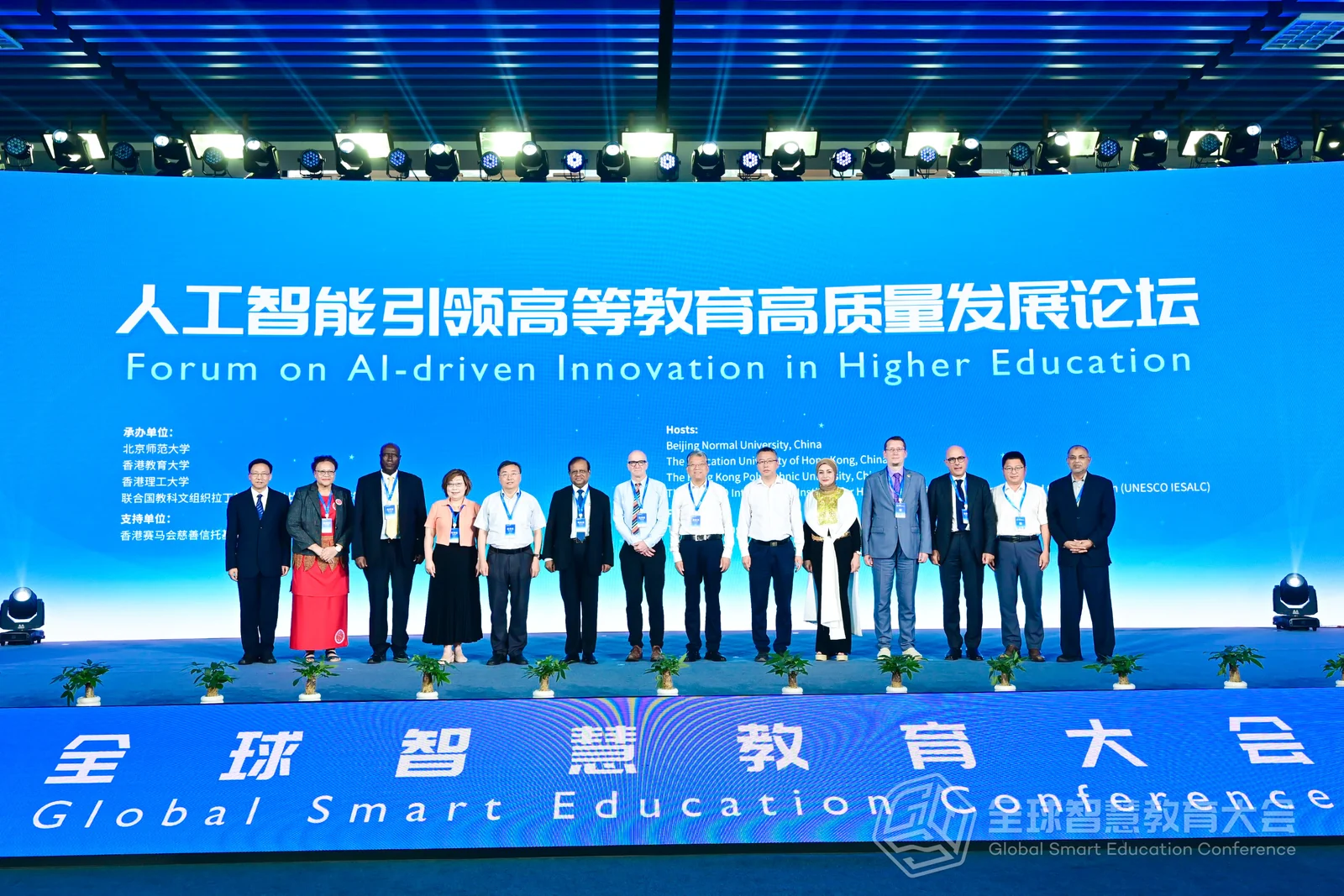
Opening remarks: policy, resources and teacher capacity
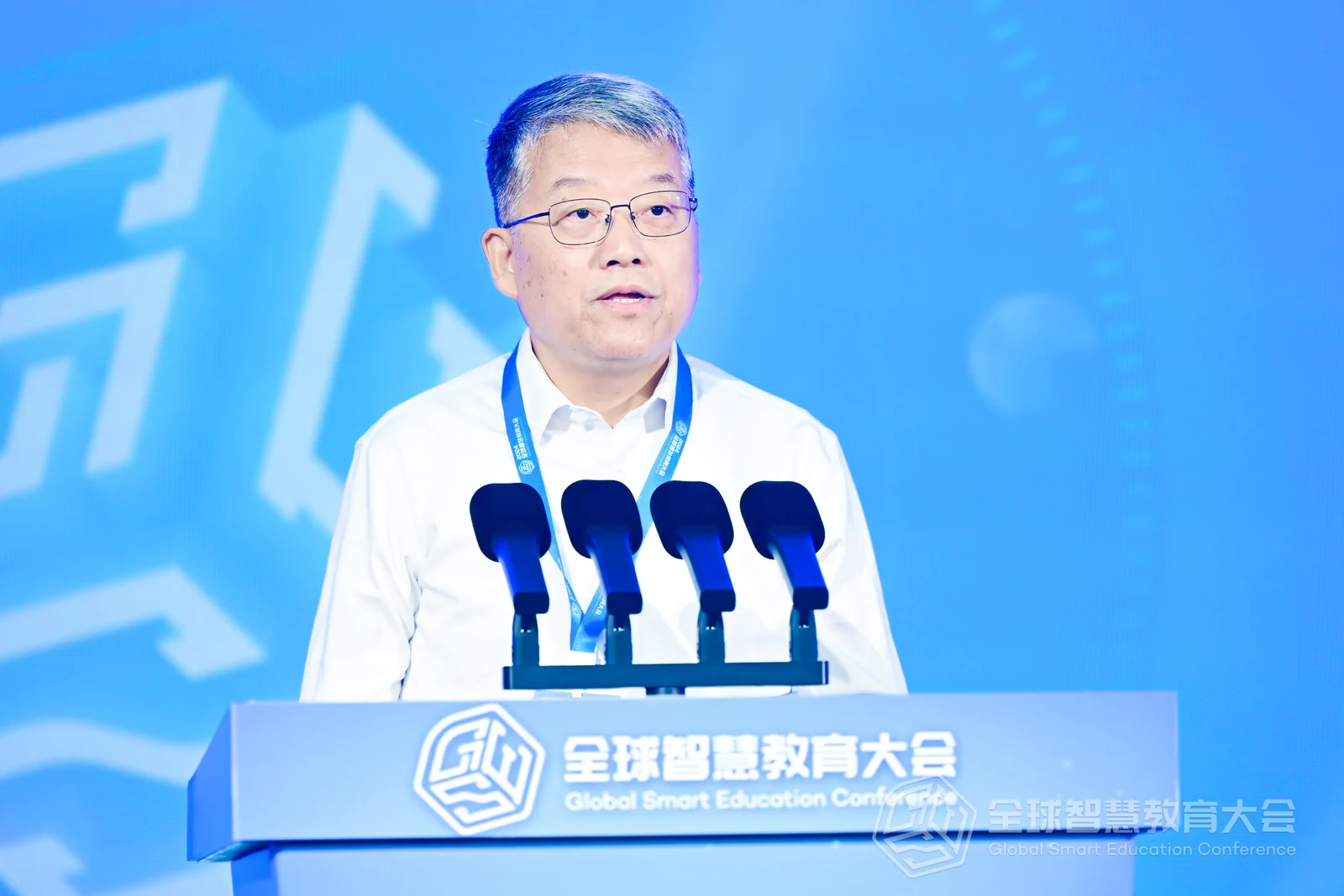
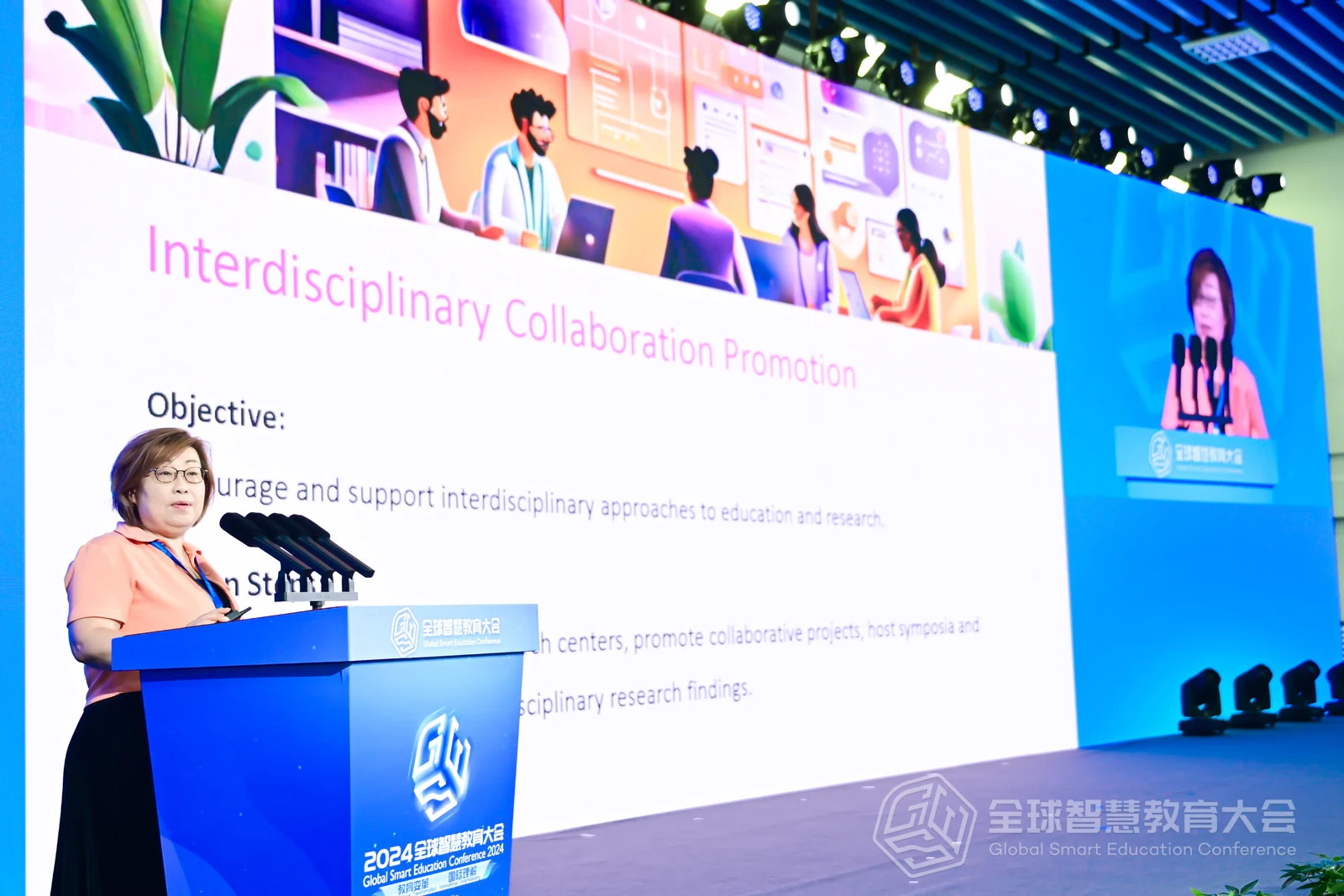
Guo Xinli, Vice President of the China Association of Higher Education, described AI as reshaping universities and opening opportunities for teaching efficiency and equity. He identified digital transformation as a strategic priority for quality development and proposed:
- Strengthen international policy dialogue to respond jointly to digital challenges.
- Share quality resources to support equity and sustainable education.
- Develop teachers’ smart education capabilities and teaching innovation.
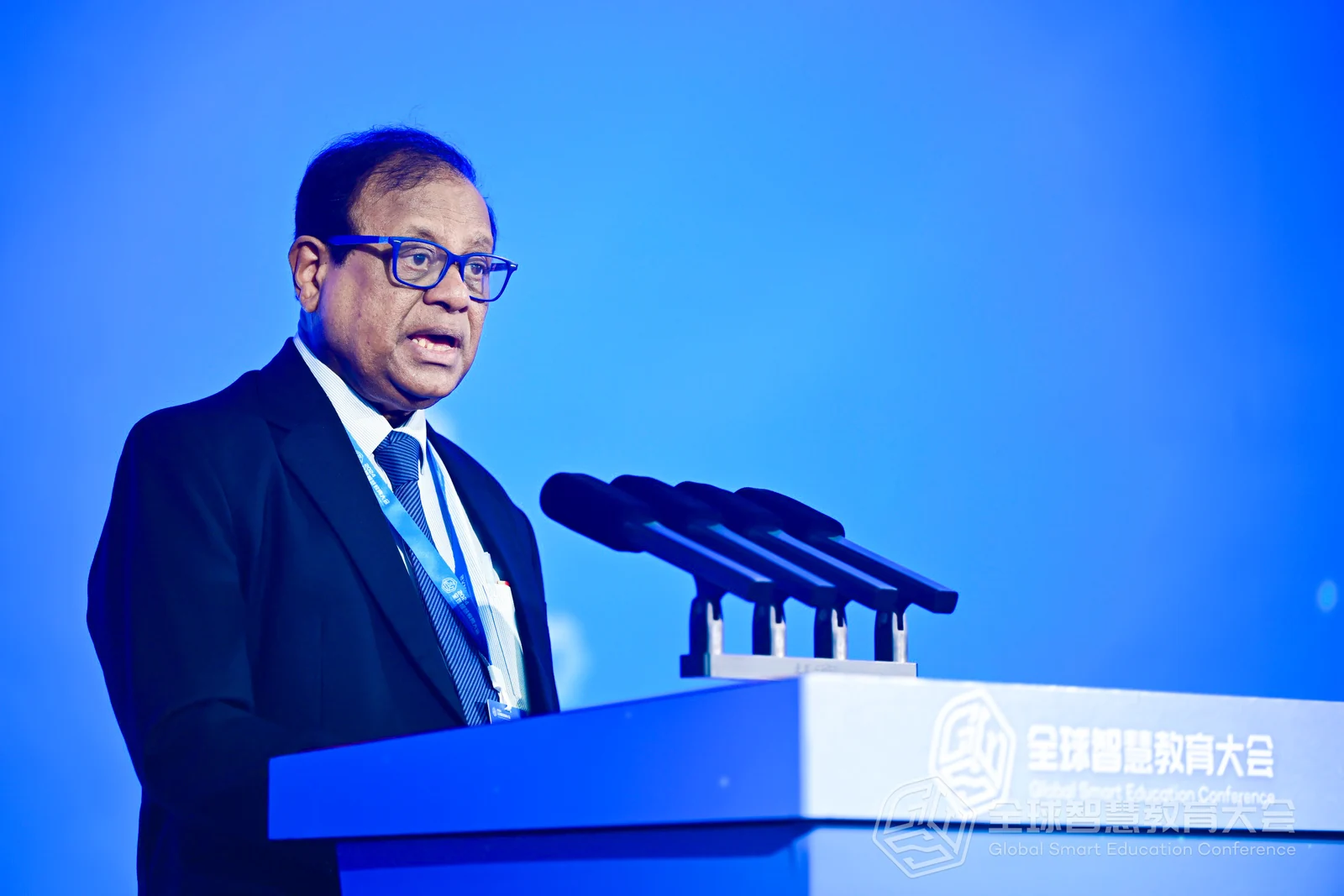
Susil Premajayantha, Sri Lanka’s Minister of Education, described AI’s movement from an innovative technology to an important part of education. Algorithms and machine learning, he argued, could support personalized platforms responding to different student needs. He advocated strategic institutional investment in AI.
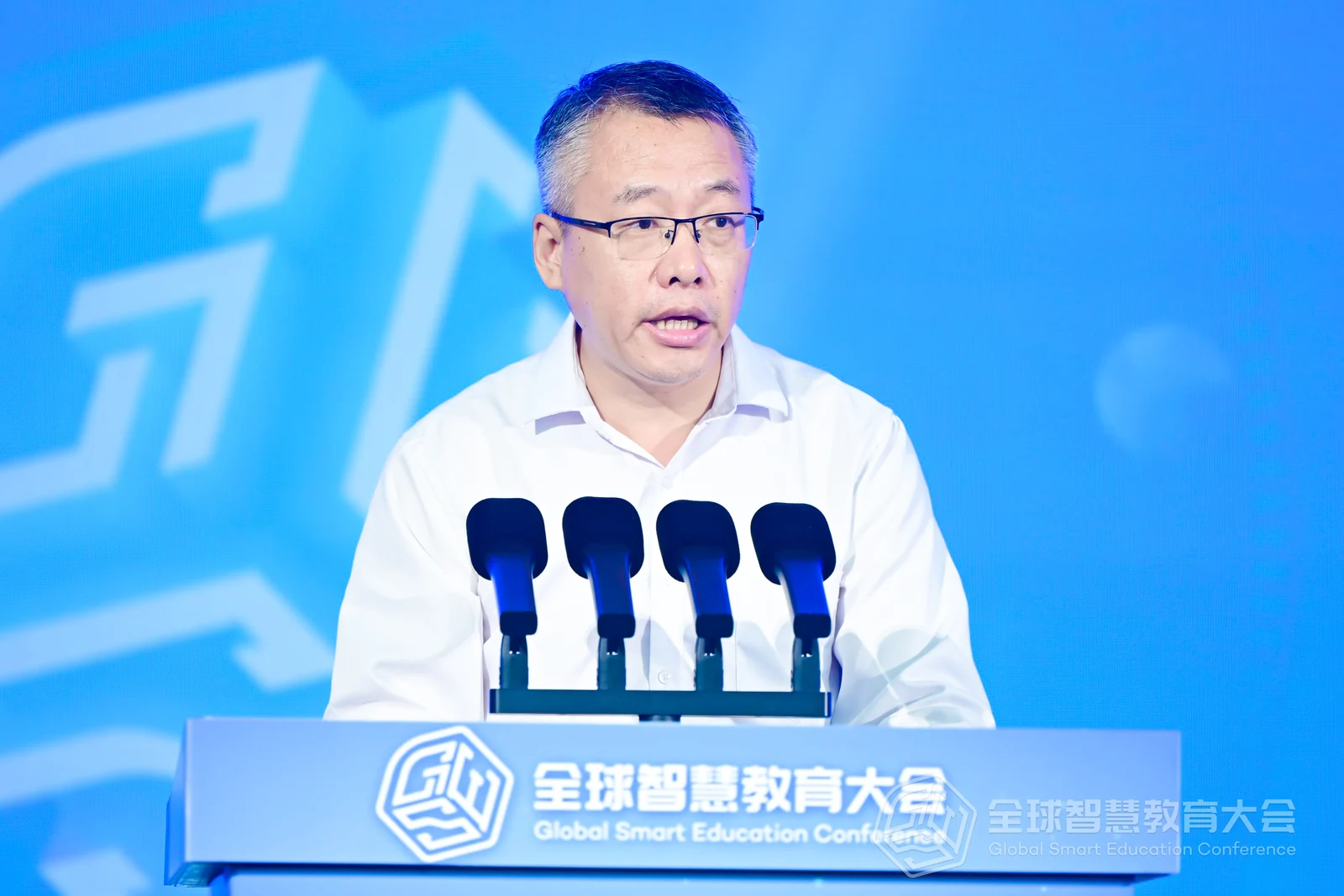
Gao Dongfeng, Deputy Director of China’s Department of Higher Education, discussed the national digitalization strategy, AI-related education–industry collaboration and the national smart education platform. He made four recommendations:
- Develop awareness and a competency-oriented educational philosophy.
- Create new forms of education and reshape teaching and learning elements.
- Integrate education and scientific research to renew talent development.
- Strengthen digital infrastructure and governance so that technology serves the public good.
John C. K. Lee, President of the Education University of Hong Kong, addressed the forum by video. He emphasized computational thinking and argued that smart education concerns an equitable, effective ecosystem as well as technology. Drawing on his university’s experience, he described computational thinking as an important future competency.
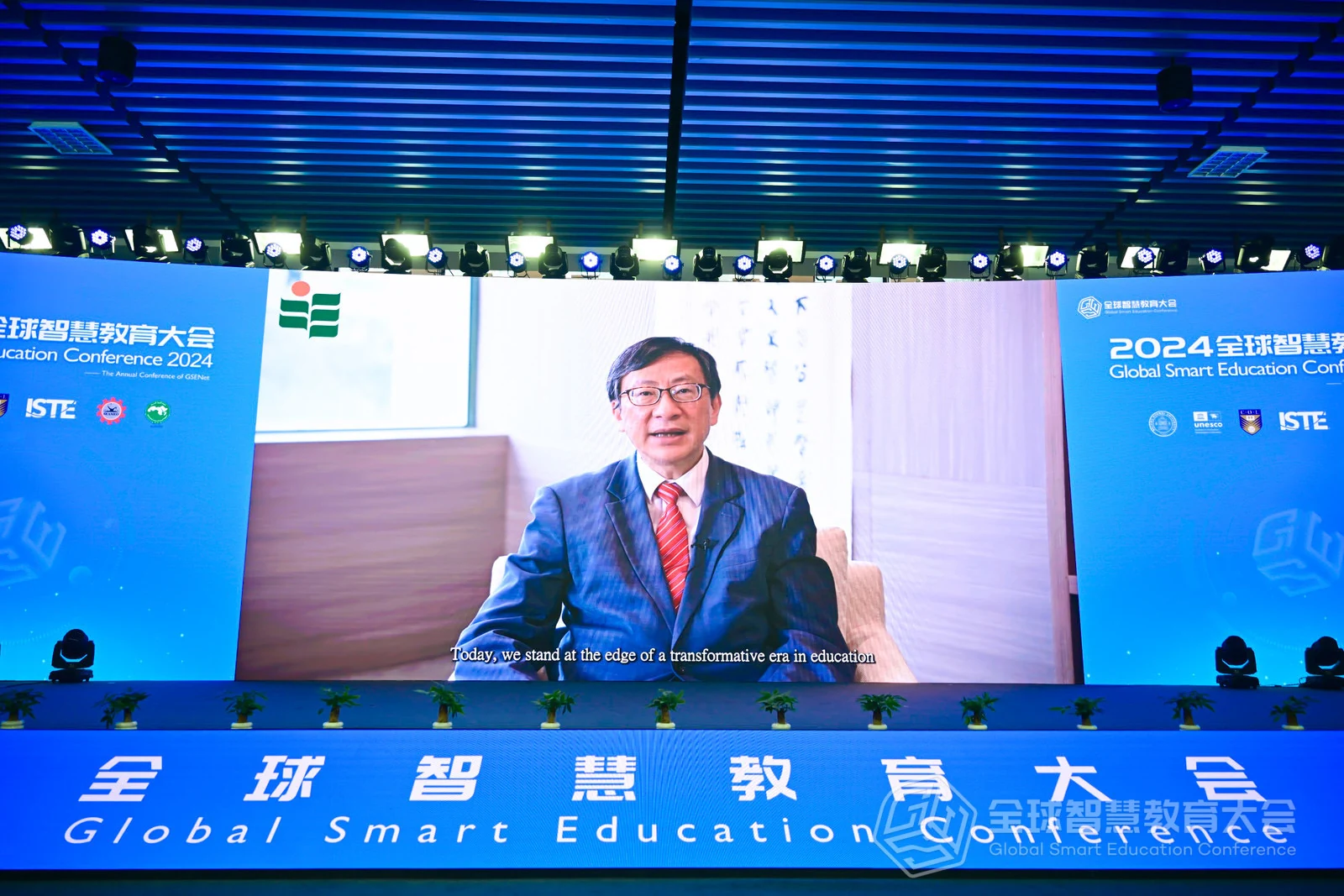
Keynotes: educational models and governance
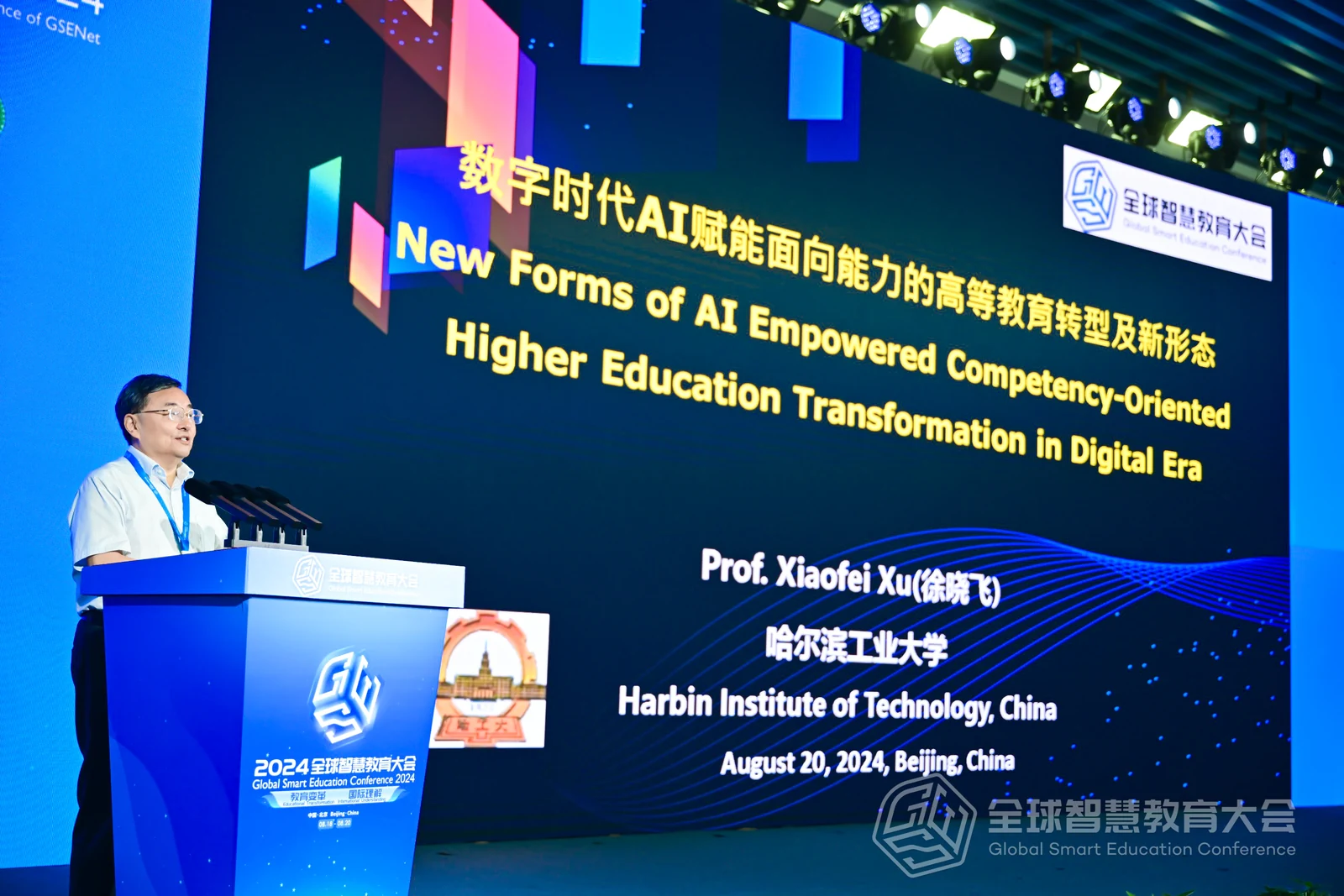
Xu Xiaofei, Deputy Director of the Ministry of Education’s steering committee on teaching informatization and teaching-method innovation in higher education, discussed AI-enabled, competency-oriented transformation. He presented digitalization developments and educational metaverse scenarios, including personalized learning, smart classrooms, and a vision of immersive interaction across time and space supported by AI and virtual reality.
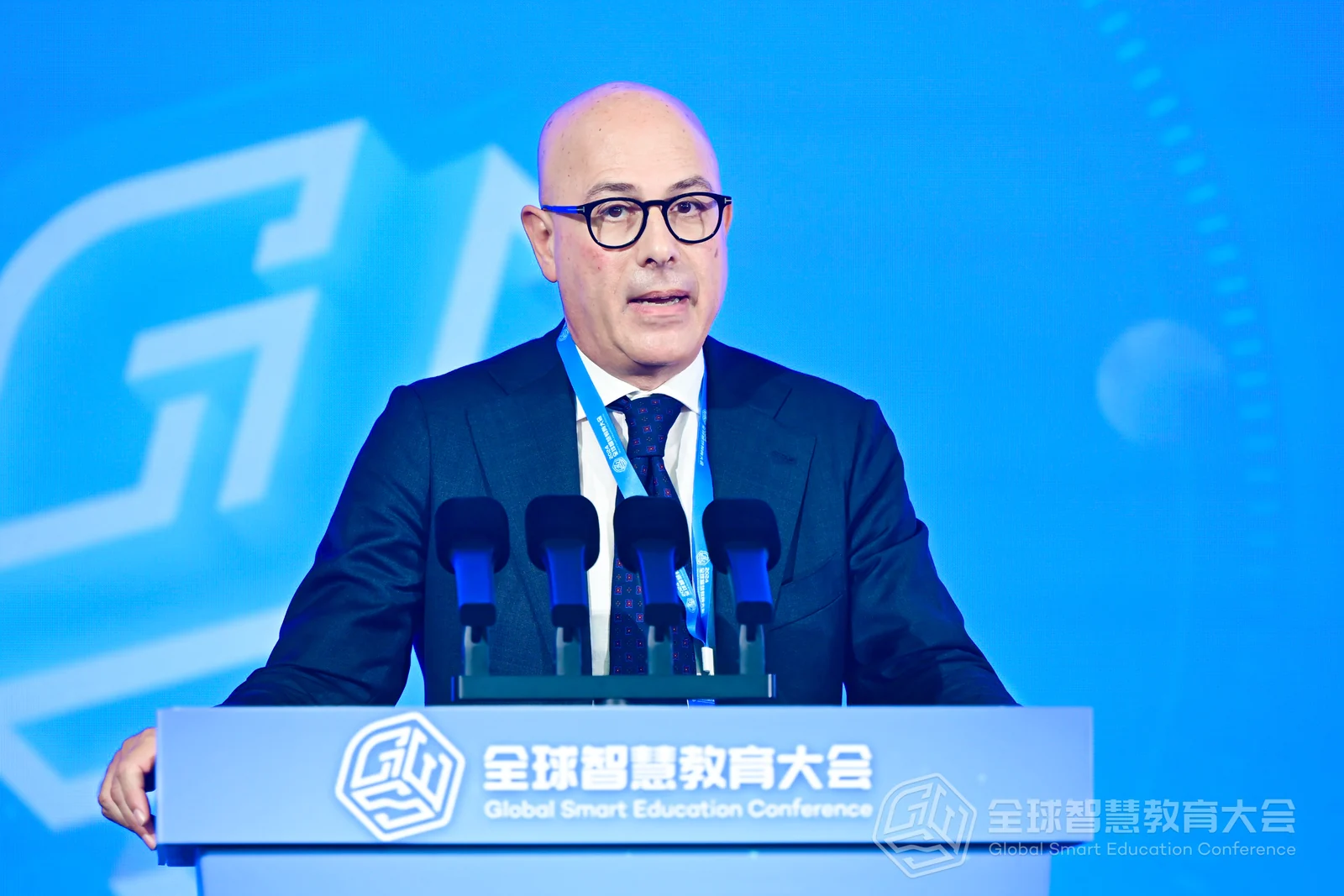
Francesc Pedró, Director of UNESCO IESALC, discussed universities’ roles in national AI strategies. He called for institutions to become participants in innovation and dissemination as well as technology users, drawing on their strengths in ethics and policy research, and strengthening international cooperation for responsible AI.
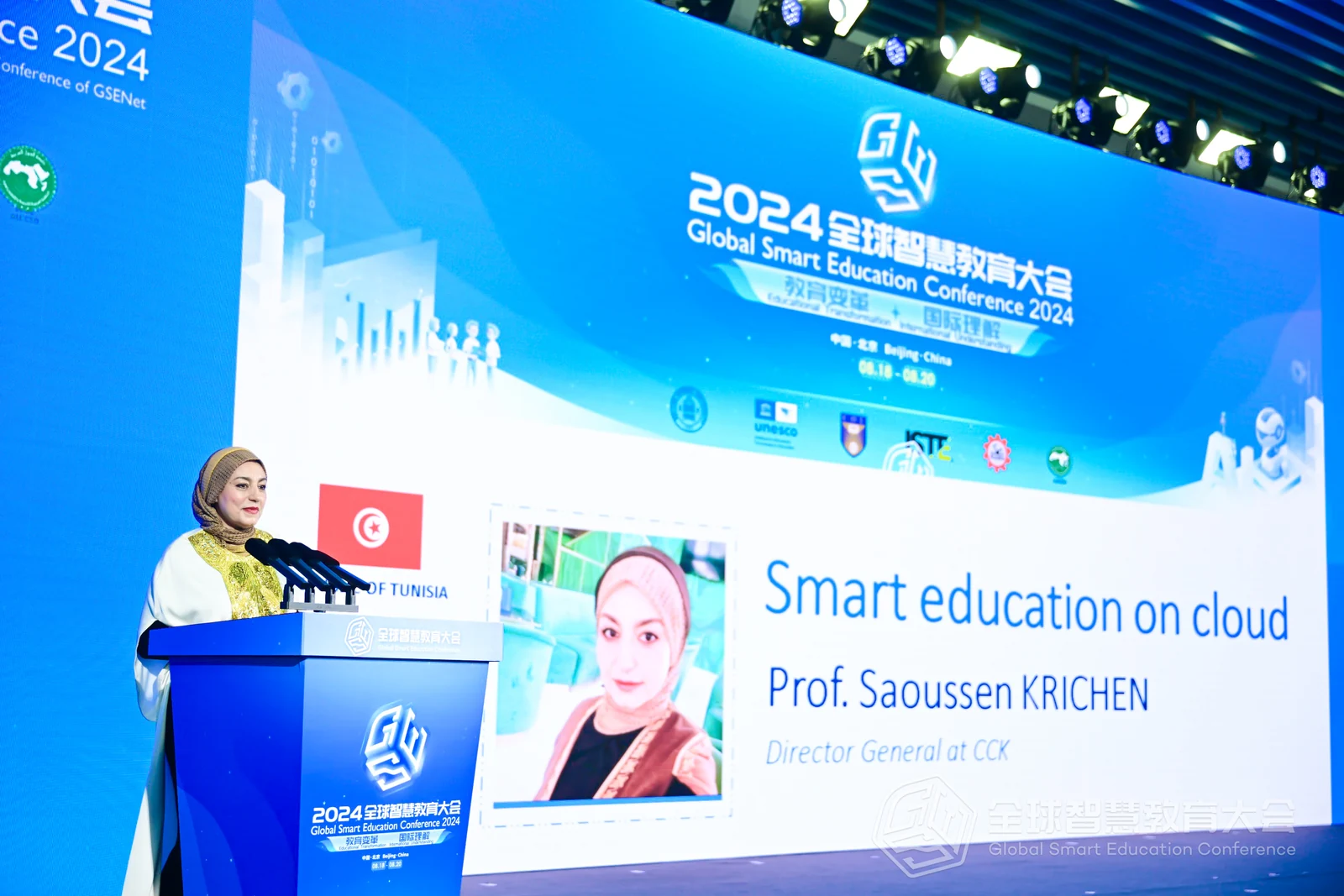
Saoussen Krichen, head of the Centre de Calcul El-Khawarizmi (CCK), under Tunisia’s Ministry of Higher Education and Scientific Research, presented “Smart Education on Cloud”. She discussed academic cloud infrastructure, the educational value of cloud computing and AI, and policy planning, effective resource allocation and equitable opportunities beyond technical upgrading. Her affiliation follows the official conference materials.
International cooperation initiative
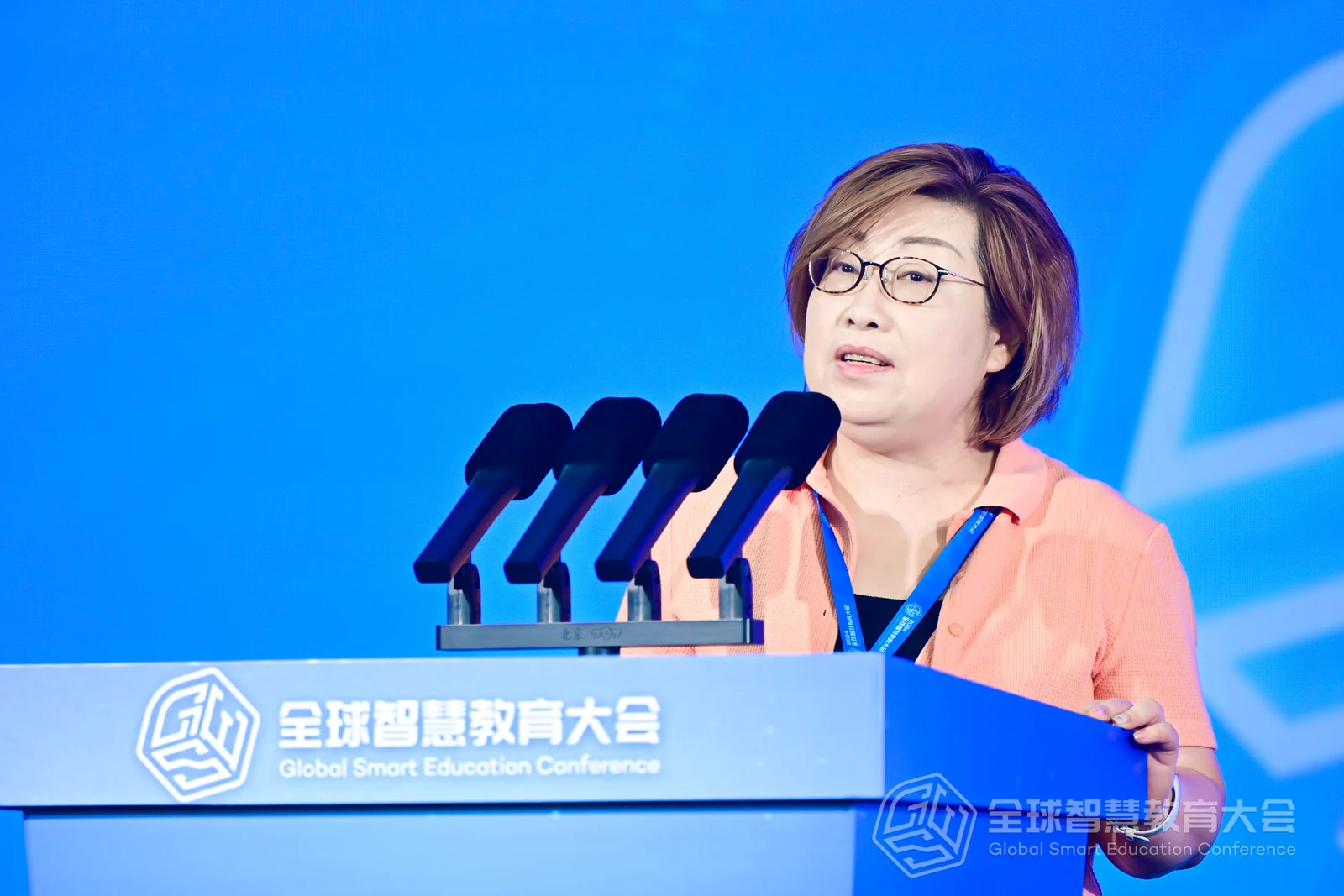
Julia Chen, Director of the Hong Kong Polytechnic University’s Educational Development Centre, introduced the Social Experiment on AI Transforming Higher Education during a partner-recruitment session. The initiative invited educators across disciplines and backgrounds to explore practices through a global network, supporting educational quality and students’ adaptability. This records the cooperation proposal presented in 2024.
Eight university leaders share their practice
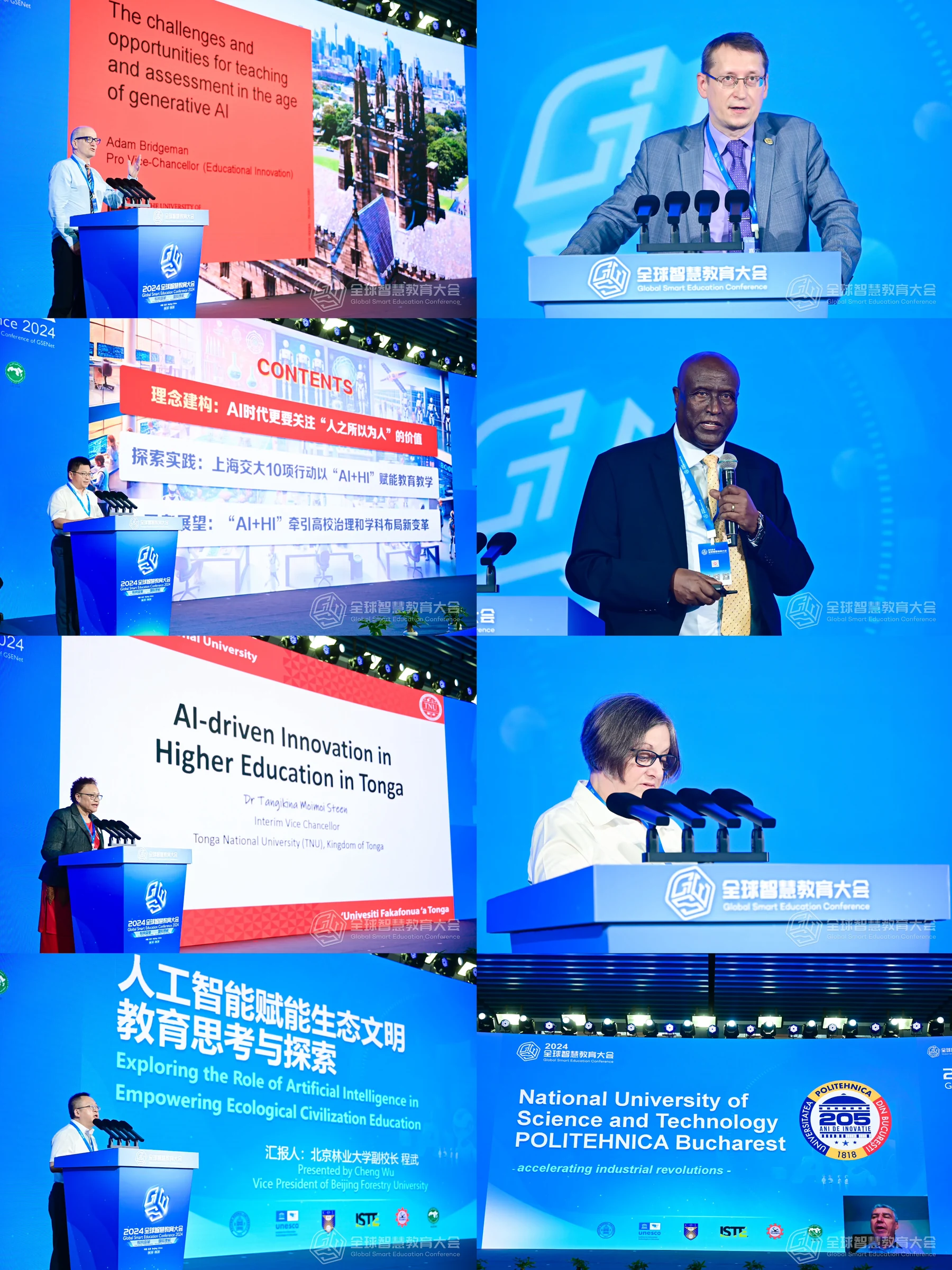
Eight university leaders shared practices concerning learning experiences, assessment, resource constraints, ecological education and responsible governance:
- Adam Bridgeman, Pro Vice-Chancellor for Educational Innovation at the University of Sydney, discussed AI-enhanced learning experiences, assessment and application ethics.
- Zhang Zhaoguo, Vice President of Shanghai Jiao Tong University, presented AI+HI approaches that combine artificial and human intelligence in teaching.
- Tangikina Moimoi-Steen, Interim Vice Chancellor of Tonga National University, described international cooperation for AI-supported teaching under resource constraints.
- Cheng Wu, Vice President of Beijing Forestry University, shared ecological education practices and AI support for environmental research and educational resources.
- Dmitry Mazarchuk, Vice-Rector of the University of the National Academy of Sciences of Belarus, discussed AI-assisted learning tools, online education and students’ digital skills.
- Admasu Tsegaye, former President of Addis Ababa University, Ethiopia, presented AI-driven platforms and distance-learning cases and called for stronger African cooperation.
- Margarita Caballero, Vice President for Economics at the University of Havana, Cuba, considered Latin America’s resource and technology challenges and the opportunities AI creates for reform.
- Viorel Nicolae, Vice Rector of the University of Pitești, Romania, presented by video on AI in higher education, emphasizing collaboration between education and technology, ethics, privacy, safety and controllability.
Further discussion exchanged research and practical experience, offering several pathways for bringing AI into higher education. These are the speakers’ contributions at the 2024 conference, rather than a claim that every application’s effects had been established.
Moderators
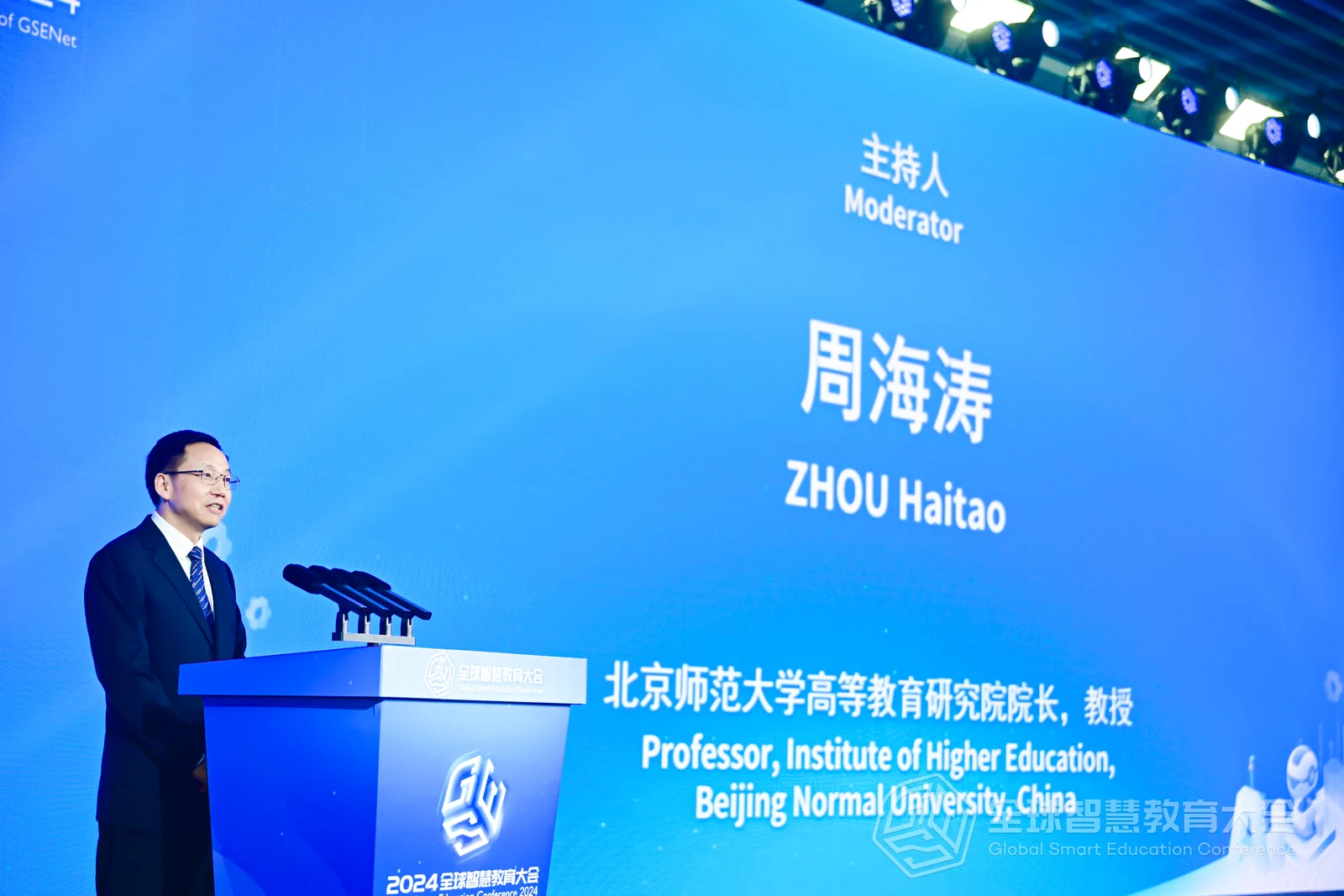
The forum was jointly moderated by Zhou Haitao, Dean of BNU’s Institute of Higher Education, and Julia Chen of the Hong Kong Polytechnic University. Institutional names and positions follow the 2024 conference materials.
Sources, related preview and archive notes
This report remains separate from the historical forum preview. Its text and twelve on-site photographs follow the SLI report. The official conference synthesis was used to check the eight university leaders’ names, affiliations and contributions, and the conference programme to verify roles.
The original site date of 21 August 2024, title and URL are preserved. The event took place on 20 August; SLI’s current listing archives its report on 9 September. The old report mixed up Dmitry Mazarchuk’s name and his Belarusian university affiliation with references to Russia; these have been corrected using the official synthesis. An unavailable opening graphic from the old post has not been recovered. A verified SLI group photograph serves as the cover, and the missing graphic is not counted as restored.
Original link: https://aiedchair.bnu.edu.cn/news-8546-en/