This 2024 historical reference brings together the first 18 “AI + Higher Education” cases selected by the Ministry of Education, covering laboratory teaching, course assistants, cultural innovation, assessment, academic early warning and personalised learning. All original cases and historical figures are retained, together with related links. Descriptions of functions, scale and trial registration refer to the original period.
Case directory
- 01 Peking University
- 02 Tsinghua University
- 03 Beihang University
- 04 Beijing Institute of Technology
- 05 Beijing University of Posts and Telecommunications
- 06 Beijing Normal University
- 07 Communication University of China
- 08 Harbin Institute of Technology
- 09 East China Normal University
- 10 Southeast University
- 11 Zhejiang University
- 12 Huazhong University of Science and Technology
- 13 Huazhong Agricultural University
- 14 Central China Normal University
- 15 Xi’an Jiaotong University
- 16 Xidian University
- 17 Northwest A&F University
- 18 The Open University of China
01 Peking University
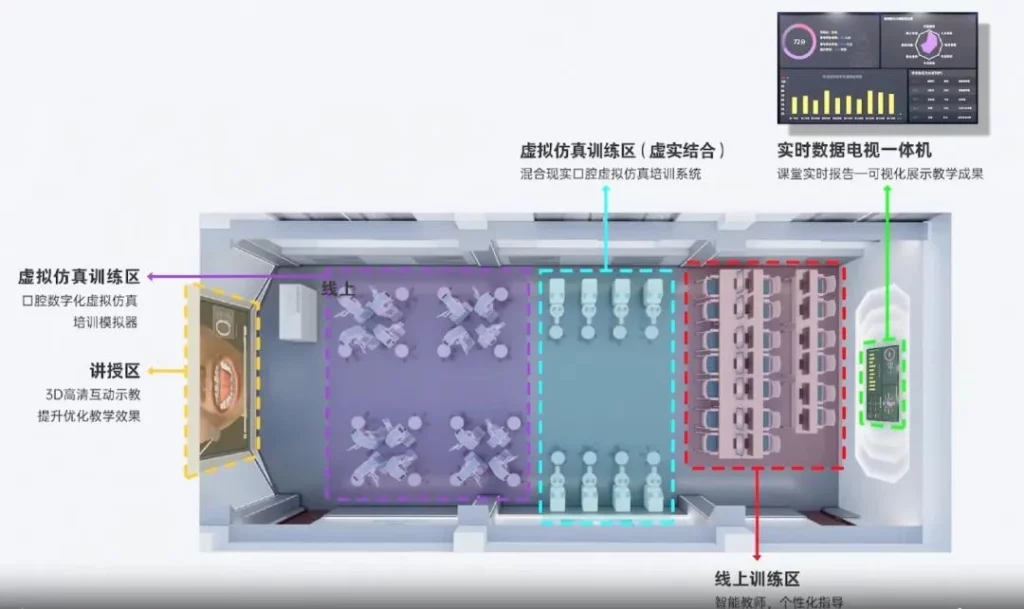
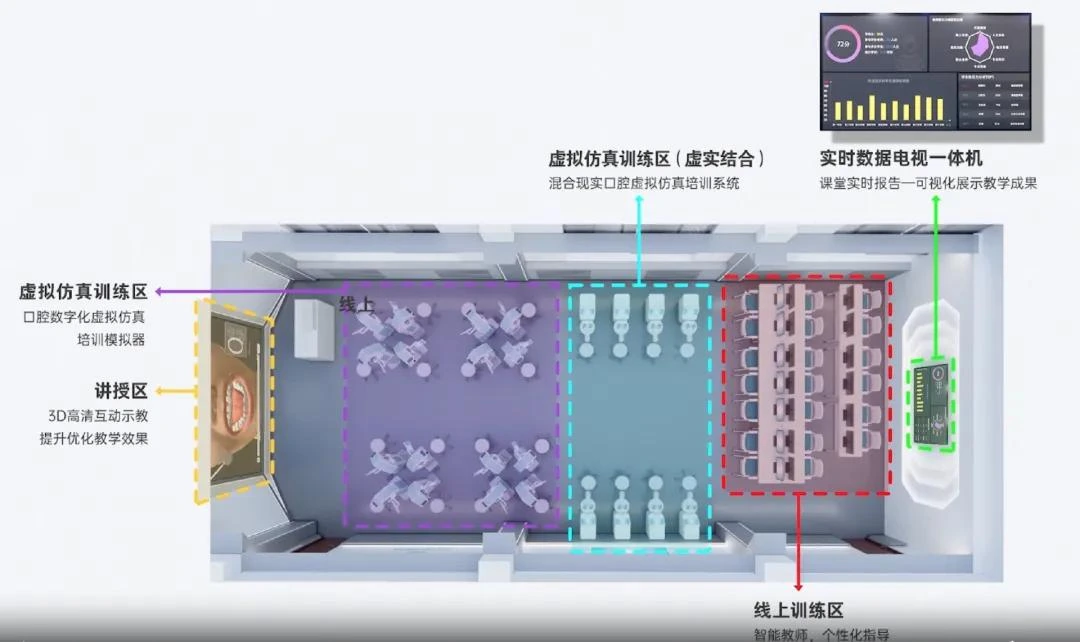
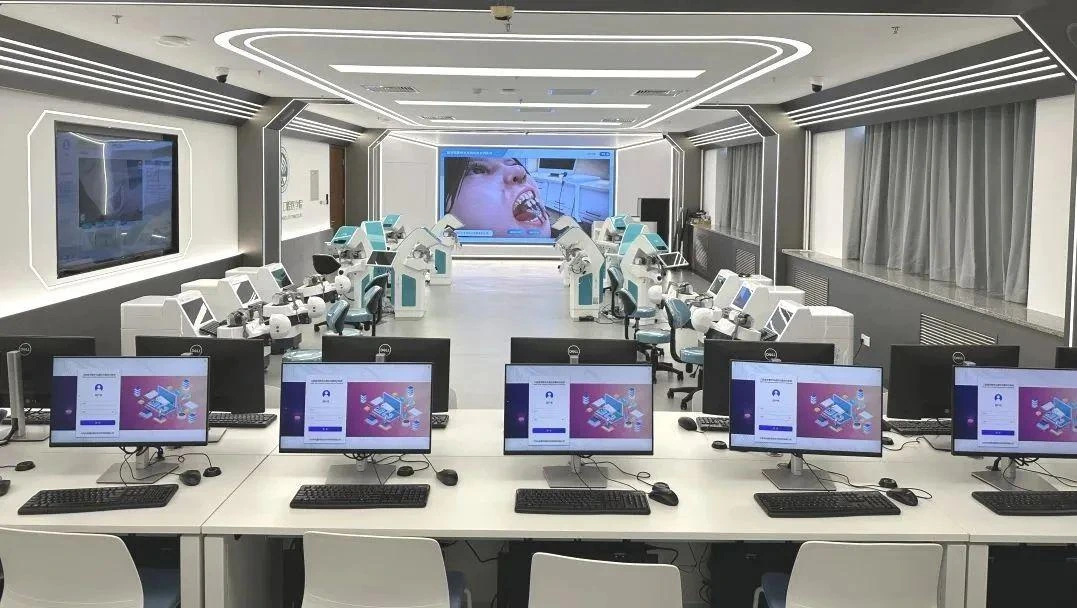
Peking University’s smart dental virtual-simulation laboratory is a multidimensional, integrated training laboratory supported by virtual simulation and big data. It combines intelligent connectivity, management, learning and assessment.
The laboratory includes a teaching area, an online training area and a virtual-simulation training area. The online area supports virtual-simulation experiments and automated assessment, while the simulation area offers several forms of training and assessment with force feedback.
Link listed in the original: https://www.ai.pku.edu.cn · This address is Peking University’s Institute for Artificial Intelligence, not a direct entrance to the dental laboratory.
02 Tsinghua University
Tsinghua University has consistently addressed major national priorities and strategic initiatives and has been at the forefront of artificial intelligence. Its pilot programme for AI-enabled teaching was selected in this round.
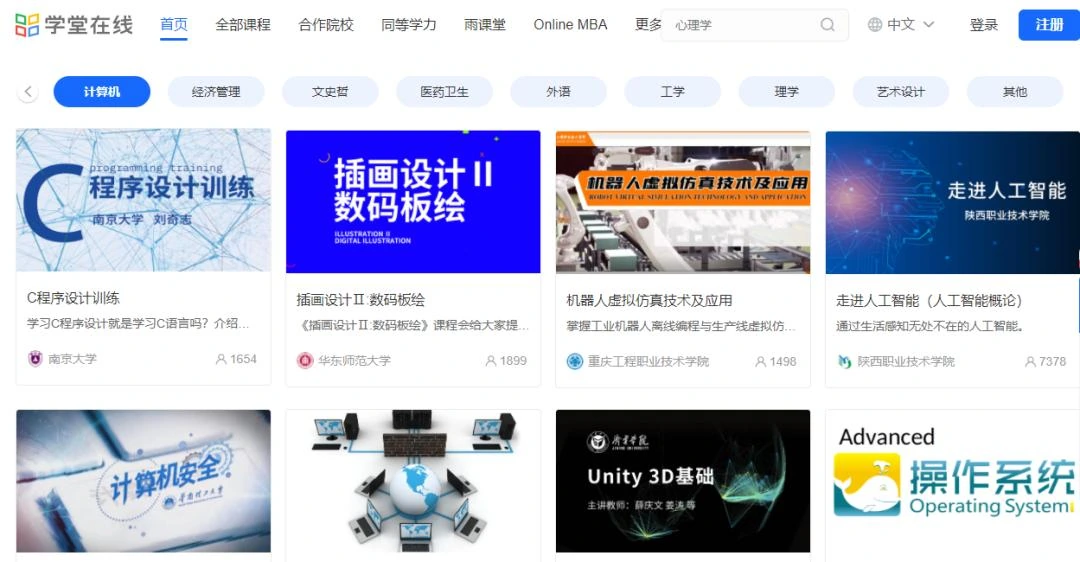
Using GLM4, an independently developed large model with proprietary intellectual property and parameters in the 100-billion range, as its platform and technological foundation, Tsinghua piloted eight courses. Existing teaching data, published papers and MOOC resources were used to fine-tune GLM4 into domain-specific models for individual courses. Dedicated AI teaching assistants were developed to generate examples and questions, answer queries, carry out calculations and reasoning, and provide assessment and guidance.
Link listed in the original: https://www.xuetangx.com
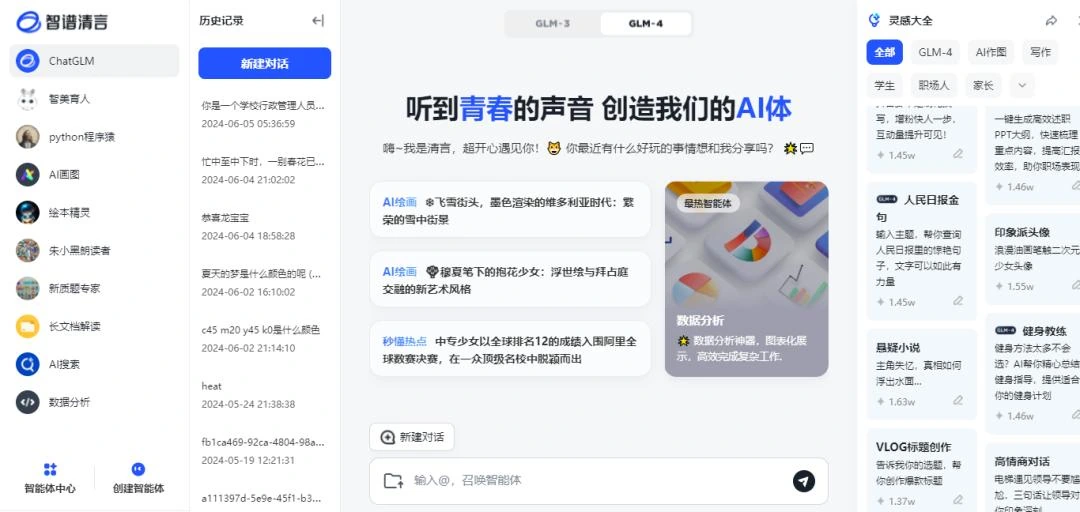
Zhipu Qingyan is built on the Chinese–English bilingual ChatGLM large model. Pretraining on a trillion characters of text and code, combined with supervised fine-tuning, supports general question answering, multi-turn dialogue, creative writing, code generation, simulated conversations, AI image generation, and interpretation of documents and images.
Link listed in the original: https://chatglm.cn/main/alltoolsdetail
03 Beihang University
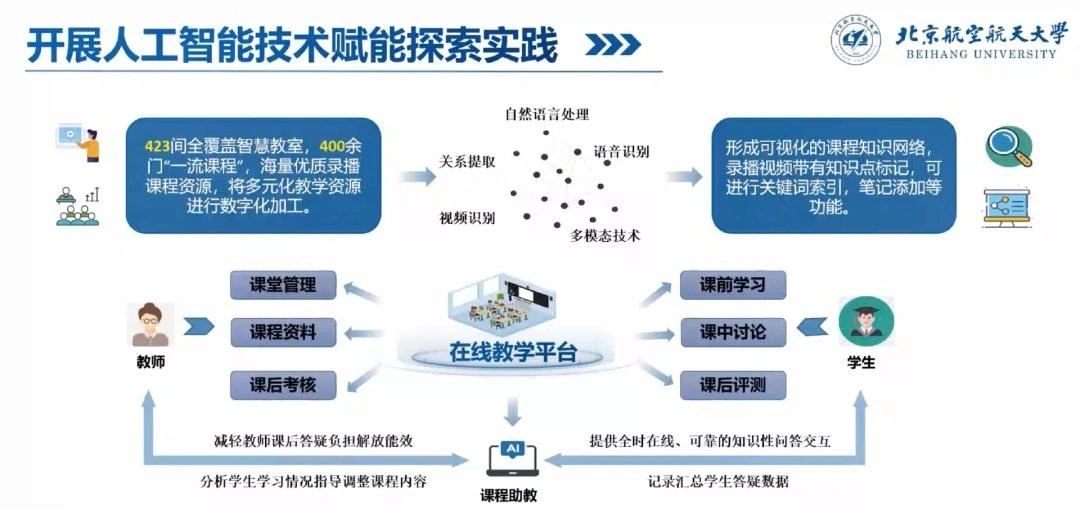
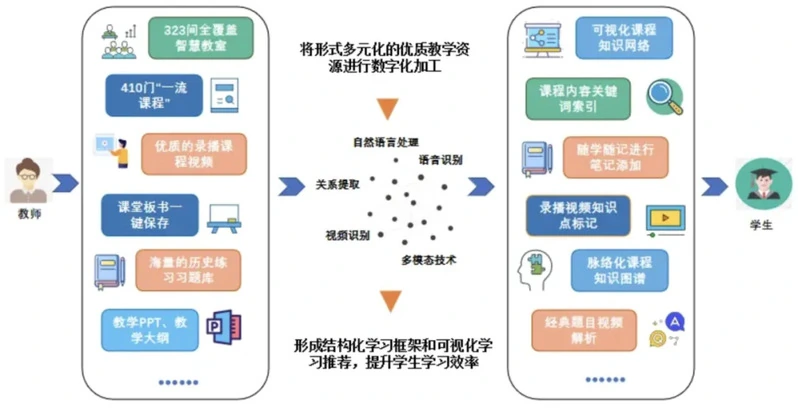
The case “An AI-enabled interactive online teaching platform for the entire teaching process” uses generative large models, deep learning and other AI technologies to connect teachers’ online and offline teaching activities. It forms a complete learning cycle of preparation before class, in-class study, revision after class and course question answering. Recorded course resources are digitally processed using the university’s 323 smart classrooms as the underlying infrastructure.
Supported by this platform covering the full teaching process, an intelligent question-answering companion was developed to provide round-the-clock assistance with problems encountered during learning.
Link listed in the original: https://spoc.buaa.edu.cn/aidemo
04 Beijing Institute of Technology
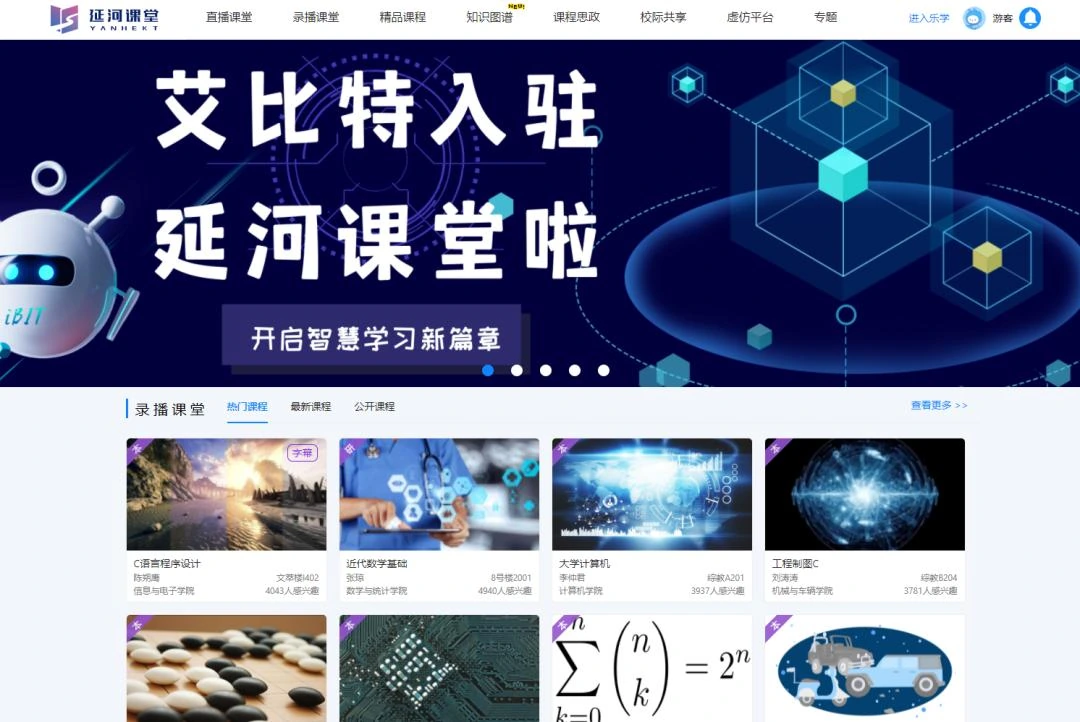
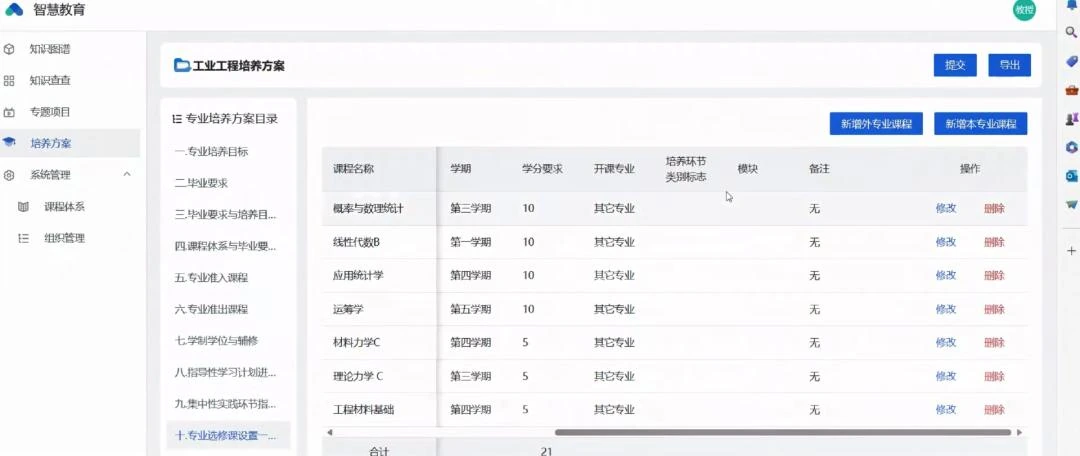
The case “Development and application of a knowledge-graph-driven smart teaching system” comprises “one core, four platforms and multiple scenarios”. A disciplinary knowledge-graph construction and service system forms the knowledge core. Four customised platforms—Lexue, Yanhe Classroom, academic big-data analysis and academic administration—provide the supporting infrastructure. The customised “艾比特” robot establishes a new way of delivering and interacting with knowledge services.
Knowledge-graph technologies are driving the development and application of smart teaching systems. They help educators organise teaching content efficiently and provide students with customised learning pathways and resources, enriching both teaching methods and learning experiences.
Link listed in the original: https://www.yanhekt.cn/show · Access restricted during this check
05 Beijing University of Posts and Telecommunications
The “码上” programming platform uses advanced large-model technologies to bring intelligent support to programming education.
Its large-model capabilities create a new intelligent programming-learning environment for teachers and students. Teachers can explain programming knowledge more efficiently, while students develop a deeper understanding through hands-on practice and interaction.
Link listed in the original: https://ezcoding.bupt.edu.cn · This legacy address currently redirects to BUPT’s Trufar community.
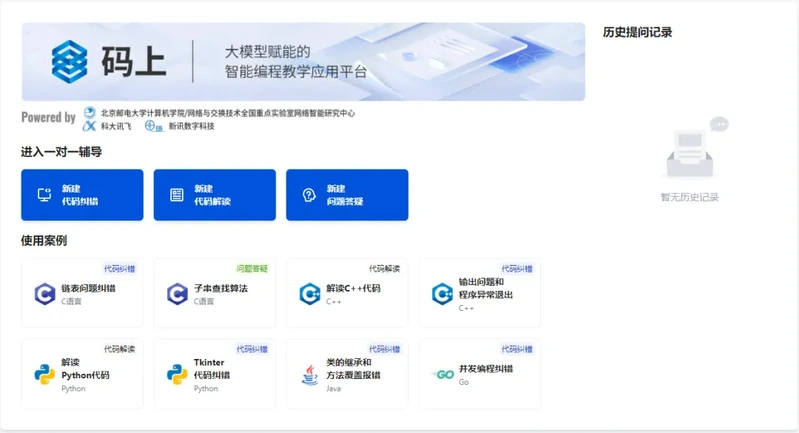
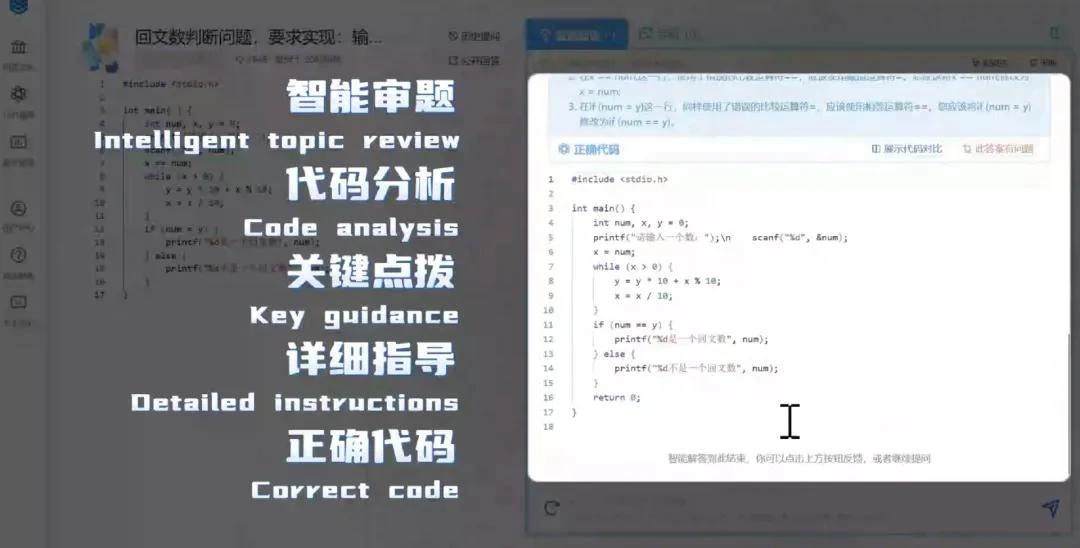
A key feature of “码上” is one-to-one tutoring, including intelligent support for correcting code, answering questions and explaining code.
06 Beijing Normal University
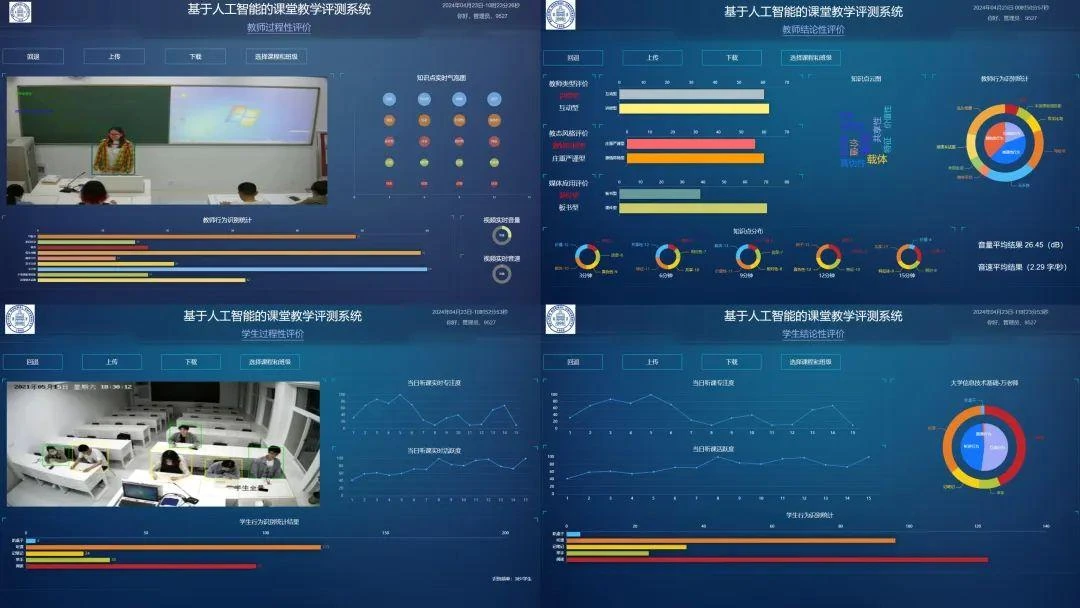
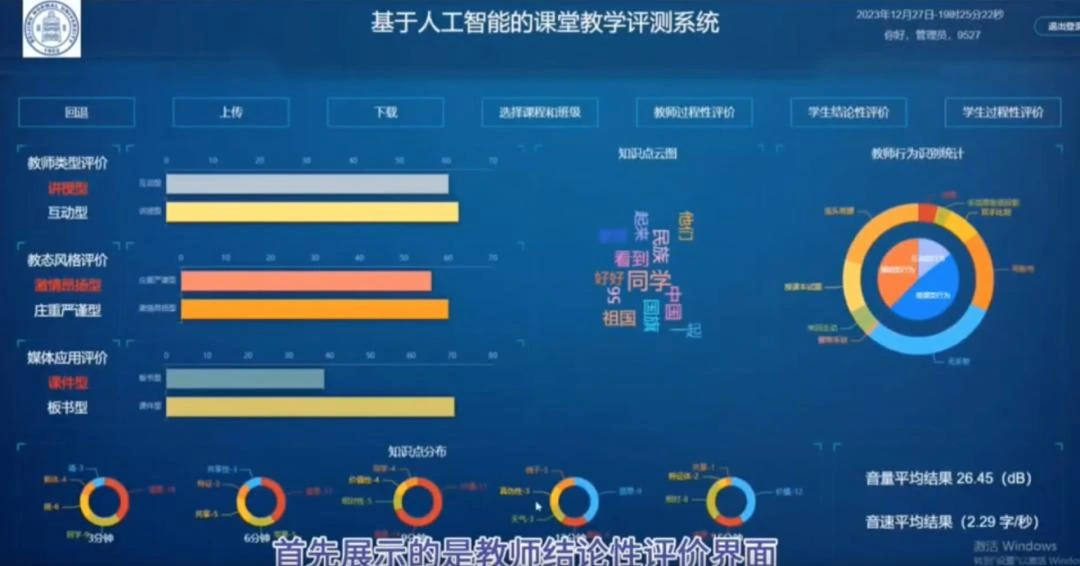
Beijing Normal University’s innovative AI classroom teaching assessment system uses smart classrooms equipped with advanced servers, intelligent cameras, audio equipment and screen-sharing devices, interconnected through smart connections. An intelligent management system monitors classroom teaching in real time and provides personalised teaching services.
The “AI+” classroom teaching assessment system monitors and analyses teachers’ instructional behaviour, students’ learning behaviour, teaching content and classroom organisation in real time. It quantifies and visualises multiple indicators, including teachers’ presentation styles, students’ attention and the knowledge points taught.
Link listed in the original: https://aic-fe.bnu.edu.cn/index.html
07 Communication University of China
“AIGC empowering the inheritance and innovation of traditional culture” explores ways to combine large AI models with traditional culture. After learning from extensive traditional-cultural materials, AI-generated content can digitally reconstruct certain cultural forms at risk of disappearing, helping preserve their content and forms.
AIGC can also support the entire creative process, promoting digital transformation and innovation in cultural creativity.
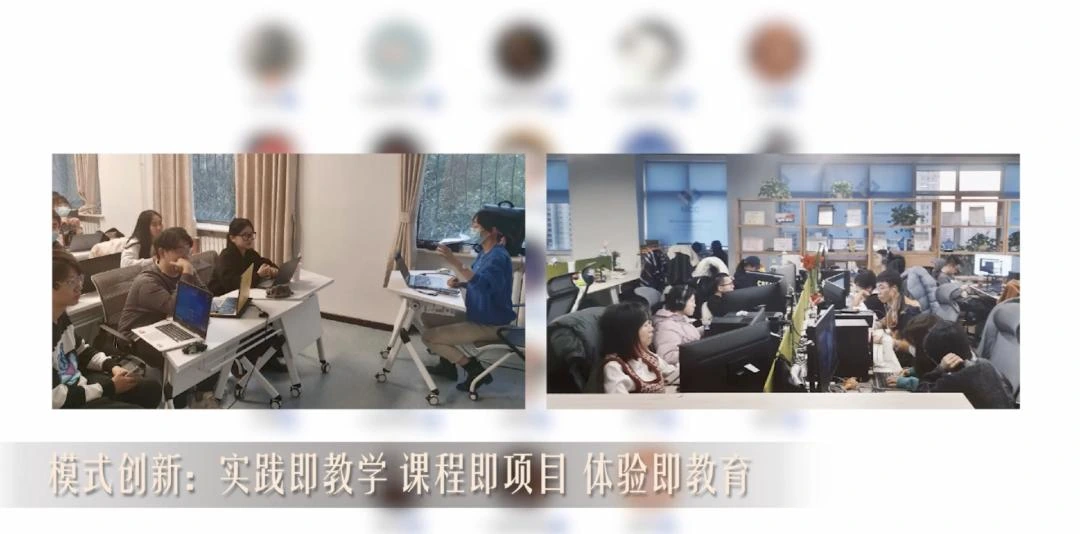
A third possibility is innovation in models, formats and technologies. For example, practice can become teaching, courses can become projects and experience can become education. Formats can combine flipped classrooms, outcome-oriented learning and intelligent efficiency gains, while technologies include AI video editing and AI image-generation systems.
Link listed in the original: https://www.cuc.edu.cn/main.htm
08 Harbin Institute of Technology
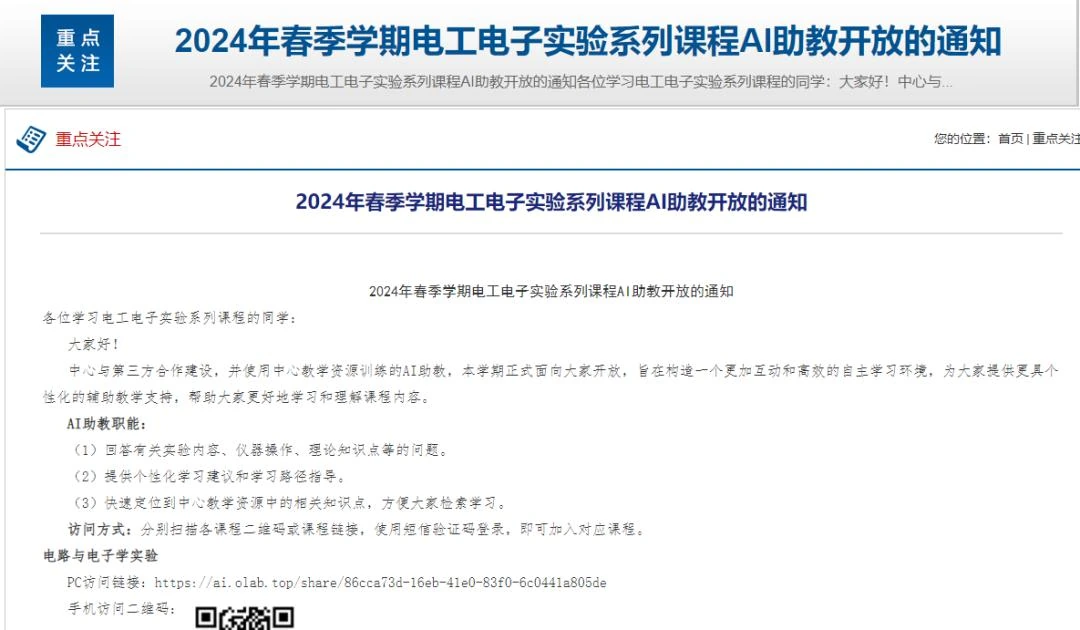
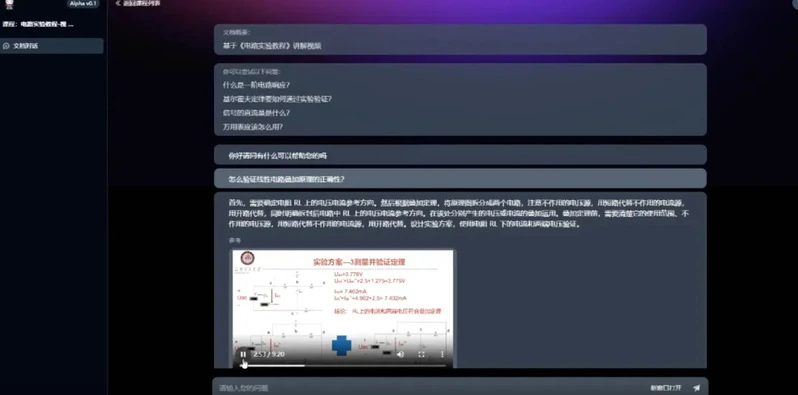
With AI technologies, Harbin Institute of Technology introduced a project for teaching electrical and electronic laboratory courses. It offers more interactive and personalised learning, seeking to improve educators’ teaching effectiveness and students’ learning efficiency. From a remote online laboratory platform to intelligent teaching assistants and virtual digital teachers, AI is being integrated into platform development, production of learning resources and the full laboratory-teaching process.
Link listed in the original: https://eelab.hit.edu.cn/2024/0407/c13879a341498/page.htm · Returned a notice page during this check
Students can use an AI learning system to prepare for the “Inorganic and Analytical Chemistry” course. The AI assistant’s answers help clarify difficult and important topics. Professors in the School of Chemistry and Chemical Engineering who teach the course then use the issues raised during students’ independent learning to deliver focused explanations in offline smart classrooms.
09 East China Normal University
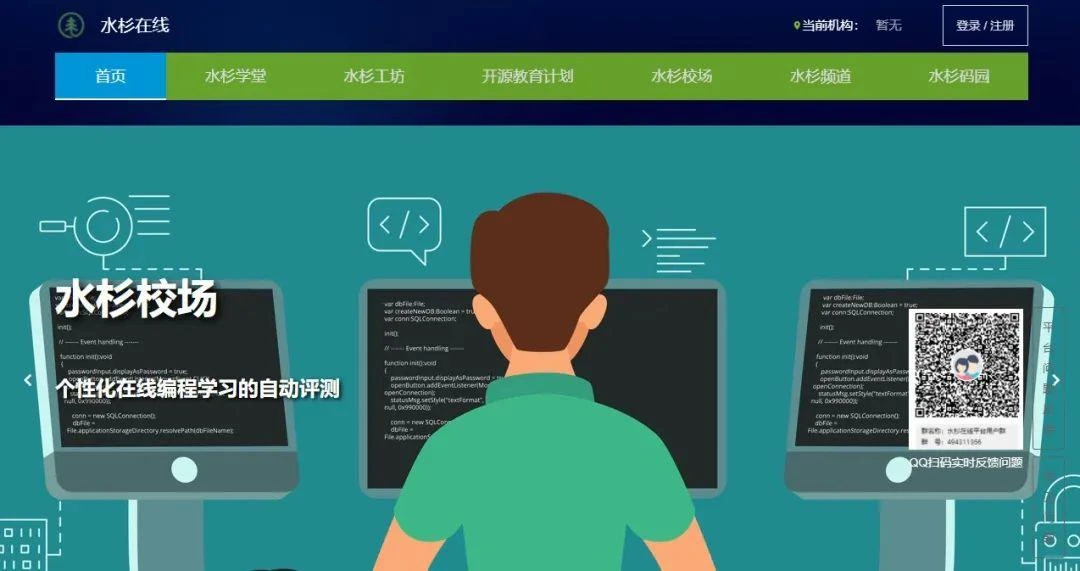
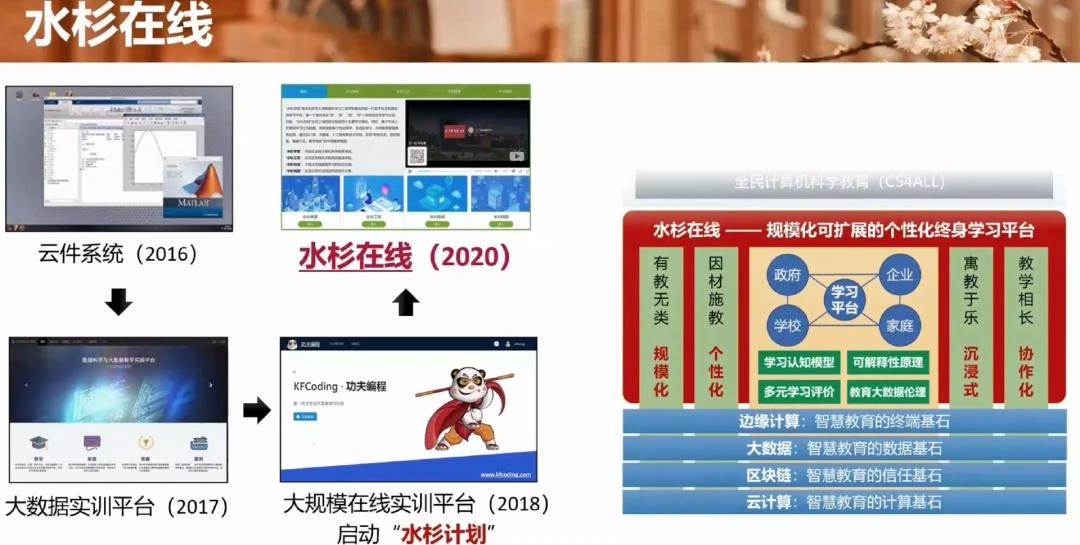
Shuishan Online is a large-scale personalised initiative to improve digital literacy for the wider public. It integrates teaching, learning, practice, testing, assessment and creation into a comprehensive learning community, providing educators with customised teaching experiences. It addresses the needs and interests of students from different backgrounds while improving their digital literacy.
Link listed in the original: https://www.shuishan.net.cn
10 Southeast University
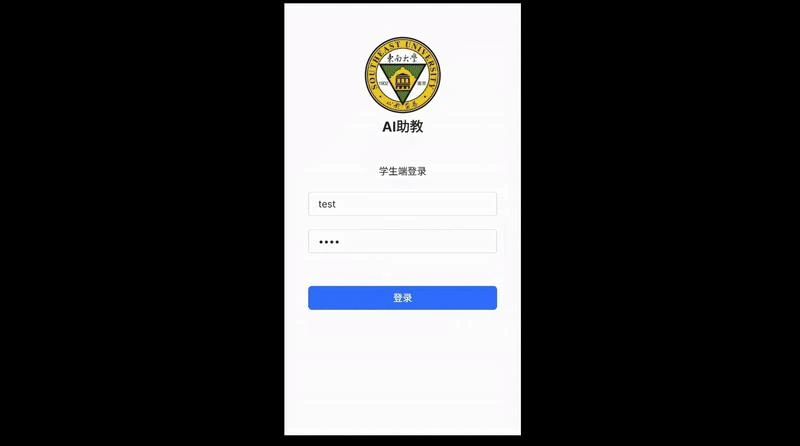
The “Smart AI teaching assistant system for University Physics” uses AI to support teaching in the University Physics course. It can:
Visualise knowledge through a course knowledge graph, helping students construct a complete and accurate knowledge system;
Link knowledge points to different teaching resources and record student information and learning data to build precise learner profiles, supporting personalised resource recommendations and learning guidance;
Help teachers understand students’ learning situations and needs and adjust teaching strategies promptly. Human–AI dialogue provides learning companionship and intelligent question answering, stimulating interest and intrinsic motivation.
Link listed in the original: https://www.seu.edu.cn · Access restricted during this check
11 Zhejiang University
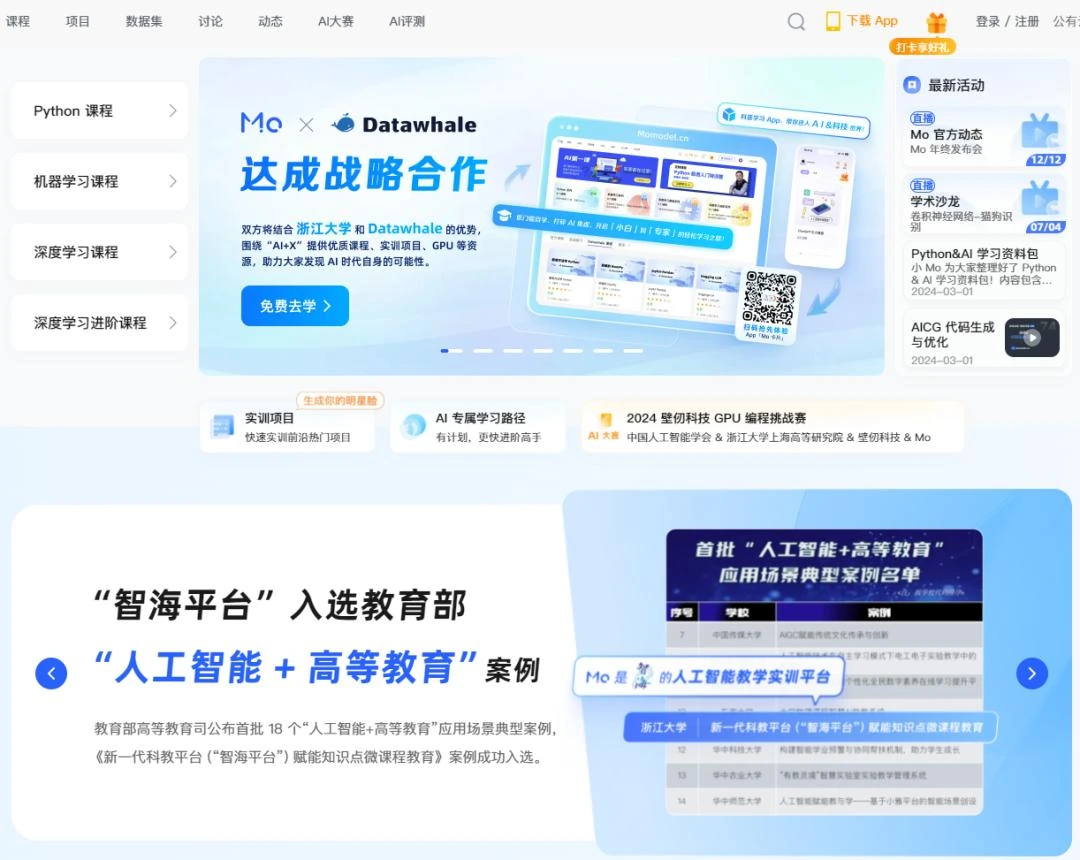
The “Zhihai Platform” is a new-generation platform for research and education that supports precise teaching through knowledge-point micro-courses. It helps educators design and deliver more targeted and efficient content, improving students’ learning efficiency and motivation. Three main features are:
1. Knowledge-point-centred integration of digital teaching resources: videos, audio, practical-training cases and PowerPoint materials are organised into structured resources by knowledge point.
2. The interactive Zhihai–Mo practical-training platform (momodel.cn) offers immersive interactive teaching, learning by doing and accessible online model development.
3. The intelligent educational large model Zhihai–Sanle (sanle.hep.com.cn) provides personalised learning functions such as immediate answers and resource recommendations. It is made available through the cloud services platform of Higher Education Press.
Link listed in the original: https://momodel.cn · Under maintenance during this check
12 Huazhong University of Science and Technology
Huazhong University of Science and Technology is building an intelligent academic early-warning and coordinated-support mechanism. Advanced data analysis and intelligent technologies identify learning risks and enable timely, coordinated assistance to support every student’s development. Precise analysis and personalised interventions provide targeted help.
The intelligent academic early-warning system is part of a “one-stop” smart service platform for the student community, supporting the identification of academic difficulties and assistance for affected students.
Using historical course-grade data, the university developed an AI-based academic early-warning model and system. It analyses learning, forecasts students’ academic situations in the current semester and issues graded warnings about learning problems and difficulties, helping the university deliver targeted academic guidance and support.
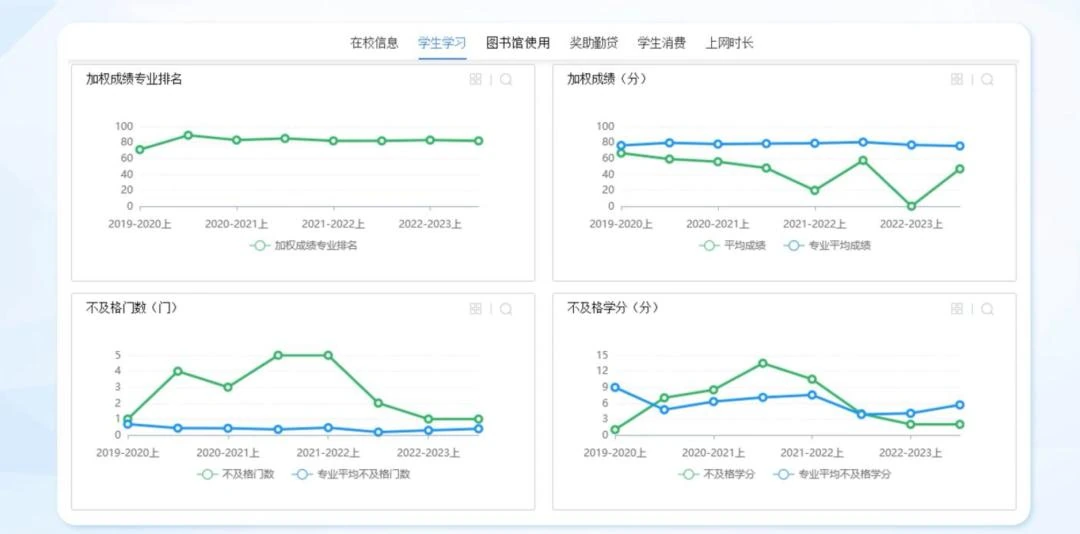
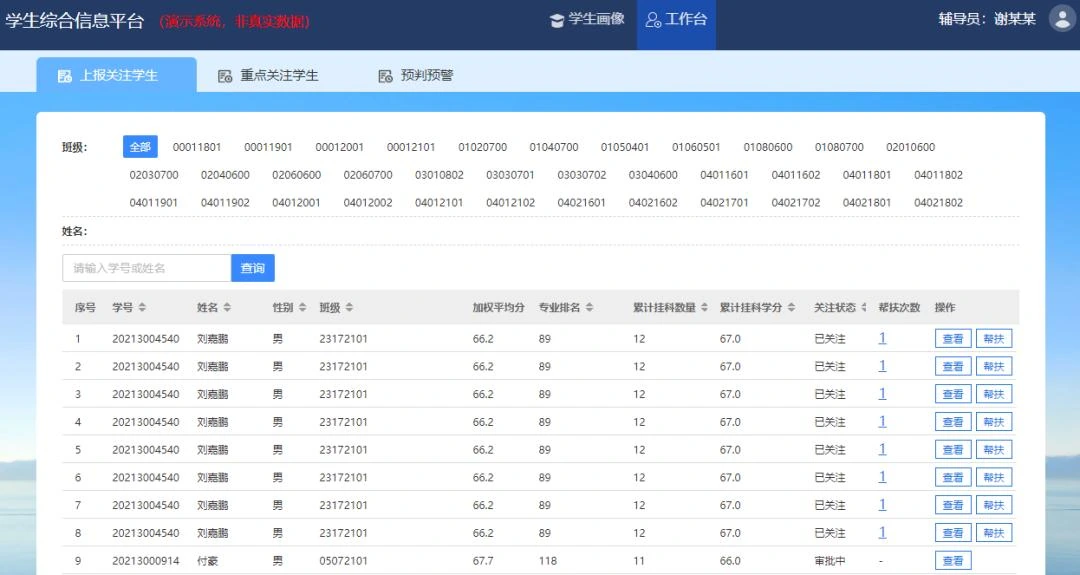
According to the university’s historical figures, the system went online in September 2021 and was available to the student affairs department and 42 schools and departments, covering 30,000 undergraduates. By December 2023, it had flagged 2,486 students experiencing academic difficulties. Support had reached 1,135 students, including 840 identified by the system, through 4,520 assistance instances; 490 students had moved out of academic difficulty.
13 Huazhong Agricultural University
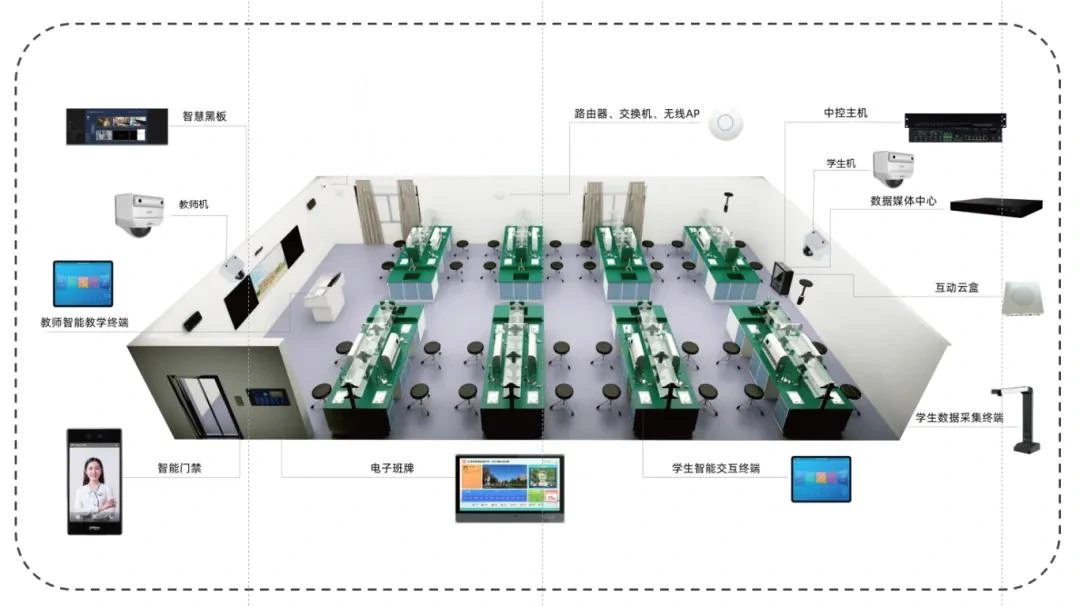
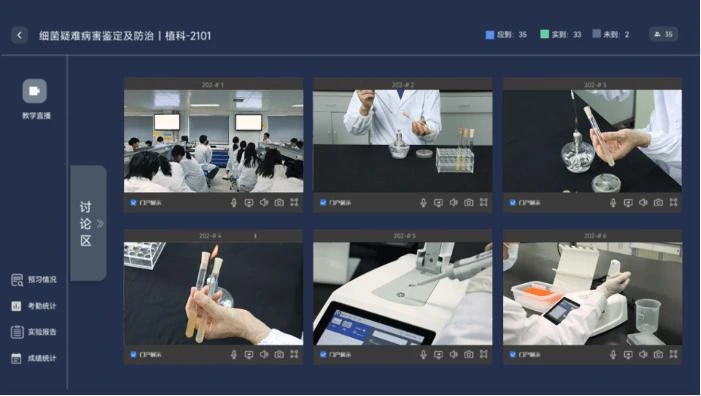
Huazhong Agricultural University’s AI work focuses on laboratories and teaching management. Its selected case is the “有教灵境” smart laboratory experimental-teaching management system. It integrates virtual-simulation experiments, smart experimental teaching, smart practical placements and laboratory management. Teachers can send demonstration-bench video and course materials to large displays and students’ interactive terminals, allowing everyone to see demonstrations and materials clearly without gathering around the bench.
Teachers can monitor each laboratory bench in real time, assess students’ practical skills and provide differentiated guidance. They can also select feeds from several benches and share them on large displays and student terminals for comparative teaching. Demonstrations and student operations are recorded automatically and uploaded, allowing the whole experimental-teaching process to be reviewed and course resources to accumulate. From the lectern, teachers can view students’ practical work simultaneously. The system can collect classroom activity data and use AI-based statistical analysis to generate teaching data, providing visual evidence for teaching research and evaluation.
Link listed in the original: https://www.hzau.edu.cn · Access restricted during this check
14 Central China Normal University
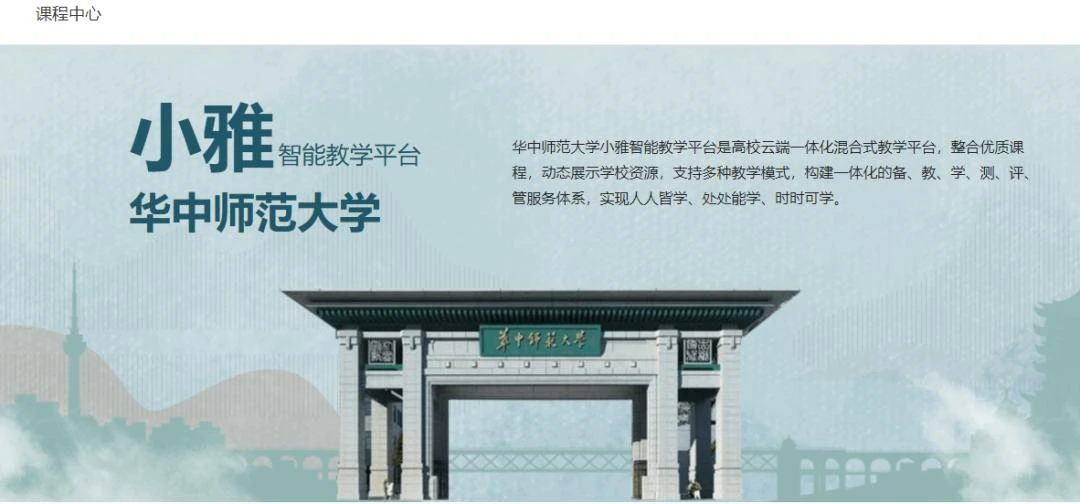
The Xiaoya platform uses AI to support educational innovation and new intelligent learning scenarios. Its features include intelligence, integration, data-based operation and openness, enabling AI support throughout teaching and learning.
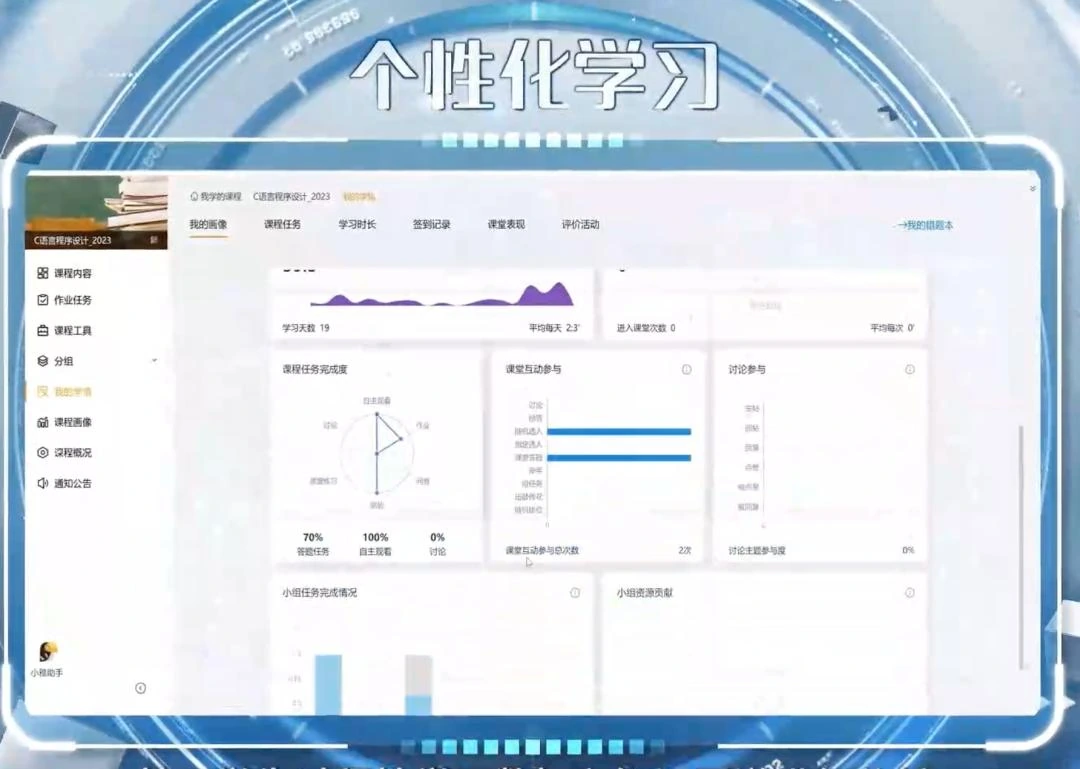
Developed independently by Central China Normal University, Xiaoya is an integrated cloud-based intelligent SPOC education platform. Advanced AI helps educators create vivid, engaging learning scenarios and improve participation and learning experiences. At the time of the original report, it offered 65,000 online course spaces and more than 2.2 million digital learning resources, had served over 160,000 users, and used more than 400 data observation points to collect teaching-process data dynamically.
The platform combines course knowledge graphs, intelligent question answering and recommendations into a blended teaching-and-learning environment. Its data-driven services cover preparation, teaching, learning, testing, assessment, supervision and management. It makes teaching theories concrete, standardises instructional design, records teaching behaviour as data and improves the precision of teacher evaluation, supporting deeper integration of big data and AI into higher education.
Link listed in the original: https://ccnu.ai-augmented.com/home
15 Xi’an Jiaotong University
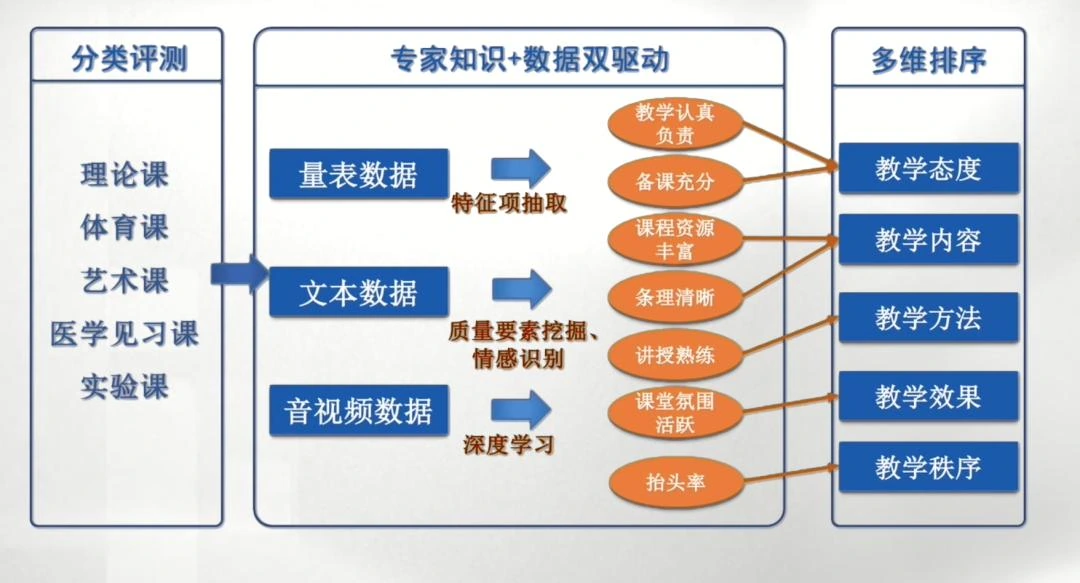
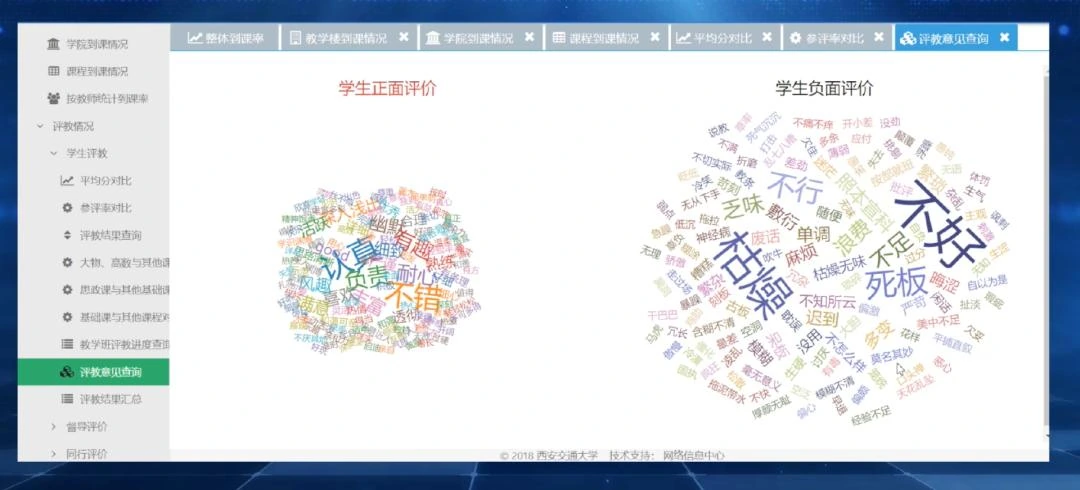
Xi’an Jiaotong University’s selected case is “Pioneering a digital-intelligence platform for real-time teaching-quality monitoring and creating a new teaching-management mechanism through four precise processes: collection, assessment, supervision and support”.
Its big-data platform for real-time education and teaching-quality monitoring establishes mechanisms for information collection, assessment, supervision and feedback. It intelligently analyses the factors affecting classroom teaching quality and provides users with digital services covering the full process of classroom quality supervision.
Link listed in the original: http://www.xjtu.edu.cn/
16 Xidian University
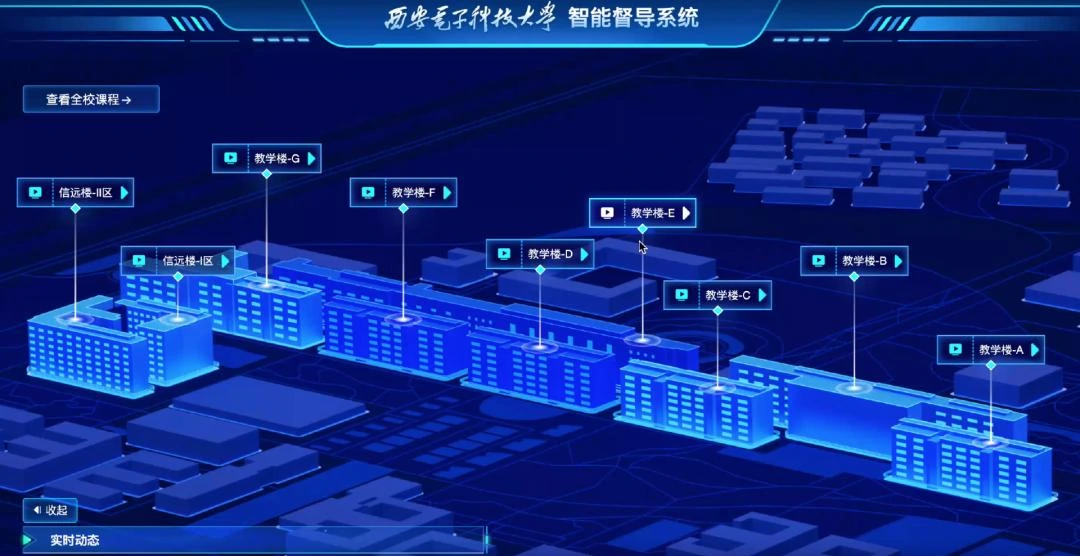
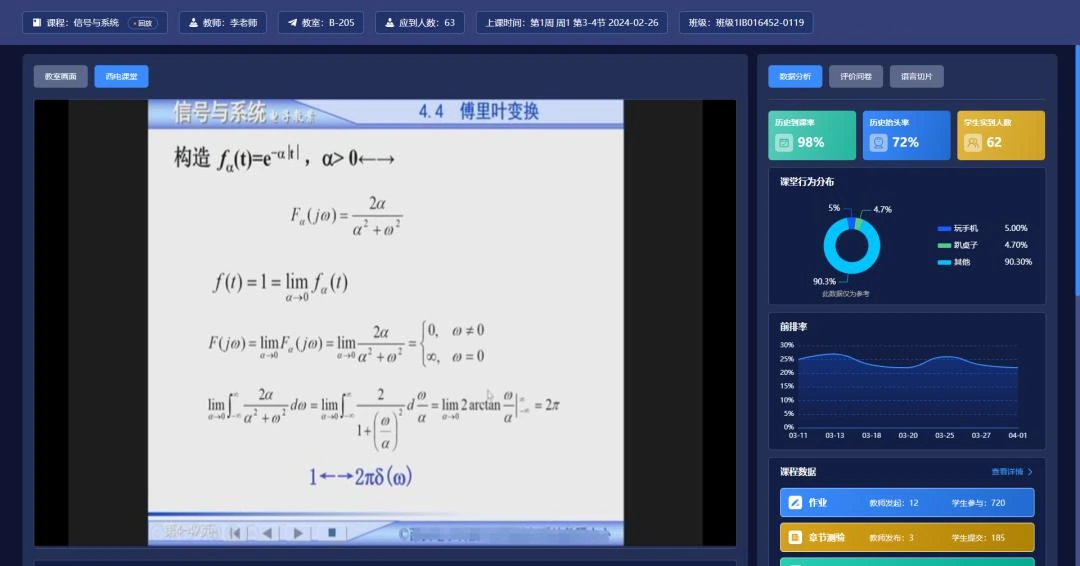
“Creating a new model of AI-enabled teaching supervision and a new engine for improving teaching quality”.
At Xidian University, AI-enabled supervision is becoming a new driver of teaching quality. Intelligent methods help educators monitor and assess teaching more precisely and continually improve teaching methods and strategies.
To address separation between online and offline supervision, incomplete assessment and insufficient data analysis in conventional approaches, Xidian built an integrated classroom teaching supervision centre using AI, big data and other digital technologies. It supports comprehensive, real-time teaching-quality monitoring for both online and offline classes.
Link listed in the original: https://xidianints.xidian.edu.cn · Could not be reached during this check
17 Northwest A&F University
Northwest A&F University’s selected case focuses on practical learning and is entitled “Smart Crop Production Practice”.
Crop-production environments are complex, changeable and constrained by seasonal farming schedules. Digital and intelligent upgrades face challenges in collecting and processing agricultural information, production decisions and field operations. For example, data collection involves climate, soil and crop growth; traditional manual collection is inefficient and prone to error.
To address inefficient crop monitoring, reliance on experience in farming decisions and agricultural machinery operations with poor efficiency and results, Northwest A&F University developed a comprehensive system centred on “AI + crop production”.
Link listed in the original: https://www.nwafu.edu.cn
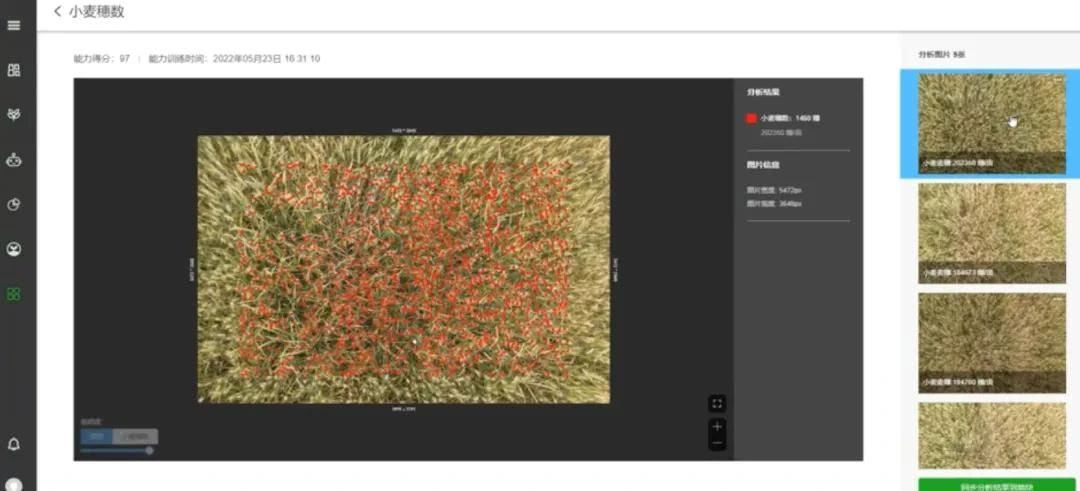
The overall architecture has three main modules: multidimensional sensing of agricultural conditions, digital design of cropping systems and precision field-management operations. It uses intelligent sensing equipment such as drone remote-sensing systems and sensors; platforms for big-data processing, mining and visualisation; and intelligent operating equipment such as agricultural robots and drones. Smart crop-production practice develops students’ practical capabilities and innovative competencies in efficient agricultural data collection, information mining, production decision-making and intelligent operations.
18 The Open University of China
The Open University of China’s selected case is “Innovative practice in large-scale personalised English teaching based on AI large-model technologies”.
The university serves more than three million English learners each year, with diverse learning needs. English teaching requires extensive interaction, timely feedback and personalised learning support.
Using an iFLYTEK large model, the university built a large-scale personalised intelligent teaching system. It includes an intelligent English speaking-practice system providing timely feedback on multiple dimensions; an automated writing-assessment system with prompt reviews and revision suggestions; customised virtual-teacher course resources exploring new ways to produce generative learning resources; an adaptive degree-English learning system based on a knowledge graph, supporting independent study according to individual needs; and an AI virtual teacher for intelligent question answering, providing 24-hour knowledge services together with related knowledge points and cited resources.
Link listed in the original: http://www.ouchn.edu.cn/

Further reflection
These “AI + Higher Education” cases can enrich educators’ resource collections and provide students with more efficient, personalised learning pathways. The original article collected related website addresses for all 18 cases and suggested visiting the official sites for details; it noted that some platforms then allowed registration and trial use.
As technology develops, education may become more intelligent and personalised and better respond to learners’ diverse needs. Inspired by these examples, institutions can explore and practise “AI + education” in ways suited to their own circumstances, use AI to innovate in teaching and learning, broaden its educational applications and continually improve the quality of talent development.
Original source credit: the Creative Planet STEAM Studio official WeChat account (创意星球STEAM工作室).
Sources and historical context
The full text follows the Chair archive of 19 July 2024, which credits the Creative Planet STEAM Studio WeChat account. Images were checked against the Teaching Weekly of Henan Finance University and matching republications by Zhengzhou University of Light Industry. Thirty-one case images are provided; the original opening cover remains unrecovered. Some republished screenshots differ in version or dimensions; the lost Chair PNG files are not claimed to have been recovered. Beihang’s two diagrams show 423 classrooms/400 courses and 323 classrooms/410 courses respectively. The body retains the original figure of 323 classrooms; these different scopes are not combined.
Links preserve their historical source relationship and were checked on 3 November 2026. A university homepage is not a direct case-system entry, and a successful webpage response does not verify features, accounts, free allowances or trial registration. Maintenance, access restrictions, moves and notice pages are indicated where observed.
Image, text and announcement references: Original Chinese Chair archive · Henan Finance University Teaching Weekly, week 16, pages 46–66 · Zhengzhou University of Light Industry republication, part I · Zhengzhou University of Light Industry republication, part II · Ministry of Education notice, published 17 April 2024
Find courses and AI learning resources in the resource centre
Original link: https://aiedchair.bnu.edu.cn/news-9251-en/