Historical archive: the Chair’s original English publication date, 18 August 2023, is retained. Roles, discussions and plans are presented in their historical context.
On this page
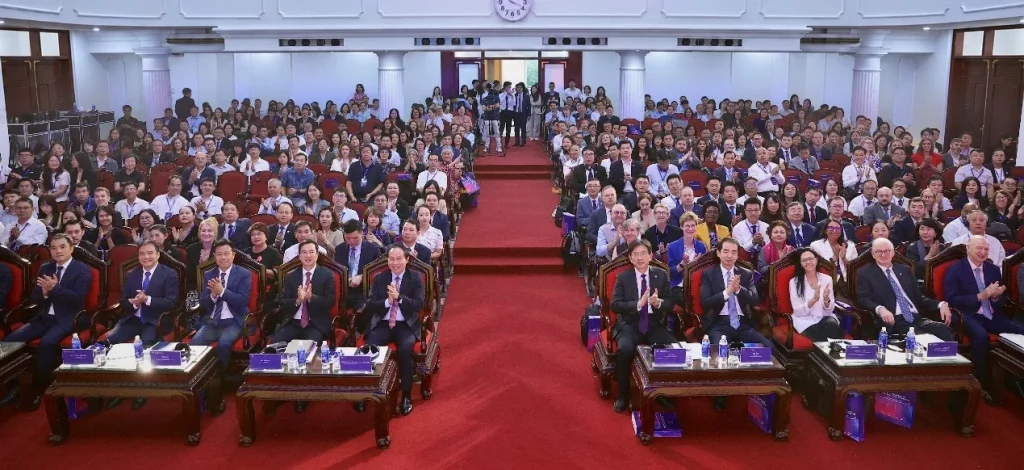
The 2023 Global Smart Education Conference commenced in Beijing on August 18th, setting its focus on the theme of "Education Transformation and Data Governance." This distinguished event extended invitations to experts, scholars, and educators hailing from various sectors encompassing education, technology, and business, both nationally and internationally. Their collective objective was to engage in discussions concerning the strategies and pathways for digitally transforming education, emphasizing the pivotal role of technology-enabled education mechanisms. Additionally, the conference aimed to delve into the establishment of regional smart education ecosystems and fostering a culture of lifelong learning. The event drew an impressive turnout, boasting participation from over 300 esteemed international and domestic guests, alongside a staggering 1,200 on-site attendees.
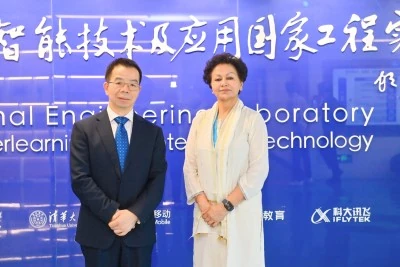
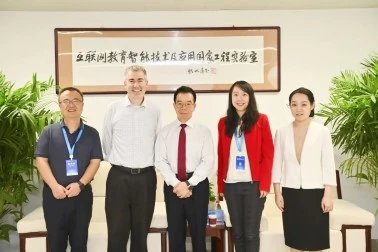
During the Global Smart Education (GSE) Conference, Prof. Huang Ronghuai, the UNESCO Chair on AI in Education, seized the opportunity to engage in formal discussions with global government leaders, international organization representatives, and fellow UNESCO Chairs. These deliberations focused on a wide spectrum of critical topics related to education and technology, aiming to nurture future collaborations and partnerships.
UNESCO IIEP & UNESCO IITE
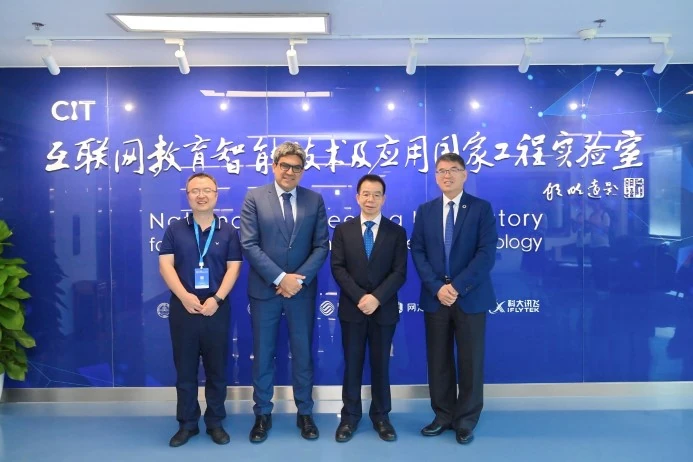
Big data and AI offer substantial potential for enhancing educational planning and management. By leveraging these technologies, UNESCO IIEP aims to improve the efficiency of educational development planning, focusing on effectiveness and adapting policies to evolving educational needs. Additionally, AI enables the aggregation of policy recommendations worldwide, creating a comprehensive policy data repository and supporting quantitative research through document analysis. Simultaneously, IIEP seeks collaboration with the UNESCO Institute for Information Technologies in Education (IITE) for Asian regional projects and explores joint initiatives to enhance practical cooperation and knowledge sharing.
In this pursuit of collaboration, Prof. HUANG Ronghuai, the UNESCO Chair on AI in Education and Co-dean of the Smart Learning Institute at Beijing Normal University (BNU) engaged with Dr. Martín Benavides, Director of UNESCO IIEP and Dr. ZHAN Tao, Director of UNESCO IITE to discuss future collaboration. Prof. YANG Junfeng at Hangzhou Normal University, Deputy Director of Education Informatization Strategy Research Base (CIT) attended the meeting.
Looking ahead, the Chair is committed to strengthening cooperation with UNESCO IIEP and UNESCO IITE. The collaborative efforts will involve conducting a comprehensive report on the integration of intelligent technologies in education and educational planning, with a keen focus on understanding the consequential impact of AI on educational planning and management. This partnership will also involve the development of specialized training programs centered around AI in planning and management and will actively promote research in the field of Artificial Intelligence in Education Planning, advancing both methodology and technology to further the goals of education planning through AI.
UNESCO Chairs
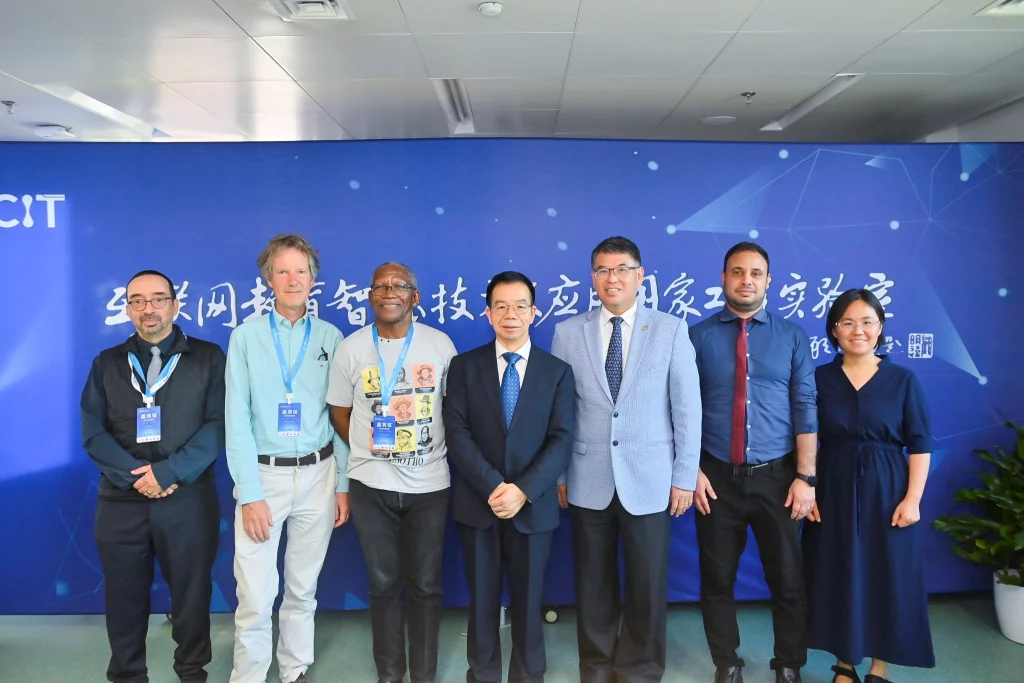
One of the primary missions of the Chair is to actively foster close cooperation with existing UNESCO Chairs and Networks that align with relevant programs and activities. In pursuit of this mission and to bolster the UNESCO Chair network in the field of Artificial Intelligence in Education (AIED), Professor HUANG Ronghuai, the UNESCO Chair on AIED, convened a meeting of distinguished Chairs. The meeting brought together eminent figures such as Professor Daniel Burgos, UNESCO Chair on e-Learning, Professor John Shawe-Taylor, UNESCO Chair on AI, and Professor Moeketsi Letseka, UNESCO Chair on Open Distance Learning. Dr. ZHAN Tao, Director of UNESCO IITE, was also an esteemed participant in these enlightening discussions.
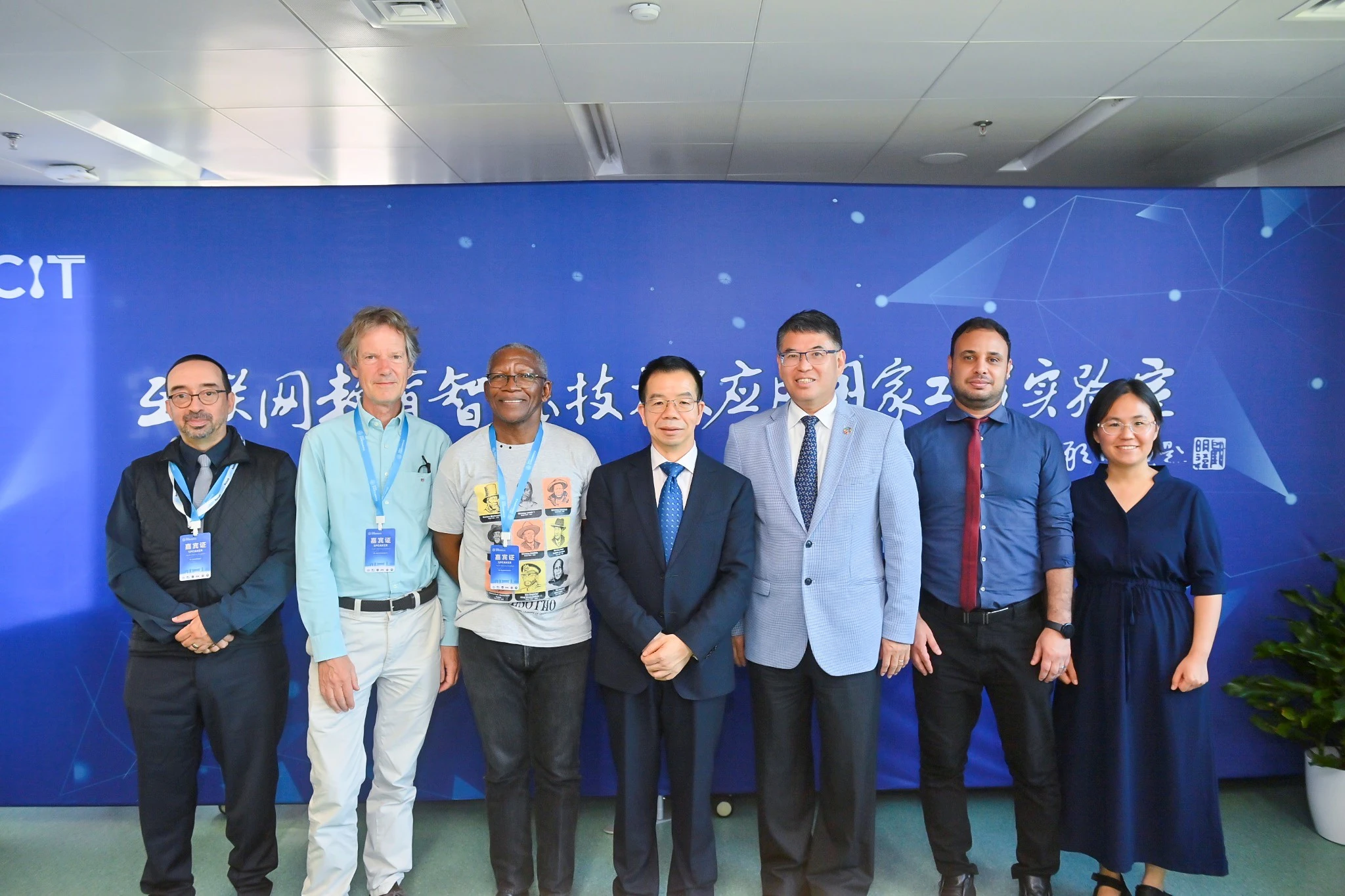
The UNESCO Chair on e-Learning's work includes organizing competitions on ICT education, games, and learning analytics, with a wealth of learning data stored in the learning management system. Leveraging UNESCO's brand can enhance funding applications, especially if a chair network and hub are established. Collaboration with other Chairs, particularly smaller ones, is encouraged, focusing on information dissemination, social networking, and cooperative dialogue. He suggested that the research agendas and proposals should be defined clearly, and the Chairs could partner on computer, AI, and database-related competitions, as well as collaborating on doctoral training programs.

The UNESCO Chair on Artificial Intelligence places a high priority on education as a key application area. Its mission involves leveraging AI to help individuals better understand themselves and their capacity to adapt to the challenges posed by automation. Future research directions include investigating how AI impacts suicidal tendencies and education, encompassing changes in teaching methods, student experiences, and school environments. He proposed collaborative teaching and research projects across various global locations, with a focus on academic research, resource sharing, and flexible student participation.

The UNESCO Chair on Open Distance Learning, in addition to representing their own chair, also serves as a representative for their government's education department. The Chair's primary focus lies in digital literacy, digital proficiency, and training digital officers. Their work encompasses recruiting student volunteers, conducting workshops and training sessions, and engaging in scientific research dissemination. He proposed to establish a UNESCO Chair HUB for international postdoctoral joint training projects, which would enhance their scientific research output.

The goal of the Chair is to foster an integrated system of education-related artificial intelligence research, training, information, and documentation. It will facilitate collaboration between high-level, internationally-recognized researchers and teaching staff of the University and other institutions in China, as well as elsewhere in Asia, Africa, Latin America, and in other regions of the world. He suggested that the Chairs could focus on educational robot research and work together to define collaborative projects. Establishing a postdoctoral programme would require careful consideration of practical complexities, including programme duration and the ethnic composition of participants, and a careful examination of the possibilities.

Global Government Leaders
During GSE, Prof. Huang Ronghuai, the UNESCO Chair on AI in Education and Co-dean of the Smart Learning Institute at Beijing Normal University (BNU), conducted productive discussions with H.E. Leela Devi Dookun-Luchoomun, Vice Prime Minister and Minister of Education, Higher Education, and Technology; H.E. Dr. Azat Ataev, Deputy Minister of Education; Mr. Susil Premajayantha, Minister of Education in Sri Lanka; and Dr. Mahmoud Zouaoui, Chief of Staff at the Ministry of Higher Education and Scientific Research in Tunisia and Dr. Mohamed Jemni, Director of the ALECSO ICT Department. Dr. ZHAN Tao, Director of UNESCO IITE and representatives from NetDragon were also invited to these insightful discussions.
During these meetings, Prof. Huang Ronghuai provided an overview of China's digital education transformation and highlighted the work of the UNESCO Chair on AI in Education and BNUSLI. The international leaders shared insights into their respective countries' education landscapes, digitalization progress, and their pressing challenges.
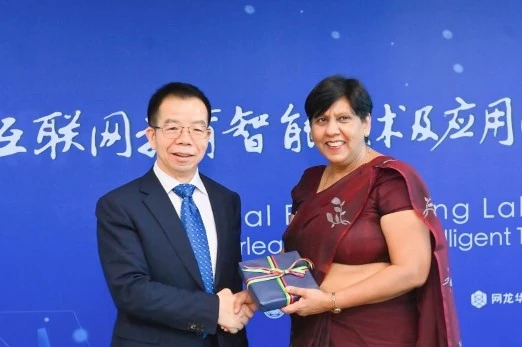
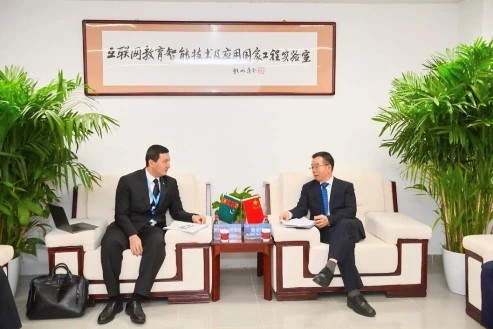
Prof. Huang Ronghuai expressed the chair's commitment to collaborating with international partners and outlined plans to conduct research and related activities in Mauritius, Turkmenistan, Tunisia, and Sri Lanka. These collaborative efforts aim to facilitate policy dialogues on artificial intelligence, offer capacity-building programs, and share ICT teaching resources for educators. The ultimate goal is to harness the power of AI to promote equitable education and sustainable educational development worldwide.
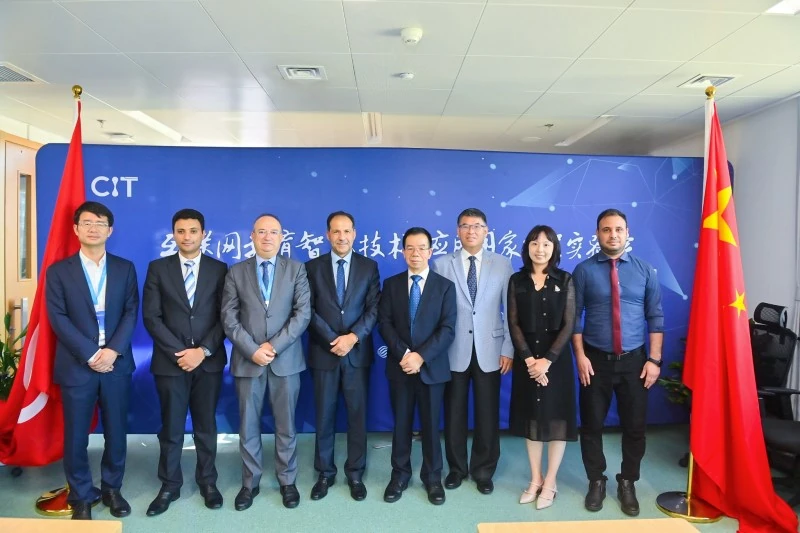
A particularly significant moment occurred during the meeting with Dr. Mahmoud Zouaoui and Dr. Mohamed Jemni, where the three parties explored the possibility of jointly organizing the China-Arab Countries EdTech Summit in Tunisia. A Memorandum of Understanding between BNU and ALECSO was signed to advance the chair's work in the Arab region.
International Organizations Representatives
Editorial and source notes
This page is an edited presentation of the Chair’s original English archive. The Chinese, Arabic, Spanish, French and Russian versions are full site translations, not official UNESCO translations.
Institutional names for IIEP and IITE have been standardised, including correction of the original sentence that attached an educational-planning discussion to IITE’s expanded name. UNIR and Commonwealth of Learning are named according to their institutions. Spelling and grammar have been corrected. Names and left/right positions in captions come from the original archive; no additional people have been identified.
The original report gave approximately 1,200 on-site participants. IITE’s conference retrospective, published on 28 August 2023, reported more than 1,300. The original figure is retained and the later official account is linked for comparison; the two figures have not been combined into a new statistic.
This is a contemporary meeting report, not a verbatim record. Research, training, a Chair hub and postdoctoral cooperation were directions discussed at the time, not evidence that all projects were implemented or statements of current recruitment conditions, brand-use permission or appointments. Photographs retain their full frames in web-compressed versions; small portraits have not been generatively enlarged.
Original link: https://aiedchair.bnu.edu.cn/global-network-the-chair-engages-in-discussions-with-government-leaders-representatives-of-international-organizations-unesco-entities-and-chairs/