Historical report: online activities took place on 19 September 2024 and the in-person workshop on 21 September 2024. This Chair article retains its original publication date of 25 September 2024. Roles and technical examples refer to that period.
In this article
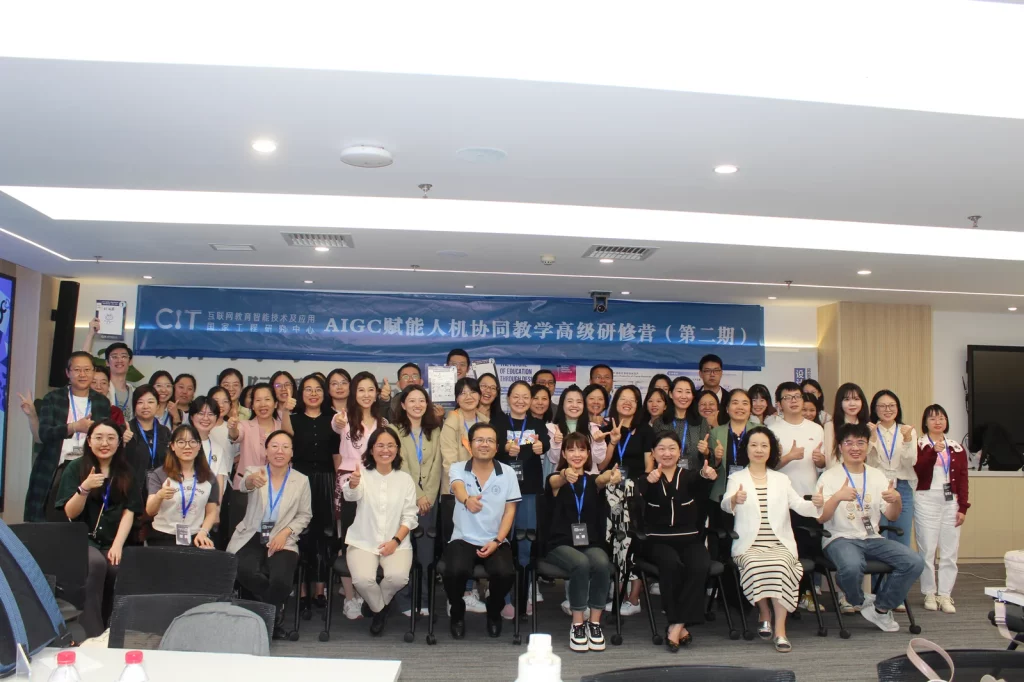
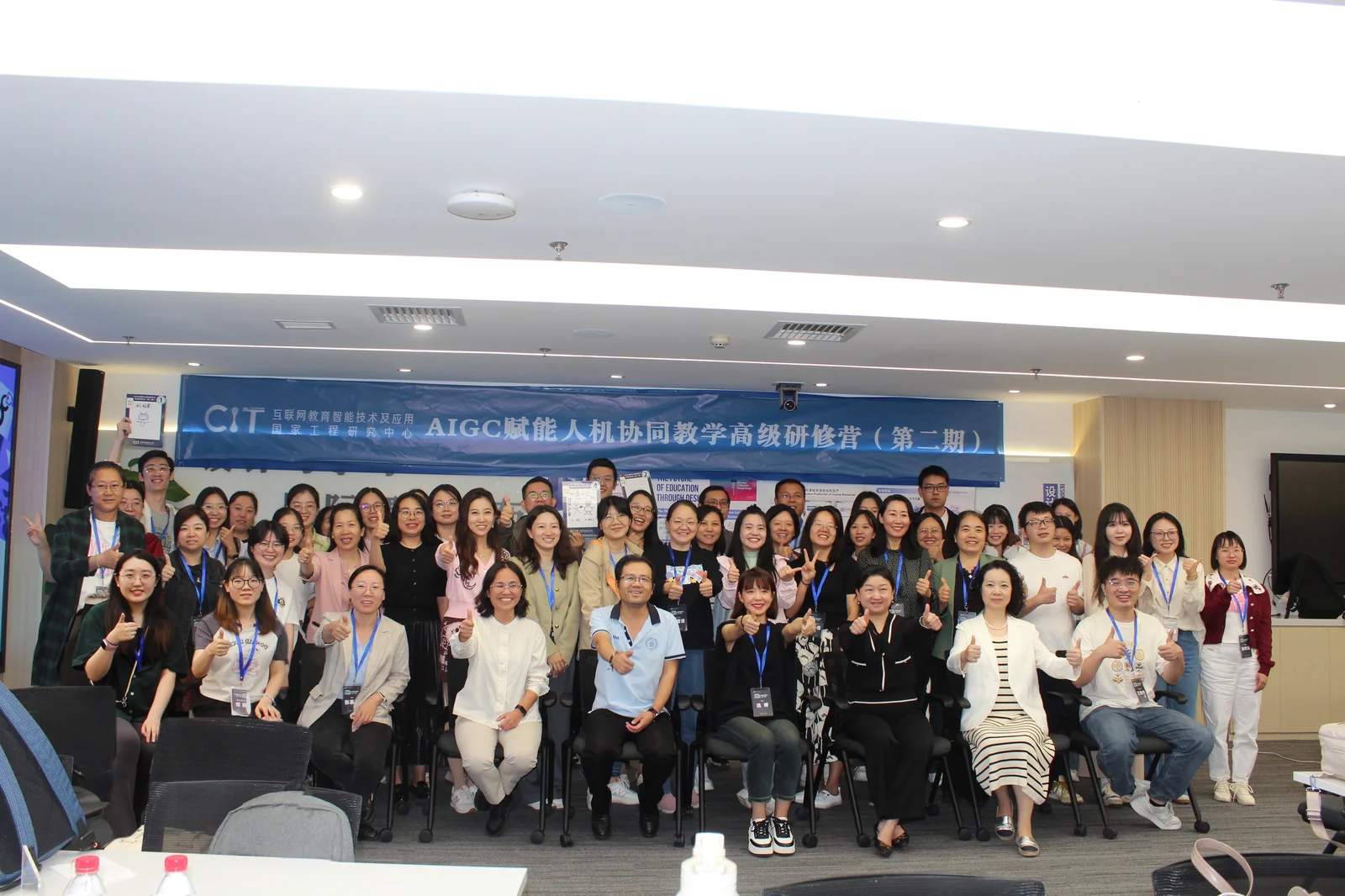
On 21 September 2024, the National Engineering Research Center of Cyberlearning and Intelligent Technology at Beijing Normal University, referred to here as CIT, concluded its second Advanced Workshop on AIGC-Empowered Human–AI Collaborative Teaching.
The workshop combined theory with practice and online with in-person learning. It covered projects designing innovative simulated lessons with human–AI collaboration, hands-on use of agents in teaching, experiences with collaborative teaching platforms and large models, and discussion of classroom cases shared by practising teachers. The expert team included Professor Li Yanyan from BNU's Faculty of Education; BNU Assistant Researcher Wang Huanhuan; CIT Senior Engineer Zhu Lixin; Da Ting, who led CIT's large-model evaluation project; and Chen Hongyu, an engineer at BNU's Smart Learning Institute. Teaching assistants included Yuan Meng from the University of Wisconsin–Madison, Jiang Li from Capital Normal University, Wang Shuaijie from Central China Normal University and Liu Tiantian from BNU.
More than 50 primary, secondary and university teachers and university students from Beijing, Shanghai, Guangzhou and other parts of China participated. Alongside sharing ideas and theories and jointly designing innovative lessons, the workshop offered practising teachers a forum to explore changing roles in human–AI collaboration in the AIGC era.
Workshop highlights
19 September: online activities
The workshop began online on 19 September with an introduction to human–AI collaborative teaching. In her opening remarks, Da Ting reviewed the first workshop's achievements and encouraged participants to explore emerging technologies.
Read the image's text alternative
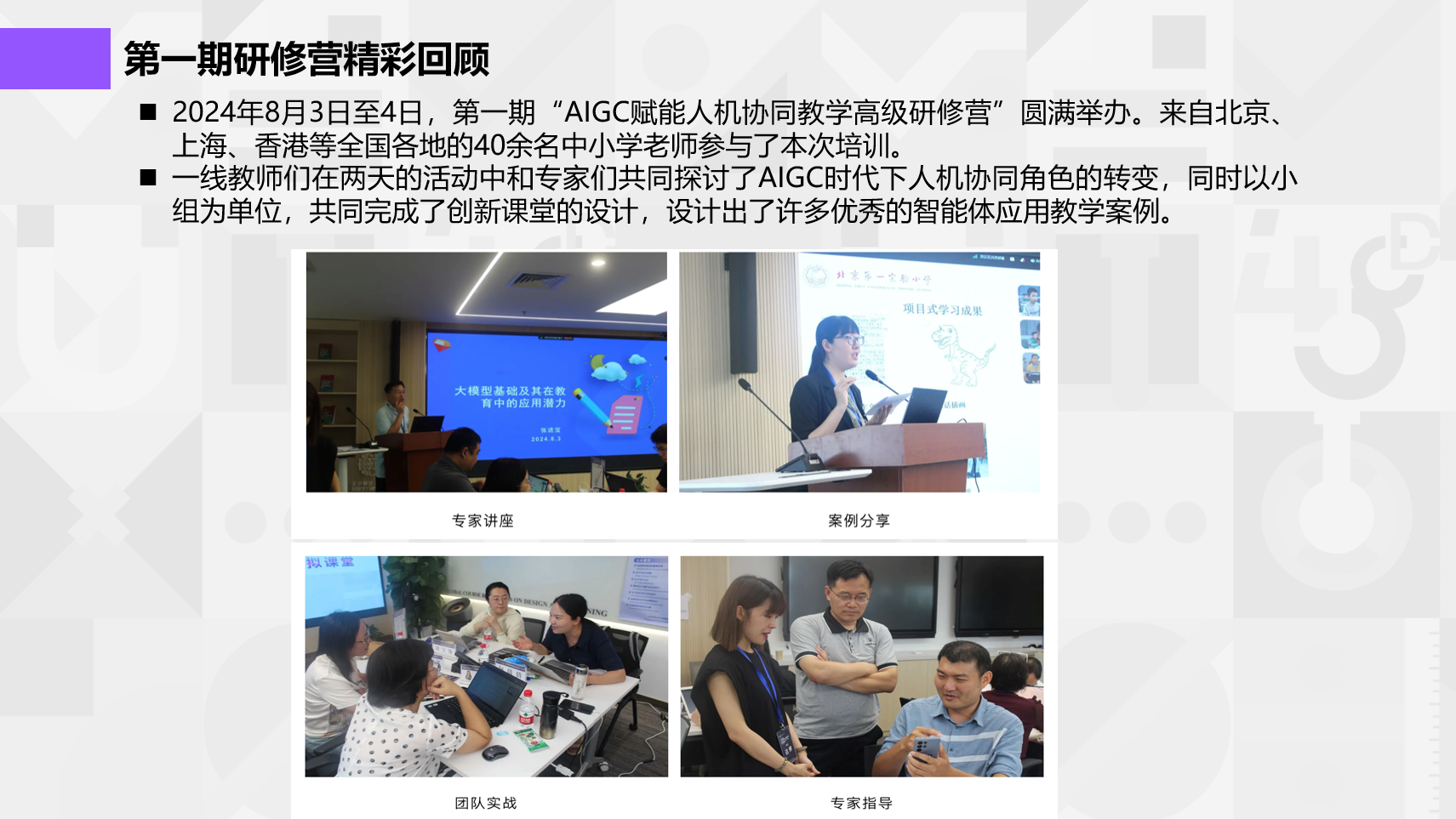
The slide, titled Highlights of the First Workshop, reviews the event held on 3–4 August 2024. More than 40 primary and secondary teachers from Beijing, Shanghai, Hong Kong, China, and elsewhere attended.
It describes discussions with experts about changing human–AI roles in the AIGC era and team designs for innovative lessons and agent-based teaching cases. The four photographs are labelled expert lectures, case sharing, team practice and expert guidance. These dates and numbers concern the first workshop, not the second workshop covered in this article.
Expert talks
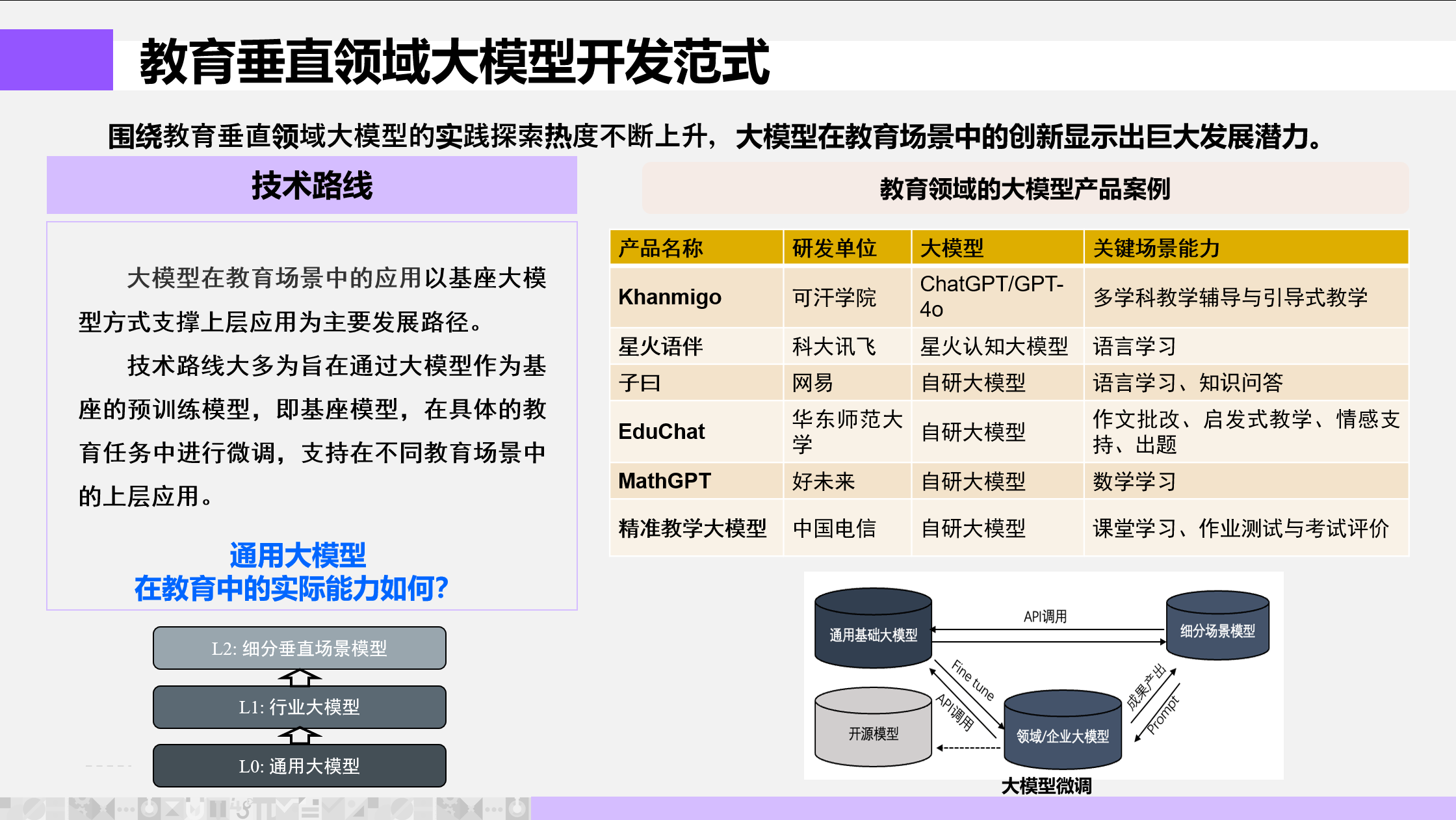
Da Ting presented a technical overview of large models and agents, introducing their concepts, mainstream frameworks and design patterns. She then discussed ways to improve foundation-model performance, particularly development approaches for education-specific large models.
Read the image's text alternative
The slide is titled Development Approaches for Education-Specific Large Models. It describes using foundation models to support higher-level educational applications and fine-tuning them for particular educational tasks. Its hierarchy runs fromL 0 general models toL 1 industry models andL 2 specialised scenario models.
The table below reproduces the products, developers, models and uses shown in the 2024 slide; it is not a current review or recommendation. A further diagram connects general foundation models, open-source models, domain or enterprise models and specialised scenario models, labelling API calls, fine-tuning, prompts and output pathways.
| Product | Developer | Model shown in the slide | Uses shown in the slide |
|---|---|---|---|
| Khanmigo | Khan Academy | ChatGPT/GPT-4o | Multi-subject tutoring and guided teaching |
| 星火语伴 — Spark language companion | iFLYTEK | Spark cognitive large model | Language learning |
| 子曰 — Ziyue | NetEase | In-house large model | Language learning and knowledge questions |
| EduChat | East China Normal University | In-house large model | Essay feedback, guided teaching, emotional support and question generation |
| MathGPT | TAL Education | In-house large model | Mathematics learning |
| 精准教学大模型 — precision-teaching large model | China Telecom | In-house large model | Classroom learning, homework tests and examination evaluation |
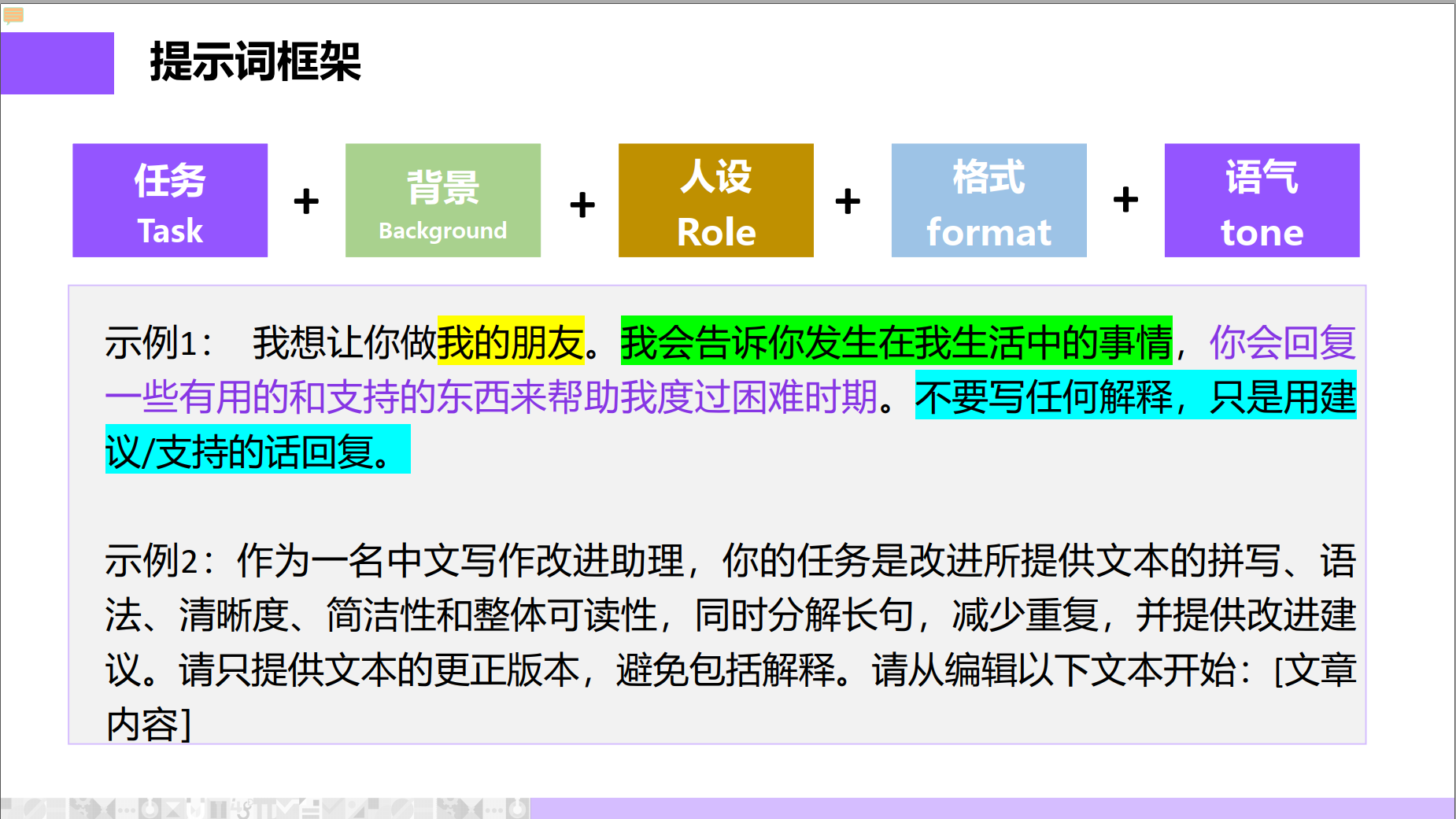
Wang Huanhuan spoke on generative-AI prompting techniques and teaching applications. She illustrated AIGC tools suitable for teachers, offered strategies for writing prompts and used practical cases to show how effective prompts could improve task efficiency.
Read the image's text alternative
The slide, Prompting Framework, lists five components: task, background, role, format and tone.
Its first example assigns a friend role, supplies a background of life events and requests useful, supportive advice without extended explanation. The second assigns a Chinese-writing improvement assistant, asking for better spelling, grammar, clarity, concision and readability, shorter sentences, less repetition and corrected text in a specified format. These are examples quoted or described from the teaching slide.
Exploring agents in teaching settings
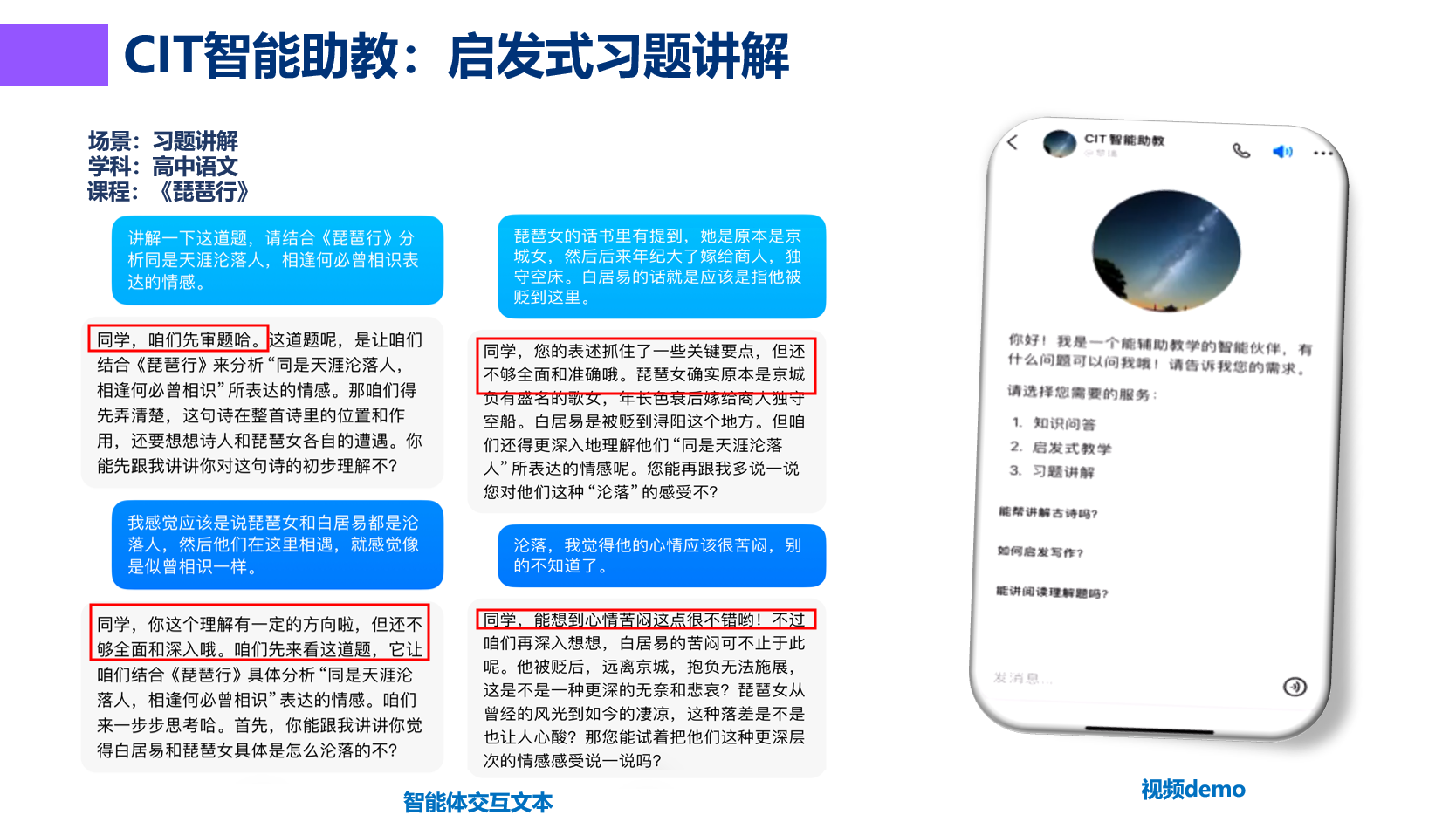
Da Ting shared her team's recent work on multi-agent applications in education. The session introduced core concepts and application methods and offered ideas for participants' subsequent practical exploration.
Read the image's text alternative
The slide is titled CIT Teaching Assistant: Guided Exercise Explanation. It concerns the upper-secondary Chinese lesson The Song of the Pipa Player and asks about the feelings in the line describing two people who share misfortune despite meeting for the first time.
The assistant first asks for an initial interpretation, then asks about Bai Juyi's and the pipa player's experiences and prompts deeper reflection on demotion and disappointment. When the learner expresses uncertainty, it continues with guiding questions. The phone interface lists knowledge questions, guided teaching and exercise explanation. The area labelled video demo is only a still screenshot within the original slide; there is no corresponding playable video on this page.
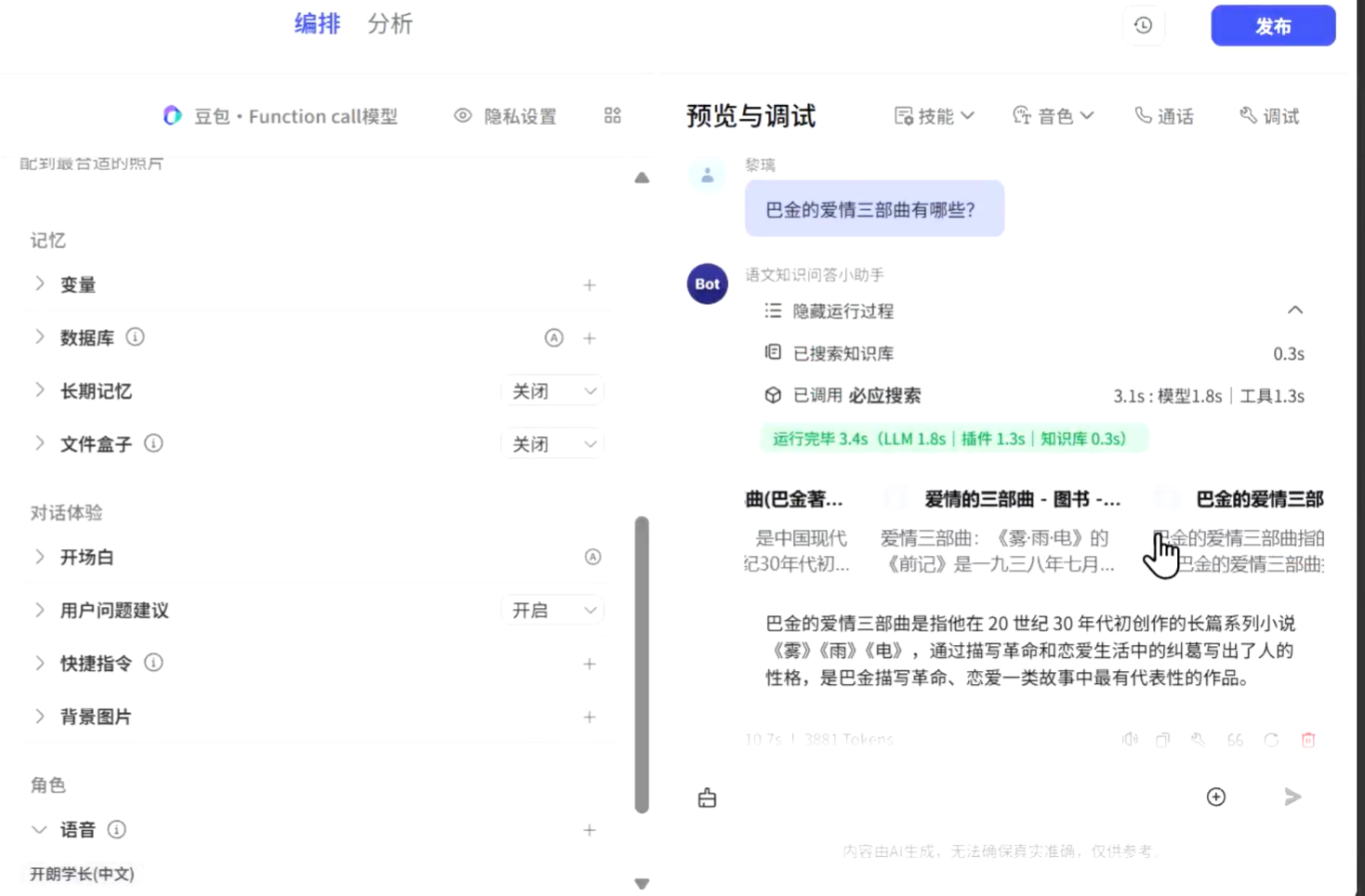
With guidance from the teaching assistants, participants experienced the design and development of a Chinese-language subject assistant. Through guided exercises and hands-on work, they learnt the platform's functions and created agents suited to their own subject backgrounds, connecting theory with practice.
Read the image's text alternative
The image shows agent configuration and preview/debugging. The left panel includes variables, databases, long-term memory, a file container, opening messages, suggested user questions, shortcuts and background images.
The example asks which works make up Ba Jin's Love Trilogy. The assistant interface shows knowledge-base and search-tool use and answers Fog, Rain and Lightning. This records a 2024 training demonstration, rather than an assessment of the platform's current features or performance.
21 September: in-person learning
On a clear autumn Saturday morning, teachers gathered for the in-person workshop.
Icebreaking activities
An icebreaker helped participants get to know one another and prepare for the activities ahead. They formed ten study teams, introduced themselves, selected team names through discussion and created drawings to represent their groups.
The teams chose distinctive names and slogans. Team 7, with members from schools and universities, called itself Anything Goes and chose Unlimited Action as its slogan. Team 9, whose members came from Beijing and Shanghai, used the name Beijing–Shanghai Team. Team 10 chose Zhihe Qiuhui, evoking wisdom, harmony and autumn radiance, and expressed a wish to explore new educational paths.
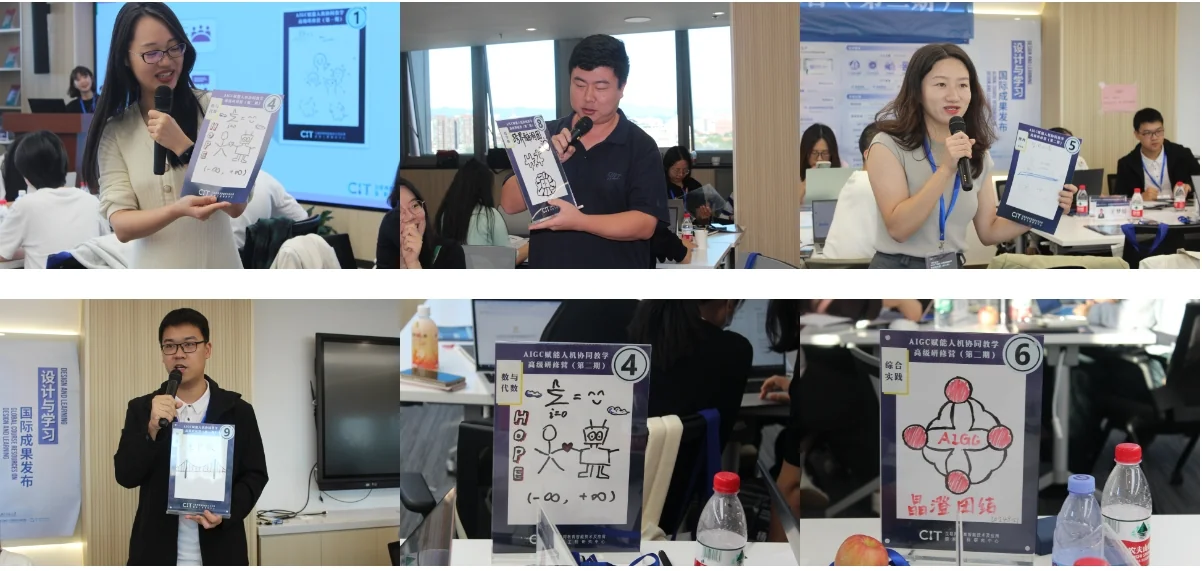
During the creative and sharing activities, participants combined individual ideas with teamwork.
The names and slogans reflected the teachers' creativity, team spirit and interest in human–AI collaborative education. Participants expressed their willingness to continue exploring this area together.
Expert talks and classroom cases
After getting acquainted, participants moved on to expert presentations and case sharing.
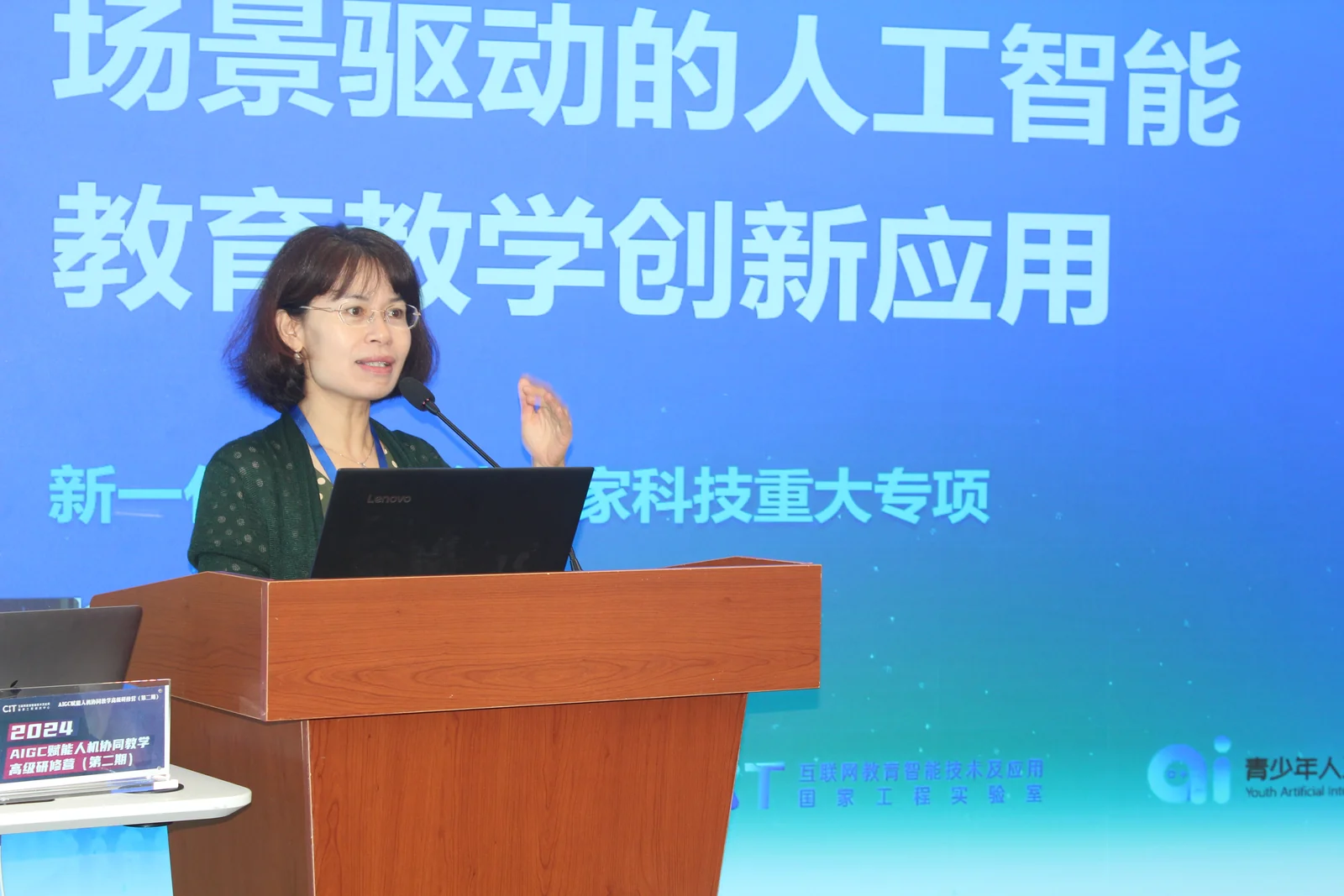
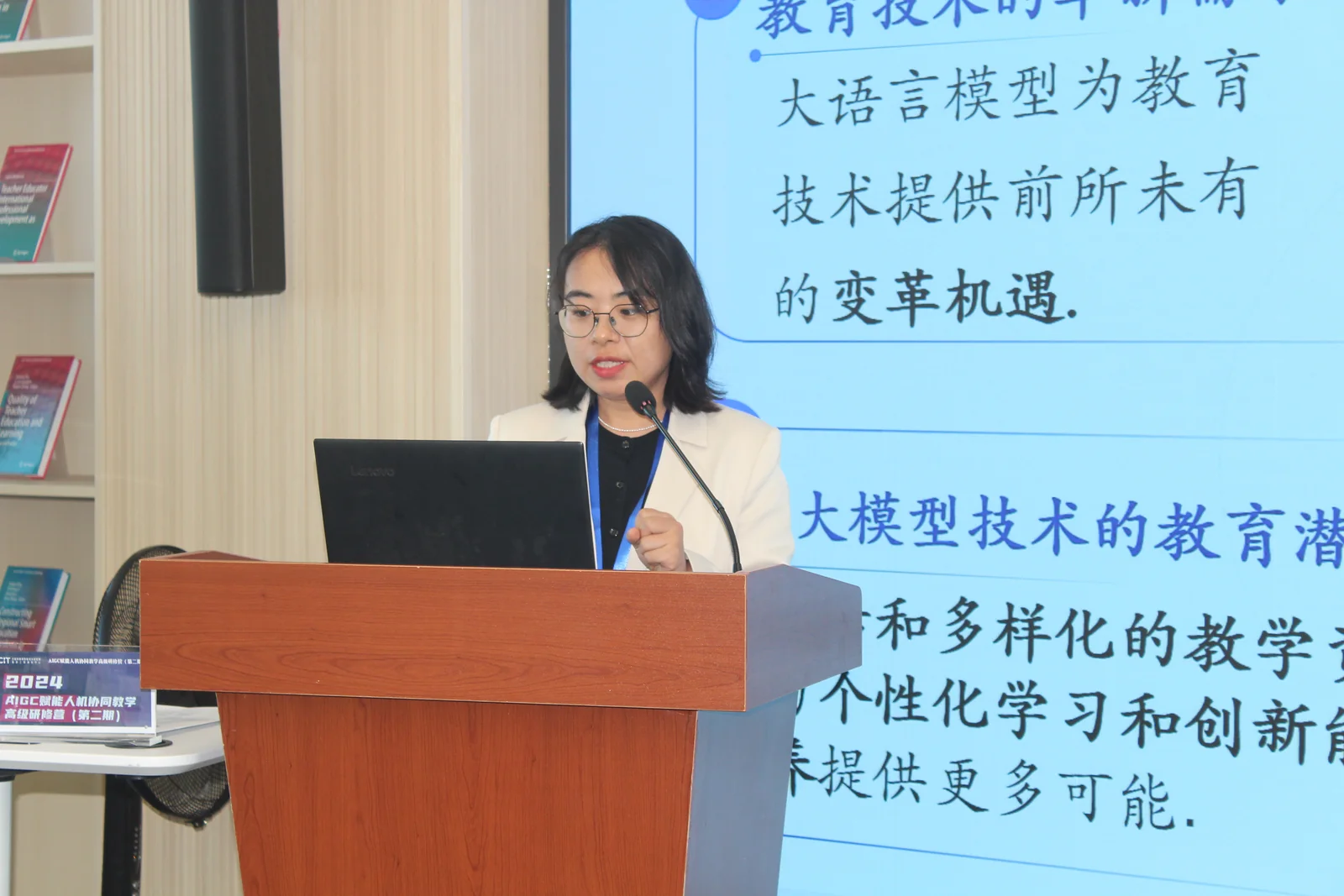
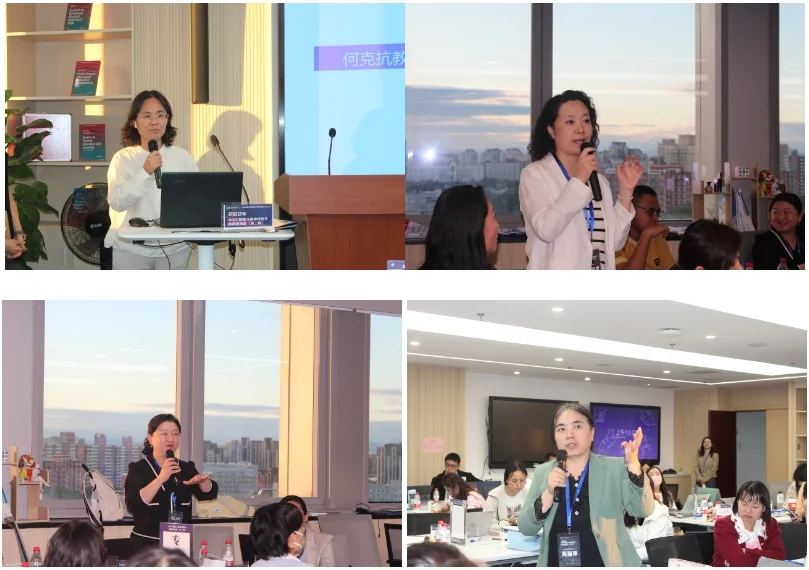
Li Yanyan spoke on scenario-driven innovative applications of AI in education and teaching. She examined application settings in the policy context and discussed how technologies such as large models could support teaching and learning. Her examples ranged from new forms of human–AI collaborative learning to evidence-informed collaborative teaching research, outlining learner-centred smart education.
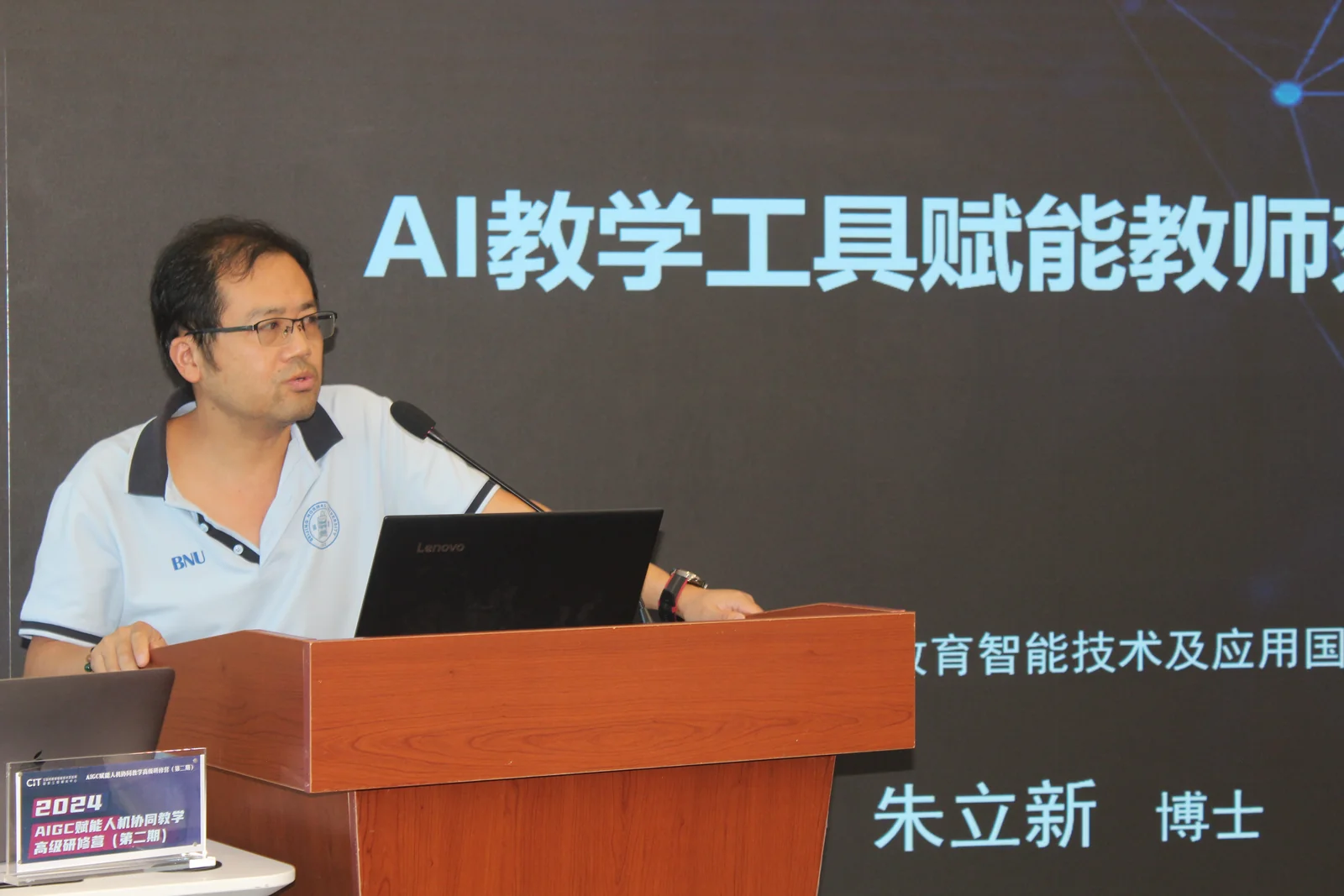
Zhu Lixin presented AI teaching tools for improving teachers' efficiency. Beginning with a digital-human demonstration, he explored practical uses of AI through examples from different settings, including support for teaching efficiency and personalised learning. He also shared technical tips and points requiring attention in teachers' professional practice.
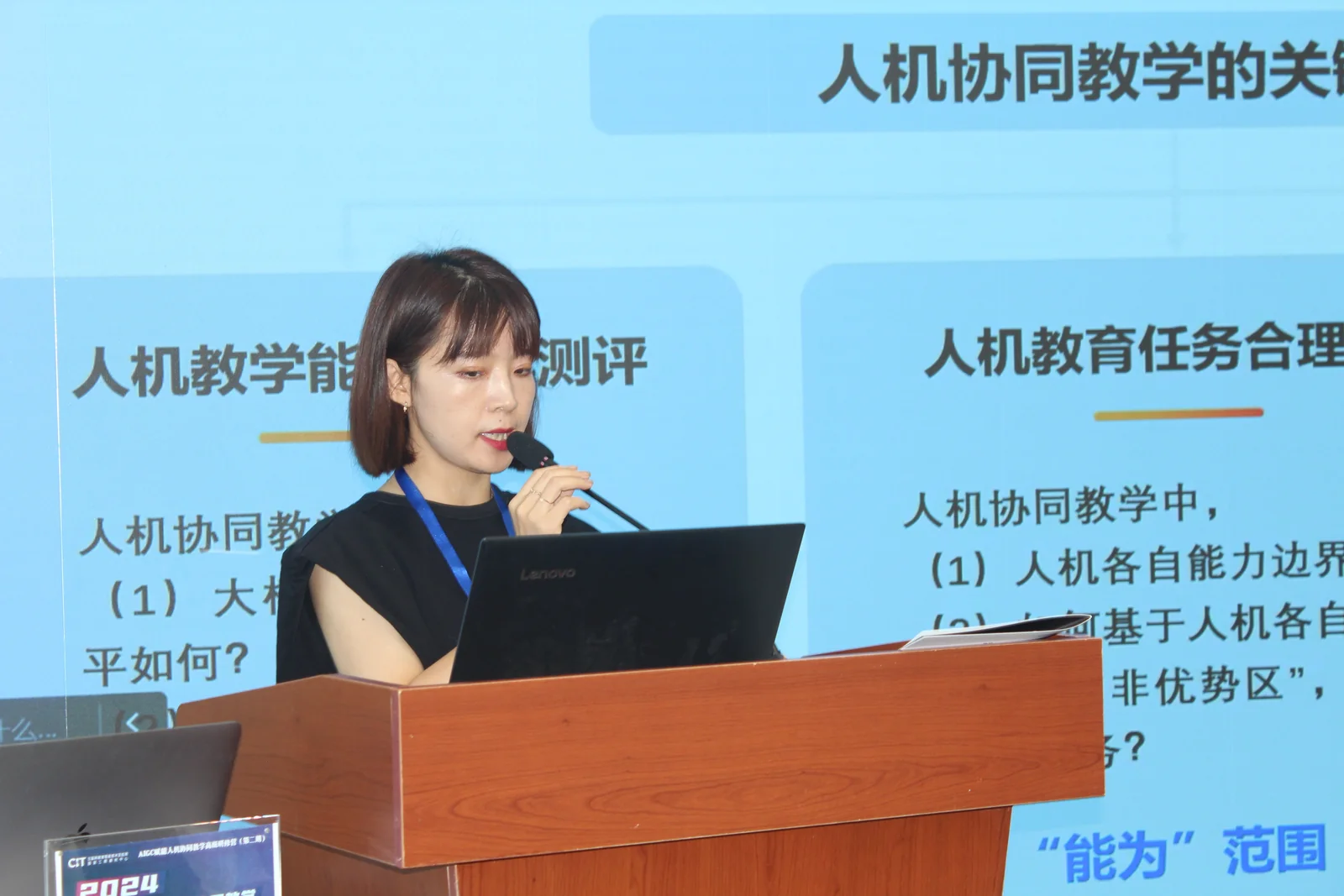
Da Ting discussed practice and exploration in human–AI collaborative teaching. Drawing on a theoretical framework and a review of three recruitment activities, she illustrated varied educational settings and examples of large models in lesson design. She also presented an evaluation of models' heuristic teaching capabilities across different dimensions. Cases from practising teachers, including differentiated teaching and after-class tutoring, concluded her presentation.
Yang Xue from Beijing Academy presented AI-supported interdisciplinary thematic learning through the case Exploring the Secrets of Peeling a Pineapple. She explained how AI could assist students with modelling, new ways of thinking and innovative solutions. She also discussed developing problem-solving, creativity and teamwork through interdisciplinary learning, emphasising teachers' role in guiding critical use of AI.
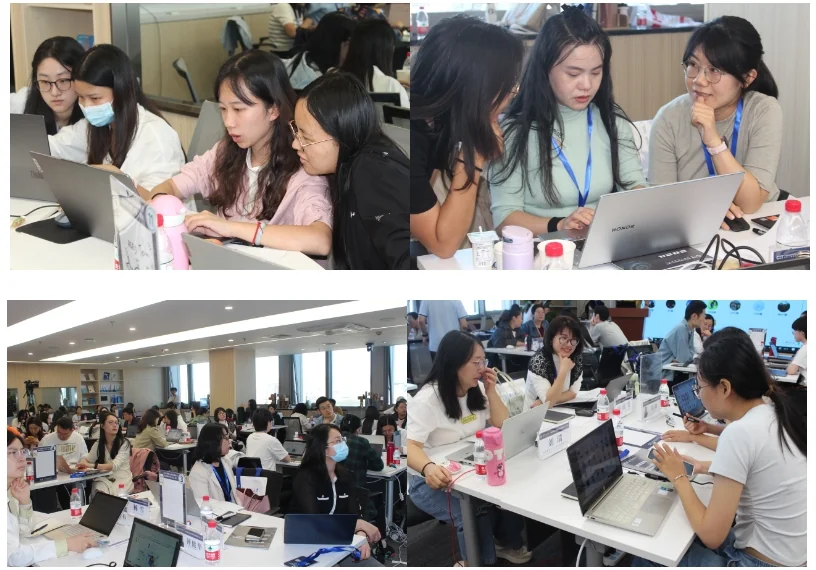
Hands-on agent development for teaching
The next activity offered more advanced work with agents in teaching settings. Teams discussed ideas during open practice, extended what they had learnt and implemented new designs, moving from using tools to designing them.
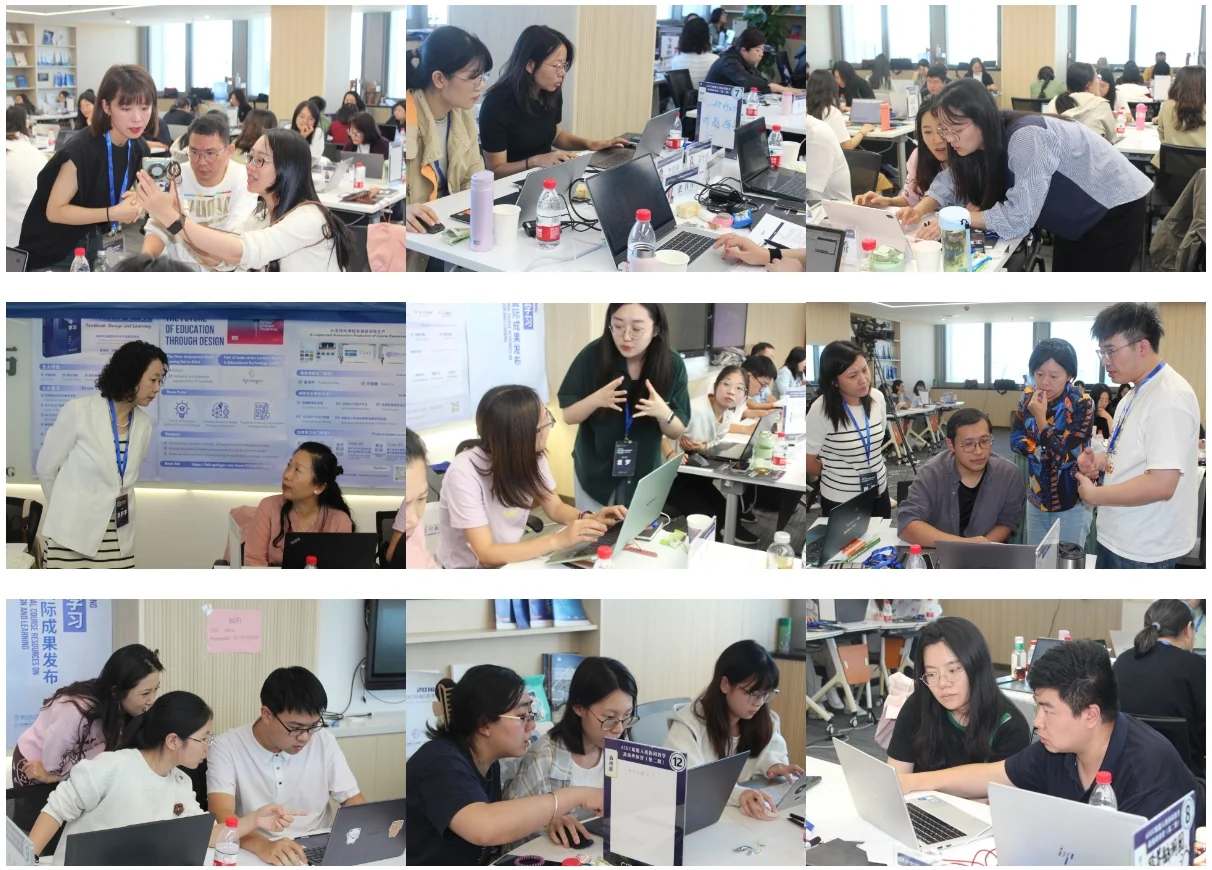
Designing innovative human–AI collaborative teaching
Each team took part in a practical design activity. Teachers from different subjects and backgrounds selected a topic through brainstorming, explored innovations in their teaching approach and developed the core ideas of AIGC-empowered human–AI collaboration. They designed simulated lessons and planned how teachers, learners and AI would interact at each stage.
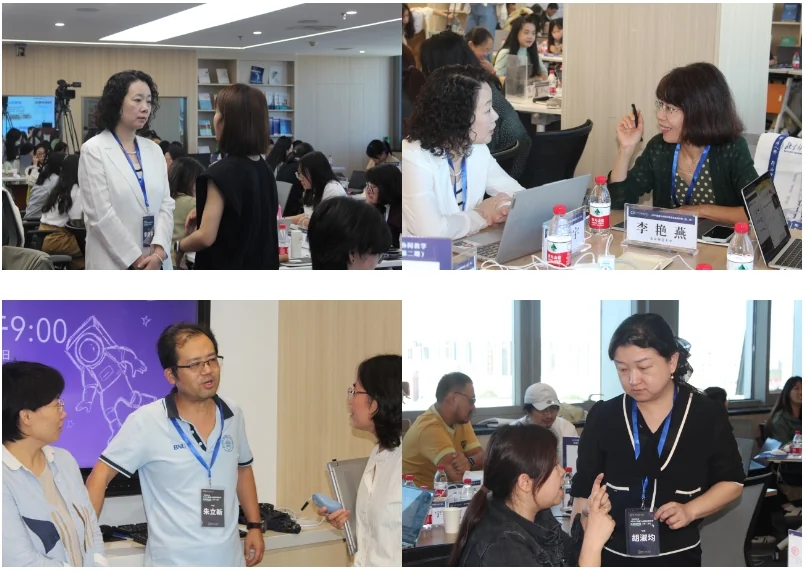
Alongside lesson content and sequencing, teams incorporated AIGC tools, including large language models and purpose-built agents, into their simulated lessons. Experts worked with the teams to improve technical and instructional designs. ByteDance's Coze team provided technical support for implementing the agents.
Presentations and demonstrations
Every team completed a project proposal and presented its design. A drawing-of-lots process structured the presentations and feedback: Da Ting selected the first team, which then drew another team to provide comments, and the process continued. This peer-review approach helped teachers understand one another's work and recognise strengths and areas for improvement.
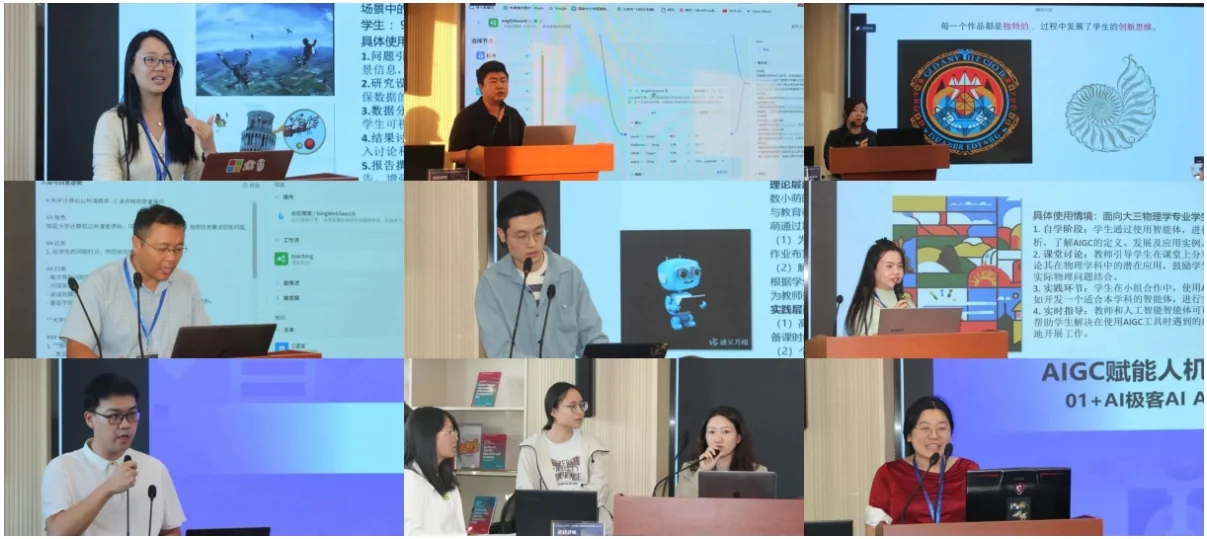
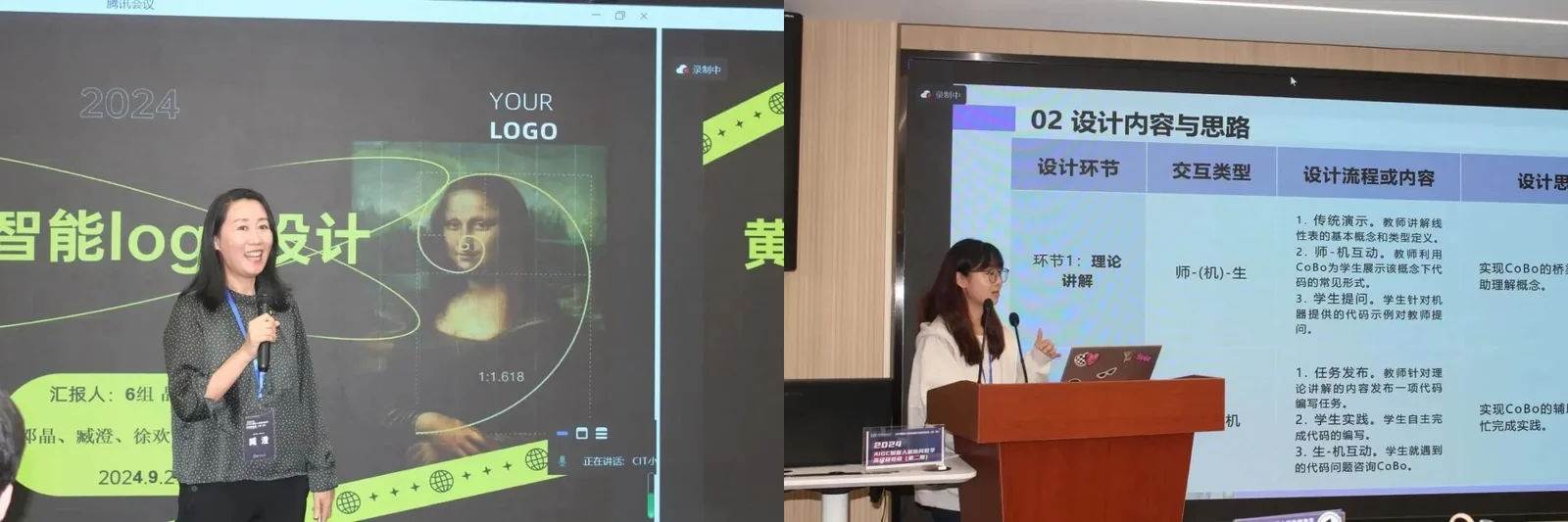
In addition to peer review, the workshop demonstrated a large language model as a guest evaluator. An evaluation assistant used specified criteria and dimensions to provide real-time feedback on each team's work. The activity enabled participants to compare the distinctive features of human and model-generated expression and evaluation.
Reflections and discussion
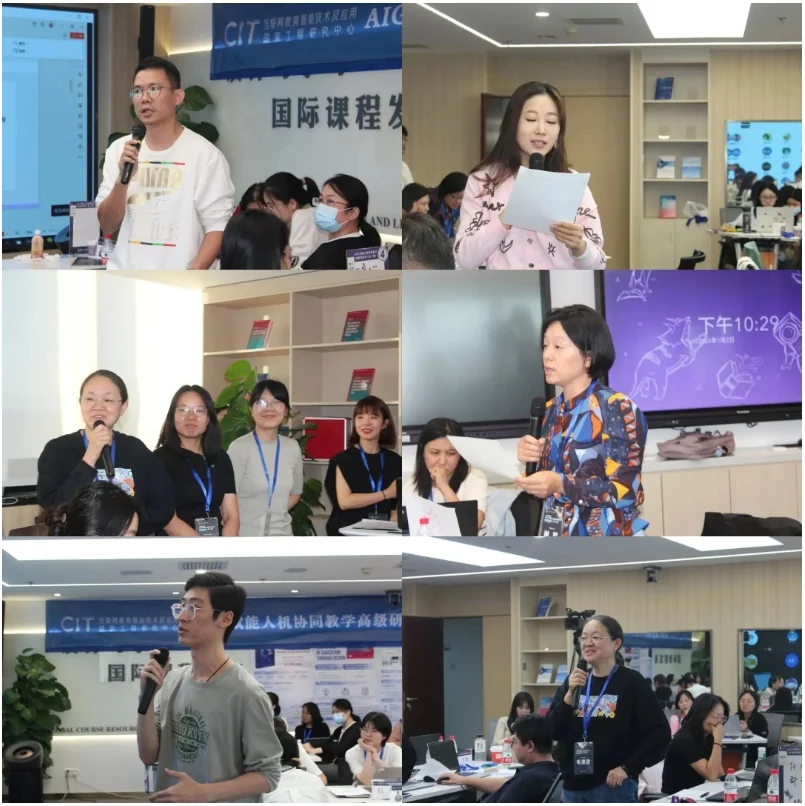
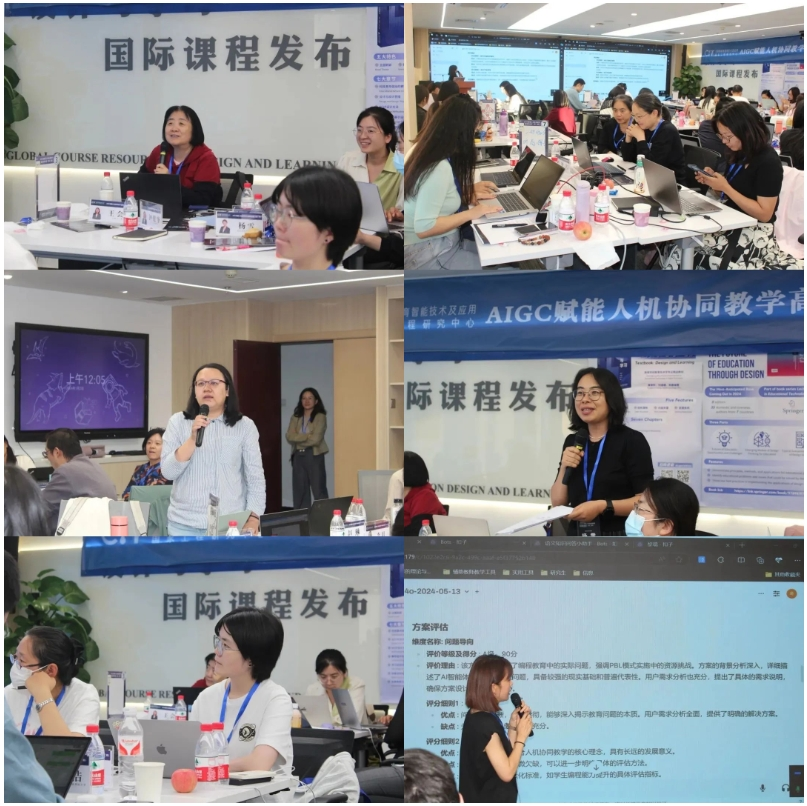
Towards the end, Li Shuyu from Beijing Academy, Hu Shujun from the Beijing Institute of Education and Wang Huanhuan from BNU joined the participants to exchange reflections. They shared their experiences and discussed the future of human–AI collaborative teaching.
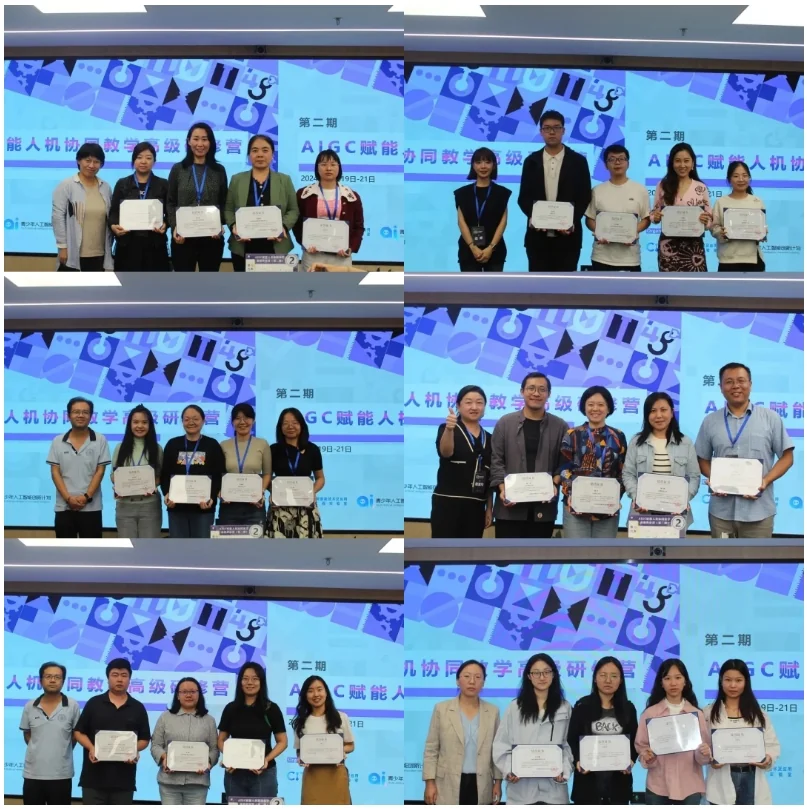
The event concluded with the launch of a practice community for AIGC-empowered human–AI collaborative teaching and the presentation of certificates to participating teachers in recognition of their work and contributions.
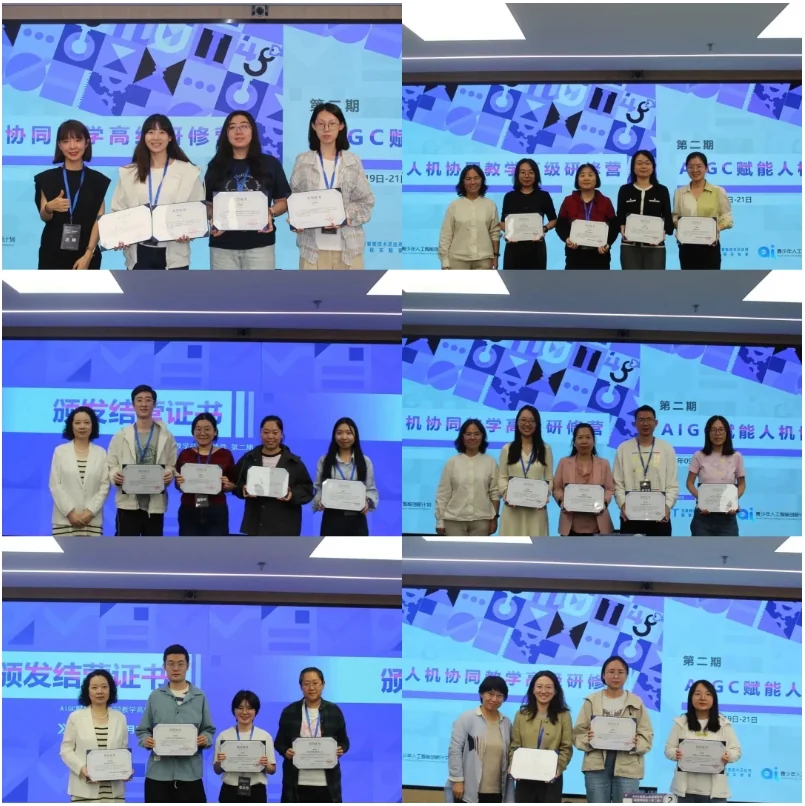
After the workshop, teachers continued exchanging what they had learnt and offered constructive suggestions for future activities and further educational exploration.
Sources and image information
The complete original Chair article has been checked against the Smart Learning Institute's official report, listed on 29 September 2024. Photographs, slides and collages come from that report. They retain their full frames, with local image optimisation and translated captions and text alternatives. The slide reviewing the first workshop concerns 3–4 August 2024; it is distinct from this second workshop. Product comparisons and interface examples are historical teaching materials, rather than current product reviews. The slide labelled as a video demonstration is a still image; no corresponding video is embedded here.
Original link: https://aiedchair.bnu.edu.cn/news-8252-en/