Archive report | The seminar took place at Beijing Normal University on 9 March 2024. Roles, annual plans and invitations to institutions are preserved in their 2024 context. Current participation arrangements should be checked with the organizers.
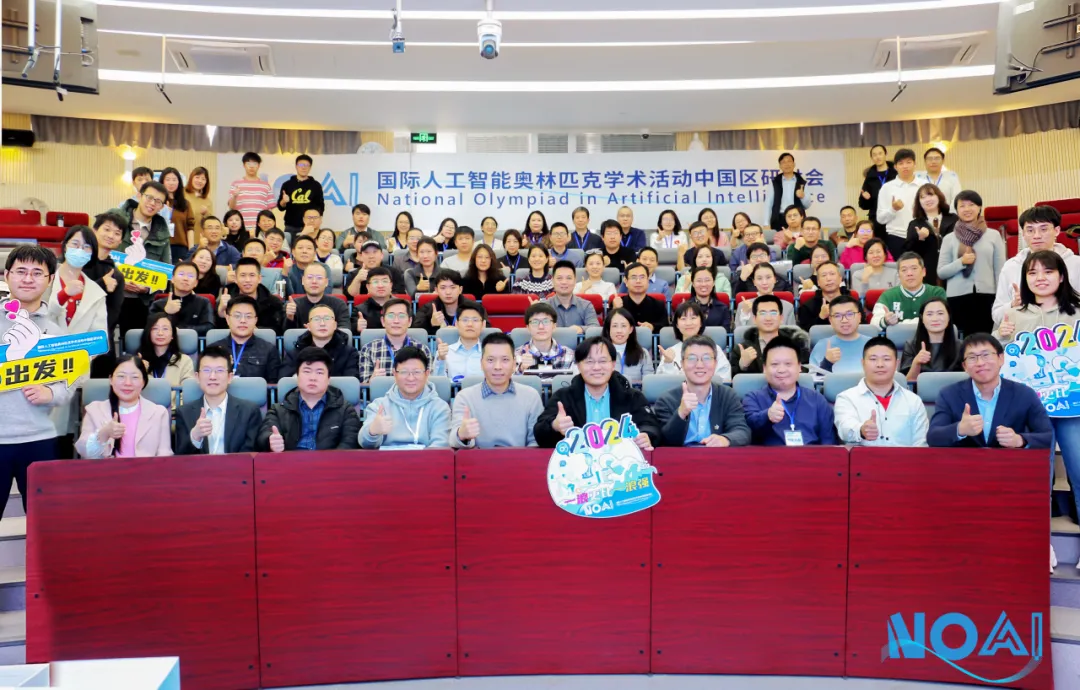
On 9 March 2024, Beijing Normal University (BNU) hosted the first China-region seminar for the National Olympiad in Artificial Intelligence (NOAI), associated with the International Olympiad in Artificial Intelligence (IOAI). More than 100 experts and researchers in AI and AI education, alongside outstanding teachers and subject leaders involved in educational practice, attended.
Organizers and speakers introduced the initiative for secondary-school students through IOAI’s founding purpose, NOAI’s development plans, participation arrangements and jointly developed and shared courses. They invited participants’ institutions to become council-member institutions for the first-round proficiency assessment and to explore innovative approaches to AI education. These descriptions and invitations belong to the 2024 event.
Addresses by university leaders
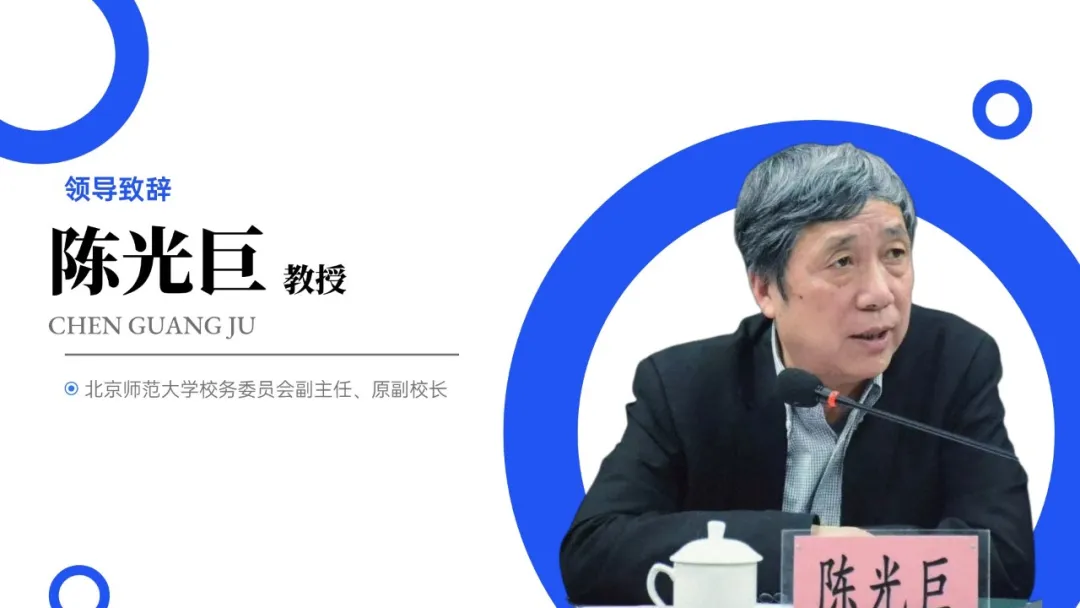
Professor Chen Guangju, then Deputy Director of BNU’s University Affairs Committee and a former Vice-President, welcomed IOAI’s introduction to China. He described the young initiative as an energetic new addition to the science Olympiads, offering fresh opportunities to develop outstanding talent, AI researchers and innovative leaders. He said that BNU, as a leading teacher-education university in China, would fully support this high-level academic activity. He hoped the IOAI platform would bring together global knowledge, advance AI in China and contribute to scientific and technological progress.
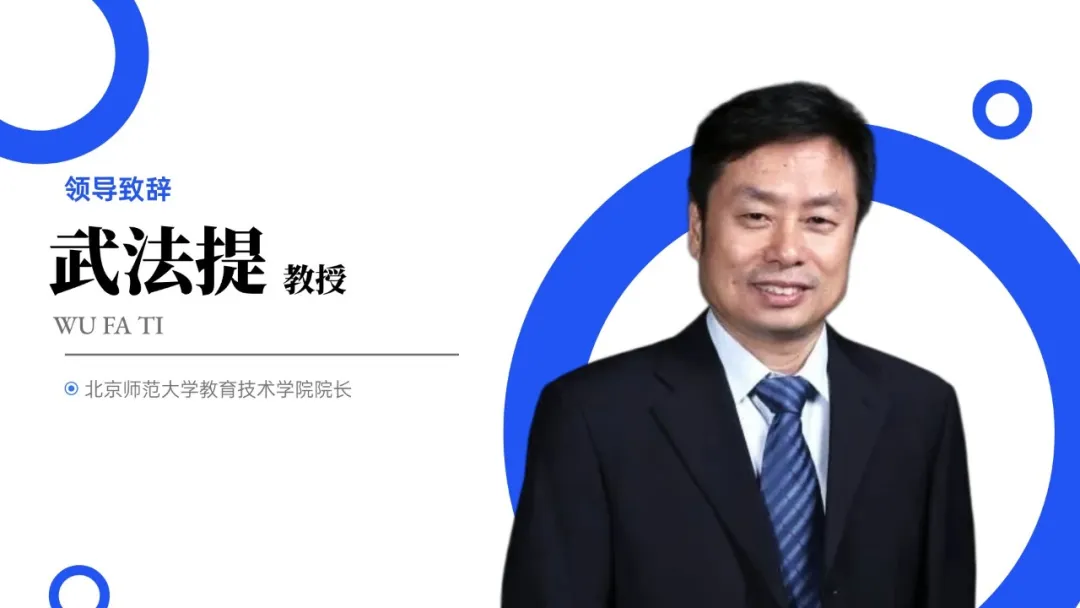
Professor Wu Fati, then Dean of BNU’s School of Educational Technology, welcomed the experts and teachers on behalf of the host. Referring to the annual Two Sessions, he noted proposals by National People’s Congress deputies, including Lei Jun, to introduce AI literacy into nine-year compulsory education, establish general AI courses and integrate relevant content into school social-practice activities. He regarded this as evidence of widespread attention to AI education. Describing China as the world’s second-largest economy and a major contributor to and participant in AI, he argued that expanding AI education demonstrated a commitment to future innovators and was important for international competitiveness.
Review and outlook
The UNESCO Chair on AI in Education supports the IOAI initiative
The UNESCO Chair on AI in Education was established with the BNU Smart Learning Institute team in 2023, an honour emphasized in the original report. Through networks and cooperation among institutions worldwide, the Chair aims to share knowledge and support research on AI and education. The original assertion that there is only one Chair in each subfield is addressed in the editorial notes below.
Yao Youjie of BNU’s Smart Learning Institute, identified as a director in the original report, discussed closer interaction between NOAI and BNU’s Yuanzhuo Programme and links with the UNESCO Chair. He said that the Chair would support academic work including local NOAI course development and teacher training. The envisaged support extended from knowledge platforms to hardware platforms, helping NOAI develop.
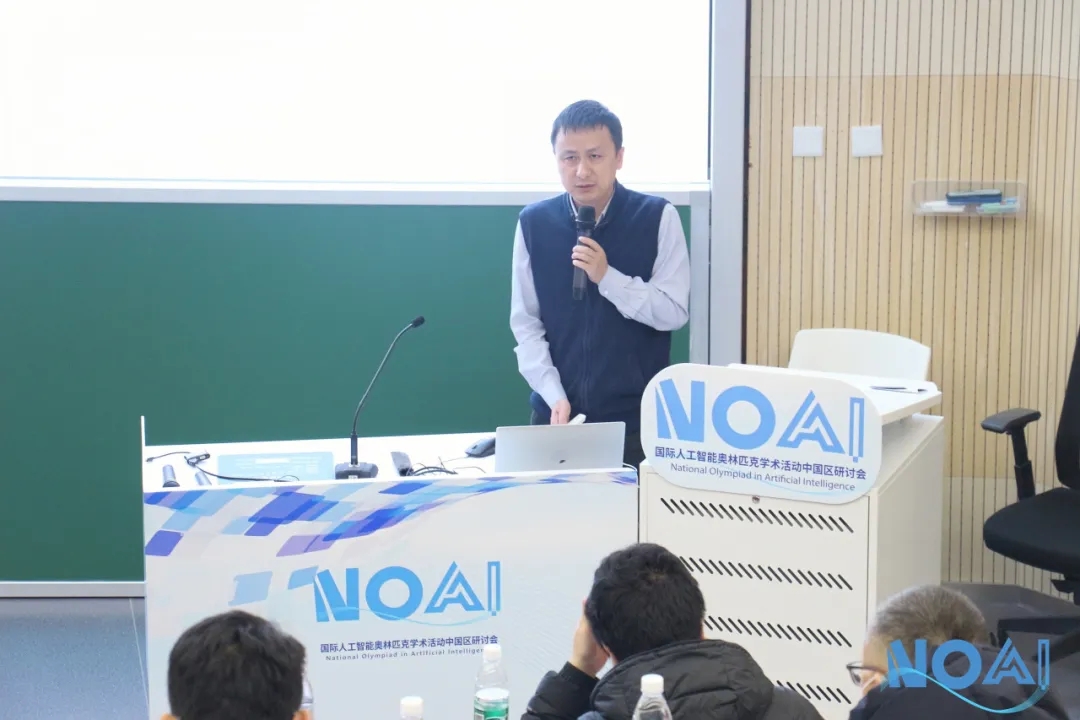
Introducing IOAI and developing the NOAI academic community
Dr Zhang Jinbao, an Associate Professor at BNU’s School of Educational Technology and Chair of the NOAI Organizing Committee in the report, introduced IOAI’s background and its connection with AI education. He explained that NOAI sought to develop and select outstanding young AI talent in China and provide opportunities to demonstrate their abilities nationally and internationally. It planned an active, open academic community for sharing, bringing together frontline educators, researchers, experts and teachers committed to improving AI education and cultivating internationally competitive talent.
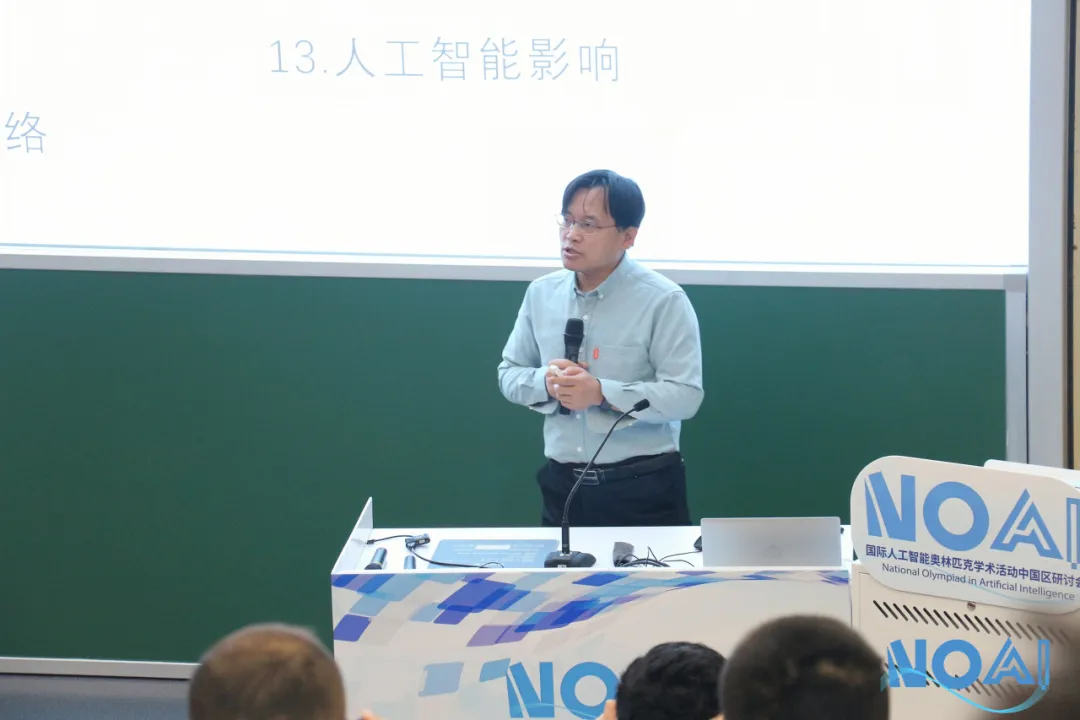
Annual activities and plans for council-member institutions
Yang Jing, representing the NOAI Organizing Committee and identified as CEO of ITCCC, explained the 2024 annual programme and development plans for council-member institutions. NOAI would comprise a first-round proficiency assessment, a second-round practical computer-based assessment and a final international stage. The programme would progressively vary its focus and difficulty and offer specialist materials, video courses and certificates, enabling more interested secondary-school students to join a challenging, forward-looking activity.
He also welcomed applications from secondary schools and educational institutions across China interested in developing AI education and becoming NOAI council-member institutions, with the aim of jointly building the initiative and sharing its benefits.
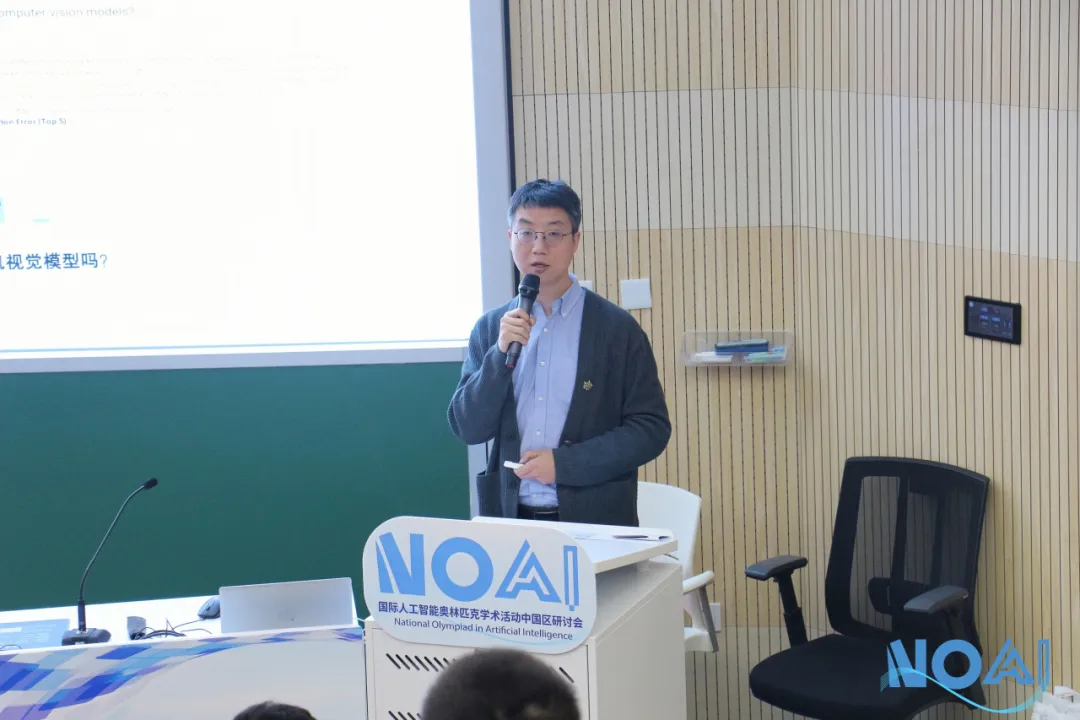
Lessons from IOAI: what should school AI education teach?
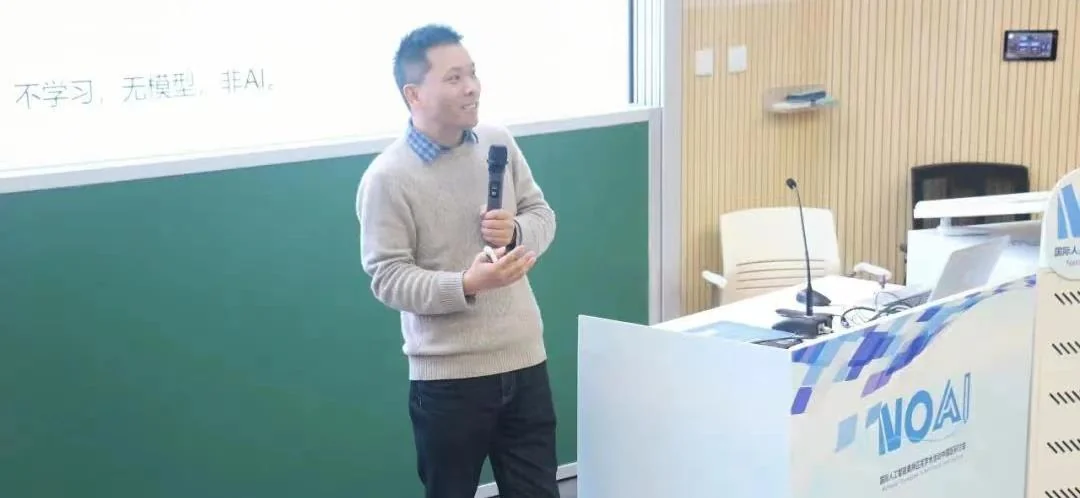
The first-quarter 2024 Yuanzhuo activity handbook adds a presentation by Xie Zuoru, a NOAI Scientific Education Committee member, special-grade teacher at Wenzhou Science and Technology Senior High School, and science-and-innovation education lead at Shanghai AI Laboratory. Drawing on STEAM, maker and AI education activities and practical exploration, he outlined an AI-learning pathway based on cases from preceding years.
He argued that AI education should be grounded in practice: with suitable environments and basic obstacles removed by teachers, secondary-school students could begin research and innovation in narrow AI centred on algorithms, computing power and data. This was the speaker’s educational proposition.
The NOAI syllabus and assessment questions
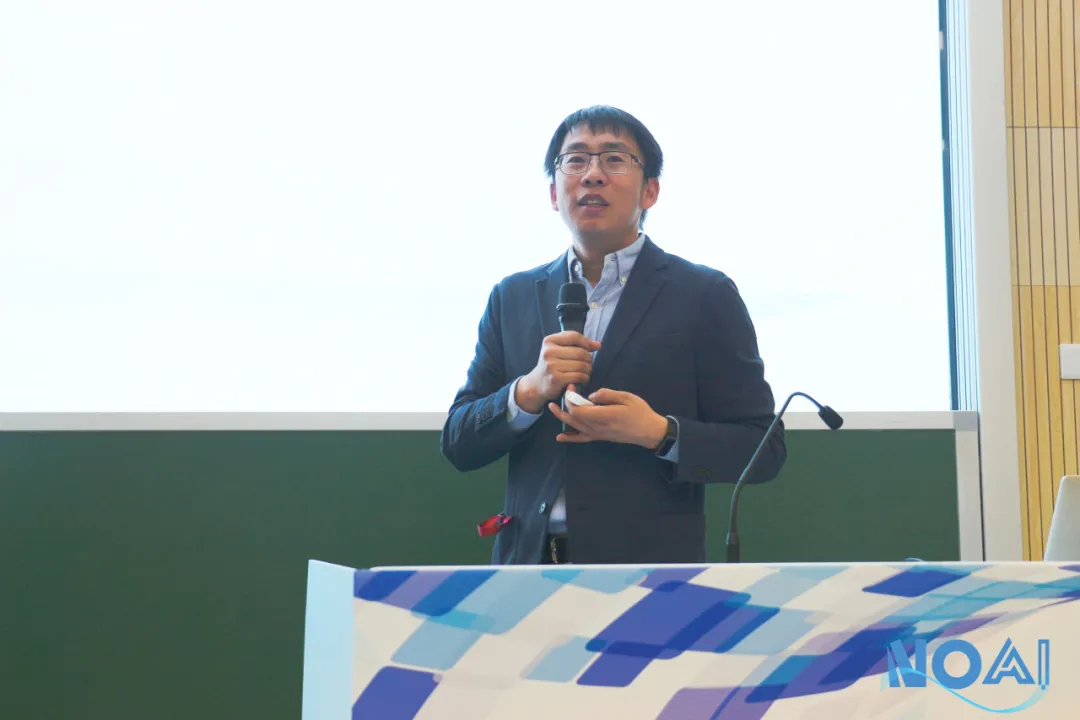
Dr Mao Yong, head of the NOAI Scientific Education Committee in the report, outlined the year’s syllabus, requirements for each stage and first-round assessment questions. The syllabus was designed to align upwards with the focus and requirements of the IOAI international stage while remaining compatible with China’s upper-secondary curriculum standards.
He stressed that NOAI was more than two rounds of assessment and selection: it was an educational process intended to introduce more young people in China to AI. Learning was to be integrated into assessment goals, with the two reinforcing each other. He described this as both the initiative’s purpose and a guiding principle.
Training plans for the second-round science camp
IOAI and NOAI were described as academically demanding activities connected with the research frontier. In accordance with IOAI requirements at the time, NOAI’s second round would include hands-on AI work: students would use state-of-the-art (SOTA) techniques on computers to investigate AI problems and write experimental reports.
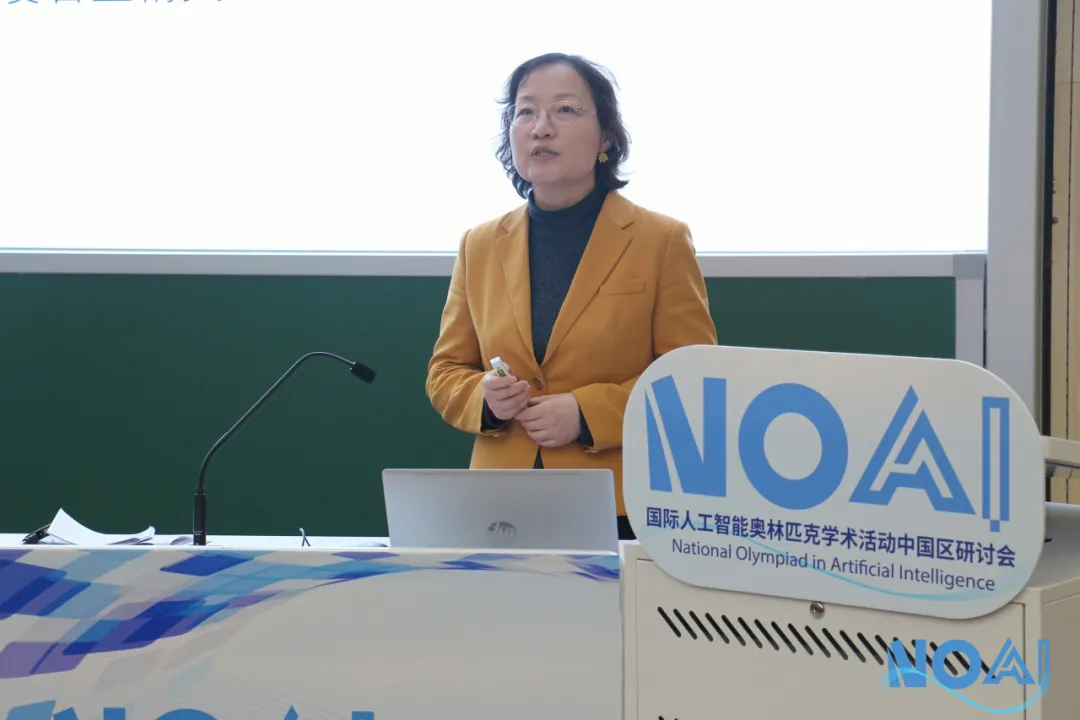
Dr Song Ruihua, a member of the NOAI Scientific Education Committee, then a tenured Associate Professor at the Gaoling School of Artificial Intelligence, Renmin University of China, and a specially appointed national high-level talent expert, presented plans for the second-round camp for promising AI students. Courses would emphasize deep learning and data processing, use advanced AI tools, and centre on projects and real problems to help students understand the methods and paradigms of AI research.
Jointly developing and sharing secondary-school AI courses
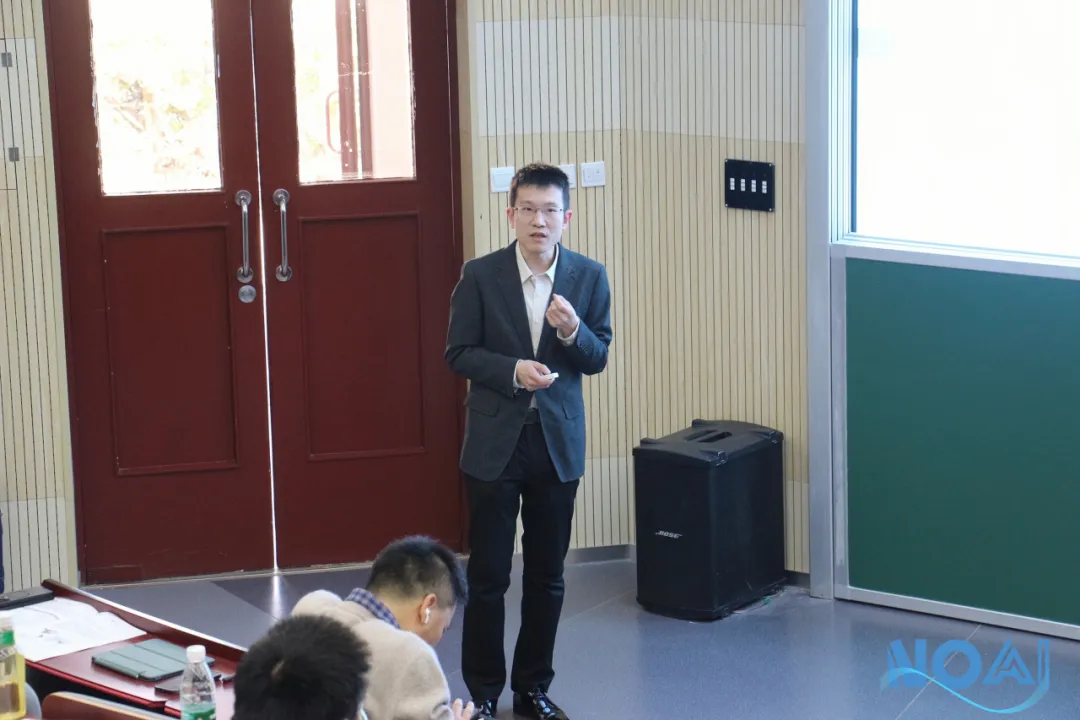
NOAI offered a pathway and platform for AI education in secondary schools, while wider adoption depended on curriculum development. Dr Zheng Zijie, a NOAI Scientific Education Committee member and head of advanced AI courses at Beijing National Day School, brought substantial work in this field. He focused on two questions: how to design AI courses that meet primary- and secondary-school students’ needs, and how to sustain curriculum development so that more secondary schools could offer them.
He emphasized that teachers, schools and society needed to work together to expand AI education and invited capable, interested teachers to contribute to the NOAI platform.
Open discussion and closing reflections
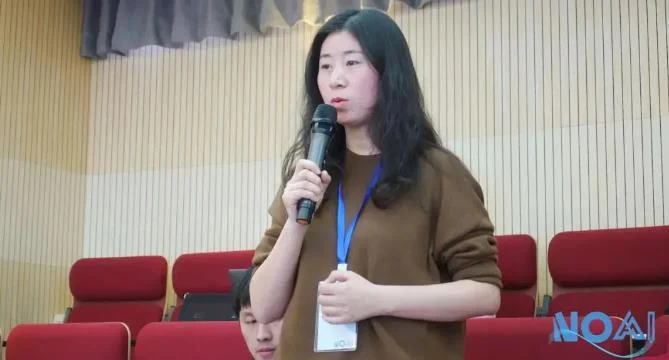
The report described 2024 as NOAI’s inaugural year, with the organizing committee facing a substantial initial workload. It emphasized the importance of educators’ cooperation in promoting and expanding the initiative. Open discussion brought suggestions on its future organization from representatives of the Chinese Association for Artificial Intelligence, the China Soong Ching Ling Science & Culture Center for Young People, Tongcheng Tongmei Technology, Xigua Maker, Xueersi Education, the Global Youth Turing Programme’s Suzhou branch, Beijing New Talent Academy, RDFZ Fengtai School, Shanghai Minban Wenqi Middle School · Huidian Meigao, and Chongqing Bashu Ivy School.
In his closing remarks, Dr Mao Yong referred to Education Minister Huai Jinpeng’s description of AI as a “golden key” that shapes both future education and education’s future, offering opportunities and challenges, at the livelihood-focused press conference of the Second Session of the 14th National People’s Congress that day, 9 March 2024. Mao then discussed the preceding decade’s research progress, richer algorithms and increasing computing power and data, through which AI had become part of everyday life. He argued that the new generative-AI wave around 2023 offered unprecedented convenience and opportunity while challenging educators in China and worldwide to develop people equipped for their time.
He presented IOAI as a new international academic activity for secondary-school students emerging in this context and hoped to work with teachers during 2024 on its organization and academic programme, making it an important platform for AI education in China. These were the event’s historical conclusions and aspirations.
Materials and learning resources
Explore further: the replay and teaching-materials entry for Yuanzhuo Programme session 73, the relevant section of the first-quarter 2024 activity handbook, and upper-secondary AI and STEM learning resources in the Resource Centre.
Editorial and archive notes
- The event and original Chair archive are dated 9 March 2024; the independent SLI repost is dated 2 April. The 38-page Yuanzhuo first-quarter 2024 handbook covers this event on printed pages 15–22, physical PDF pages 17–24. Its replay/materials link does not establish present-day playback or access without sign-in. SLI report; Yuanzhuo handbook
- The original states that there is only one Chair in each subfield. UNESCO’s 2022 establishment criteria give preference to new themes not already covered by another Chair in the country; this does not establish a one-Chair-per-subfield global rule. The claim is recorded for editorial transparency and is not adopted as a factual statement. UNESCO establishment criteria
- Roles, institution names, annual stages and proposed support are presented as reported in 2024. The Chen Guangju and Wu Fati images are speaker-profile graphics; the others are a group photograph and presentation photographs. Plans are not described as completed outcomes, and historical roles are not replaced by current ones. Foreign-language institution names are descriptive renderings where the original supplies no official foreign-language name. SLI report; Yuanzhuo handbook
- The Minister’s “golden key” remark can be cross-checked in the report carried by the Ministry of Education on 10 March 2024. The closing discussion of technology, talent development and the platform’s future is attributed to Mao Yong, rather than presented entirely as the Minister’s words. Report carried by the Ministry of Education; SLI report
- IOAI, the international activity, and NOAI, the China-region activity, are distinguished in their historical context. The two assessment rounds, international stage, joint courses and open discussion are retained. The inaugural-year description concerns NOAI’s 2024 introduction; later rules are not retroactively inserted. SLI report
- Xie Zuoru’s presentation, absent from the original page and SLI repost, is restored from printed page 19 of the official Yuanzhuo handbook, including both paragraphs and figure 18. Discussion figure 22 comes from printed page 22. Supplementary provenance is explicit; a guest list alone is not treated as a complete record of speeches. Yuanzhuo handbook
Original link: https://aiedchair.bnu.edu.cn/news-5778-en/