On the afternoon of 11 January 2024, Beijing Normal University held the forum on typical school applications and challenges of AI-generated content (AIGC) during its Ninth Smart Learning Academic Week. Hosted by BNU and organized by its Smart Learning Institute and National Engineering Research Center of Cyberlearning and Intelligent Technology, the hybrid forum comprised an opening, academic presentations, industry presentations and discussion. Domestic and international guests explored school applications, challenges and comprehensive, evidence-informed assessment of educational impacts, offering suggestions for future education. BNU postdoctoral researcher Ying Chen chaired the event.
Opening: potential, ethics and safety
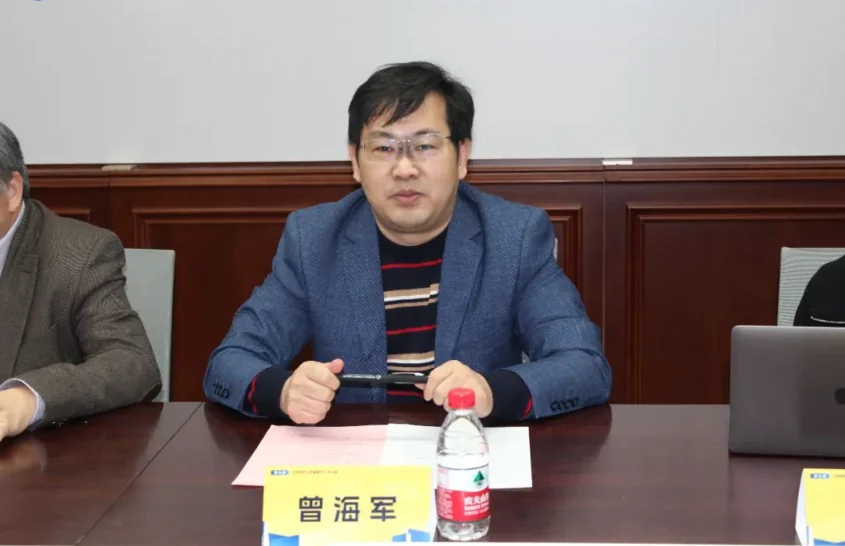
Haijun Zeng, Deputy Dean of the Smart Learning Institute, noted AI’s educational potential and growing interest in its value, alongside ethical and safety concerns: widening educational divides, privacy breaches and algorithm-related ethnic discrimination. The Institute was exploring these questions through the UNESCO Chair on AI in Education, research on an evaluation environment for educational generative AI systems, and the Yuanzhuo youth AI innovation programme. He called for dialogue among university experts, classroom teachers and businesses on school applications and challenges.
Academic presentations
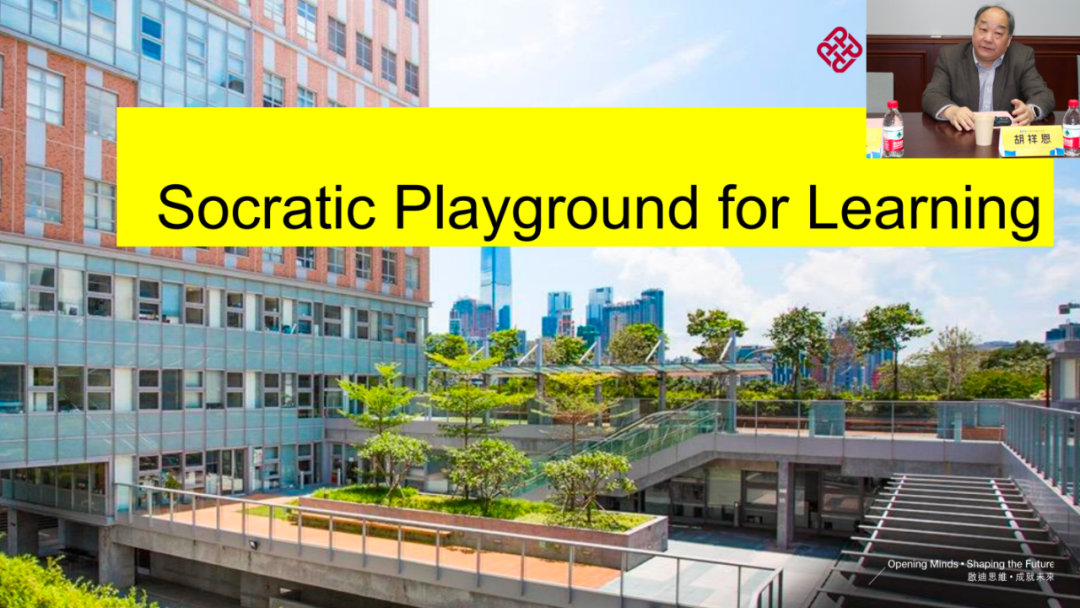
Xiangen Hu, Director of the Institute for Higher Education Research and Development at The Hong Kong Polytechnic University, presented “Socratic Playground for Learning”. He examined generative AI’s educational roles and applications, and risks of misuse. Drawing on research, he introduced the Socratic Playground approach, combining AI with Socratic pedagogy, and shared application cases.
Fudan University Professor Yanghua Xiao presented “Cognitive Assessment of Large Models”, discussing the use of human educational-assessment theory to evaluate model cognition. Topics included similarities and differences between human and machine cognition, assessment categories, concepts and characteristics of IQ and emotional-intelligence tests, and methods, standards and examples for evaluating large models. The title follows the original presentation slide.

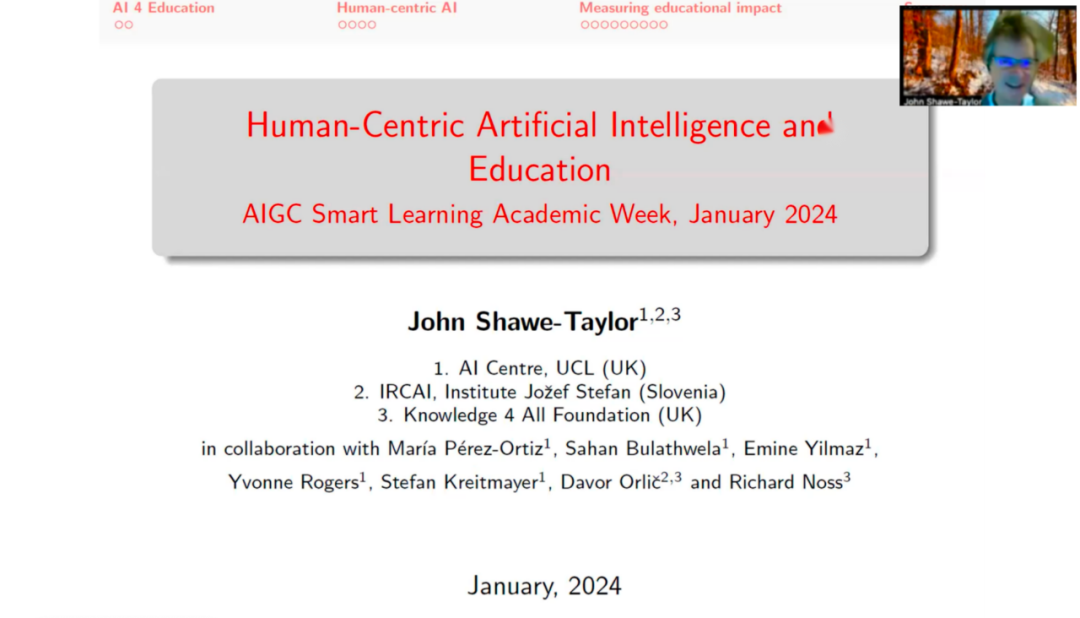
John Shawe-Taylor, Director of the International Research Centre on Artificial Intelligence under the auspices of UNESCO and Professor at University College London, spoke on human-centric AI and education. He discussed educational roles of large models and AI, the concepts and characteristics of human-centric systems, and examples of assessing AI’s educational impacts.
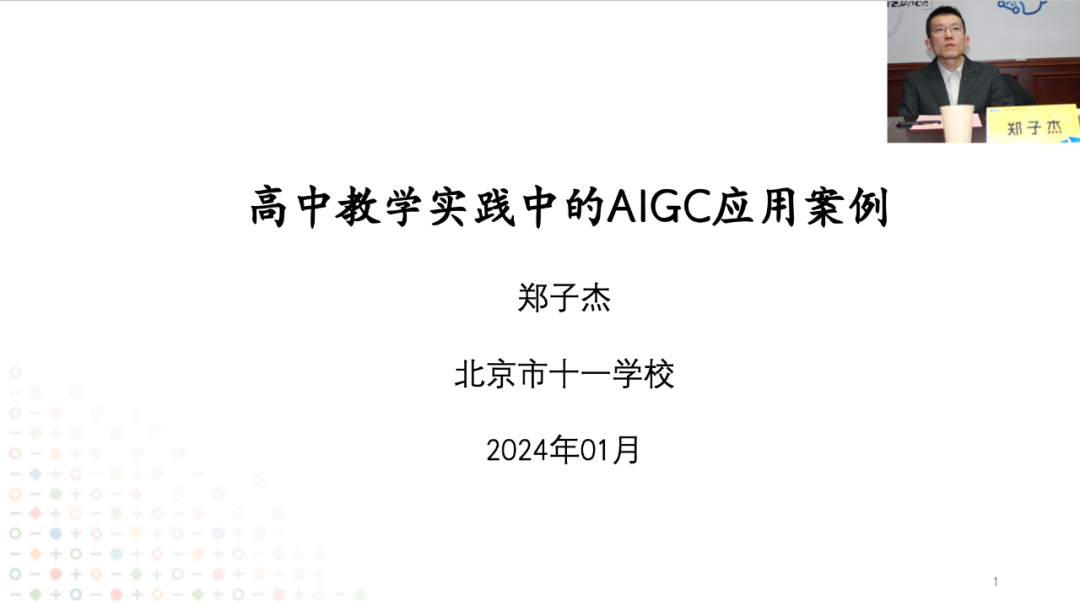
Zijie Zheng of Beijing National Day School presented AIGC applications in high-school teaching practice. Drawing on his school’s experience, he described students’ uses of AIGC and teachers’ uses to improve everyday work efficiency. Teaching cases illustrated how AIGC knowledge could enter future education so students understand the technology, know how to use it and use it appropriately to support learning.
Industry presentations
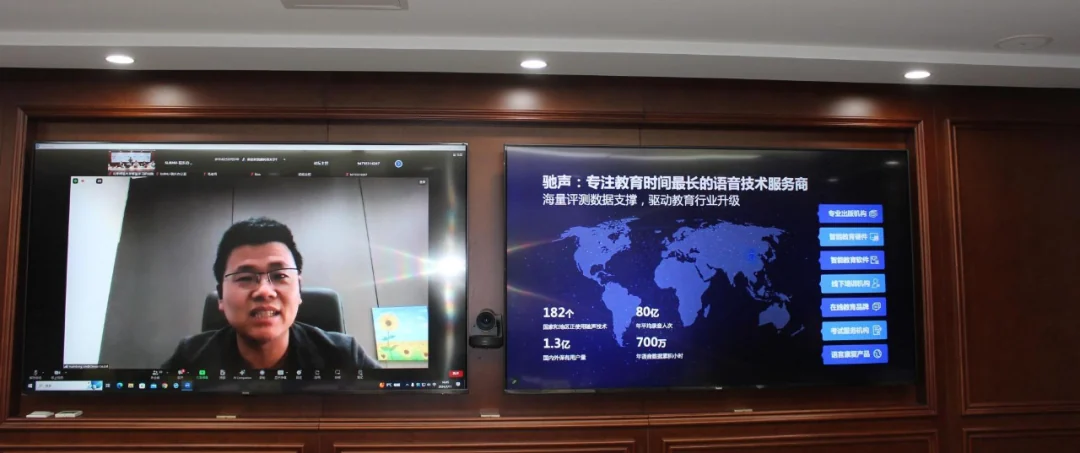
Yuandong Lin, founder and CEO of Suzhou Chivox Information Technology and a speech-assessment specialist, discussed educational-technology evolution from improvement to integration. In the improvement phase, machines reduce repetitive teaching work and take over some tasks. Integration, he argued, emphasizes teachers’ educational and human-development role, which machines and technology cannot replace.
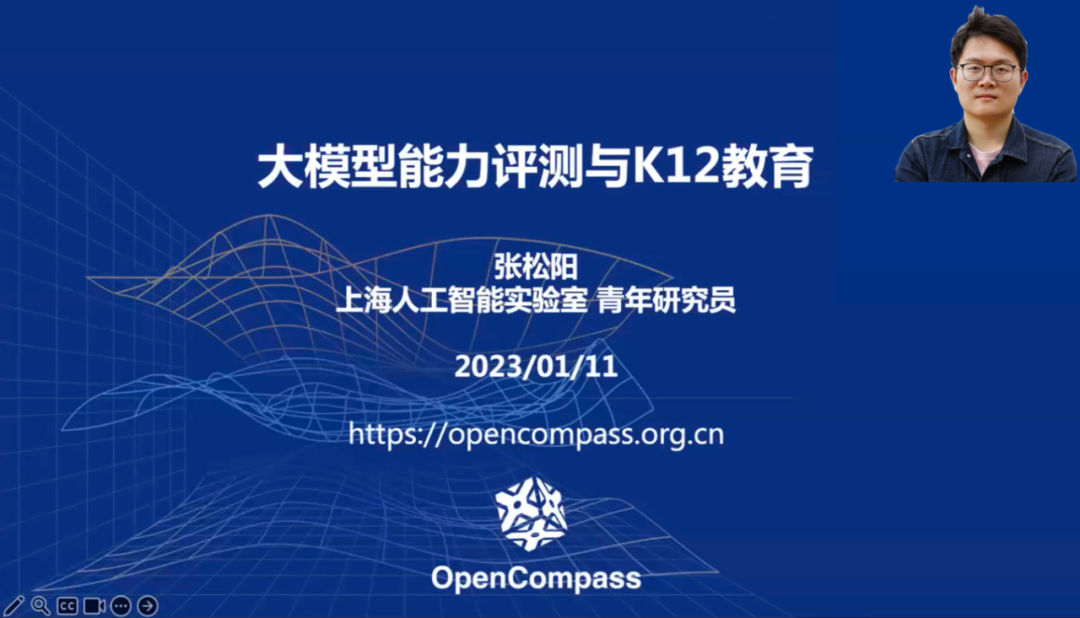
Songyang Zhang, head of Shanghai AI Laboratory’s OpenCompass large-model evaluation platform, presented large-model capability assessment and K–12 education. Using OpenCompass, he addressed why evaluation is needed, what to evaluate and how to test large language models, then considered their capabilities in K–12 settings.
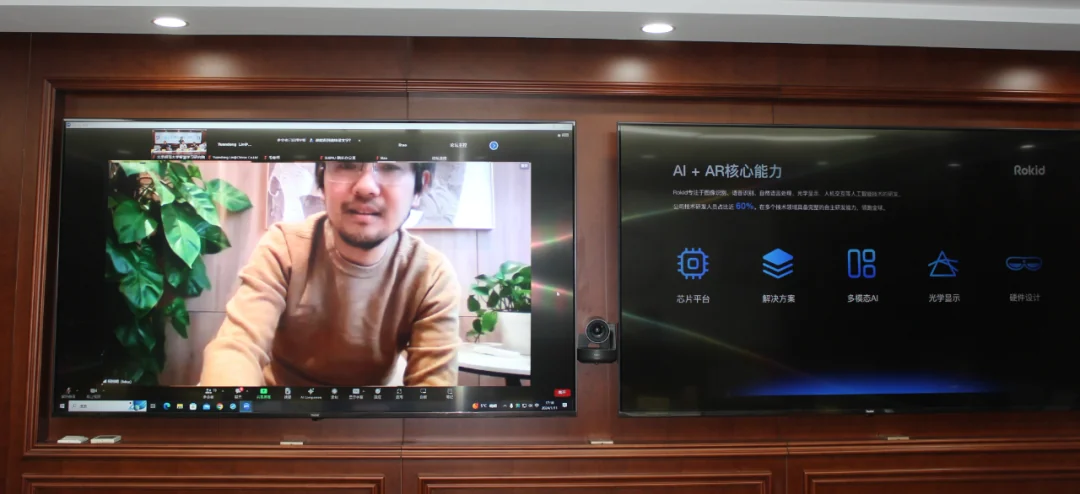
Mingming Zhu, founder and CEO of Rokid, spoke on opening a global era of spatial computing. He described augmented reality as a promising successor to mobile internet as a personal-computing platform and argued that this era had arrived. This was the speaker’s assessment at the 2024 forum.
Discussion: applications and evaluation
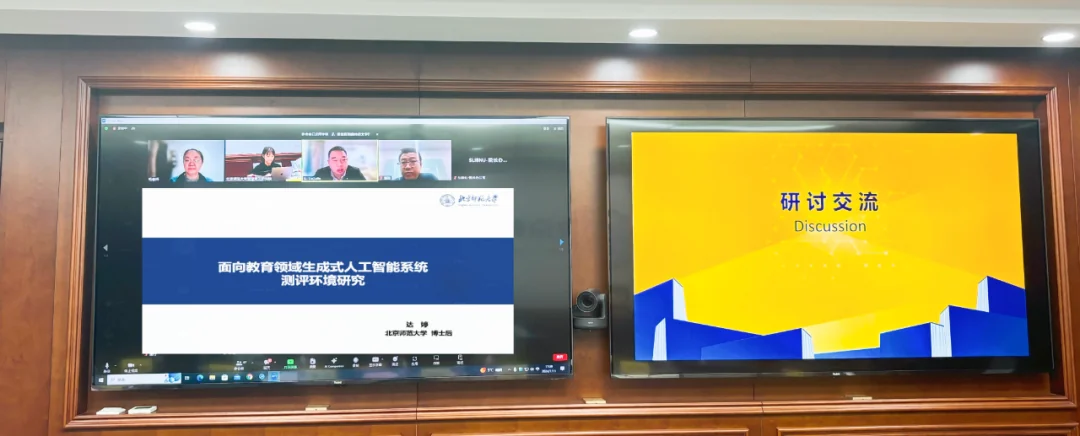
During discussion, BNU postdoctoral researcher Ting Da introduced progress in research on an evaluation environment for generative AI systems in education.
Zailin Dai, Senior Education Research Specialist at the Smart Learning Institute; Chengjie Mao, teacher at Beijing Jingshan School; and Peng Ge, General Manager of Suijishu Intelligent Technology, discussed two questions: typical school-teaching applications, potential and challenges of AIGC; and how to assess its impacts on school education scientifically and comprehensively.
Sources and editorial corrections
The source is SLI’s report published on 19 January 2024; the site’s original archive date, 16 January 2024, is retained. The old Chinese repost used “认识评测” in Xiao’s title; it is corrected to “认知评测” from the original slide. Zhang’s unaltered slide still displays “2023/01/11”; the organizer’s report establishes the event date as 11 January 2024. Roles and technological assessments reflect the reporting context at that time.
Further reading
Related archive: forum announcement and planned programme; background: UNESCO guidance on generative AI; classroom practice: AI and STEM learning resources.
Original link: https://aiedchair.bnu.edu.cn/news-6342-en/