Research and Advocacy

Perspective | Human–AI Collaboration Has Become One of the Inevitable Trends in Education’s Future

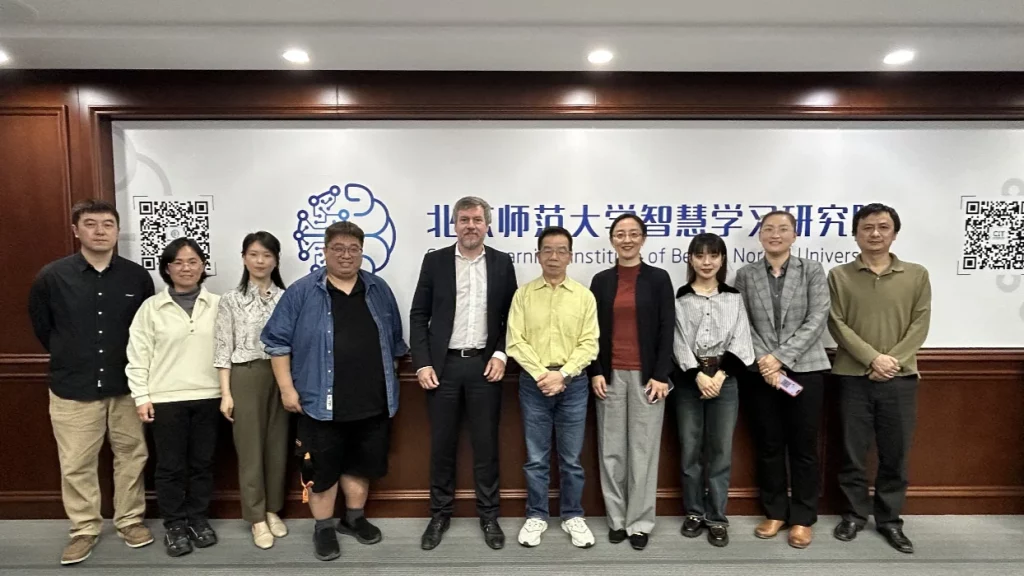
Where is education heading in the intelligent era? Since ChatGPT appeared, the changes and challenges that AI brings to education have been widely debated. Huang Ronghuai, Dean of the Smart Learning Institute of Beijing Normal University and Director of the National Engineering Research Center for Cyberlearning and Intelligent Technology, argues that generative AI may overturn the existing education system as a whole. He calls for transforming education with intelligent technologies, strengthening teachers’ and students’ competencies for the intelligent era, jointly exploring and practising digital pedagogy, and developing human–AI collaborative teaching in an orderly manner and in accordance with relevant requirements.
Title design: How AI Technology Can Advance Higher Education

How AI Technology Can Advance Higher Education

As China works to build a strong education system, how to advance the “AI Plus” initiative has become a major concern for educators. Higher education urgently needs profound changes in its educational philosophy, institutional development, teaching models, learning paradigms and assessment methods to shape a new ecosystem of AI-enhanced higher education.

BNU Faculty of Education delegation visits Serbia and Bosnia and Herzegovina to deepen China–Central and Eastern Europe cooperation

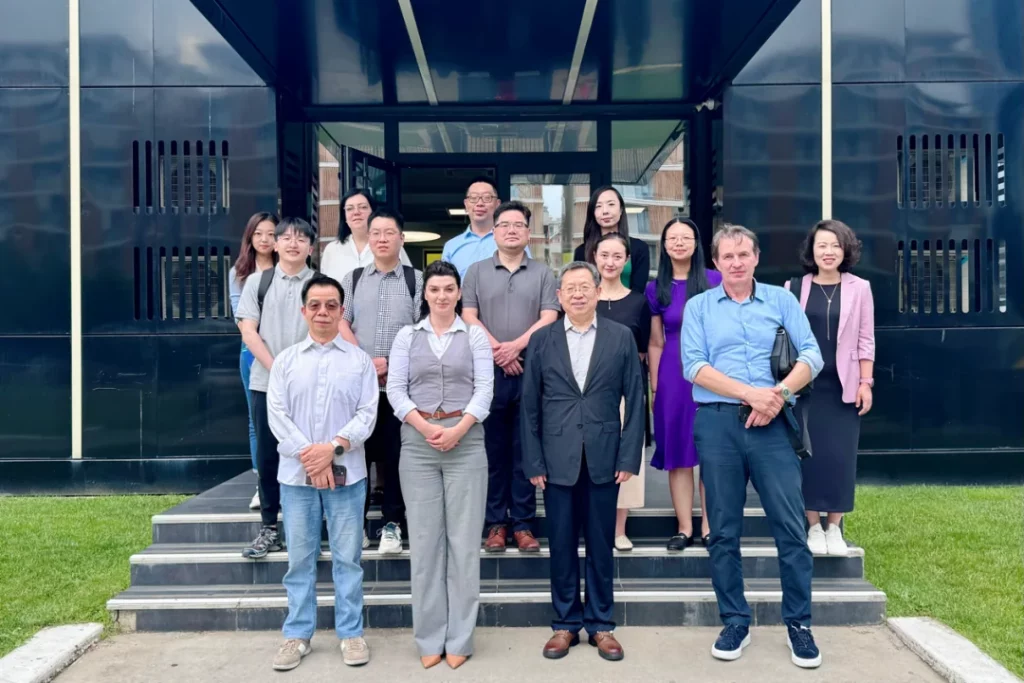
From 30 May to 5 June 2024, Professor Xudong Zhu, Dean of the Faculty of Education at Beijing Normal University (BNU), led a delegation to Serbia and Bosnia and Herzegovina. The visit sought to implement outcomes of President Xi Jinping’s visit to Serbia, strengthen educational and people-to-people exchanges, and contribute to the China–Serbia community with a shared future in the new era.

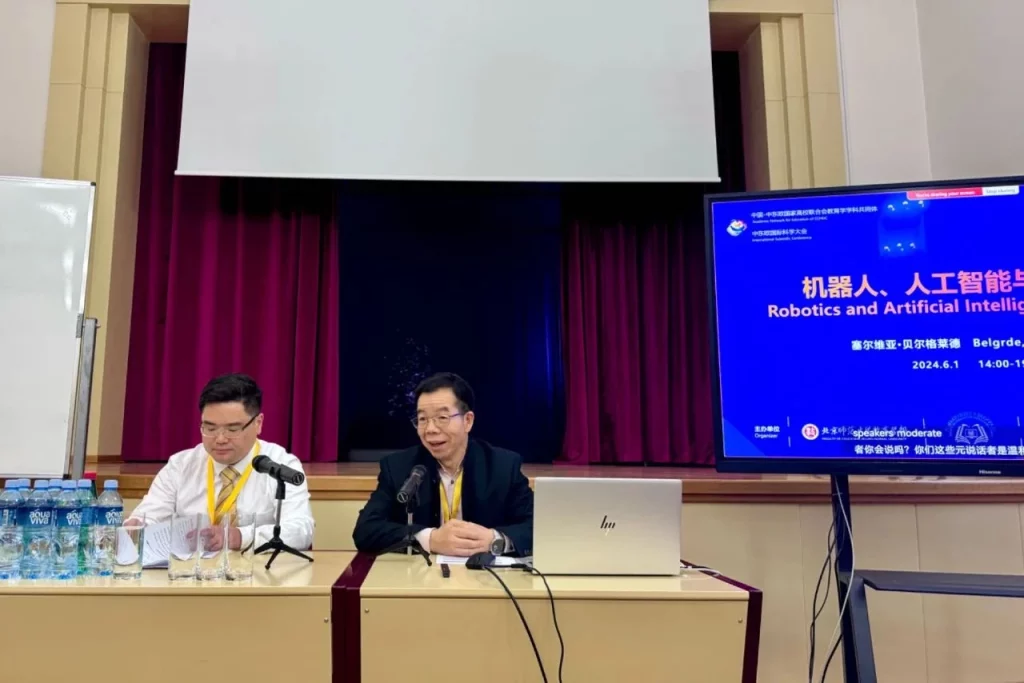
Forum on Robotics and Artificial Intelligence in Education held in Belgrade

The Forum on Robotics and Artificial Intelligence in Education took place at the University of Belgrade on 1 June 2024. Researchers, educators and business representatives from around the world explored educational applications and innovation in robotics and AI. Co-organized by BNU’s Faculty of Education, the University of Belgrade’s Faculty of Education and the UNESCO Chair on AI in Education, it focused on educational robots, AI-supported teacher education, and generative AI in education, using dialogue and shared experience to promote inclusion, equity and Sustainable Development Goal 4 (SDG 4).

Scroll to Top