Overview
On 30 July 2024, the UNESCO Chair on AI in Education hosted the online China–Africa Youth AI Literacy Dialogue. Experts, scholars and other education practitioners from several African countries shared and discussed recent achievements in AI technologies and applications, their risks and challenges, and ways to develop AI literacy and capabilities among African young people. By exploring how AI literacy can support young people's development, the forum sought to contribute to a brighter future for African youth, their families and communities, and regions across Africa.
Opening remarks
In the opening session, Dr Boulus Shehata, a researcher at the Smart Learning Institute of Beijing Normal University, discussed historical connections between ancient Egyptian innovation and modern AI. From the Rosetta Stone to natural language processing, he observed, scholars have explored how technologies of the past can inspire those of the future. He particularly emphasised enabling African young people to learn AI skills and seize future opportunities.

Forum discussions
Jako Olivier
Jako Olivier, Higher Education Adviser at the Commonwealth of Learning (COL), introduced the challenges and opportunities of integrating AI into higher education curricula in Africa. He highlighted a literacy gap between people's current capabilities and those required to use AI tools effectively. Dr Olivier identified barriers in internet access and linguistic diversity, stressing that AI systems need further training and innovation to support multiple languages and foster inclusive education.

Frank Larbi
Frank Larbi, a lecturer in the School of Education at South China Normal University, discussed progress in STEM education in Ghana. He highlighted the government's commitment to developing students' critical thinking and problem-solving skills in response to globalisation and technological change. Dr Larbi also identified funding constraints, teacher preparation and access to technology as challenges. He advocated increased financial support, curriculum transformation, and stronger partnerships between schools and industry to improve the effectiveness and relevance of STEM education.

Moses Oladele Ogunniran
Moses Oladele Ogunniran, a graduate assistant at the Education Policy Center of the University of Alabama, discussed the importance of empowering education practitioners to teach AI in Nigeria and across Africa. He emphasised comprehensive training and adequate resources to integrate AI effectively into classrooms while addressing infrastructure, the digital divide and ethical issues. Dr Ogunniran highlighted AI's transformative potential in education and advocated personalised learning and teacher workshops. He called for government support and continuing professional development to overcome these challenges and improve educational outcomes across the continent.

Mohamed Oubibi
Mohamed Oubibi, a postdoctoral researcher at the Smart Learning Institute of Beijing Normal University and a visiting professor at Rattana Bundit University, discussed digital transformation and AI development in Morocco. He outlined progress in integrating digital technologies into education and infrastructure, including national strategies to equip schools with internet access and multimedia resources. Despite equipment costs and teacher training needs, Morocco was described as a leader in Africa's digital transformation. Dr Oubibi also presented educational reforms aimed at achieving the Sustainable Development Goals.
Oscar Eybers
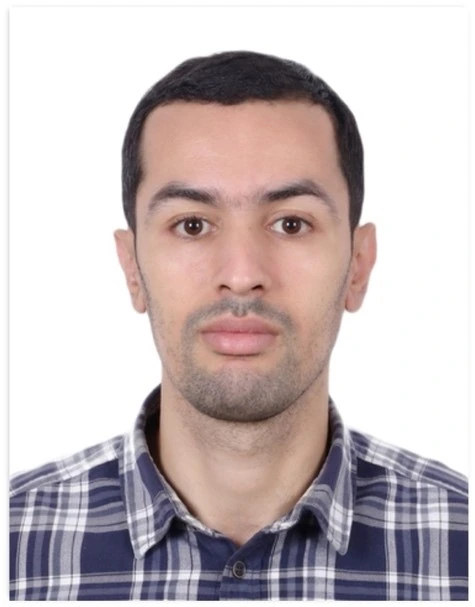
Oscar Eybers, a lecturer at the University of Pretoria, shared insights into generative AI pedagogy from South Africa. AI tools such as chatbots can enhance understanding by combining visual, written and spoken modes, he explained, while cautioning against excessive reliance on them. Dr Eybers advocated combining AI with traditional teaching methods and addressing challenges such as academic integrity. He also stressed critically evaluating AI-generated content and adapting teaching strategies as technology develops.

Amina Laimeche
Amina Laimeche, a lecturer at Henan University of Engineering, discussed integrating AI literacy into Algeria's education system. She highlighted significant government investment in modernising education through AI, including smart classrooms and AI-powered tools for personalised learning. Dr Laimeche outlined strategies involving policymaking, educational reform and public–private partnerships. Despite financial constraints and infrastructure needs, she reported positive results in expanding digital educational infrastructure and AI research.

Olalekan Adeeko
Olalekan Adeeko, affiliated with the National Open University of Nigeria and a Microsoft MVP researcher, discussed how education practitioners can teach AI. He identified substantial AI literacy gaps among pre-service teachers, many of whom had received no relevant training. Mr Adeeko emphasised comprehensive AI education covering technical skills, ethical considerations and practical applications. He recommended incorporating AI literacy into teacher education programmes so that teachers are prepared to use AI effectively and ethically in classrooms.

David Bull
David Bull, a lecturer at Njala University in Sierra Leone, emphasised the importance of AI literacy in education. Comprehensive AI education is needed to improve educational outcomes in Sierra Leone and across Africa. He discussed limited internet access and insufficient teacher training, while noting promising developments such as new school courses in AI and robotics. Mr Bull called for stronger cooperation and capacity building to close AI literacy gaps and use AI's potential to strengthen learning and educational transformation.

Natasha Ji
Natasha Ji, a student in the Faculty of Education at Beijing Normal University, discussed integrating AI into education. She explained how AI can support teachers by automating routine tasks, providing personalised learning experiences and improving overall efficiency. Reviewing AI's historical development, she outlined its current educational applications and potential benefits and risks. She stressed preventing bias and misuse, and treating AI as a support tool rather than a replacement for human educators.

Closing reflections
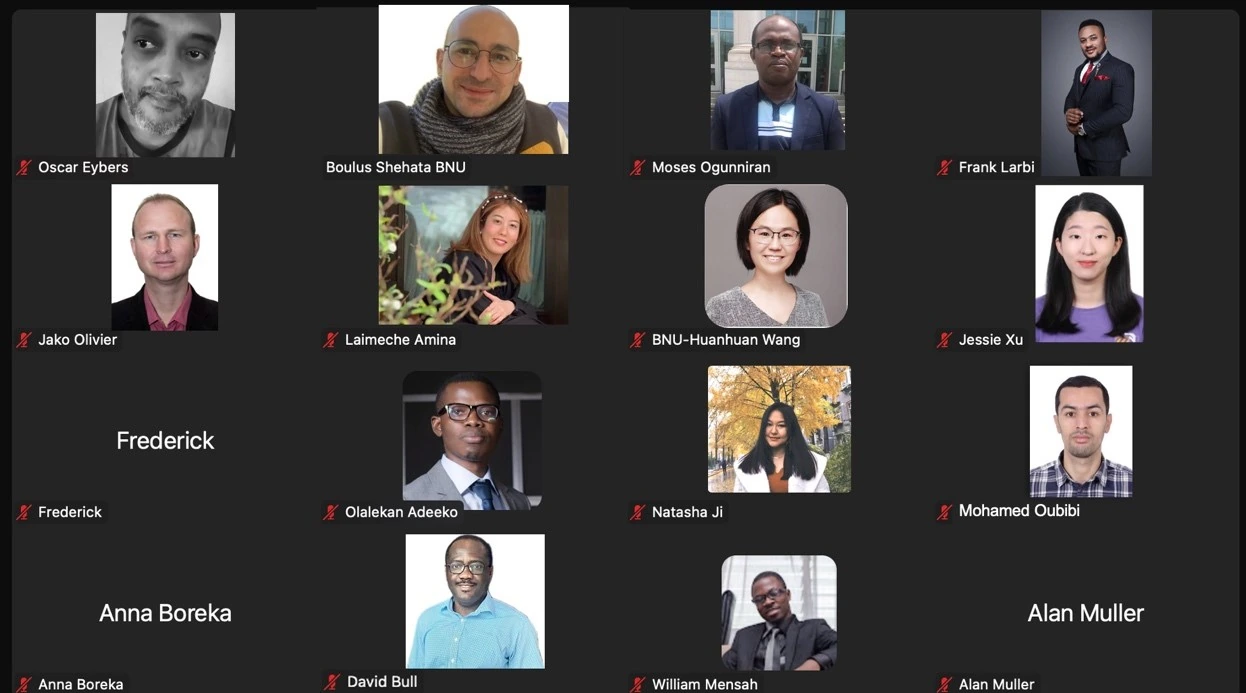
In his closing remarks, Dr Boulus Shehata said that all speakers had contributed distinctive perspectives and valuable experience. The forum emphasised that developing AI literacy and capabilities among African young people requires cooperation among multiple parties. It explored AI's potential to transform education alongside policymaking, ethics and capacity building. Dr Shehata looked forward to further cooperation with experts and educators to advance AI literacy and education for young people in China and Africa.
Original link: https://aiedchair.bnu.edu.cn/news-9620-en/