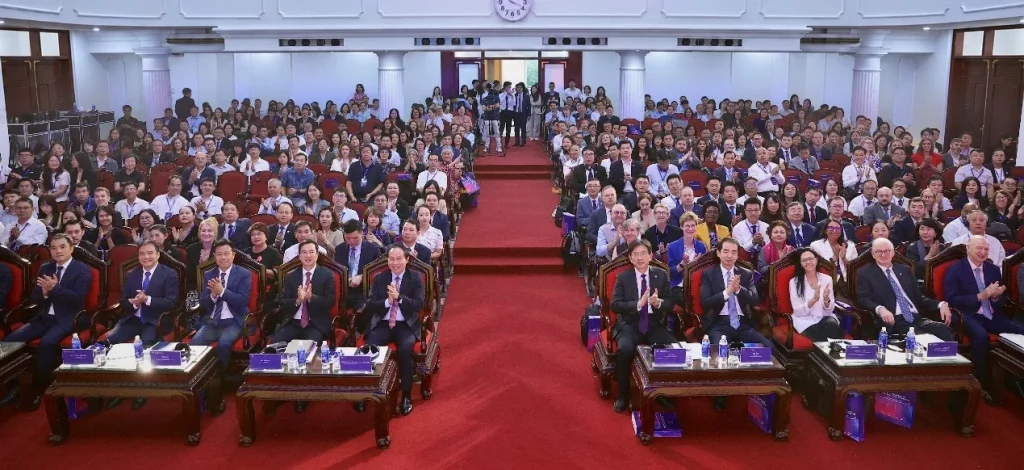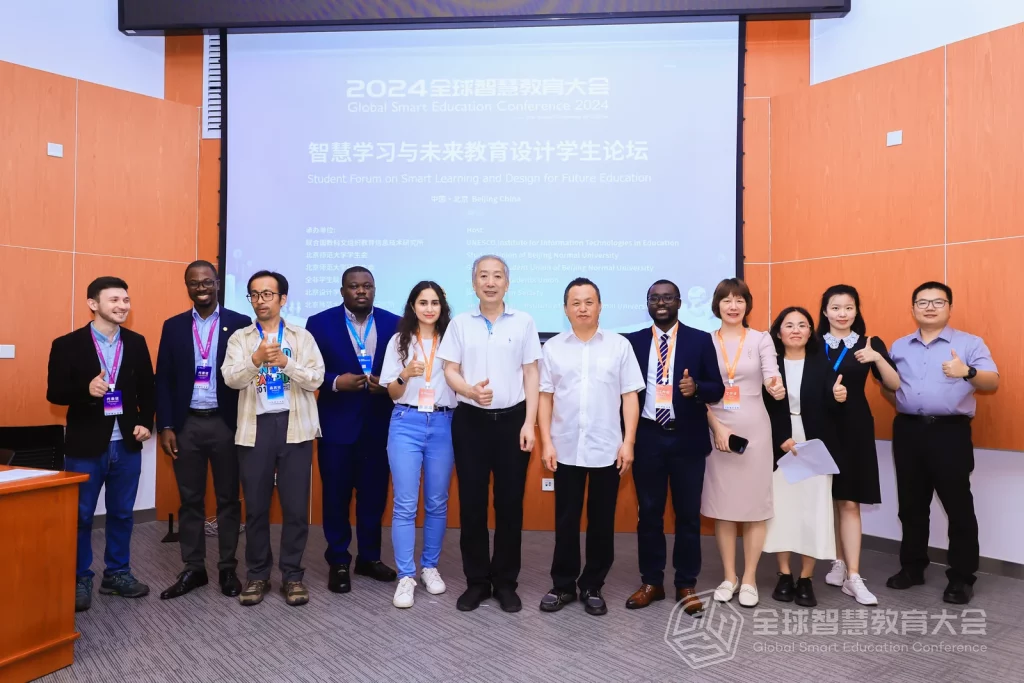
The Student Forum on Smart Learning and Design for Future Education took place at BNU’s Changping Campus on the afternoon of 20 August 2024. Fourteen university student representatives from China, South Korea, the Maldives, Nepal, Iran, Serbia, Croatia, Kazakhstan and Ghana joined experts and practitioners in education and design, both on-site and online. They considered design thinking, digital technologies and opportunities and challenges of AIGC across four themes:
- Designing and implementing ubiquitous learning spaces
- Designing and supplying quality educational resources
- Designing innovative human–AI learning activities
- Teaching models with multiple stakeholder participation
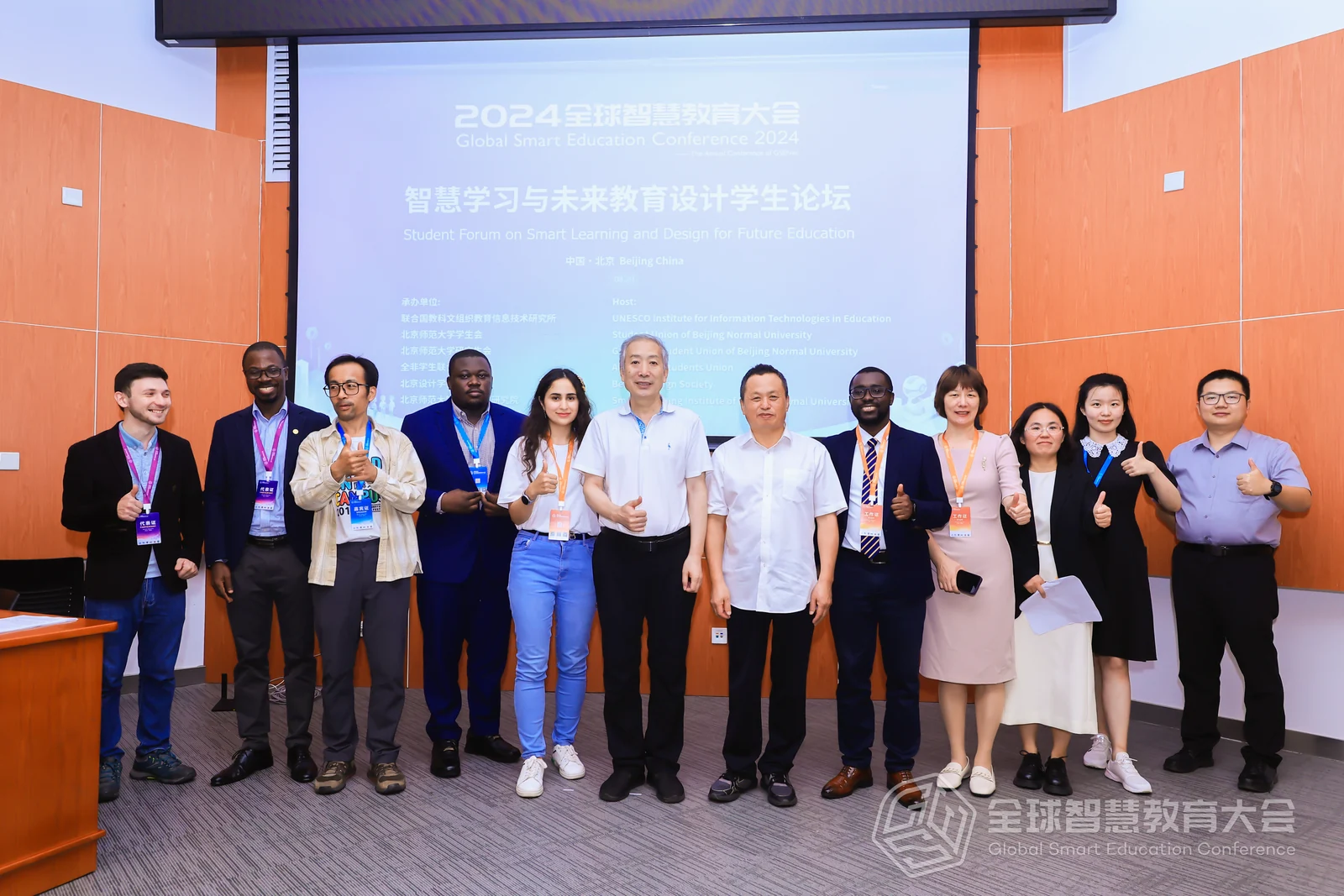
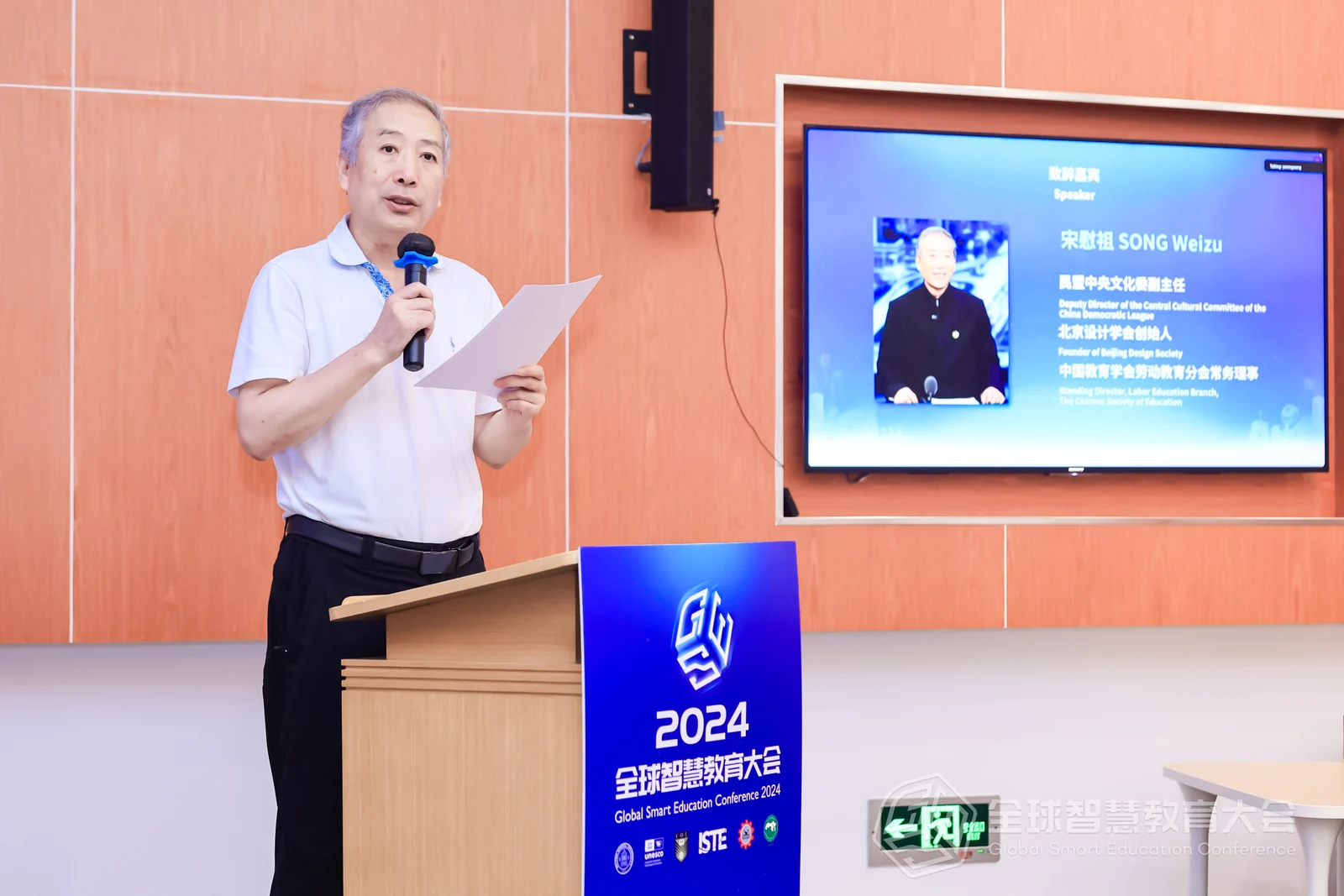
Guests included Song Weizu, Founder of Beijing Design Society and Deputy Director of the China Democratic League’s Central Cultural Committee; Natalia Amelina, UNESCO IITE Senior National Project Officer in Education; Chen Guangju, Vice Dean of BNU’s Smart Learning Institute; An Lili, Deputy Secretary of BNU’s Youth League Committee; and Divine Edem Kwadzodeh, AASU Policy Advisor on Education Policy and Advocacy. Roles follow the 2024 accounts.
Guest perspectives: design and educational change
Song Weizu described design as a scientific methodology integrating knowledge, innovation and development, and a driver of educational change. He reviewed Beijing Design Society’s decade of Party-led work bringing together Chinese and international experts to support balanced education, and advocated integrating digital technology, cultures, educational theory and knowledge systems to address global challenges and build open, inclusive smart education.
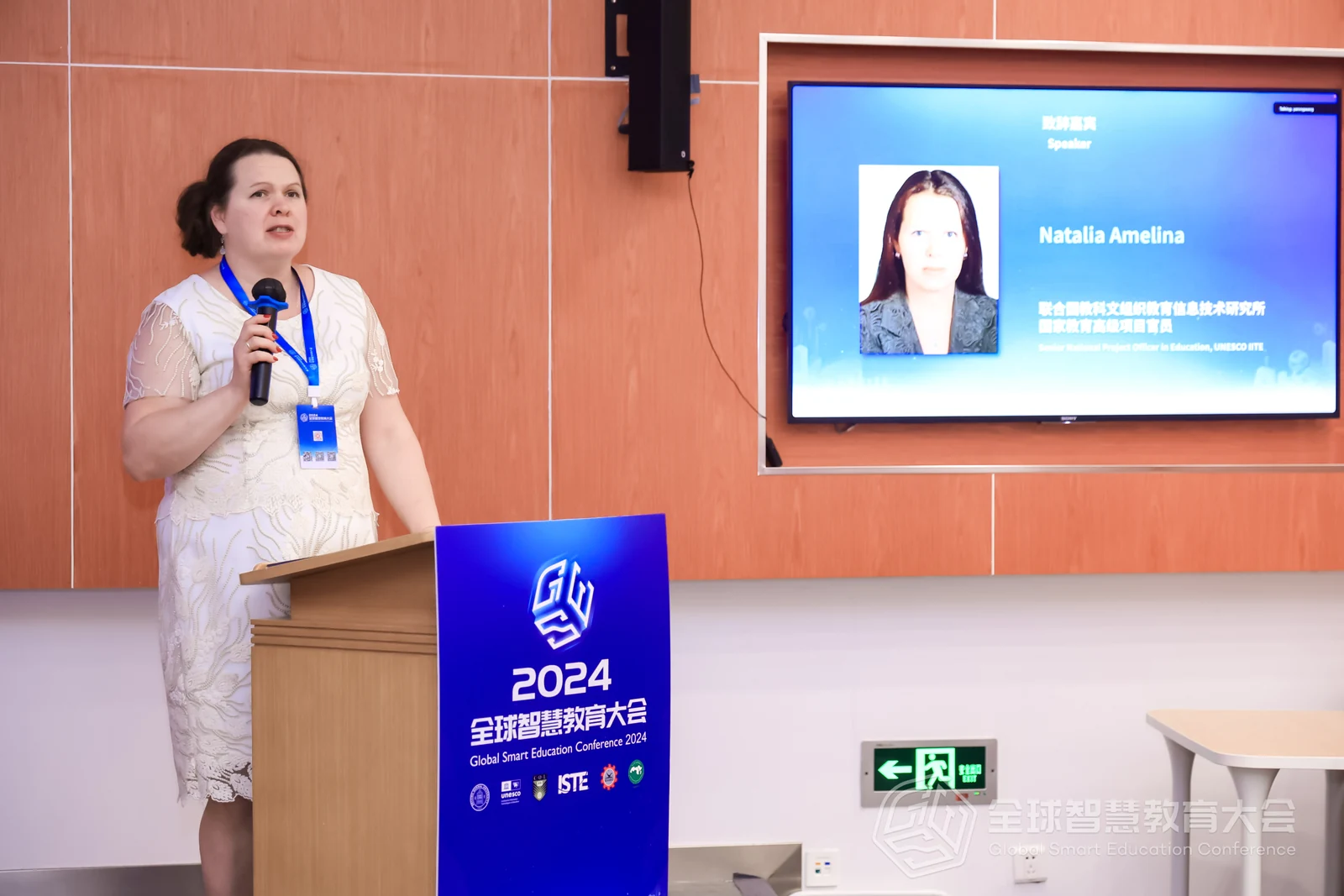
Natalia Amelina emphasized technology’s role in renewing educational concepts, content and methods, supporting balanced resources, teaching innovation and assessment reform. She highlighted design thinking and interdisciplinary work, calling for deeper integration of information technology and education. The English source also framed a future educational-platform proposal as Education 5.0.
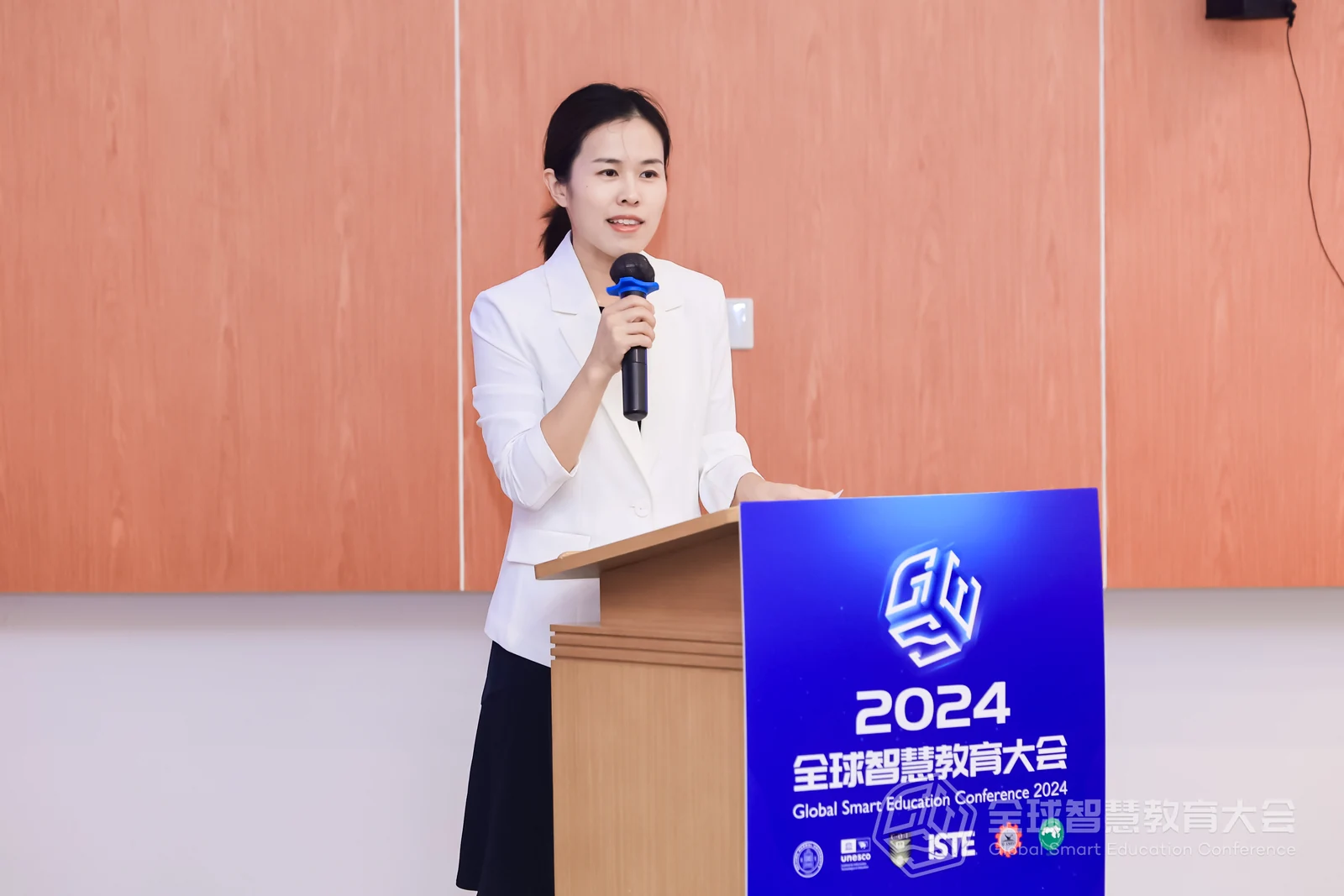
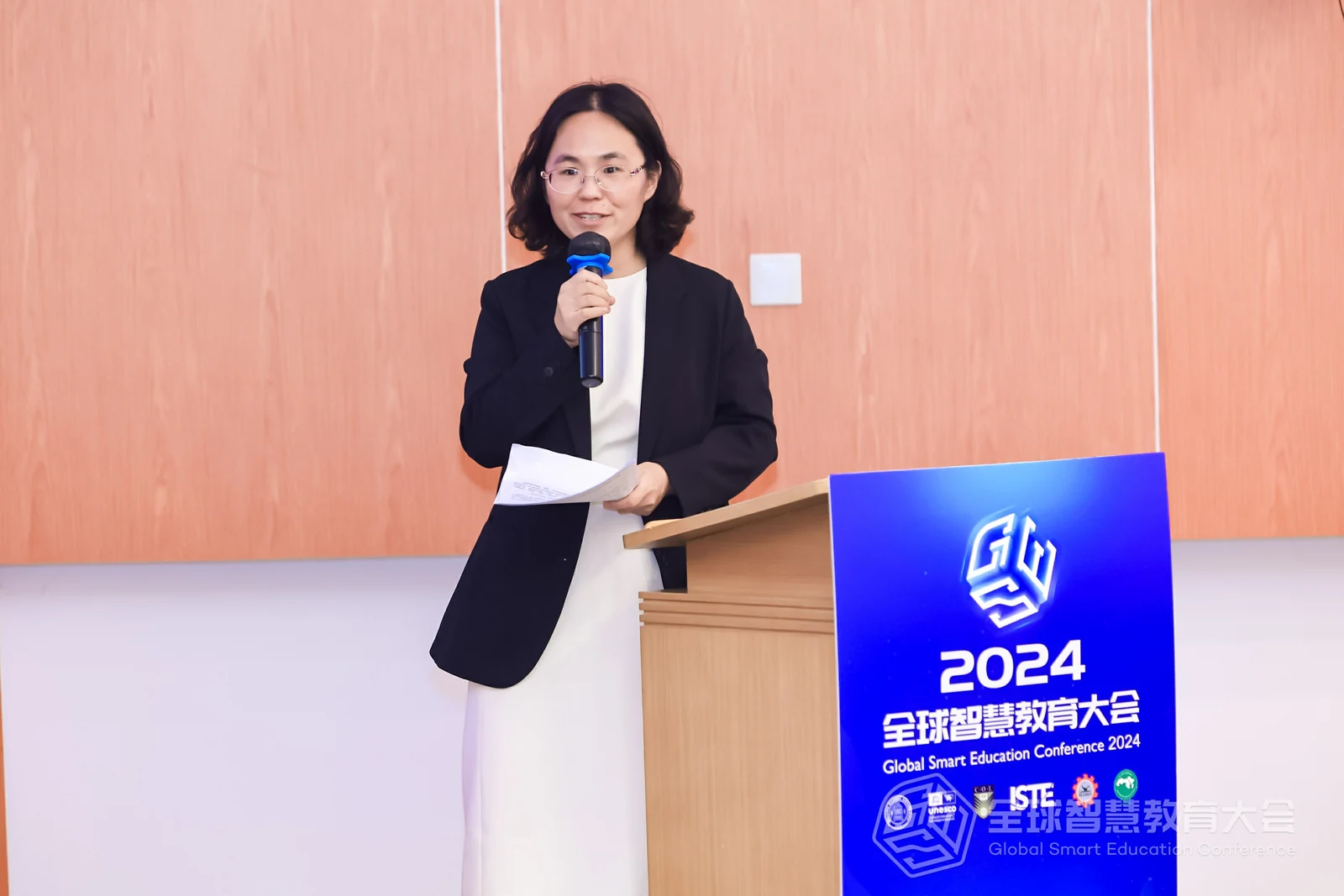
An Lili discussed BNU’s teacher-education mission and digital transformation, including AI societies and tool platforms responding to the Third Plenary Session of the 20th CPC Central Committee’s integrated reform agenda for education, science, technology and talent. She invited young people to design ubiquitous spaces and quality resources for inclusive, equitable education.
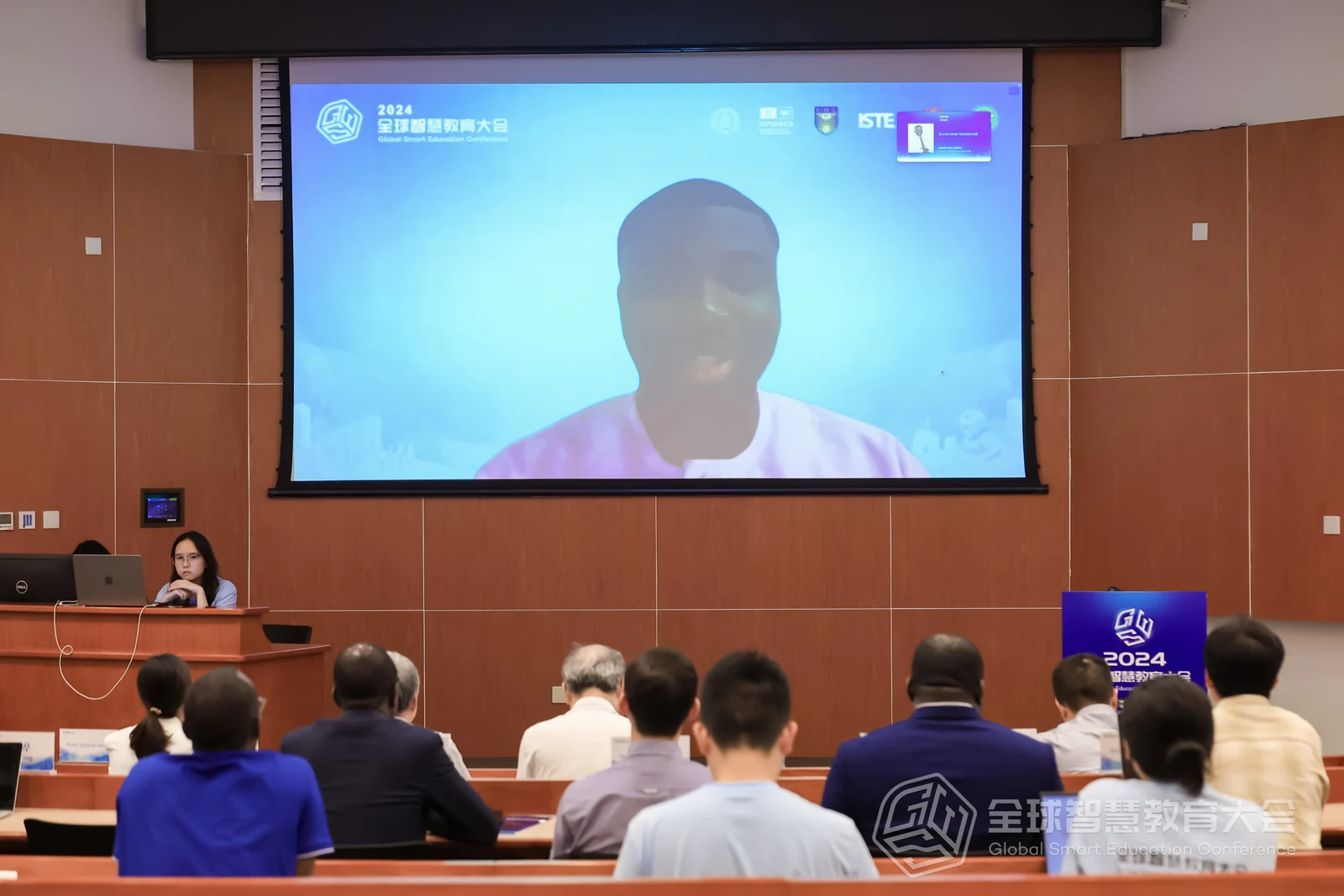
Divine Edem Kwadzodeh advocated technology-enhanced teaching, instructional design and evidence-based governance for sustainability. He described AASU’s work on equitable African access to resources and collaborative smart-platform projects, encouraging fairer and more effective learning environments.
Theme 1: ubiquitous learning spaces
BNU postdoctoral fellow Usama Kalim moderated the first theme: ubiquitous spaces enabling learners to access information and learn effectively anytime and anywhere.
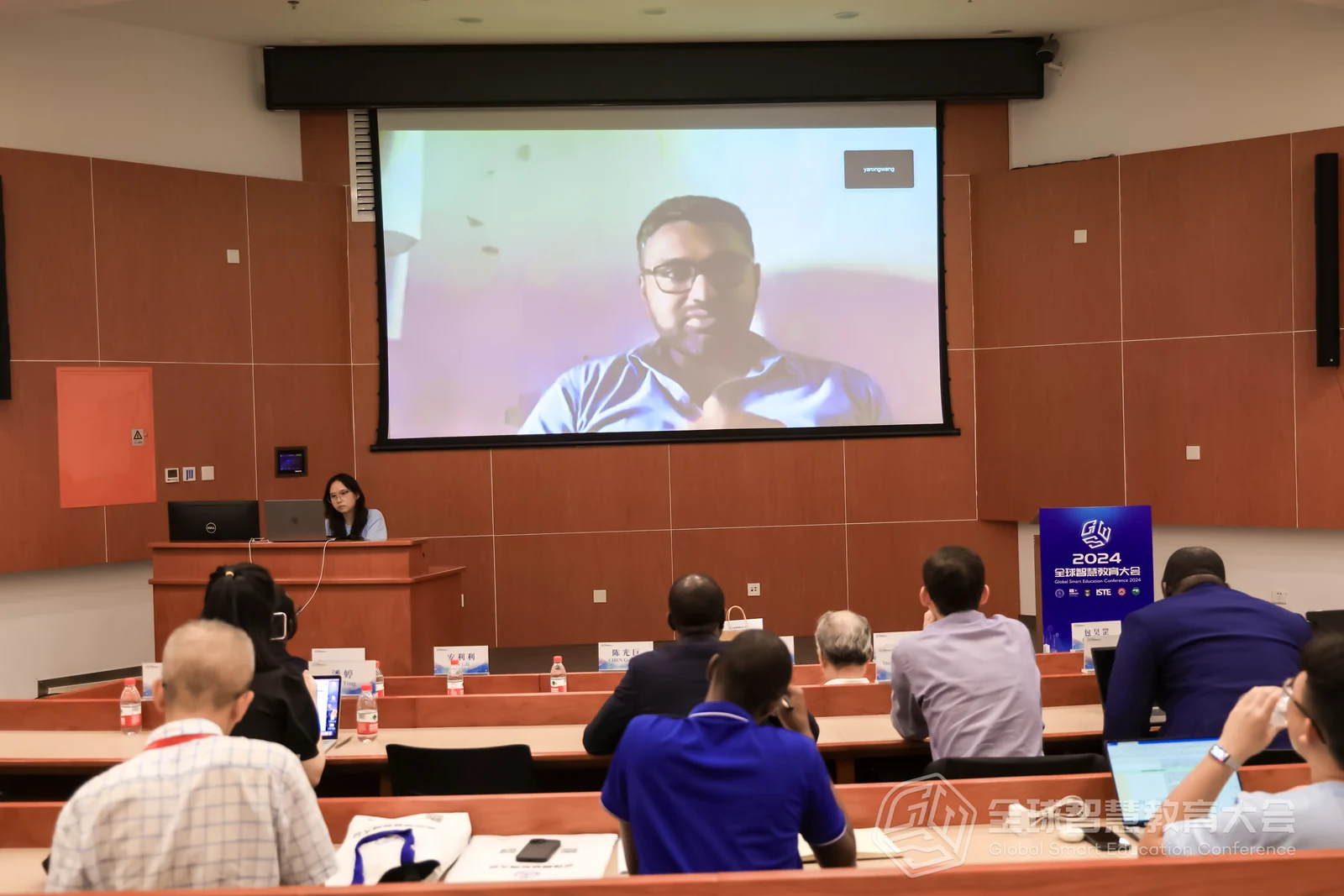
Frederick Oduro, a BNU doctoral student in Comparative Education, discussed unequal science-education resources and shortages of laboratories and equipment in Ghana. He proposed VR, AR and mobile learning devices for flexible, immersive and interactive environments.
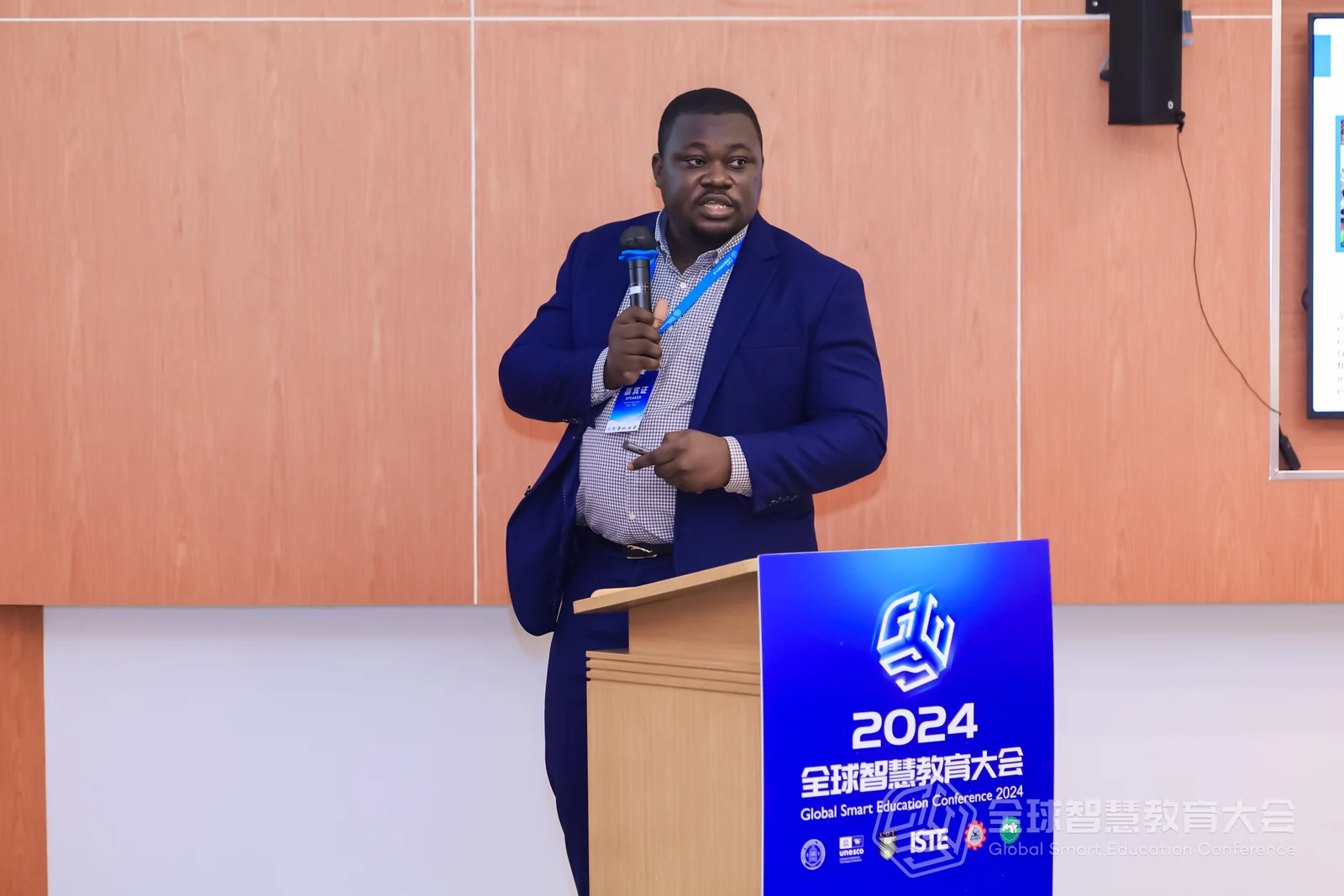
Shen Peiqing, with an education-AI research background at Tokyo Gakugei University, discussed errors that tools such as ChatGPT can make on specialist questions. She proposed interactive AIGC learning companions offering personalized guidance, immediate feedback, multilingual communication and round-the-clock support.
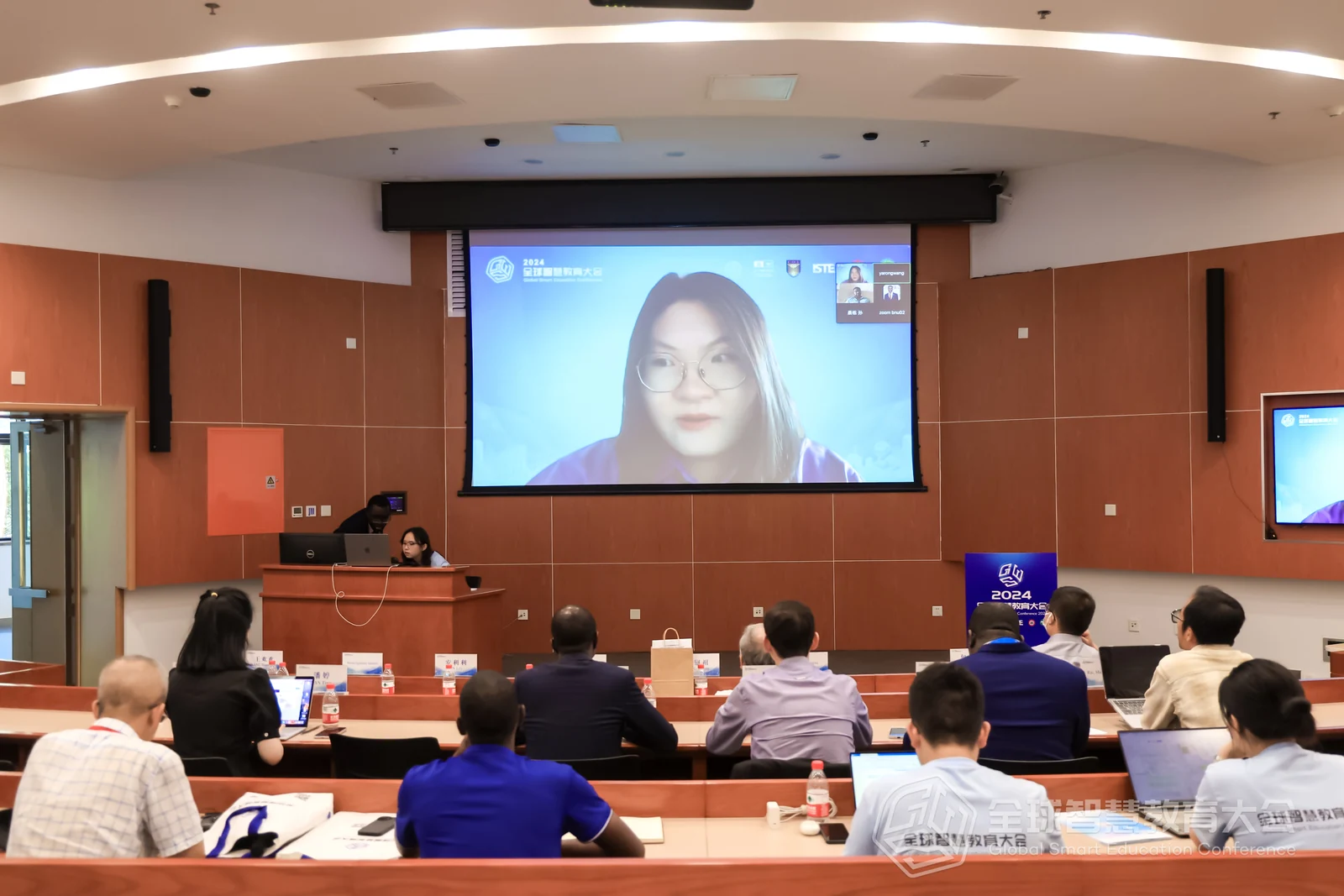
William Edusei-Mensah, a BNU doctoral student in Educational Technology, addressed ICT bottlenecks in Ghana and other African countries during the fourth industrial revolution. He advocated Smart Africa initiatives, improved device and network access, and integration of emerging technologies with teacher professional development.
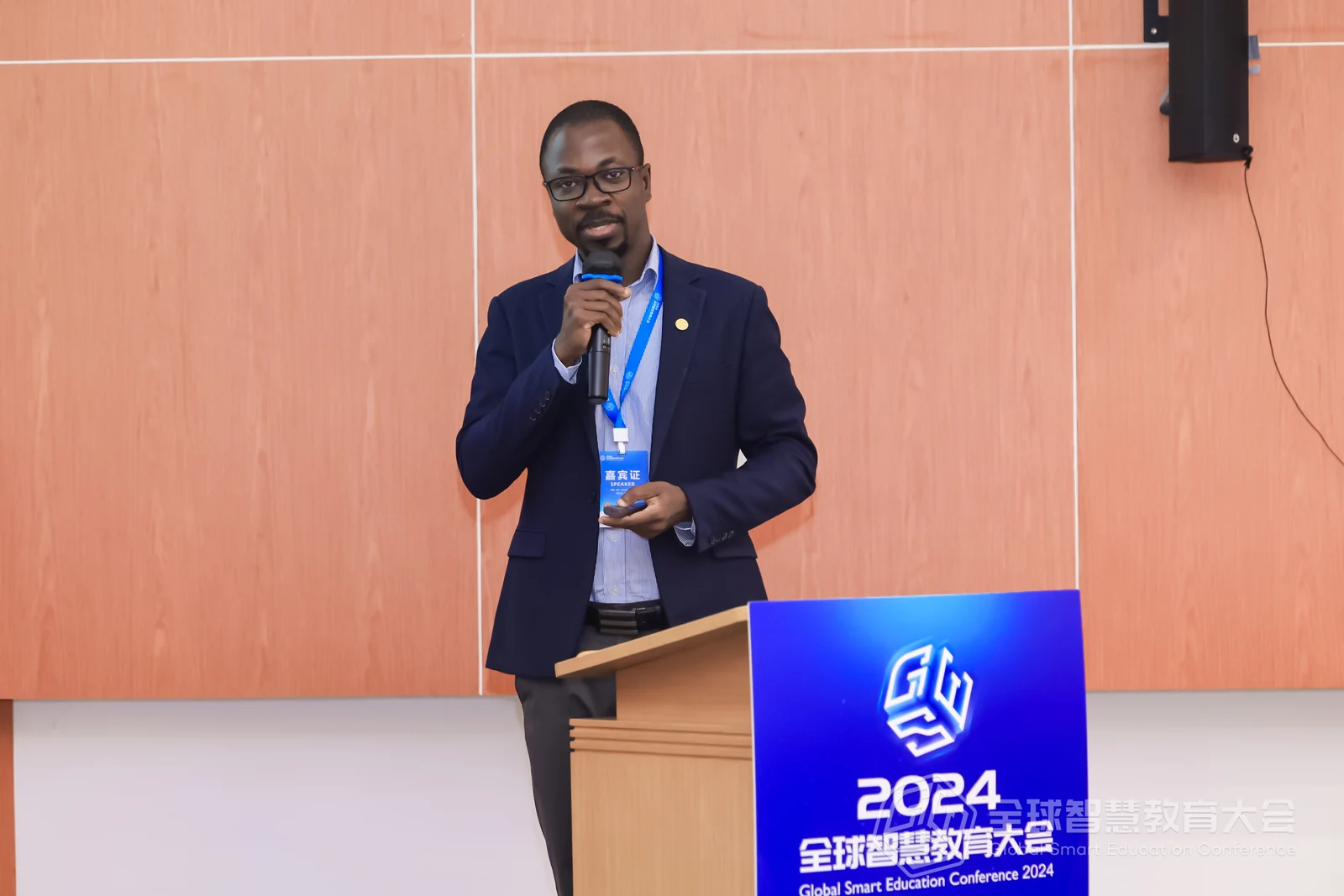
Theme 2: quality educational resources
Michael Agyemang Adarkwah, a research associate at Friedrich Schiller University Jena, moderated the second theme, emphasizing quality, access, individual adaptation and availability across regions and cultures.
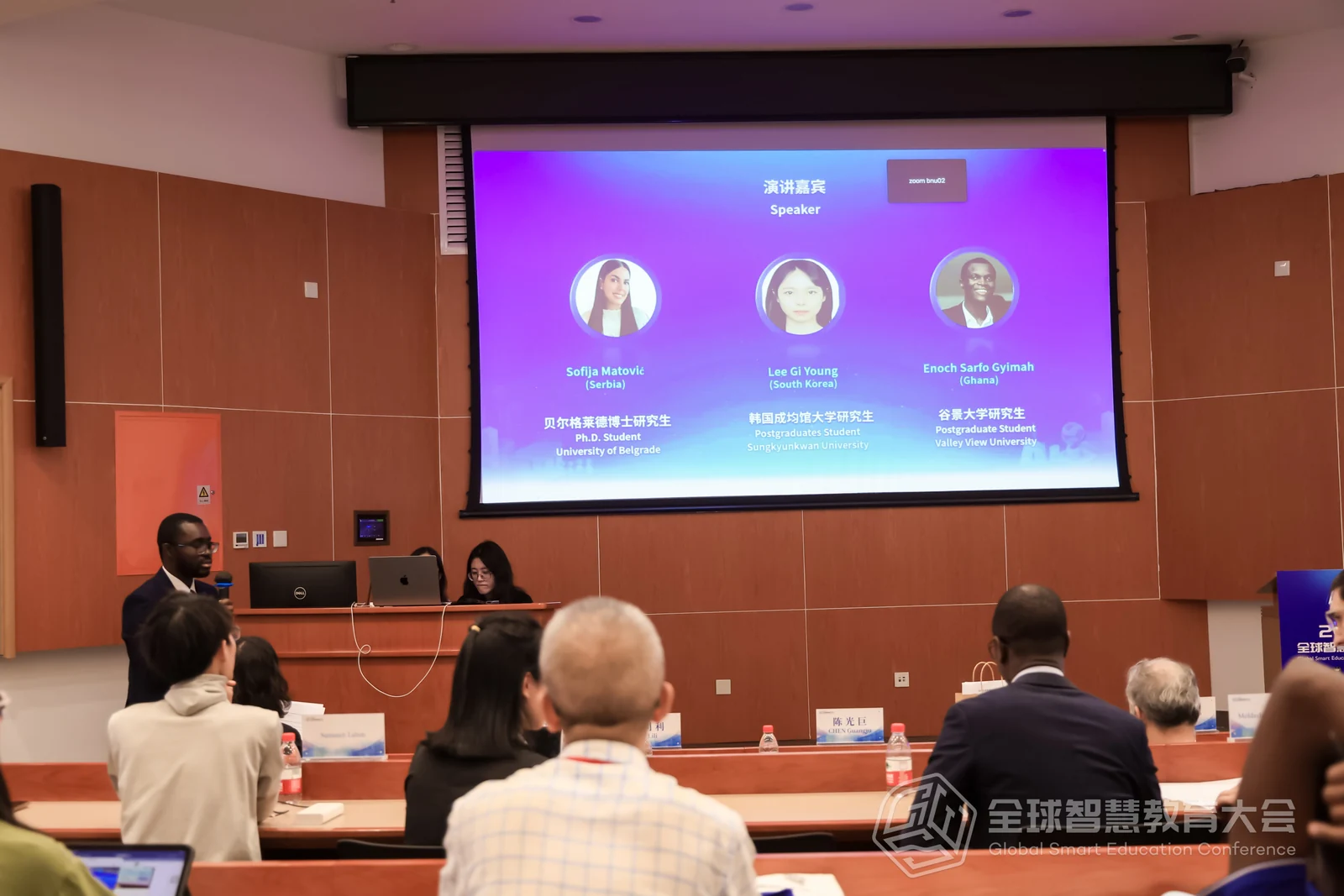
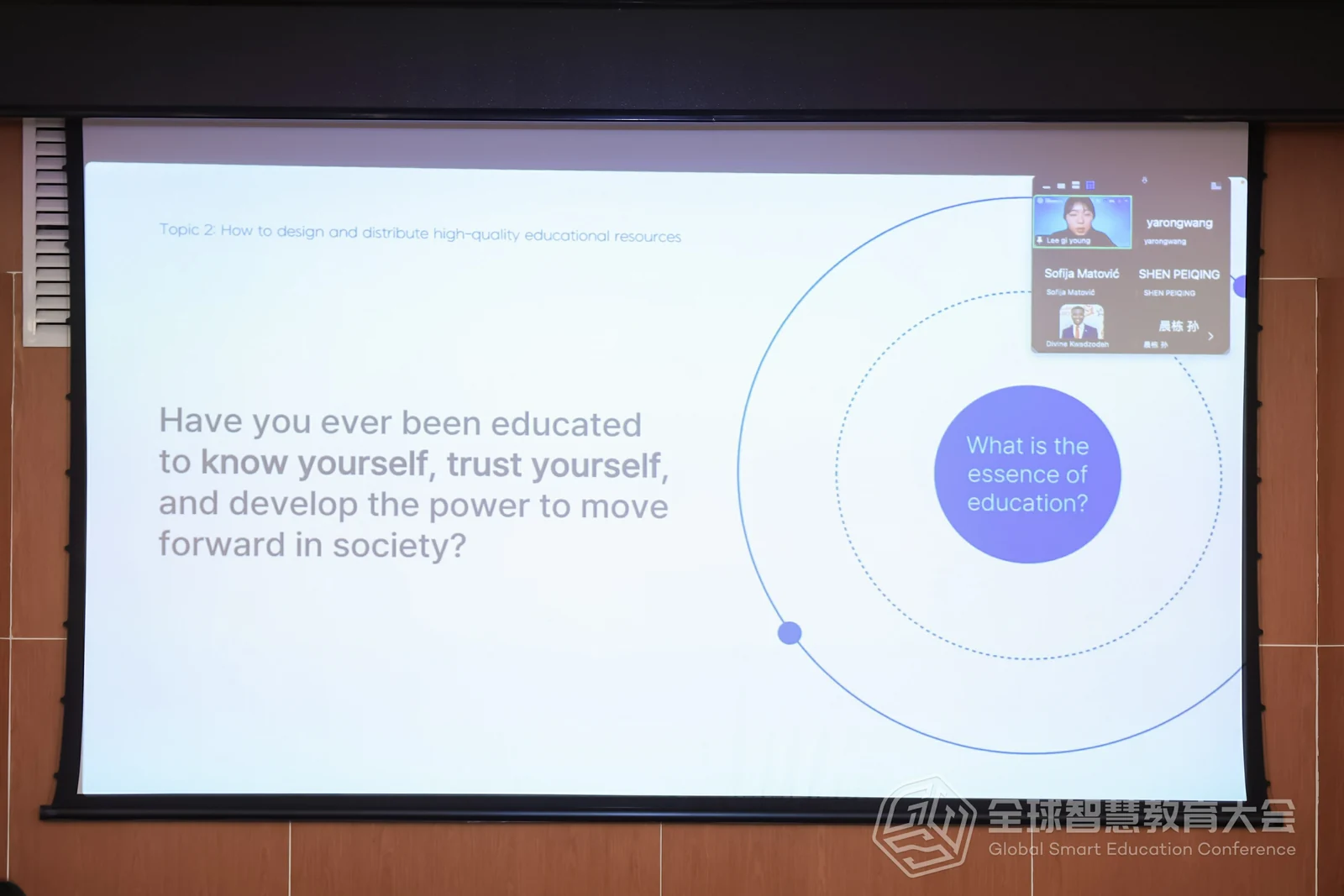
Sofija Matović, a doctoral student at the University of Belgrade’s Faculty of Education, discussed shortages of resources, teachers’ digital literacy and stakeholder support in Serbia. Her proposed Center for Robotics and Artificial Intelligence in Education (CRAIE) framework combined teacher development, learner experience and resource integration.
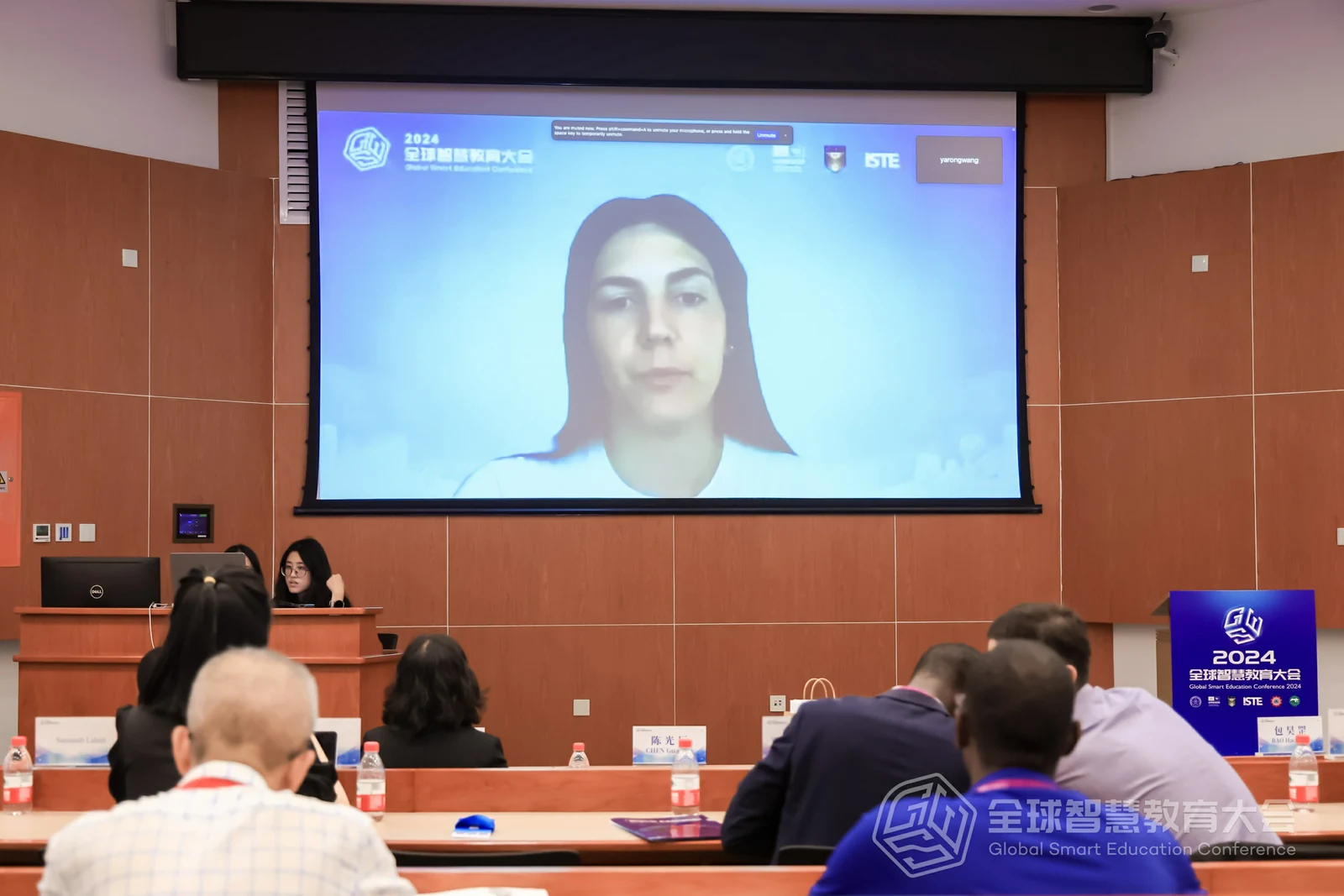
Lee Gi Young, a master’s student in Public Administration and Social Entrepreneurship at Sungkyunkwan University, discussed career and character education for South Korean youth. MYOC (Make Your Own Cube) proposed varied self-exploration and character-development courses to support self-awareness, confidence and direction, with shared community, school and family responsibility.
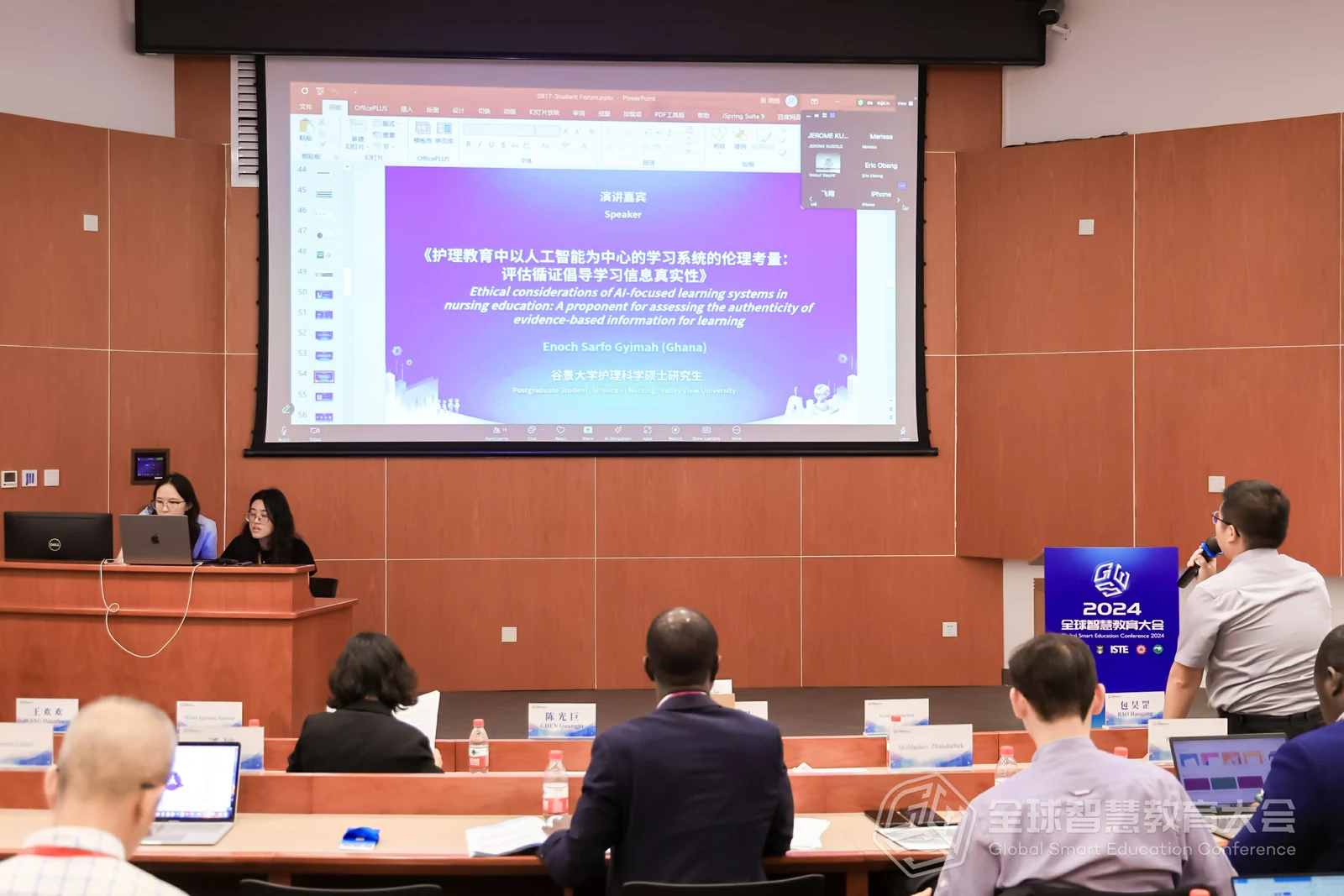
Enoch Sarfo Gyimah, a master’s student in Nursing Science at Valley View University, addressed ethics and evidence-based information in AI learning systems. He proposed expert review and AI-assisted resource curation, with learning-process tracking and analysis for monitoring and evaluation, alongside transparency, data privacy and credible learning outcomes.
Theme 3: human–AI collaboration and inclusive design
Bao Haogang, Assistant Researcher at the China National Academy of Educational Sciences’ Institute of Basic Education, moderated the third theme: learner-centred activities using student communities and human–AI collaboration for creative problem-solving.
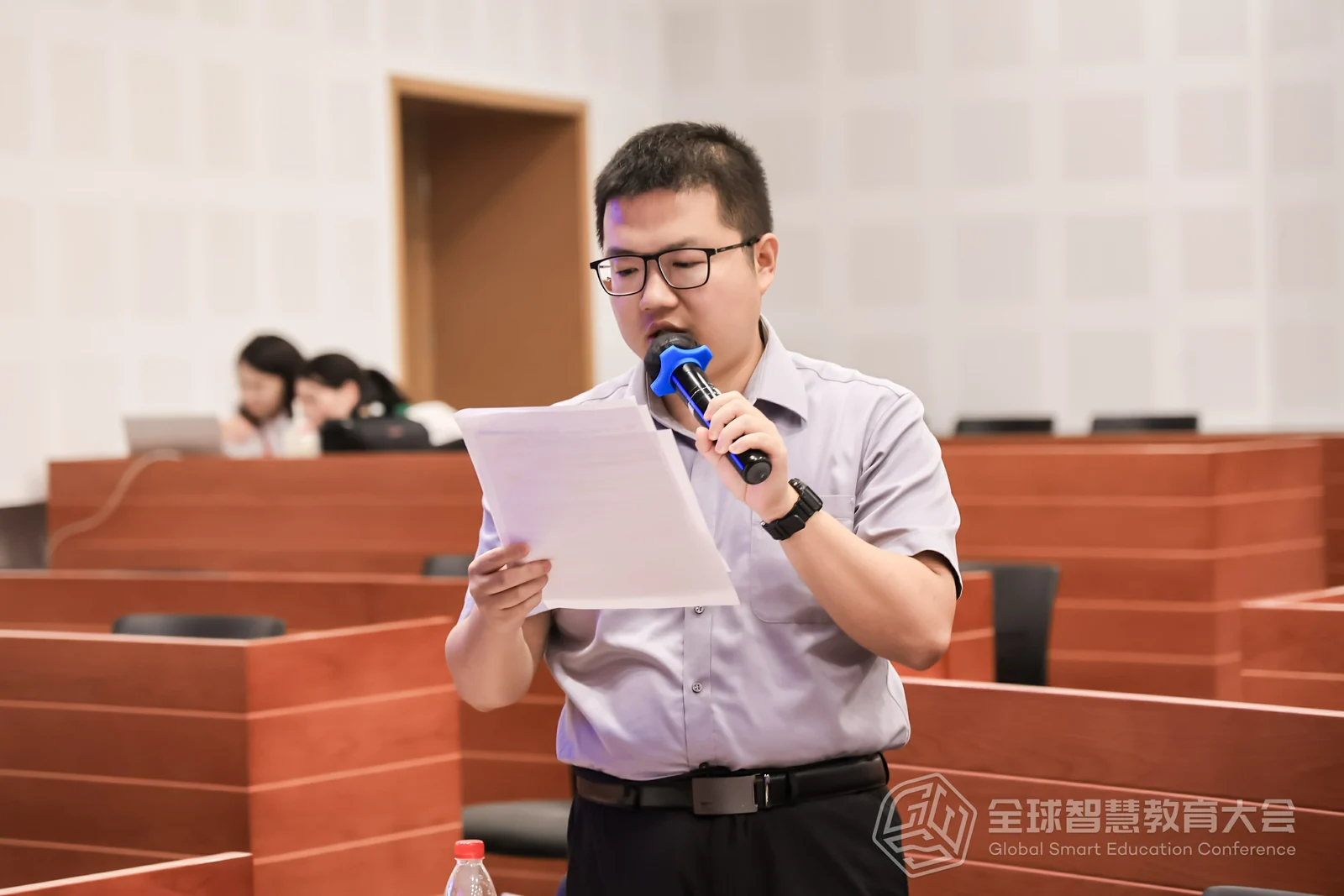
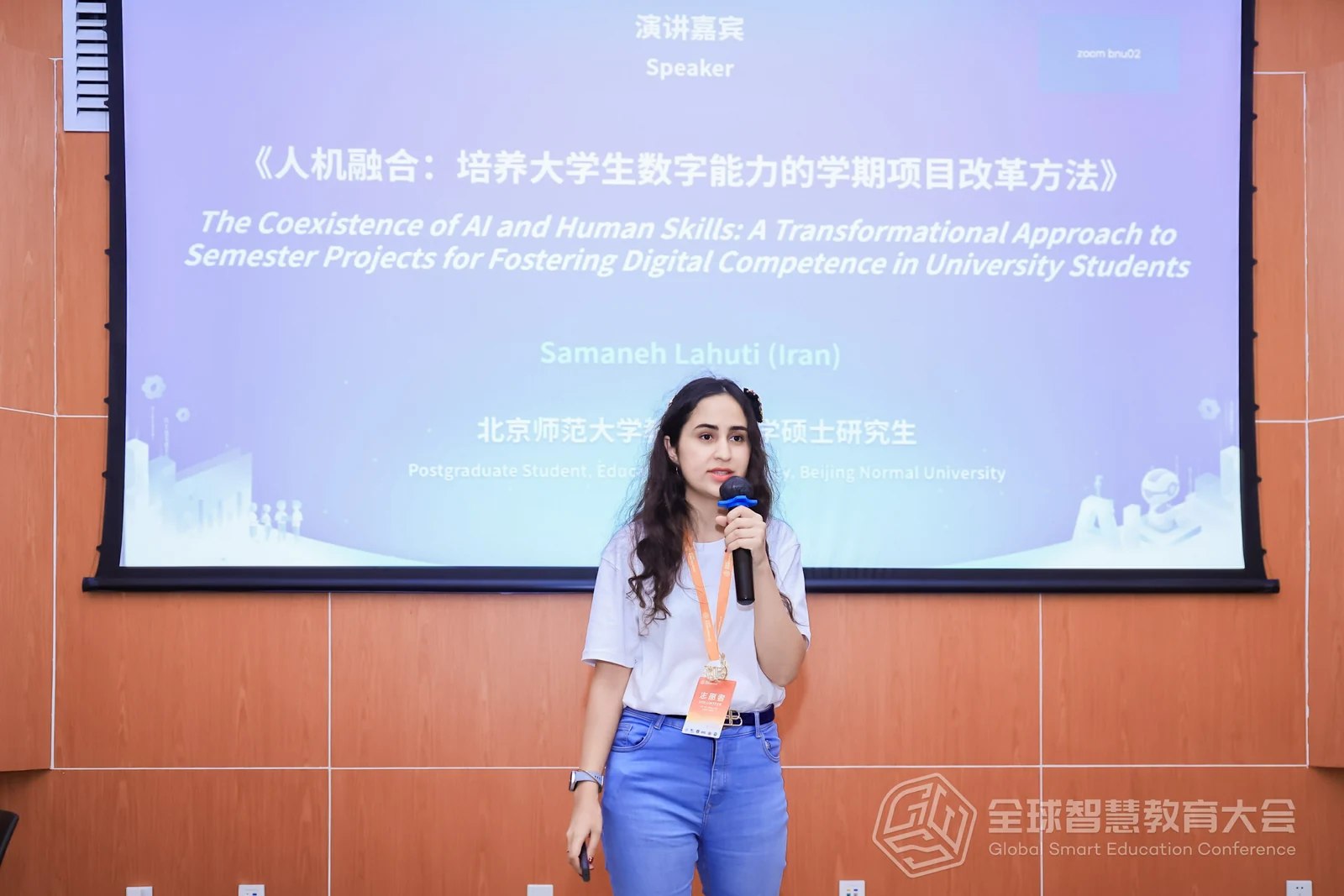
Samaneh Lahuti, a BNU master’s student in Educational Technology, noted students’ widespread use of generative AI for assignments and semester projects, alongside gaps in teachers’ preparation for collaborative activities. She proposed clear institutional guidance for integrating AI and teaching.
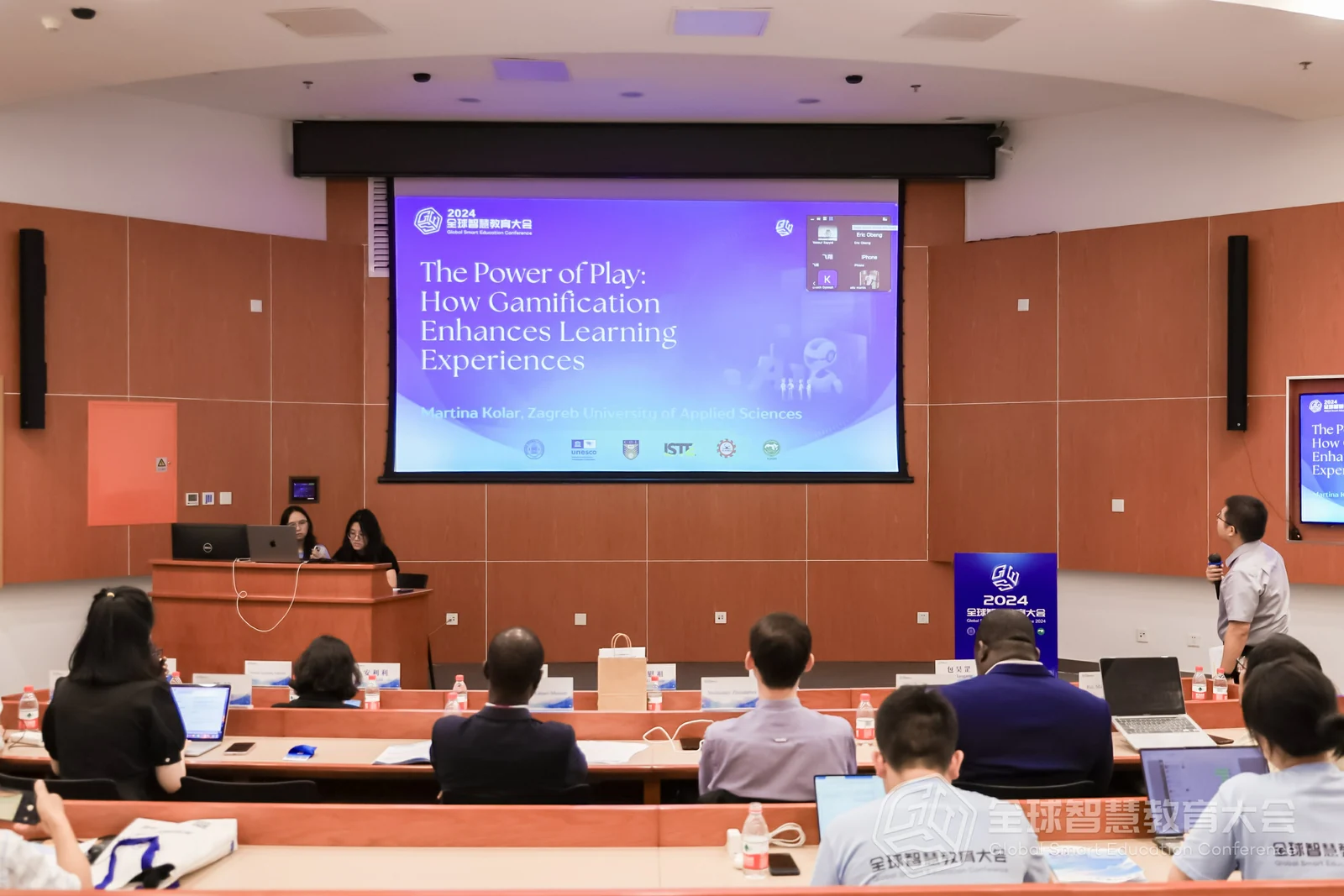
Martina Kolar, an undergraduate in IT Design at Zagreb University of Applied Sciences, discussed teacher preparation and missing assessment data and tools in Croatia. She advocated gamification, AI-personalized content, dynamic difficulty and intelligent assessment responding to different learning needs.
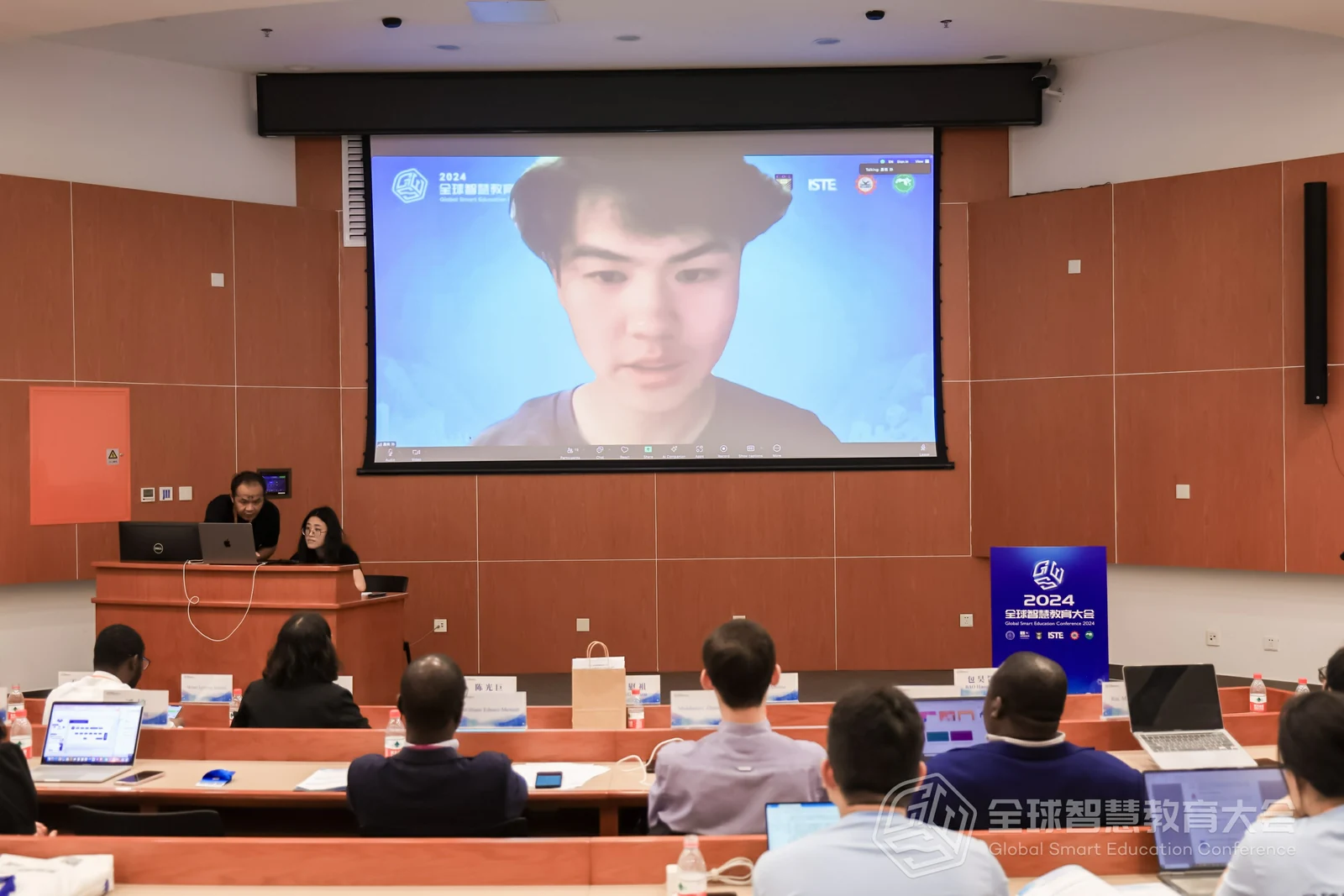
Sun Chendong, a master’s student in Product Design Research at China Academy of Art, presented the team’s CoDance design. Vibration patches convey dance rhythms, addressing rhythm perception, communication and psychological pressures experienced by deaf dancers. The proposal explored an inclusive, readily accessible learning space supporting participation by deaf and hearing dancers.
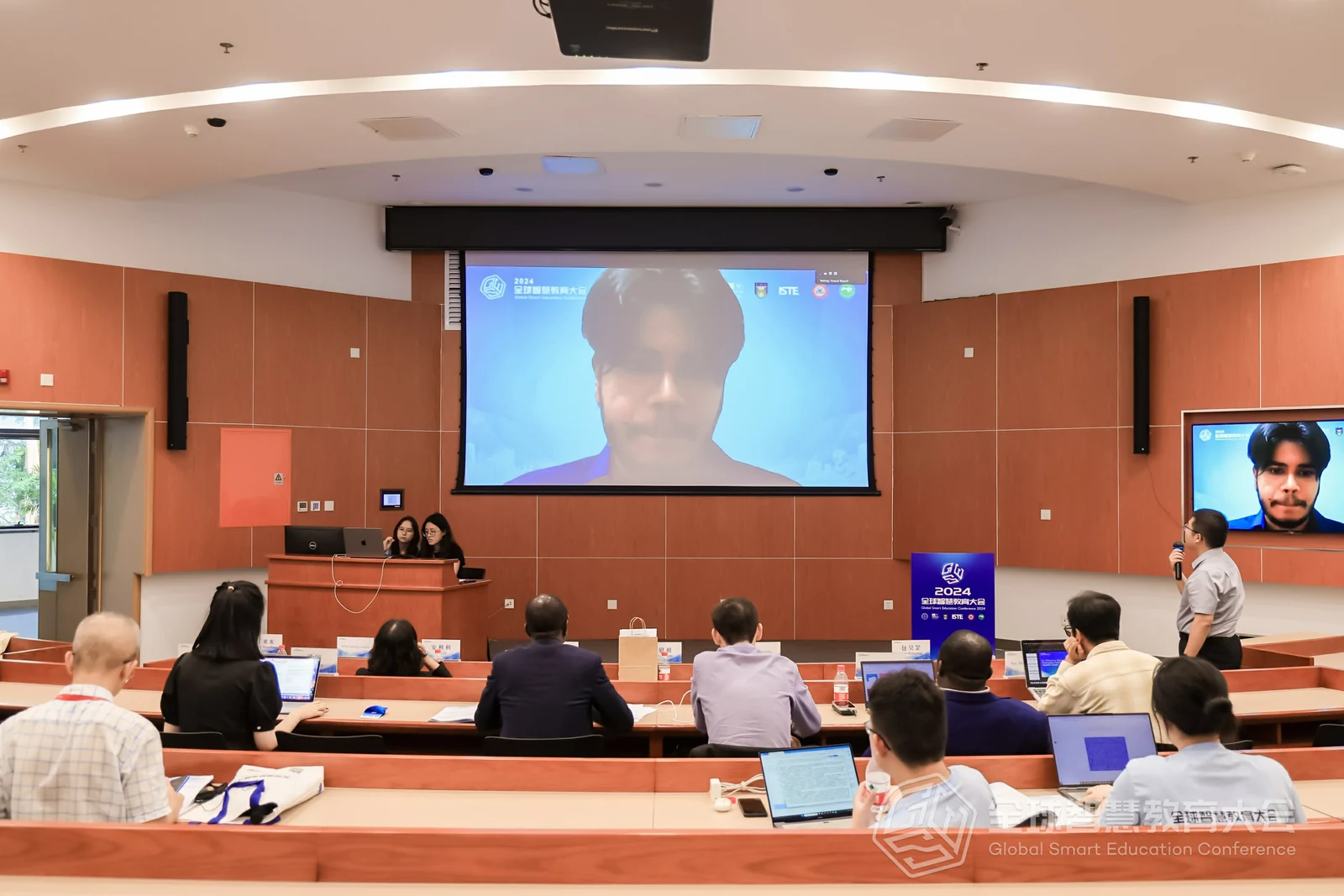
Yoosuf Sayyid Bin Ahmed Shafeeg, from the Maldives and studying an MBA with a specialism in Digital Leadership at Asia Pacific University in Malaysia, discussed overreliance on AI and critical thinking. He proposed personalized group projects combining different interests and skills for collaborative, creative learning.
Theme 4: teaching with shared participation
BNU Assistant Researcher Wang Huanhuan moderated the fourth theme, with teachers as conveners of communities involving local leaders, community workers, specialists and enterprises in shared teaching and resources.
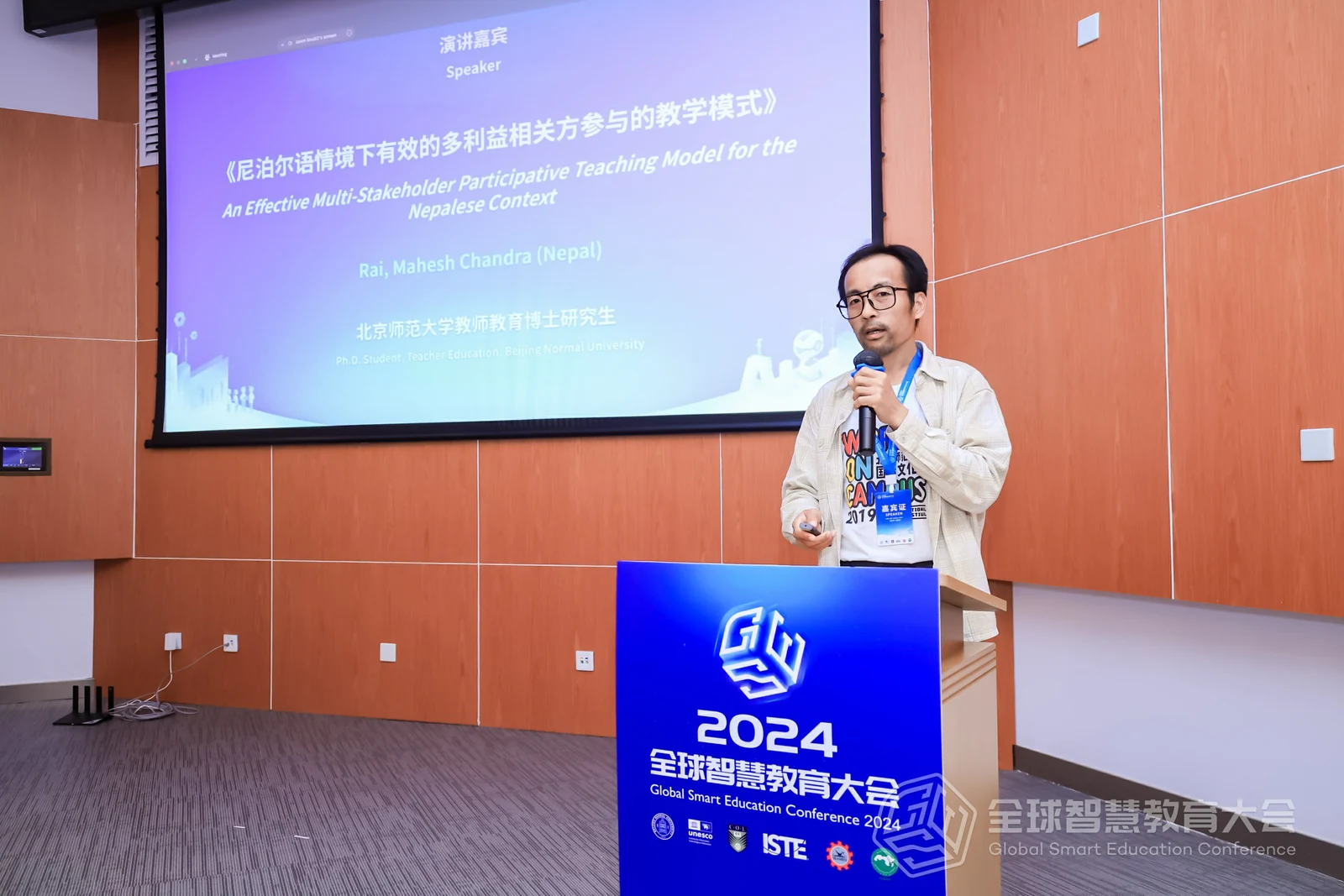
Mahesh Chandra Rai, a BNU doctoral student in Teacher Education, discussed limited practice opportunities and teacher shortages in Nepal. He proposed participation by policymakers, school leaders, teachers, students, parents and communities to transfer training into classroom practice within diverse cultural and geographical conditions.
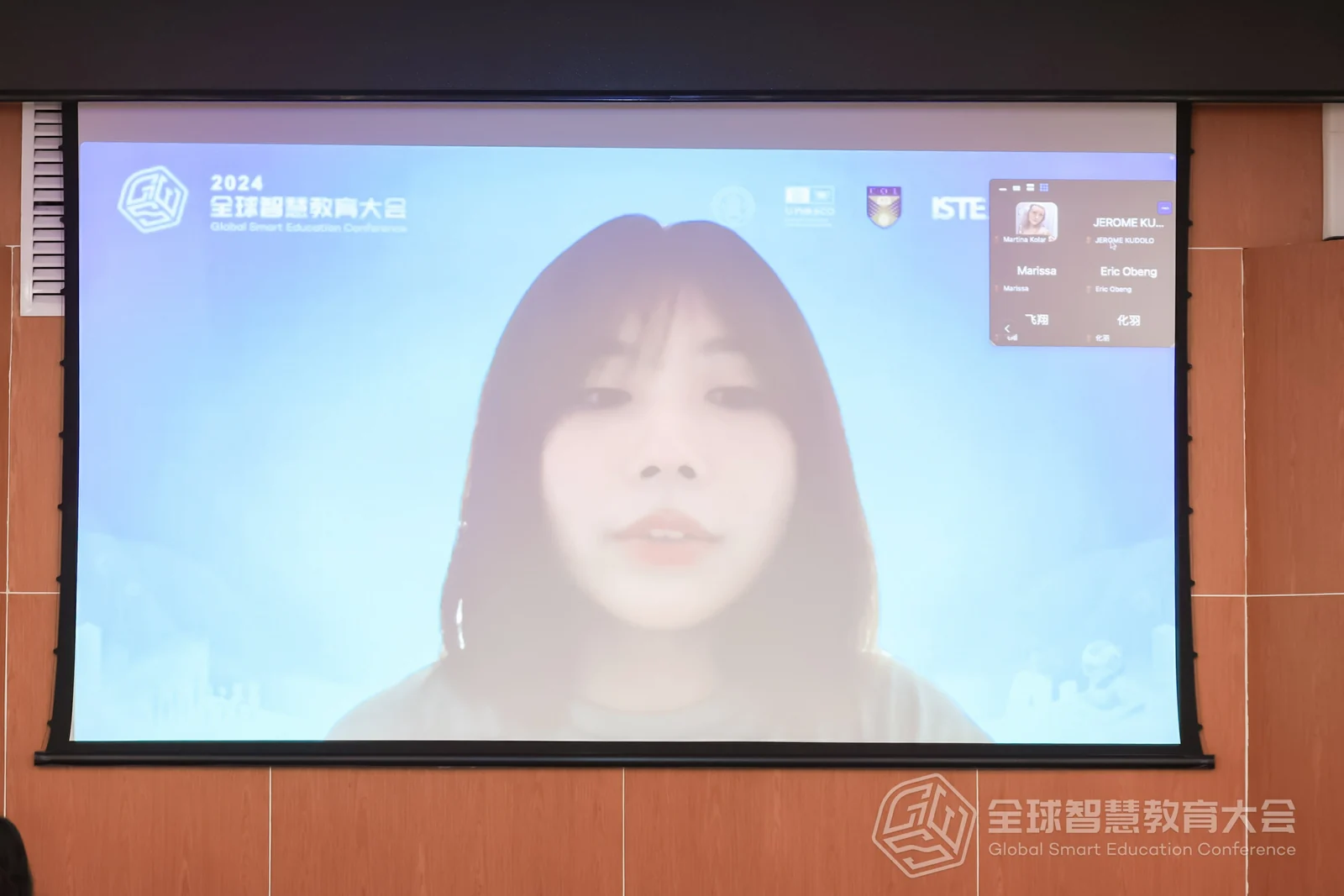
Liu Yuhuan, a master’s student in Digital Education at Xi’an Jiaotong-Liverpool University, discussed fragmented medical education, gaps between resources and clinical practice, and limited in-depth training. Her Hellodoc proposal combined authoritative resources, virtual-patient simulation and feedback to support knowledge, practice and continuous improvement.
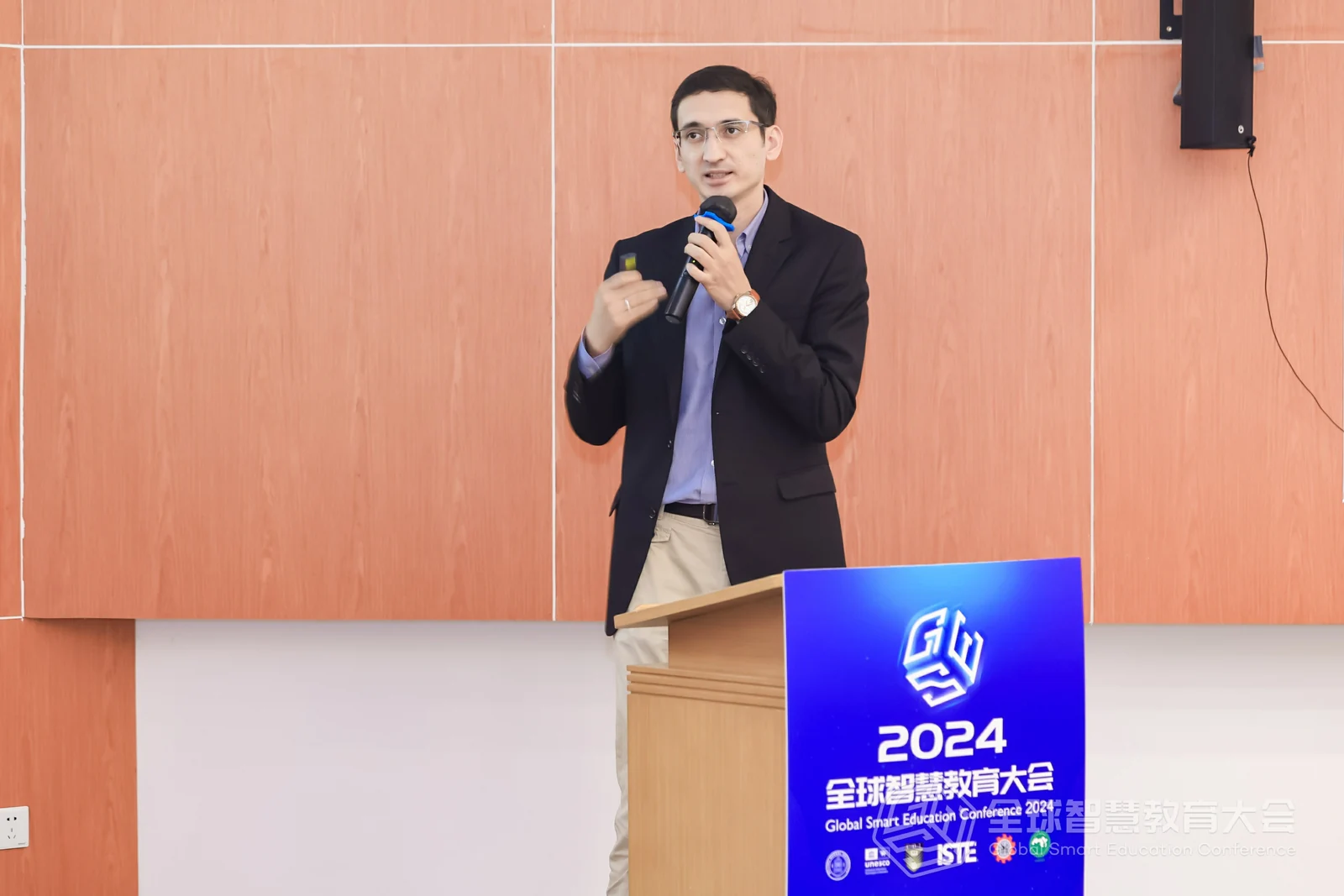
Moldashev Zhandarbek, a doctoral student in Pedagogy at Beijing Institute of Technology, considered AI as a potential new stakeholder. He advocated cooperation among governments, enterprises, institutions and students for adaptive higher education addressing equity, personalization and quality.
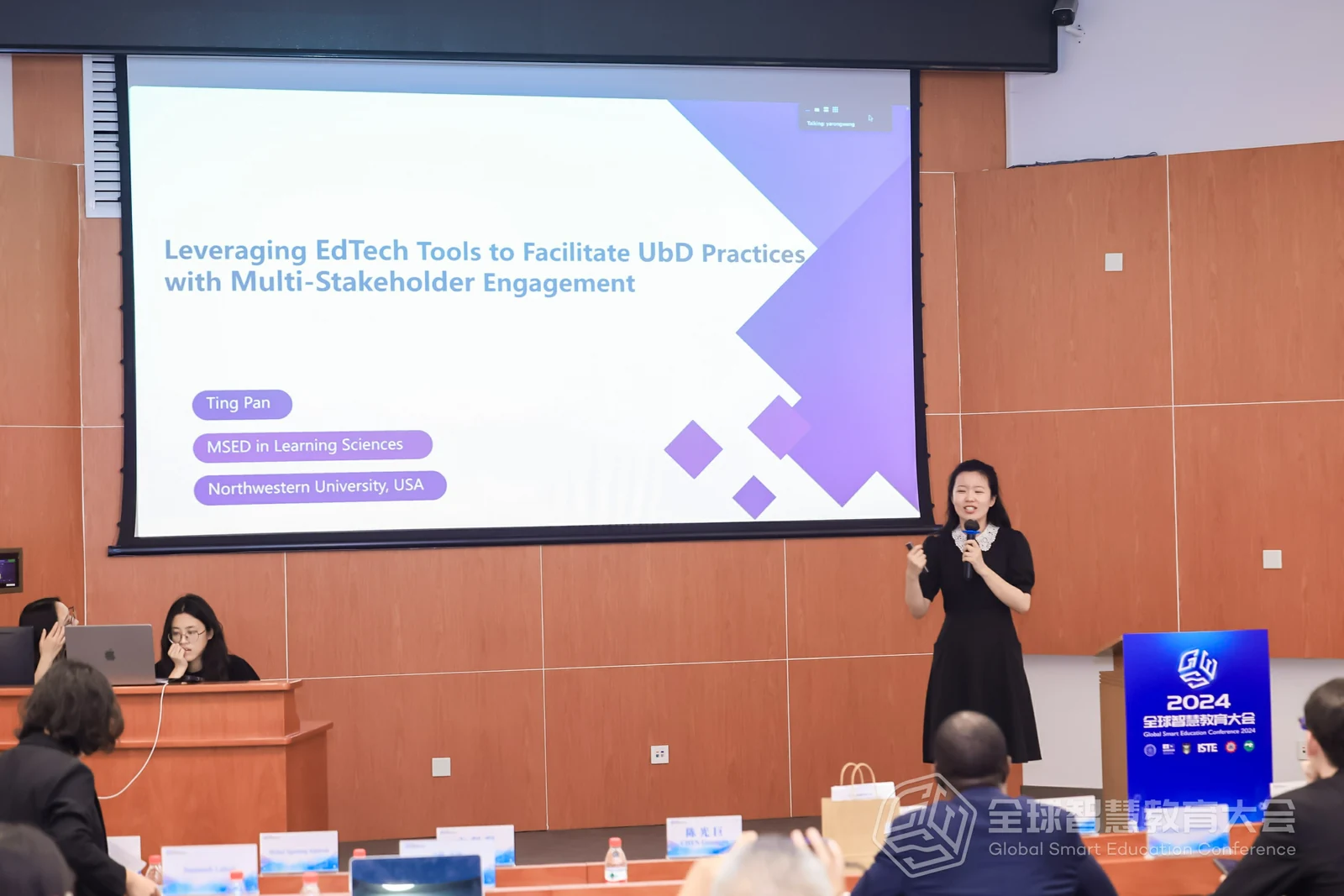
Pan Ting, a master’s student in Learning Sciences at Northwestern University, USA, addressed project-based learning and shared participation. She proposed integrating educational technology and student-centred Understanding by Design curricula, bringing together teachers, students, parents, entrepreneurs and researchers to improve curriculum, performance assessment and goals.
Roundtable: AIGC’s possibilities and conditions
Michael Agyemang Adarkwah moderated a roundtable on AIGC’s deeper integration with education, examining possibilities, conditions and challenges.
Martina Kolar emphasized organization and strategic planning in effective prompting, alongside independent thinking when building core concepts.
William Edusei-Mensah discussed AIGC’s potential for personalization and accessibility, proposing content adaptation to different abilities, including the needs of learners with cognitive impairments.
Moldashev Zhandarbek suggested that AIGC could help address book shortages in under-resourced settings and widen access to quality learning content.
Frederick Oduro outlined three stages of potential classroom application:
- Before class: support planning and material preparation.
- During class: explore immediate feedback and interactive content.
- After class: generate adaptive exercises and simulated situations.
Further reading and inclusive education resources
Further reading: SLI’s official CoDance project archive provides a bilingual description, team information and its 2024 Silver Award. That archive page was published on 29 December 2025 and is presented as a later reference, not as material released on the forum day. The project remains situated in its design and showcase context.
Readers seeking assistive-technology and accessible-learning cases can explore the special and inclusive education resource collection in the same language. Projects here are reported as students’ research or design proposals; usage conditions, licences and available versions should follow their teams’ public information.
Sources and historical archive
This event was separate from the Youth Intelligence forum the previous afternoon. Readers can consult the related report in the same language.
Sources: SLI’s Chinese account, SLI’s English account and the official conference synthesis. The event took place on the afternoon of 20 August 2024; the original English report on this site was published on 22 August. SLI’s Chinese listing and English page are dated 11 and 13 September respectively. Roles and projects are described in their historical context.
Original link: https://aiedchair.bnu.edu.cn/gse2024-student-forum-on-smart-learning-and-design-for-future-education/